Why Does My Dog Keep Pooping in His Crate: Solving the Mystery
Senior Canine Nutritionist & Dog Behavior Specialist at Cozy Dog Go Wellness Lab
You’re frustrated. You’ve spent time and effort crate training your dog, hoping for a safe and clean space for them.
But instead of a tidy crate, you’re faced with an unpleasant mess. Why does your dog keep pooping in their crate? It’s a question many dog owners grapple with, and the answer isn’t always straightforward. You might feel overwhelmed, worried, or even a bit guilty, wondering if you’ve done something wrong.
But don’t worry—you’re not alone, and there are solutions. Understanding the reasons behind this behavior is the first step towards resolving it. So stick around, because you’ll discover the common causes of crate accidents and learn effective strategies to help your dog feel comfortable and confident in their space. Let’s turn this challenge into a success story for both you and your furry friend.
Common Reasons For Crate Accidents
Stress, anxiety, or inadequate potty training often cause dogs to poop in their crates. Health issues and inconsistent feeding schedules can also contribute to this problem. Understanding these factors helps in addressing crate accidents effectively.
Crate accidents in dogs can be frustrating and confusing. Understanding the reasons can help you address the issue effectively. Several factors might contribute to these accidents. Let’s explore some common reasons why your dog might be pooping in his crate.Medical Issues
Health problems can lead to crate accidents. Digestive disorders, infections, or parasites may cause your dog to lose control. A sudden change in behavior could signal a medical problem. Visit a veterinarian to rule out health issues. Regular check-ups ensure your dog stays healthy and comfortable.Anxiety And Stress
Dogs may experience anxiety or stress in their crates. This can lead to accidents. Crates should feel safe and comforting, not stressful. Loud noises or separation anxiety can trigger stress. Identifying stressors and removing them can help. Gradual crate training can also ease anxiety.Dietary Factors
Diet plays a crucial role in your dog’s bowel movements. Poor-quality food or sudden diet changes can upset their stomach. Ensure your dog’s diet is consistent and nutritious. Watch for foods that cause sensitivity or allergies. Consult your vet for dietary advice if needed.Improper Training
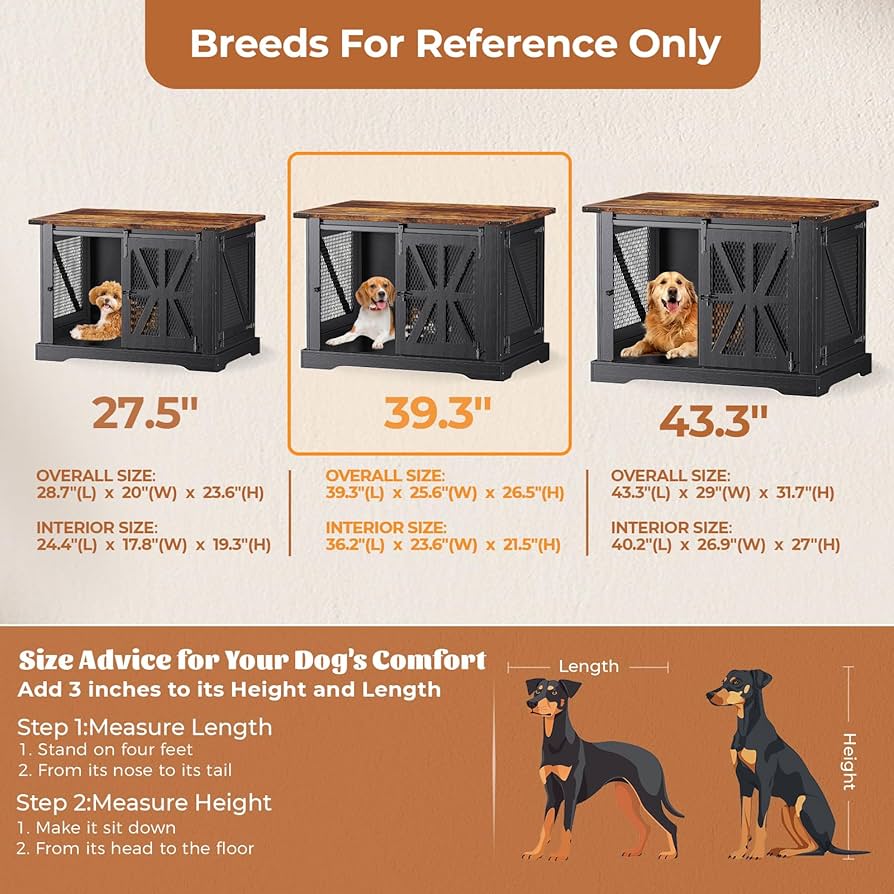
Proper crate training is essential for preventing accidents. Dogs need clear boundaries and consistent routines. Inconsistent training can confuse your dog. Ensure the crate is the right size for your dog. A crate too large may encourage accidents. Patience and consistency are key to successful training.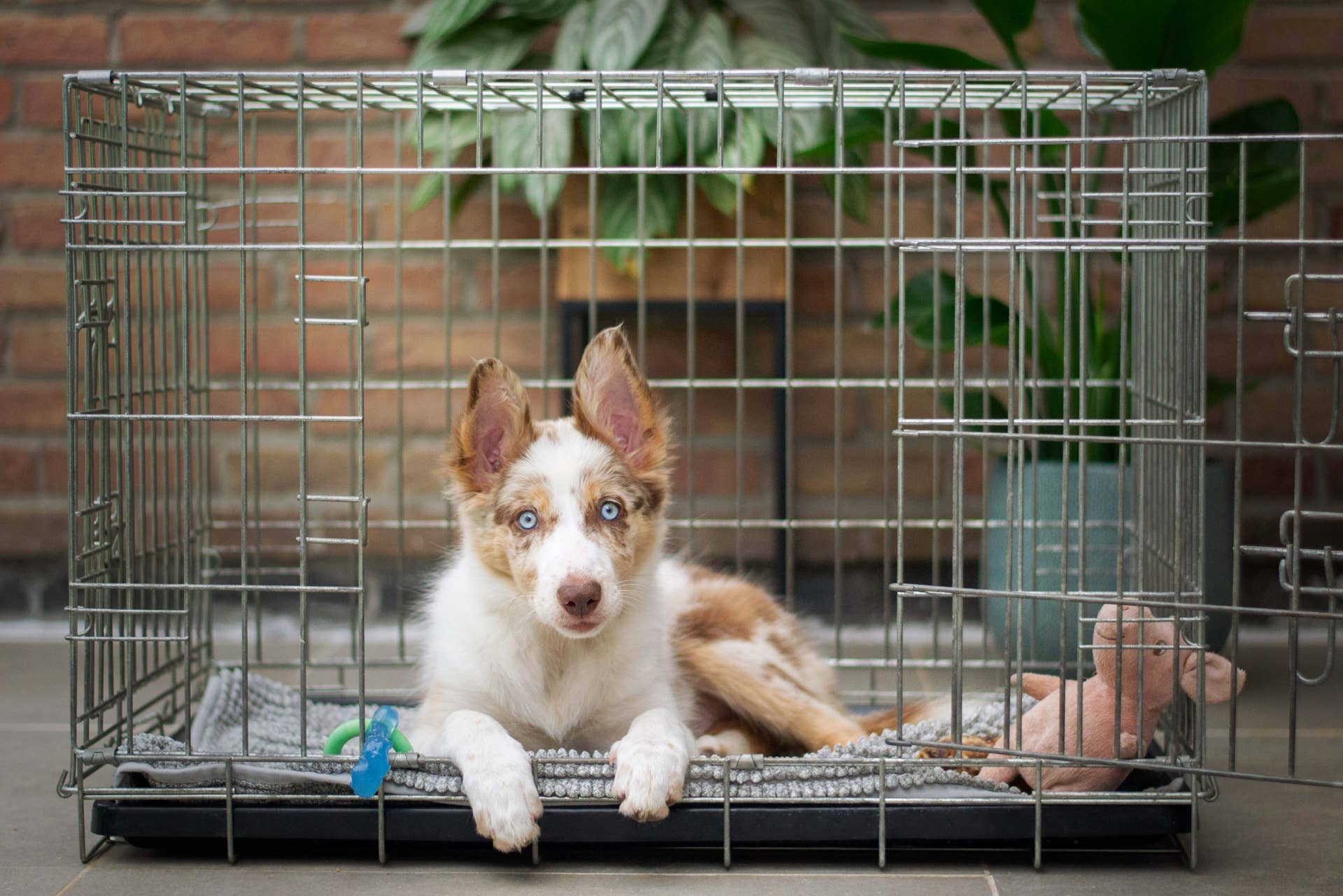
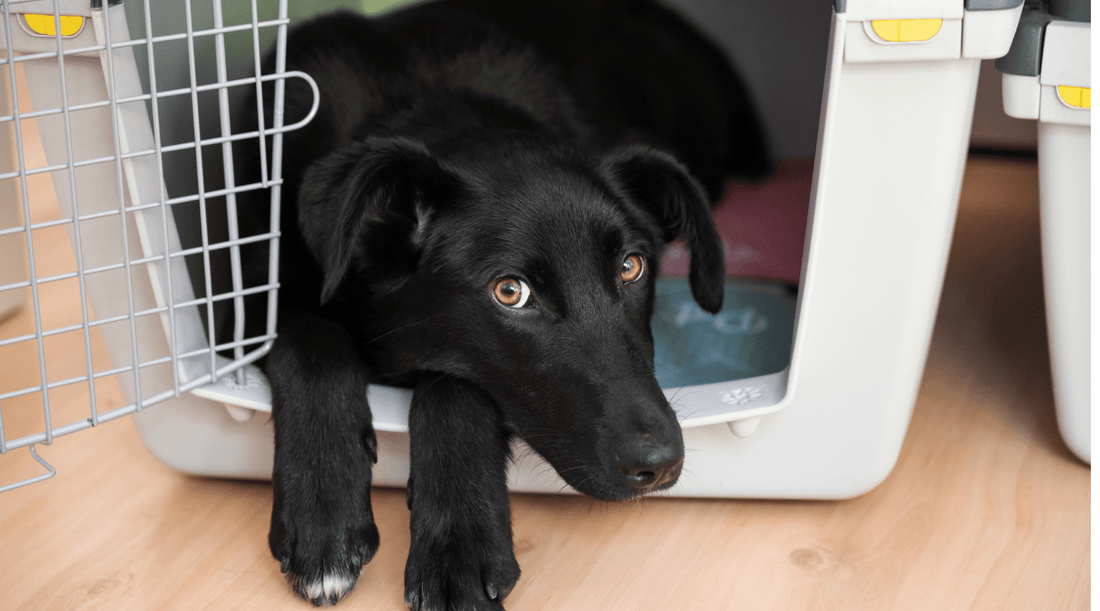
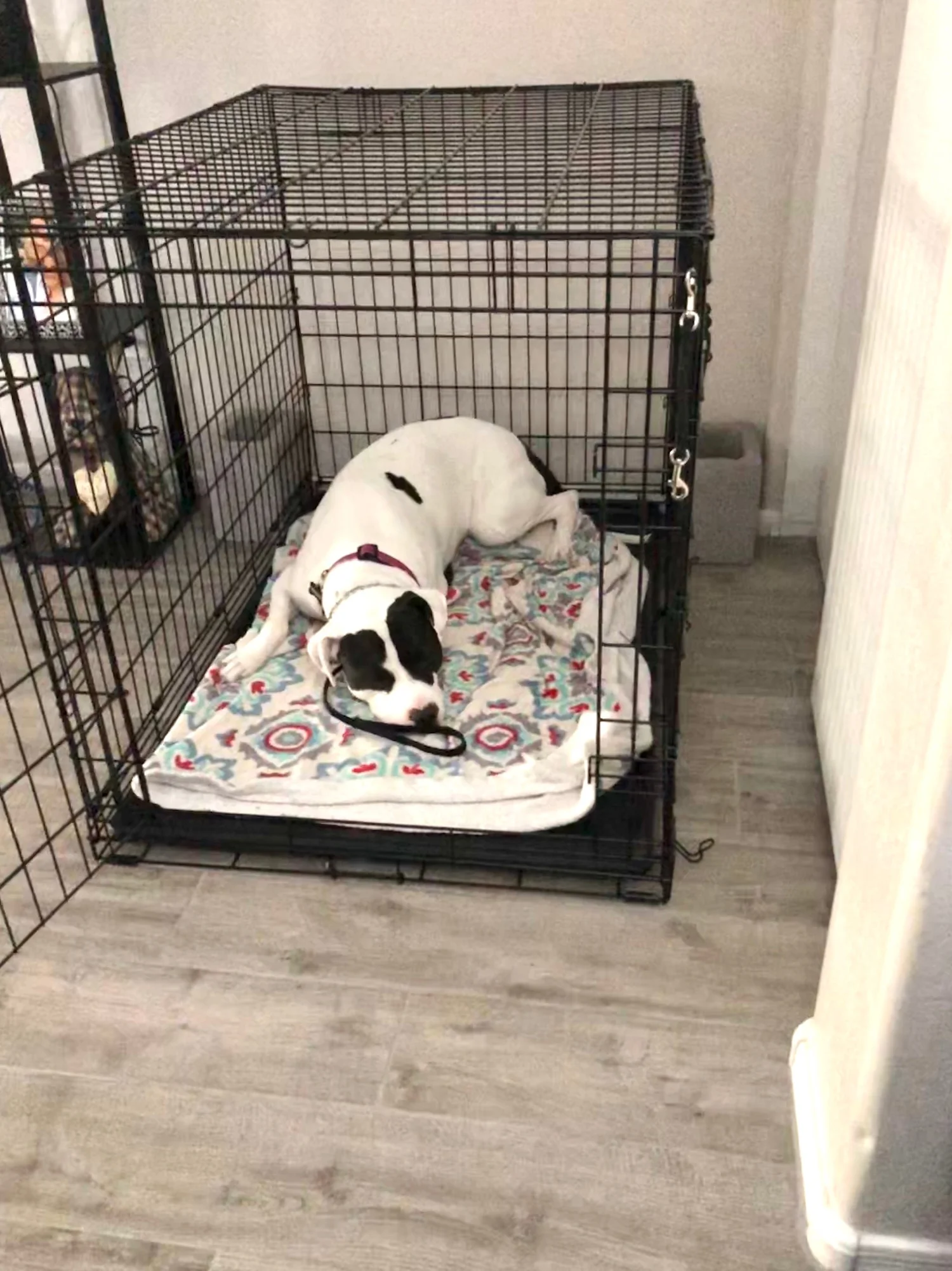
Credit: pethelpful.com
Identifying Medical Causes
Has your dog been pooping in his crate unexpectedly? This behavior could be linked to medical causes that are often overlooked. Understanding these underlying issues is crucial for finding a solution and ensuring your pet’s comfort. Let’s explore some potential medical reasons.
Digestive Disorders
Digestive disorders in dogs can lead to frequent bowel movements. Conditions like irritable bowel syndrome or food allergies may cause your dog to poop more often, even in his crate. Consider whether you’ve recently changed his diet or introduced new treats. A sudden dietary shift can wreak havoc on his digestive system. Consulting with your vet can help identify specific food intolerances that may be triggering this behavior.
Infections
Infections, particularly in the gastrointestinal tract, might be causing your dog to lose control of his bowel movements. Bacterial or viral infections can lead to diarrhea, making it hard for your dog to hold it until he’s outside the crate. Observe if your dog shows any other signs of illness, such as vomiting or lethargy. If so, it’s time for a vet visit to rule out infections and start appropriate treatment.
Parasites
Parasites like worms can cause your dog to poop frequently and unexpectedly. These unwanted guests can cause irritation and inflammation in the intestines, leading to accidents in the crate. Has your dog been scratching more than usual or losing weight without reason? These could be signs of parasites. Regular check-ups and preventive measures can keep parasites at bay and help your dog maintain a healthy routine.
Understanding these medical causes can be the key to addressing your dog’s crate pooping problem. Have you noticed any unusual symptoms that might point to one of these issues? Taking proactive steps ensures your furry friend stays healthy and happy.
Addressing Anxiety And Stress
Understanding your dog’s anxiety is crucial when addressing crate accidents. Stress often leads dogs to poop in their crate. Identifying triggers can help create a calmer environment for your pet.
Addressing Anxiety and Stress Does your dog seem stressed every time you find a mess in the crate? Anxiety and stress are common reasons why dogs might poop in their crates. Understanding these triggers can help you manage and alleviate the problem.Separation Anxiety
When your dog feels anxious about being alone, it can lead to accidents in the crate. Dogs are social animals, and being away from you can be distressing. Consider if your dog is showing other signs of separation anxiety, like excessive barking or destructive behavior. You can help by gradually increasing the time your dog spends alone, rewarding calm behavior, and making departures and arrivals low-key.Environmental Changes
A move to a new house or a change in routine can make your dog feel uneasy. Dogs thrive on consistency, and disruptions can trigger stress-related accidents. Did you recently change your work hours or introduce a new pet? Try to keep your dog’s routine as stable as possible and provide comfort through familiar items like toys or blankets.Fear-based Reactions
Is your dog scared of loud noises or sudden movements? Fear can lead to involuntary actions like pooping in the crate. Identify what might be scaring your dog. Is it fireworks, thunderstorms, or something else? Providing a safe space, using calming aids, or working with a trainer can help reduce fear-based reactions. Helping your dog feel secure and loved can go a long way in addressing anxiety-related crate accidents. What changes can you make today to ease your pet’s worries?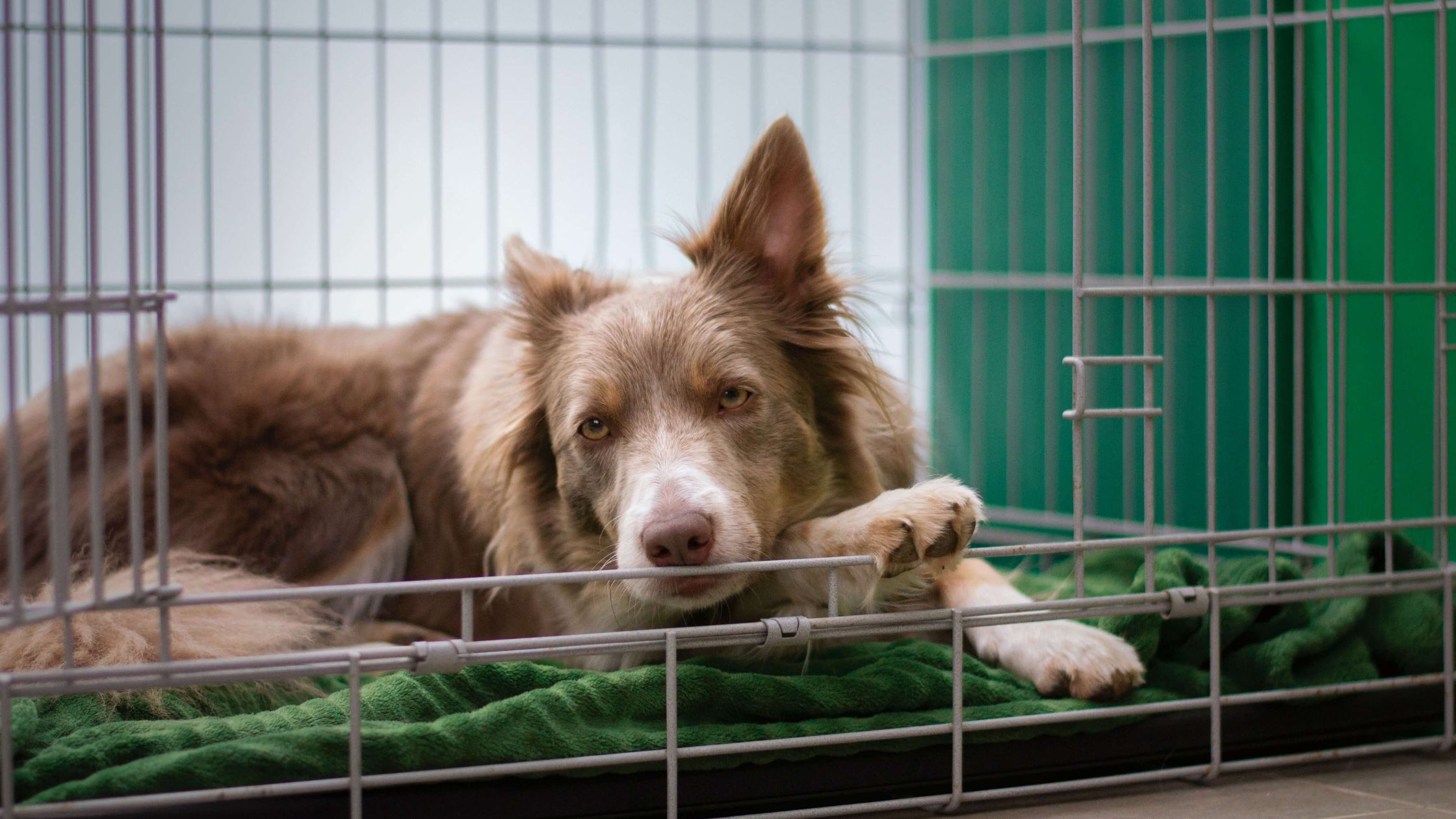
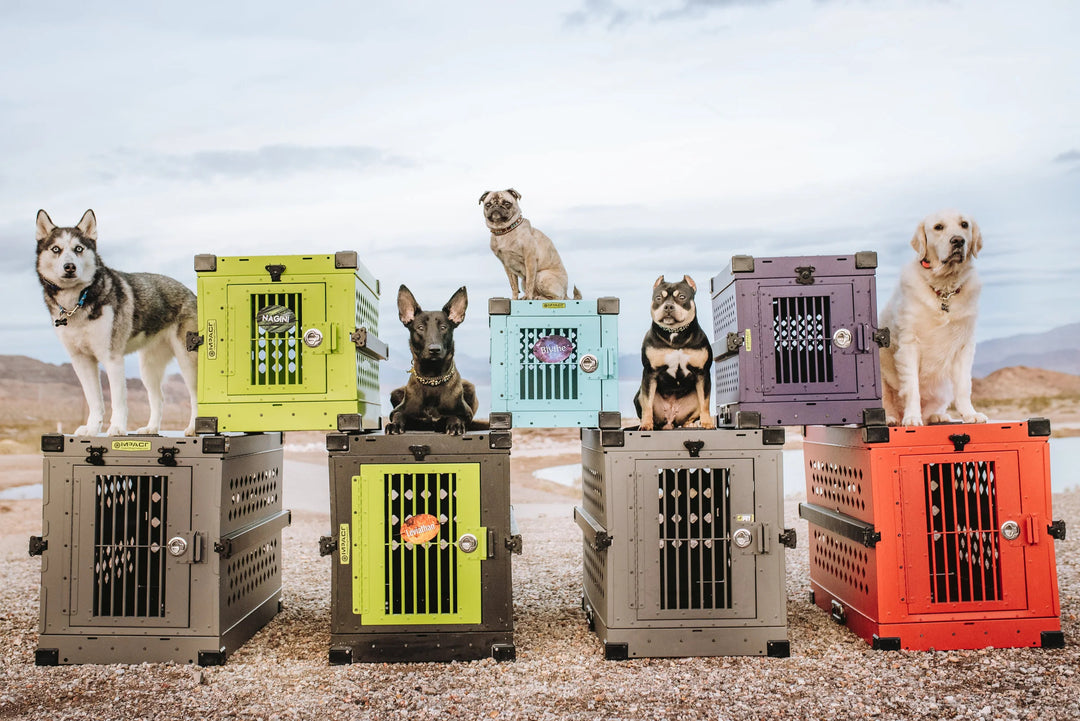
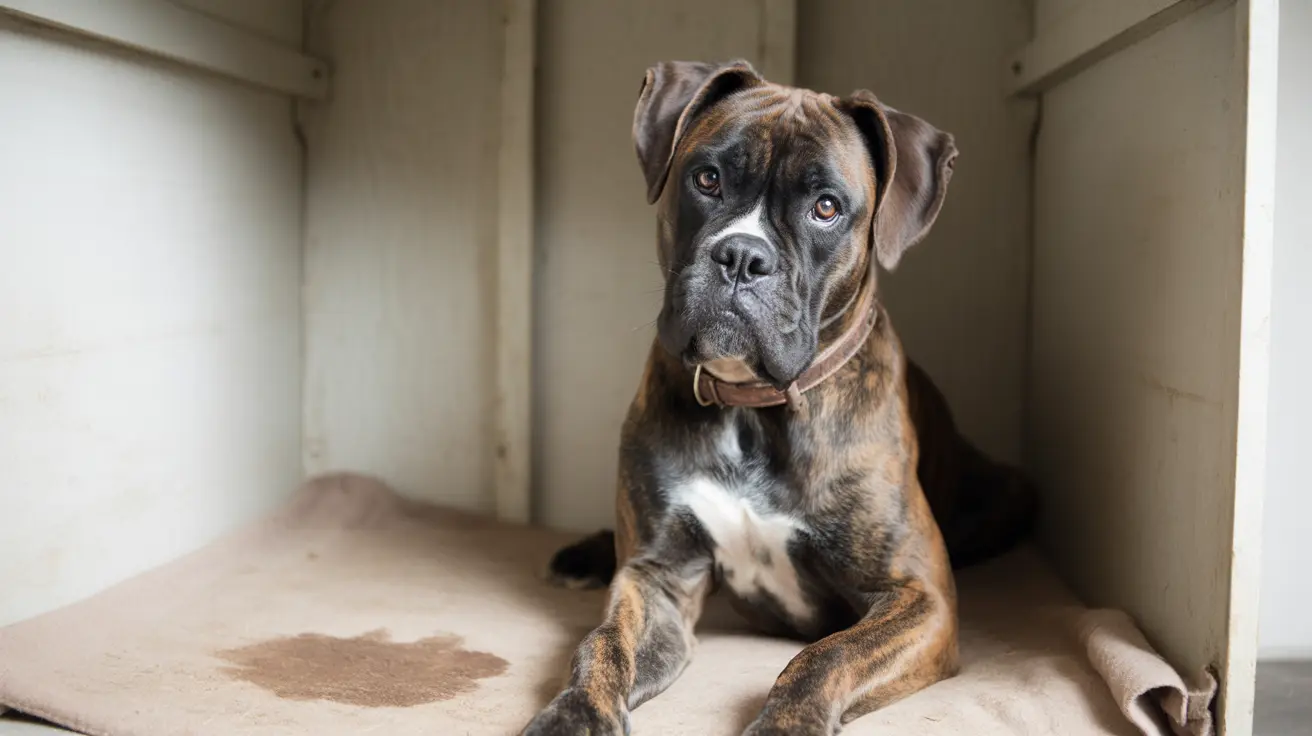
Credit: www.bulldogology.net
Evaluating Dietary Influences
Evaluating dietary influences can reveal why a dog keeps pooping in his crate. Food quality and portion size are crucial factors. Changes in diet might upset a dog’s stomach, leading to accidents.
Understanding why your dog might be pooping in his crate can be challenging. Dietary influences play a significant role in this behavior. Examining what your dog eats and when he eats can provide insights. A few key factors might be affecting your dog’s digestion. Let’s explore these influences in detail.Food Quality
The quality of food impacts your dog’s digestion greatly. Low-quality food often contains fillers and artificial ingredients. These can be hard for your dog to digest. Poor digestion might lead to unexpected bowel movements. Choose high-quality dog food with natural ingredients. Look for foods rich in fiber, protein, and essential nutrients. This ensures your dog gets the best nutrition.Feeding Schedule
Your dog’s feeding schedule affects his bowel movements. Irregular feeding times can confuse his digestive system. Establish a consistent feeding schedule for your dog. This helps regulate his digestive routine. Feed your dog at the same times every day. Monitor how long after meals your dog needs to relieve himself. Adjust feeding times based on your observations. This can help prevent crate accidents.Allergies
Food allergies can upset your dog’s stomach. They may lead to frequent pooping, even in the crate. Common allergens include chicken, beef, and dairy. Watch for signs like itching, diarrhea, or vomiting. If you suspect allergies, consult your vet. They might recommend an elimination diet. This helps identify the problematic food. Once identified, avoid giving your dog that food. This can help reduce digestive issues and crate accidents.Improving Crate Training Techniques
Understanding why a dog poops in his crate can improve training techniques. Anxiety or health issues might be the cause. Ensuring your dog is comfortable and healthy is key to successful crate training.
Improving crate training techniques can be a game changer if your dog keeps pooping in his crate. The goal is to make the crate a safe and comfortable place for your furry friend. By refining your approach, you can help your dog understand that the crate is not a bathroom but a cozy den.Consistency In Routine
Establishing a consistent routine is key to successful crate training. Dogs thrive on predictability, so feed them at the same times every day. This helps regulate their bathroom schedule, reducing the chances of accidents in the crate. Take your dog out for potty breaks at regular intervals. Try setting a timer to remind you and stick to a schedule that matches their needs. Consistency in routine helps reinforce good habits and builds trust between you and your pet.Positive Reinforcement
Reward your dog for good behavior with positive reinforcement. After a successful potty break outside, offer a treat, praise, or a quick play session. This encourages your dog to associate the act of going outside with positive outcomes. Remember, the goal is to make the outdoor potty experience more rewarding than any indoor accident. Use enthusiastic tones and gestures to show your appreciation, making it clear that they did something great.Avoiding Punishment
Punishing your dog for crate accidents can create fear and confusion. Dogs may not connect the punishment with the accident, especially if time has passed. Instead, focus on reinforcing desired behaviors through rewards. Consider this: would you rather be motivated by fear or by encouragement? Dogs are no different. By avoiding punishment, you maintain a positive relationship and foster a learning environment where your dog feels safe to grow and adapt.Creating A Comfortable Crate Environment
Dogs may poop in their crates due to stress or discomfort. Creating a cozy space with soft bedding can help. Ensure the crate is the right size and located in a quiet area.
Creating a comfortable crate environment can significantly influence your dog’s behavior and well-being. If your dog is pooping in his crate, it might be time to assess the surroundings and make some adjustments. A cozy, inviting space can help reduce anxiety and reinforce positive habits. Let’s explore how you can transform your dog’s crate into a haven where he feels secure and content.Proper Sizing
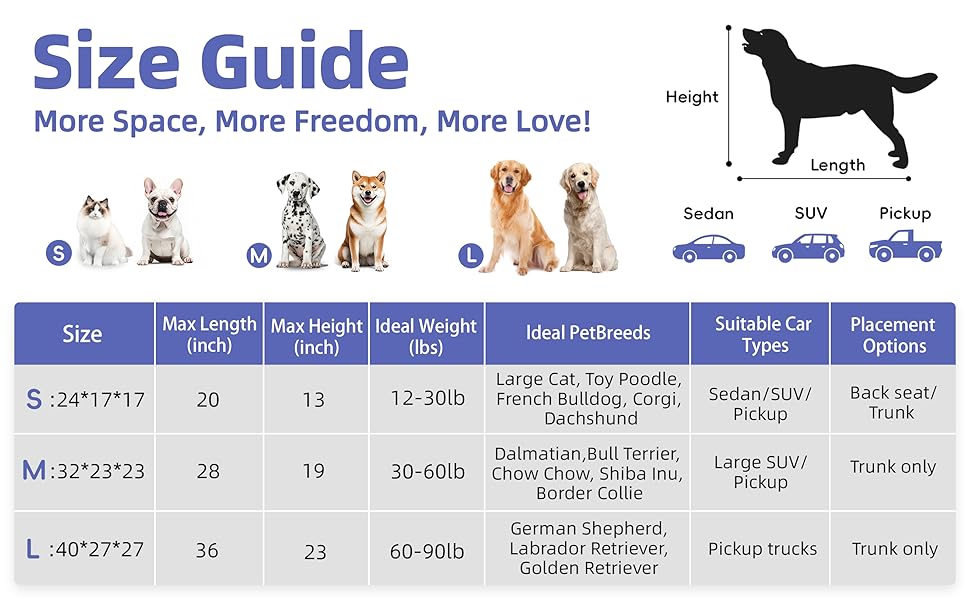
The size of your dog’s crate plays a crucial role in his comfort. It should be large enough for him to stand, turn around, and lie down comfortably, but not so spacious that he has room to separate areas for sleeping and pooping. A well-sized crate can help your dog feel more at ease, encouraging him to keep it clean. Think about your dog’s growth if he’s still a puppy—consider an adjustable crate that can expand as he grows. Have you ever felt cramped in a tiny room? Imagine your dog’s frustration if his crate is too small. Proper sizing is not just about space; it’s about creating a sense of security without overwhelming him.Cleanliness
A clean crate is essential for your dog’s hygiene and comfort. Regular cleaning helps eliminate odors and discourages him from using it as a bathroom. Use pet-safe cleaning products and wash bedding frequently. A fresh environment can promote a healthier mindset and discourage unwanted behavior. Consider setting up a cleaning schedule. Just as you enjoy fresh sheets, your dog will appreciate a clean, inviting space.Soothing Elements
Adding soothing elements to the crate can make it a more pleasant place for your dog. Soft bedding, favorite toys, or a piece of clothing with your scent can provide comfort. These items can act as stress relievers, helping your dog feel relaxed and less anxious. Wouldn’t you feel more at ease in a space filled with things you love? Experiment with different textures and materials to see what your dog prefers. The right combination can transform the crate from a place of confinement to a sanctuary. By ensuring the crate is appropriately sized, clean, and filled with comforting elements, you create an environment where your dog feels secure and less likely to soil his space.Consulting A Professional
When your dog keeps pooping in his crate, seeking professional help can be crucial. Experts can provide insights and solutions tailored to your dog’s needs. Consulting a professional ensures you’re addressing the root cause effectively. This approach can save time and prevent stress for both you and your dog.
Veterinarian Visits
A vet visit is essential for diagnosing health issues. Your dog’s behavior might indicate a medical problem. A veterinarian can perform a thorough check-up. They will assess if any underlying conditions exist. Resolving health problems can often solve the crate pooping issue.
Pet Behaviorist Advice
Pet behaviorists specialize in understanding animal behavior. They can identify triggers causing your dog’s crate pooping. A behaviorist will develop a tailored plan. This plan focuses on changing your dog’s habits. Their expertise can guide you in managing your dog’s behavior better.
Training Classes
Training classes help in reinforcing good habits. Professional trainers teach your dog commands and routines. This structured learning environment benefits behavior modification. Training classes also offer socialization opportunities. A well-trained dog is less likely to soil their crate.
Preventive Measures
Preventive measures are crucial when dealing with a dog that keeps pooping in his crate. Understanding the root cause of this behavior can help you implement effective strategies to address the issue. The goal is to ensure your furry friend feels comfortable, secure, and has proper habits to avoid accidents.
Regular Exercise
One effective preventive measure is ensuring your dog gets regular exercise. Physical activity helps to regulate their digestive system and reduce anxiety. Consider taking your dog for a walk or engaging in playtime multiple times a day. A tired dog is less likely to have accidents due to excess energy or stress.
Scheduled Bathroom Breaks
Establishing a routine for bathroom breaks is another key strategy. Dogs thrive on consistency. Schedule potty breaks at regular intervals throughout the day. You might notice patterns in your dog’s bathroom habits, allowing you to tailor the schedule to their specific needs. A predictable routine helps your dog learn when and where it’s appropriate to relieve themselves.
Monitoring Progress
It’s important to keep track of your dog’s progress. Are the accidents happening less frequently? Is your dog adapting to the new routine? Create a simple chart or journal to note changes in behavior and crate cleanliness. Regular updates help you assess what’s working and what might need adjustment. Are there specific times when accidents occur more often? Monitoring can lead you to insights that might otherwise go unnoticed.
Credit: www.petsradar.com
Frequently Asked Questions
Why Does My Dog Poop In His Crate?
Dogs may poop in their crate due to anxiety, lack of training, or health issues. Ensure your dog has regular potty breaks and a consistent routine. If the problem persists, consult a veterinarian to rule out medical conditions.
How Can I Stop Crate Pooping?
To stop crate pooping, establish a consistent potty schedule and provide proper crate training. Ensure your dog gets enough exercise and mental stimulation. If needed, consult a professional trainer for personalized guidance.
Is Crate Pooping A Sign Of Anxiety?
Yes, crate pooping can indicate anxiety in dogs. Dogs may feel stressed or fearful when confined. Address underlying anxiety issues with positive reinforcement, training, and creating a comfortable crate environment.
Can Diet Cause Crate Pooping In Dogs?
Yes, an inappropriate diet can lead to crate pooping. Ensure your dog’s diet is balanced and suitable for their age, size, and breed. Consult your veterinarian for dietary recommendations if you suspect food is causing the issue.
Conclusion
Understanding why your dog poops in his crate is crucial. It helps build trust and comfort. First, ensure the crate size fits your dog. Too small or too big can confuse him. Check his diet and feeding schedule. Any changes?
They might affect his digestion. Pay attention to his behavior. Is he stressed or anxious? Addressing these issues can improve his habits. Training and patience go hand in hand. Consistency is key. With care and attention, your dog can feel secure.
A happy dog means a happy home.

Similar Posts