Why Dog Breeding is Bad: Unmasking the Hidden Harms
Senior Canine Nutritionist & Dog Behavior Specialist at Cozy Dog Go Wellness Lab
Imagine walking into a pet store and being greeted by rows of adorable puppies with wagging tails and hopeful eyes. It’s hard not to fall in love instantly.
But have you ever wondered about the journey these puppies have endured to get there? Behind their heartwarming appearance lies a complex and often troubling practice: dog breeding. This seemingly innocent industry might be more harmful than you think, and it’s crucial for you to understand why.
As you navigate the truth behind those cute faces, you’ll uncover the hidden costs that go far beyond the price tag on a puppy. The impact on animal welfare, the ethical dilemmas, and the broader consequences for our furry friends are all topics you can’t afford to ignore. Stay with us as we delve into why dog breeding is bad and explore the surprising truths that every animal lover needs to know. Are you ready to discover what’s really happening behind the scenes?
Ethical Concerns
Dog breeding often raises significant ethical concerns that are hard to overlook. While some breeders prioritize the health and happiness of their dogs, many others prioritize profit, leading to serious moral dilemmas. These issues are not just about dogs; they reflect our values and responsibilities as caretakers of other living beings.
Moral Implications
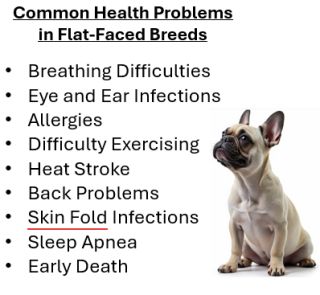
Consider how breeding decisions affect the lives of dogs. Breeders often select traits based on appearance rather than health, leading to generations of dogs with severe health issues. This practice questions our moral responsibility toward animals who depend entirely on us for their well-being.
Have you ever looked into the eyes of a dog struggling to breathe because of breeding-induced issues? It’s a stark reminder that our choices have life-altering consequences for these creatures. Your values are mirrored in how you treat those who can’t voice their suffering.
Profit Over Welfare
The harsh reality is that profit often takes precedence over the welfare of animals in the breeding industry. Many breeders focus on producing as many puppies as possible to maximize income, often at the expense of the animals’ health and happiness. This focus on quantity over quality leads to overcrowded conditions and inadequate care.
Imagine walking into a breeding facility and seeing rows of cages where dogs live their entire lives. Such conditions often lead to physical and mental stress for the animals. Is financial gain worth the price of a life filled with suffering and neglect?
As you consider the ethical implications of dog breeding, ask yourself what kind of world you want to support. Are you willing to contribute to a system that places profit above the well-being of sentient beings? Your choices can make a difference in shaping a more compassionate future.
Genetic Issues
Dog breeding often leads to genetic issues. Breeders may prioritize appearance over health, causing inherited diseases. This practice affects a dog’s quality of life.
Dog breeding can lead to genetic issues. Breeders often focus on appearance rather than health. This can cause many problems for the dogs. The genetic pool becomes limited. Breeding within a small group increases genetic defects. Dogs inherit health problems from their parents. These issues can cause suffering and high vet bills. Understanding genetic issues is important for pet owners.Health Complications
Many bred dogs face health complications. Their bodies may not develop properly. They can have problems with their bones and muscles. Breeding can lead to heart issues. Some dogs have breathing problems due to their small noses. Eye problems are common in some breeds. Dogs may suffer from skin diseases. These health issues can shorten a dog’s life.Inherited Disorders
Dogs can inherit disorders from their parents. Some disorders are serious and painful. Hip dysplasia is a common inherited disorder. It causes pain and limits movement. Epilepsy is another inherited problem. It can cause seizures. Some dogs inherit blindness. Deafness is also common in certain breeds. These disorders affect a dog’s quality of life.Impact On Animal Shelters
Animal shelters face challenges due to dog breeding. Many dogs end up abandoned. Shelters struggle to care for them. Breeding adds to the problem. It leads to more dogs in shelters. This creates difficulties for shelters.
Overpopulation Crisis
Breeding increases dog numbers. Shelters can’t handle the influx. Many dogs lack homes. Breeding worsens overpopulation. Dogs suffer from neglect. Abandoned dogs fill shelters. Limited space becomes a critical issue. Breeding contributes to this crisis.
Strain On Resources
Shelters face resource shortages. More dogs mean higher costs. Feeding and medical care are expensive. Staff work harder. They struggle to meet demands. Breeding adds pressure on shelters. It drains resources quickly. Shelters need more support.

Credit: www.four-paws.org.au
Behavioral Problems
Dog breeding often leads to behavioral problems in dogs. These issues can make life difficult for the dogs and their owners. Understanding these problems is crucial for anyone considering dog ownership.
Increased Aggression
Breeding can result in increased aggression in dogs. Some breeds are selected for traits like assertiveness. This can lead to more aggressive behavior. Aggressive dogs can pose risks to people and other animals. Proper training may help, but the root cause often lies in breeding practices.
Anxiety And Stress
Bred dogs may suffer from anxiety and stress. Many are raised in poor conditions, lacking socialization. This can cause anxiety in new environments or around strangers. Stress in dogs can lead to destructive behaviors. It also affects their health and well-being. Addressing these issues requires patience and understanding.
Environmental Footprint
Dog breeding has a significant impact on the environment. The process requires substantial resources and contributes to pollution. Understanding the environmental footprint of dog breeding reveals its hidden costs.
Resource Consumption
Dog breeding demands high resource consumption. Breeders need facilities, food, and water. These resources strain the environment. Large breeding operations often use excessive water. They consume more energy for maintaining breeding environments. This increases the demand for natural resources.
Waste And Pollution
Breeding dogs generates waste and pollution. Animal waste from breeding facilities can harm ecosystems. It can contaminate local water sources. Breeding operations often use chemicals for cleaning. These chemicals contribute to pollution. Waste from packaging dog food adds to environmental damage. It ends up in landfills, increasing pollution.
Credit: www.psychologytoday.com
Alternatives To Breeding
Many dog lovers question breeding’s ethical implications. Opting for alternatives can make a difference. By choosing to adopt or support rescue organizations, we can help reduce the demand for breeding. This approach not only saves lives but also promotes responsible pet ownership. Let’s explore these alternatives further.
Adoption Benefits
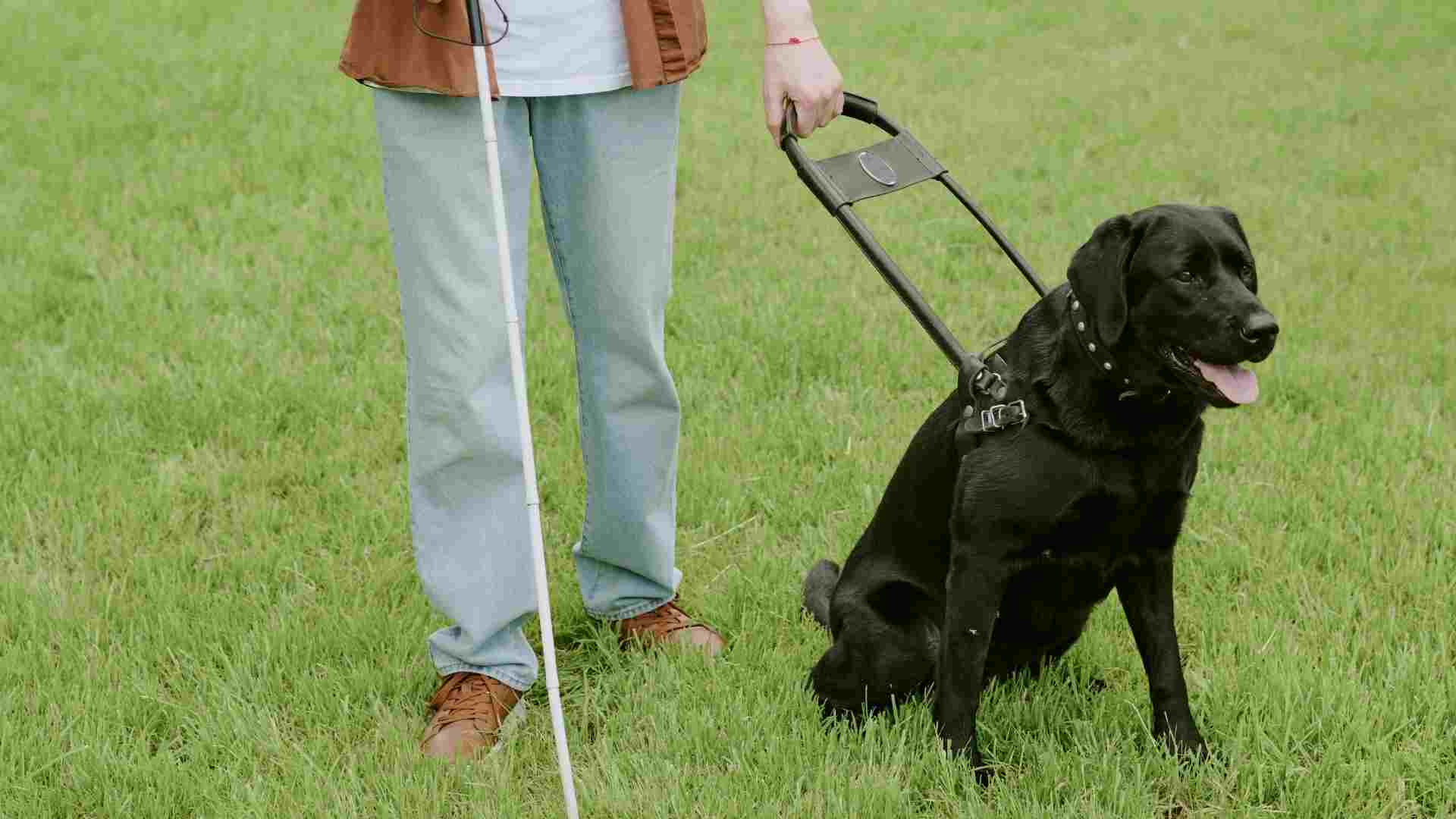
Adopting a pet from a shelter has many advantages. It gives a homeless dog a second chance at life. Shelters are filled with dogs of all breeds and ages. There, you’ll likely find a perfect match for your family. Adoption fees are often lower than buying from breeders. This makes it a more affordable option. Adopting also helps combat the overpopulation problem. By choosing adoption, you take a stand against unethical breeding practices.
Supporting Rescue Organizations
Rescue organizations play a crucial role in saving dogs. They provide care and rehabilitation for abandoned pets. Supporting them through donations or volunteering makes a big impact. Such organizations depend on community help to continue their mission. By volunteering, you can help socialize dogs. This increases their chances of finding a forever home. Donating supplies or funds supports their daily operations. It ensures dogs receive the care they need.

Credit: www.blackburnromey.com
Frequently Asked Questions
Why Is Dog Breeding Harmful?
Dog breeding can lead to genetic disorders, overpopulation, and health issues in dogs. Breeders often prioritize profit over animal welfare. Breeding also neglects shelter dogs needing homes. Ethical considerations and awareness are essential to reduce negative impacts on dog populations and promote responsible pet ownership.
What Are The Ethical Concerns In Dog Breeding?
Ethical concerns include exploitation, poor living conditions, and neglect. Breeders may prioritize appearance over health, causing suffering. Overpopulation from breeding increases euthanasia rates in shelters. Promoting adoption and responsible breeding practices can address these ethical issues, ensuring better care and welfare for dogs.
How Does Dog Breeding Affect Shelter Dogs?
Dog breeding contributes to overpopulation, leading to more shelter dogs and higher euthanasia rates. Breeders often ignore shelter animals, which need homes. Encouraging adoption can reduce these numbers and provide loving homes to dogs in need, improving their quality of life and reducing shelter overcrowding.
Are There Health Risks In Dog Breeding?
Yes, dog breeding can cause health problems from genetic disorders and inbreeding. Breeders may prioritize appearance, neglecting health concerns. This can lead to issues like hip dysplasia and heart problems. Responsible breeding and awareness can minimize these risks, promoting healthier and happier dogs.
Conclusion
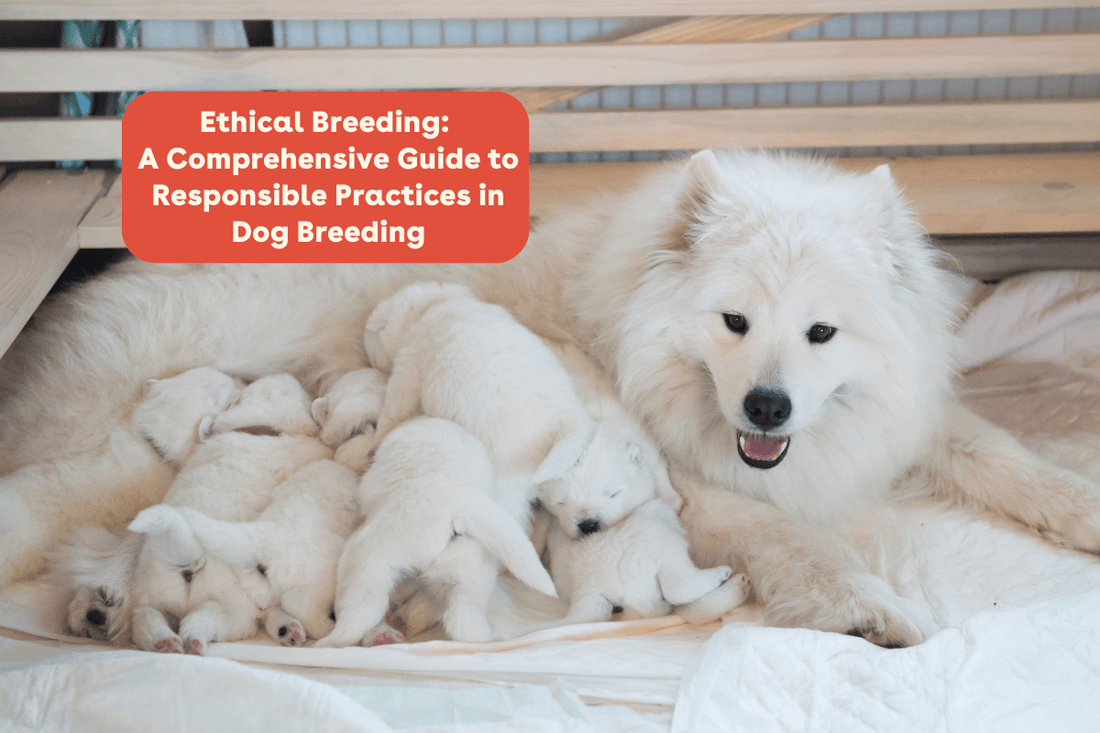
Dog breeding raises serious concerns. Many dogs face health issues. Breeders often prioritize profit over welfare. This leads to suffering. Neglect and abuse are common in puppy mills. Animal shelters overflow with unwanted dogs. Adopting rescues saves lives. It’s a compassionate choice.
Supporting ethical practices is crucial. Breeding regulations need improvement. Awareness can drive change. Educate others on these issues. Responsible pet ownership matters. Choose adoption over buying. This helps stop cruelty. Every choice counts in reducing harm. Let’s protect dogs and support humane solutions.
Together, we can make a difference.

Similar Posts