Can a Shock Collar Kill a Dog? Uncover the Truth
Senior Canine Nutritionist & Dog Behavior Specialist at Cozy Dog Go Wellness Lab

Are you worried about using a shock collar on your dog? You’re not alone.
Many pet owners share the same concern: can a shock collar kill a dog? The thought of harming your beloved pet is terrifying. Shock collars are often used for training, but their safety and effectiveness are hotly debated. You love your furry friend and want the best for them, so understanding the risks is crucial.
We’ll explore the facts and myths about shock collars, helping you make an informed decision. Keep reading to discover the truth about these controversial devices and ensure your pet’s safety.
Shock Collar Basics
Shock collars are controversial tools used in dog training. They deliver electric shocks to modify a dog’s behavior. Understanding their basics is crucial for any dog owner considering this option. The following sections explore how these collars work and their different types.
How Shock Collars Work
Shock collars consist of a receiver and a remote control. The receiver is attached to the dog’s collar. The remote is operated by the owner. When activated, the collar delivers an electric shock to the dog. The shock aims to discourage unwanted behavior. The intensity of the shock can often be adjusted. This feature allows for varying levels of correction.
Some collars offer additional features. These include vibration and sound modes. These features provide alternative ways to communicate with the dog. The goal is to create an unpleasant sensation. This sensation is intended to stop the unwanted behavior.
Types Of Shock Collars
There are several types of shock collars available. Each type serves a different purpose:
- Basic Shock Collars: These provide a simple electric shock. They are used for basic behavior correction.
- Remote-Controlled Collars: These allow the owner to control the shock manually. They are useful for training specific commands.
- Bark Control Collars: These are triggered by the dog’s bark. They aim to reduce excessive barking.
- Invisible Fence Collars: These work with a boundary system. They keep the dog within a designated area.
Understanding these types helps in choosing the right collar. Each type serves a unique training purpose. It’s important to select the collar that aligns with your training goals.

Credit: www.amazon.com
Potential Risks
Shock collars are often used for dog training. People hope to correct unwanted behaviors. These devices deliver electric pulses to the dog’s neck. While they may seem effective, they come with significant risks. Understanding these risks is crucial for responsible pet care. Let’s explore the potential dangers.
Physical Harm To Dogs
Shock collars can cause burns on the skin. These burns may become infected if not treated. The electric pulse can lead to muscle contractions. This can be painful and distressing for the dog. Long-term use may cause damage to the neck area. Some dogs may develop open sores. This can create ongoing health issues.
Psychological Effects
Shock collars can affect a dog’s mental health. Dogs may become anxious or fearful. The sudden shock can lead to confusion. It may make the dog scared of certain environments. This fear can impact their behavior negatively. Some dogs might develop aggression. This can pose risks to other pets and people. The collar can break the trust between pet and owner.
Can Shock Collars Cause Fatalities?
Shock collars can harm dogs if used improperly. High voltage or prolonged use can lead to severe injuries. Responsible use is crucial to prevent any fatal risks.
Can shock collars cause fatalities? The safety of shock collars for dogs sparks concern among pet owners. These devices are designed to manage behavior through electric impulses. The debate centers around their potential harm. Understanding the risks is crucial for responsible pet care.Case Studies And Reports
Various studies have explored the effects of shock collars on dogs. Some findings highlight severe stress and physical injuries. Reports indicate cases of burns and nerve damage. In extreme scenarios, fatalities occurred due to misuse. These incidents underscore the need for caution. Awareness of these dangers helps prevent tragic outcomes.Factors Contributing To Death
Several factors may lead to fatalities from shock collars. Incorrect settings can deliver overly intense shocks. Long durations of use increase risk. Pre-existing health issues in dogs are another concern. Smaller breeds are more susceptible to harm. Improper collar placement can cause significant distress. Understanding these factors ensures safer use.
Credit: www.amazon.com
Alternatives To Shock Collars
Shock collars can cause harm. Many pet owners seek gentler methods. Safer alternatives focus on building trust and communication. Let’s explore some effective options.
Positive Reinforcement Techniques
Positive reinforcement encourages good behavior. Reward your dog when it behaves well. Use treats, praise, or toys as rewards. This method strengthens bonds. It makes training enjoyable for your pet.
Consistency is key. Reward your dog promptly. It helps them connect the action with the reward. Over time, your dog learns to repeat good behavior. Positive reinforcement builds confidence and trust.
Other Training Tools
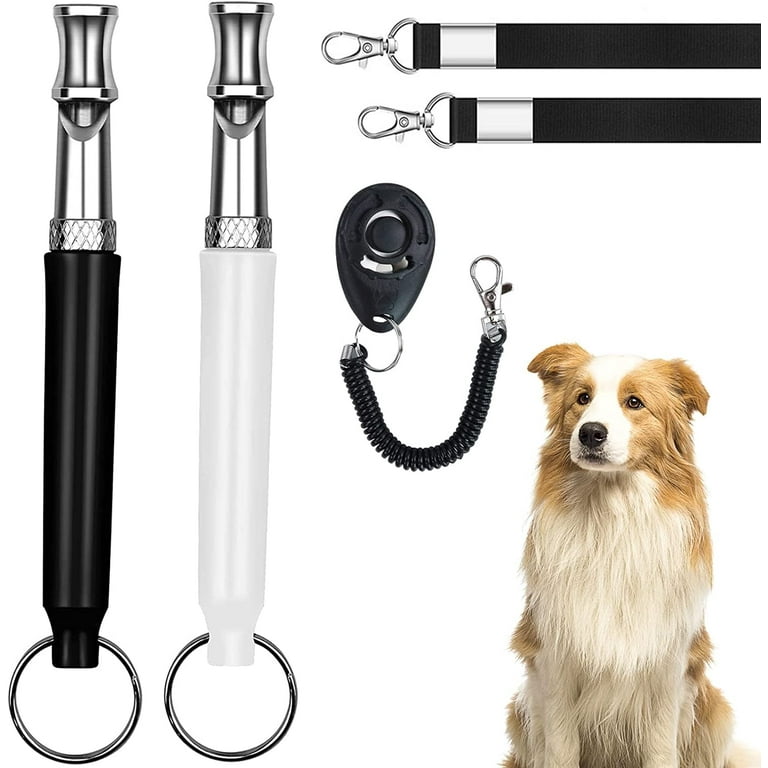
Training tools can help. Clickers are popular. A clicker makes a sound when pressed. The sound marks good behavior. Follow the click with a treat. This method is clear and effective.
Gentle leaders are another option. They guide your dog’s head. This tool helps redirect focus. It reduces pulling during walks. Gentle leaders are humane and comfortable.
Harnesses are useful too. They distribute pressure evenly. Harnesses prevent choking or discomfort. They are ideal for active dogs. Choose one that fits well and is easy to adjust.
- Clicker training: Pairs sound with rewards.
- Gentle leaders: Guides without force.
- Harnesses: Provides comfort and control.
Expert Opinions
Expert opinions warn about the potential dangers of shock collars. While rare, improper use can cause severe harm or even death. Always consult a professional before using one.
When it comes to the use of shock collars on dogs, expert opinions vary significantly. While some professionals see these devices as a necessary tool for training, others raise concerns about their safety and ethical implications. Understanding the perspectives of veterinarians and trainers can help you make an informed decision about whether a shock collar is suitable for your furry friend.Veterinary Perspectives
Veterinarians often emphasize the potential risks shock collars pose to a dog’s health. These devices can cause physical harm, such as burns or skin irritation, if used improperly. Moreover, the psychological impact on dogs can be profound, leading to increased anxiety or aggression. Veterinarians advocate for humane training methods that prioritize the animal’s well-being. They suggest alternatives like positive reinforcement, which can be just as effective without the risk of harm. Are you willing to explore methods that nurture your dog’s trust and confidence?Trainer Insights
Dog trainers have varied opinions about shock collars. Some argue that, when used correctly, these tools can aid in curbing dangerous behaviors swiftly. However, proper usage is crucial, and many trainers stress the importance of professional guidance to avoid misuse. Trainers who favor shock collars often recommend them for specific situations, like off-leash training in safe environments. They caution against using them as a first resort, advising you to exhaust other training techniques first. Have you considered consulting a professional to tailor training to your dog’s specific needs? Ultimately, the decision to use a shock collar should be made with careful consideration of expert opinions and your dog’s individual temperament.
Credit: www.amazon.com
Legal And Ethical Considerations
Understanding the legal and ethical considerations of using shock collars is crucial. These devices can harm dogs if misused, potentially leading to fatal consequences. Proper guidance and humane alternatives should be explored to ensure the safety and well-being of pets.
Legal and ethical considerations surrounding shock collars are crucial. These devices can train but may harm dogs. Public concern has grown about their safety and humane use. Understanding the rules and moral debates is essential.Regulations On Shock Collar Use
Different countries have varied laws on shock collars. Some places ban them due to potential harm. Others regulate to ensure safe usage. Regulations often focus on voltage levels and frequency of use. Users must know local laws to avoid penalties. Proper education on safe shock collar use is vital.Ethical Debate
The ethical debate on shock collars is intense. Critics argue they cause unnecessary distress. Supporters claim they are effective training tools. Ethical concerns focus on pain and anxiety in dogs. Many animal welfare groups oppose their use. Some advocate for humane alternatives like positive reinforcement. Balancing effectiveness and compassion remains a challenge.Frequently Asked Questions
Can A Shock Collar Harm A Dog?
Shock collars can cause physical and psychological harm to dogs. They deliver electric shocks that might lead to burns, anxiety, or fear. It’s crucial to use them responsibly and consider alternative training methods to ensure your dog’s safety and well-being.
Are Shock Collars Safe For Training?
Shock collars can be risky if used improperly. They may cause stress or fear in dogs. Always follow manufacturer guidelines and consider consulting a professional trainer. Positive reinforcement techniques are often safer and more effective for training.
How Do Shock Collars Work?
Shock collars deliver an electric current to the dog’s neck when activated. They are used to deter unwanted behavior by associating it with discomfort. However, their effectiveness and safety are debated, with many experts recommending alternative training methods.
Do Vets Recommend Shock Collars?
Many vets do not recommend shock collars due to potential harm. They often advocate for positive reinforcement methods instead. It’s important to consult with a veterinarian or a professional trainer before using a shock collar on your pet.
Conclusion
Shock collars can pose serious risks to dogs. These devices may cause pain. Stress. Physical harm. While not all collars are lethal, they can be dangerous. Responsible pet care means considering safer training options. Positive reinforcement. Gentle methods. Understanding your dog’s needs is crucial.
Choosing humane alternatives is wise. Always consult a professional for guidance. Your pet deserves love and respect. Safety should be the priority. Avoid fear-based training tools. Remember, a happy dog is a well-trained dog. Make informed choices for your furry friend.
Your dog’s well-being matters. Always choose kindness over convenience.

Similar Posts