Can a Dog Bark With a Muzzle on: Unveiling Truths
Senior Canine Nutritionist & Dog Behavior Specialist at Cozy Dog Go Wellness Lab

Have you ever wondered what happens when you put a muzzle on your dog? Can they still bark, or does it silence them completely?
If you’re a dog owner, this question might have crossed your mind, especially if you’re considering using a muzzle for training or safety reasons. Understanding how a muzzle works and its impact on your furry friend’s ability to communicate is crucial.
We’ll unravel the mystery of whether a dog can bark with a muzzle on, providing you with insights that could enhance your pet’s well-being and your peace of mind. Stay with us to discover how you can make informed decisions for your beloved canine companion.
Understanding Dog Muzzles
Choosing a muzzle for your dog can be important for safety. Dogs can still bark with most muzzles on. Muzzles prevent biting but allow limited vocalization.
Understanding Dog Muzzles Dog muzzles often spark curiosity and sometimes concern among pet owners. They can appear intimidating, yet they serve vital purposes in various situations. Understanding how and why to use a muzzle can help you ensure your dog’s safety and comfort.Purpose Of Muzzles
Muzzles are not just tools for aggressive dogs. They are crucial in preventing bites during vet visits or grooming sessions. If your dog is anxious or in pain, a muzzle can protect both your pet and others. Training a dog with a muzzle can also help in situations where they might eat harmful objects. This is particularly useful during walks in areas with potential hazards. Safety should always be your top priority.Types Of Muzzles
There are several types of muzzles available to suit different needs. Basket muzzles allow dogs to pant and drink, making them ideal for longer use. They are often recommended by trainers for their comfort and functionality. Soft muzzles are made from fabric and are suited for short periods. They can be great for quick vet visits or grooming sessions. However, they restrict panting, so use them with caution.Materials Used
Muzzles are made from various materials, each with its advantages. Leather muzzles are durable and often custom-fit for comfort. They provide a sturdy option that can last for years. Plastic muzzles are lightweight and easy to clean. They’re a practical choice for everyday use. Nylon muzzles offer a softer alternative, though they might not be as durable. When choosing a muzzle, consider your dog’s needs and the situations you’ll use it in. Would a lightweight plastic muzzle work best for quick errands, or do you need the durability of leather for training sessions? Always prioritize your dog’s comfort and safety.
Credit: collardirect.com
Impact On Barking Ability
Understanding the impact of muzzles on a dog’s barking ability can be enlightening for dog owners who want to balance safety and communication. While muzzles serve as an essential tool to prevent biting and chewing, they also affect how a dog expresses itself through barking. Are you curious about how different types of muzzles can alter a dog’s natural vocalization?
How Muzzles Affect Barking
Not all muzzles silence a dog completely; rather, they often restrict the range and volume of barking. Some dogs may still manage to bark with a softer tone, while others might be unable to bark at all. When a muzzle is fitted, it can limit the movement of the dog’s jaw, which is crucial for producing sound. However, you might notice that some dogs adapt by making muffled sounds or whining instead.
It’s similar to speaking with your mouth covered; your voice is still there, but it’s less pronounced. This change might be unsettling for dogs used to expressing themselves vocally. Have you ever noticed how your dog communicates differently when wearing a muzzle?
Variations By Muzzle Type
- Basket Muzzles:These allow more freedom for panting and barking. The design lets dogs open their mouths slightly, making soft barks possible. If your dog is a gentle barker, this type might not significantly mute their voice.
- Soft Muzzles:Usually made from fabric or mesh, these muzzles can be more restrictive. They often prevent dogs from opening their mouths wide, greatly reducing barking ability. Have you tried one of these and noticed a change in your dog’s vocal habits?
- Tube Muzzles:Designed for short-term use, they typically prevent barking almost entirely. These are snug, leaving little room for mouth movement. If your dog is quiet and reserved, this might be an option to consider.
Every dog reacts differently to muzzles, and experimenting with various types can help you find the best balance for your furry friend. Would you consider trying different muzzle types to see how they affect your dog’s ability to bark?
Reasons For Muzzling Dogs
Dog muzzles often stir up a lot of questions and concerns. Many wonder why someone would muzzle their pet. Muzzling isn’t always about silencing a bark. It’s about ensuring safety and aiding training.
Safety Concerns
Muzzles can prevent biting incidents. Dogs may bite out of fear or pain. Muzzling can protect other animals and people. It also prevents dogs from eating harmful objects. This keeps the dog safe from toxic substances.
Behavioral Training
Some dogs have aggressive tendencies. Muzzles help manage aggression during training. They are tools for trainers and dog owners. Muzzles can assist in desensitizing a dog. Over time, the dog learns to stay calm.

Credit: www.amazon.com
Misconceptions About Muzzles
Muzzles often get a bad reputation. Many people misunderstand their purpose. They see muzzles as tools of aggression or punishment. But this is not true. Muzzles can be beneficial for both dogs and owners.
Muzzles And Aggression
Many believe muzzles make dogs aggressive. This is a common misconception. Muzzles do not make a dog mean. Instead, they prevent potential bites. They are a safety measure, not an aggression trigger. Dogs may wear muzzles during training or vet visits. This helps ensure everyone’s safety. Muzzles can calm anxious dogs too. They provide a sense of security and control.
Muzzles As Punishment
Some think muzzles are a form of punishment. This is not the case. Muzzles should never be used to discipline a dog. They are not a tool for correcting bad behavior. Instead, they are protective gear. They safeguard both the dog and those around it. Muzzles should be introduced positively. This helps the dog associate it with good experiences.
Alternatives To Muzzling
Dog muzzles can control barking, but alternatives exist. These methods focus on understanding and addressing the root causes. Let’s explore some effective alternatives that encourage positive behavior.
Training Techniques
Training helps dogs learn new behaviors. Consistent practice is key. Start with basic commands like “sit” or “stay.” Reward good behavior with treats or praise. Over time, introduce more complex commands. Patience and consistency are crucial. A well-trained dog is less likely to bark excessively.
Behavior Modification Tools
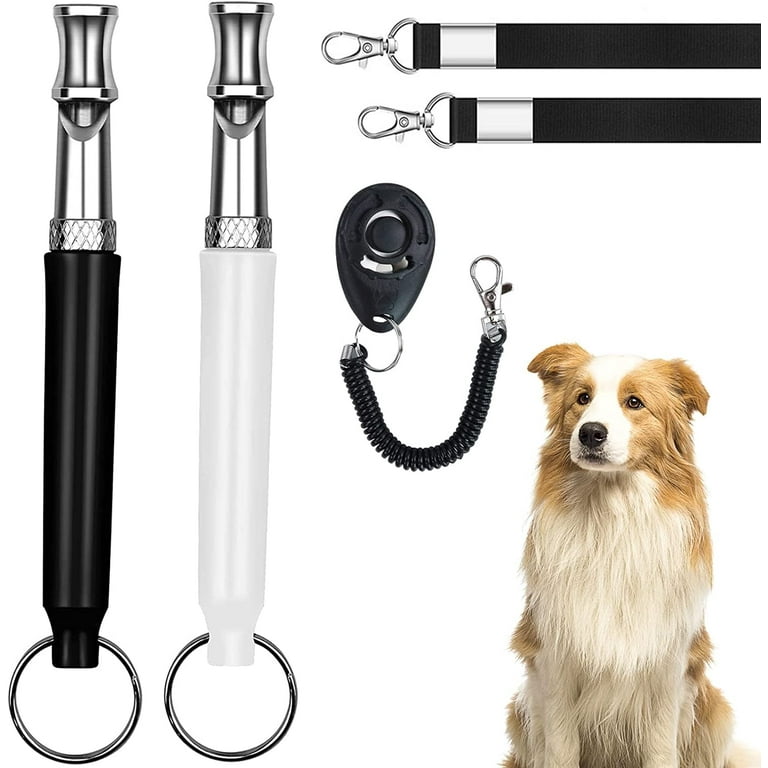
Behavior modification tools can be very helpful. Use clickers to reinforce positive behaviors. Vibrating collars can redirect attention without causing harm. Interactive toys keep dogs engaged and mentally stimulated. These tools, combined with training, can reduce unwanted barking. Choose tools that suit your dog’s needs and personality.

Credit: www.ebay.com.au
Choosing The Right Muzzle
Selecting the right muzzle ensures safety and comfort for dogs. Dogs can bark with a muzzle, but it reduces noise and stress. Choose a muzzle that fits well to allow panting and drinking.
Choosing the right muzzle for your dog is crucial not only for their safety but also for their comfort. A muzzle should never be a tool of punishment but a responsible way to manage your dog’s behavior in specific situations. It’s essential to find a muzzle that allows your furry friend to pant, drink water, and even bark, albeit in a muffled way.Comfort And Fit
Ensuring the muzzle fits properly is key to your dog’s comfort. A well-fitted muzzle should sit snugly on their snout without being too tight. You don’t want it to rub or cause any discomfort, especially if it’s worn for extended periods. Consider your dog’s breed and snout shape when selecting a muzzle. Some muzzles are specifically designed for short-nosed breeds, while others cater to longer snouts. Always measure your dog’s snout before purchasing.Durability And Safety
Durability is a vital factor in choosing the right muzzle. You want a product that can withstand some wear and tear, especially if your dog is active. Look for muzzles made from sturdy materials like leather or strong plastics. Safety should never be compromised. Ensure there are no sharp edges or small parts that could harm your dog. A good muzzle should have secure straps that prevent it from slipping off but are easy for you to adjust. In the past, I found a muzzle that seemed perfect until my dog managed to chew through it in a matter of days. Lesson learned: always opt for durability and safety when making your choice. Have you ever considered how a poorly fitted muzzle could impact your dog’s behavior? A comfortable and safe muzzle can make all the difference in ensuring your dog stays calm and happy.Frequently Asked Questions
Can Dogs Bark With A Muzzle On?
Yes, dogs can bark with a muzzle on. Muzzles limit mouth movement but don’t silence barking. Some muzzles restrict barking more than others. It’s important to choose the right type for your dog’s needs. Consult with a vet or trainer if you’re unsure about the best option.
What Is The Purpose Of A Dog Muzzle?
Dog muzzles prevent biting, chewing, and barking. They can help with safety during vet visits or training. Muzzles also prevent unwanted eating. It’s vital to ensure the muzzle fits correctly. A comfortable fit ensures your dog can pant and breathe easily.
Are Muzzles Safe For Dogs To Wear?
Muzzles are safe when used correctly and for short periods. They should allow for panting and drinking. Never leave a muzzled dog unsupervised. Choose a muzzle that fits well and doesn’t restrict breathing. Consult a vet or trainer for advice on proper usage.
How Do I Choose The Right Muzzle For My Dog?
Choose a muzzle based on your dog’s breed, size, and needs. Basket muzzles allow more freedom for panting and drinking. Soft muzzles are better for short-term use. Ensure the muzzle fits snugly but comfortably. Consult a vet for guidance if unsure.
Conclusion
Dogs can bark with a muzzle on, but it’s muffled. Muzzles limit noise without causing harm. They’re useful tools for safety and training. Choosing the right muzzle ensures comfort and effectiveness. Always supervise dogs while muzzled. Check that it fits properly.
Train your dog to get used to it gradually. This helps reduce stress. Muzzles aren’t for long-term use. They serve specific purposes. Know when and how to use them. This ensures a happy and safe experience for your furry friend.
Always prioritize your dog’s well-being.

Similar Posts