Can Dog Whistles Stop Barking: A Quiet Solution?
Senior Canine Nutritionist & Dog Behavior Specialist at Cozy Dog Go Wellness Lab
Have you ever found yourself on the verge of tearing your hair out because your dog just won’t stop barking? Whether it’s the neighbor’s cat, the mailman, or a leaf falling from a tree, your furry friend seems to find a reason to bark at everything.
You’re not alone. Many dog owners face this noisy dilemma, and it can be both frustrating and embarrassing. Enter the mysterious world of dog whistles. You might have heard whispers about their magical ability to silence even the most vocal pooch.
But do they really work? Can a simple whistle transform your chaotic household into a peaceful haven? Before you rush to buy one, let’s delve into the science and reality behind dog whistles and their effectiveness in curbing excessive barking. Stick around, because understanding this could be the key to restoring harmony in your home.
Dog Whistles: An Overview
Dog whistles have intrigued pet owners for ages. These small devices promise to control barking. But how do they work? Let’s explore the fascinating world of dog whistles.
History Of Dog Whistles
Dog whistles date back to the 19th century. Sir Francis Galton invented them in 1876. He created the whistle to study animal hearing. Over time, trainers saw their potential. They became popular for training dogs and other animals. Today, they are a common tool in canine care.
How Dog Whistles Work
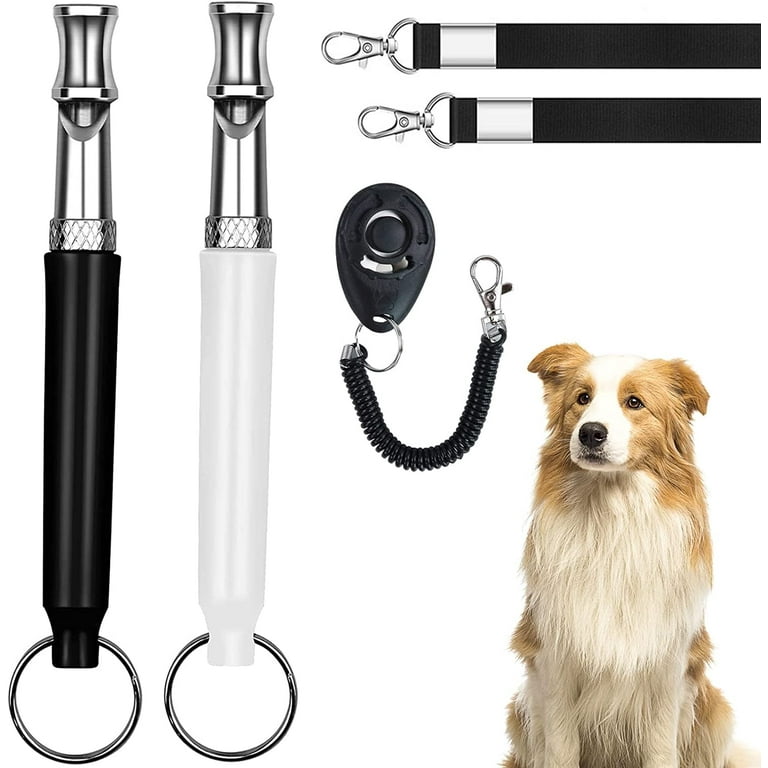
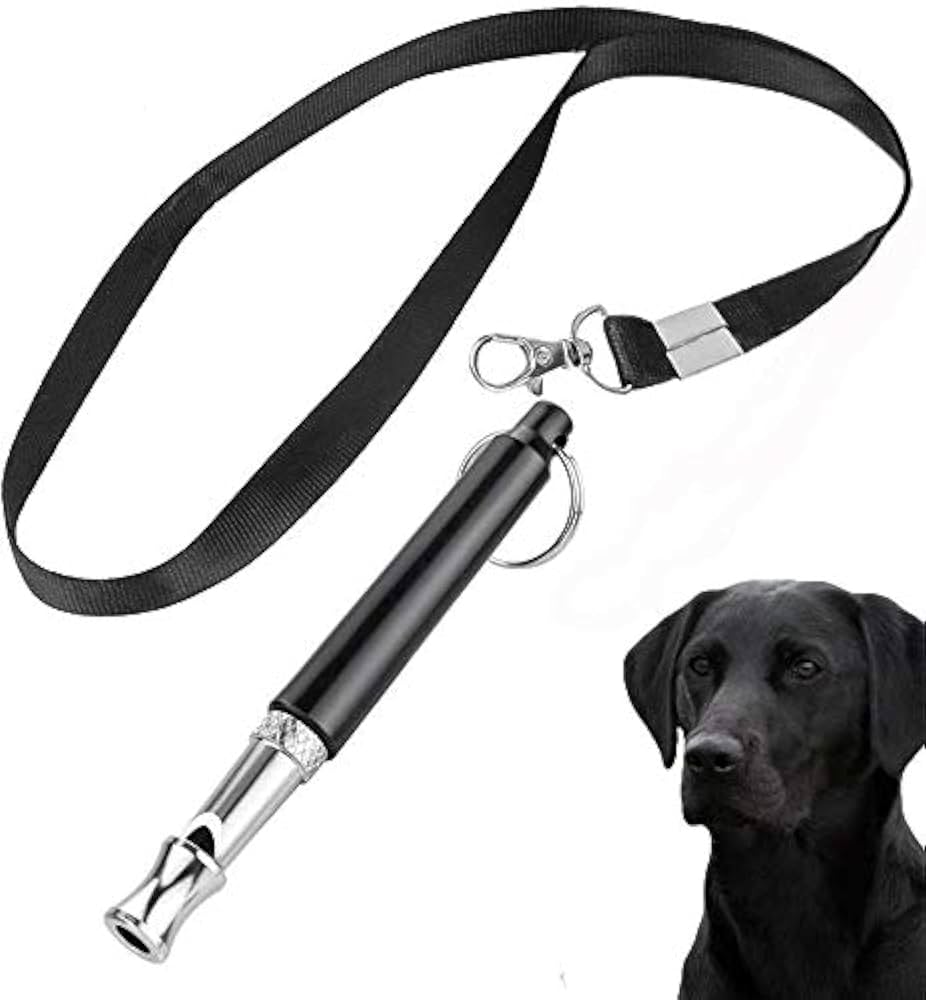
Dog whistles produce a high-pitched sound. Humans can’t hear it. Dogs can, thanks to their sensitive hearing. The sound captures a dog’s attention. It can interrupt unwanted barking. Consistent use helps train dogs to stop barking. It sends a clear signal to the dog. This makes it an effective training tool.

Credit: www.amazon.ca
Barking: Causes And Concerns
Understanding why dogs bark is crucial for pet owners. Barking can be a normal behavior. But it can also indicate issues. Excessive barking may cause concern. It may disrupt households and neighborhoods. Knowing the reasons behind barking helps manage it effectively.
Reasons Dogs Bark
Dogs bark for various reasons. They may bark to communicate. Alert barking is common. Dogs warn of strangers or unusual sounds. They bark when excited. Playful barking happens during games. Dogs may bark when anxious. Separation anxiety often triggers barking. Attention-seeking barking occurs too. Dogs want interaction or food. Identifying the reason helps address the behavior.
Impact Of Excessive Barking
Excessive barking can affect daily life. It may lead to noise complaints. Neighbors might get annoyed. It can stress the dog. Constant barking tires them out. It may indicate health issues. Dogs could be in pain or discomfort. Owners may feel frustrated. They might struggle with the noise. Understanding the impact encourages finding solutions.
Dog Whistles And Bark Control
Dog whistles have long been a tool in the canine training arsenal, often hailed for their ability to control barking. These silent wonders emit a high-frequency sound that is inaudible to humans but can capture a dog’s attention. But how effective are they really in managing your dog’s noisy habits? Let’s explore the potential of dog whistles in bark control and how you can leverage them for a more peaceful household.
Effectiveness Of Dog Whistles
Dog whistles can be surprisingly effective in reducing excessive barking. Their high-frequency sound can interrupt the barking cycle, allowing you to redirect your dog’s attention. While not a magic bullet, many owners find them useful for immediate bark control.
Consistency is key. If your dog responds positively, regular use can help reinforce quiet behavior. However, some dogs may require additional training, as the whistle alone may not address underlying causes of barking.
Consider the environment. If your dog barks due to external stimuli, like other animals or noises, a whistle can help refocus their attention on you rather than the distraction.
Training Techniques With Whistles
Training with a dog whistle involves more than just blowing it when your dog barks. Start by associating the sound with positive reinforcement. Reward your dog immediately after using the whistle when they stop barking.
- Begin with short sessions. Use the whistle for only a few minutes at a time to avoid overwhelming your dog.
- Pair the whistle with a command. Teach your dog to associate the sound with a command like “quiet” or “enough” for clearer communication.
- Maintain patience. Training takes time, and not all dogs will respond immediately. Consistency and positive reinforcement are your best allies.
Have you tried other methods? If traditional training hasn’t been effective, integrating a whistle might offer the breakthrough you need. Reflect on your dog’s behavior and adapt the strategy to suit their personality.
Ultimately, dog whistles can be a valuable tool in your training toolkit. They can offer a unique way to communicate with your dog, promoting a calmer environment for both of you.

Credit: kmccberwick.ca
Alternative Solutions To Barking
While dog whistles have been a traditional method to curb excessive barking, they might not always be effective for every dog. If you’re searching for alternative solutions, there are several methods you can explore to manage your dog’s barking behavior more effectively. Let’s dive into some practical and innovative approaches that can help you create a more peaceful environment.
Behavioral Training Methods
Training is one of the most effective ways to address barking. Positive reinforcement can encourage your dog to stay quiet when required. Reward your dog with treats or affection whenever they remain calm in situations that usually trigger barking.
Consistency is key. Establish clear commands like “quiet” or “enough” and use them every time your dog starts barking unnecessarily. Over time, your dog will learn to associate these commands with the action of stopping barking.
Consider enrolling in a dog training class where professionals can guide you on specific techniques tailored to your dog’s needs. They can provide valuable insights and personalized strategies to ensure effective communication between you and your pet.
Technology-based Solutions
In today’s digital age, technology offers innovative solutions to manage dog barking. Devices such as ultrasonic bark control units emit sounds that only dogs can hear, discouraging them from barking excessively.
There are also smart collars available that can monitor your dog’s barking patterns and automatically provide feedback to help reduce their barking. These collars often come with mobile apps that allow you to track progress and customize settings according to your dog’s behavior.
Home security systems with integrated pet monitoring features can alert you to any unusual barking patterns. This allows you to address the issue promptly and identify any external factors contributing to your dog’s barking.
Have you tried any technology-based solutions for your dog’s barking? They might be worth considering if traditional methods haven’t worked for your furry friend.
Considerations For Dog Owners
Dog whistles offer a potential solution for excessive barking. Before using them, dog owners should consider various aspects. Understanding the root causes of barking is crucial for choosing effective solutions. Tailoring strategies to individual dogs can lead to better results.
Choosing The Right Solution
Dog whistles vary in frequency and design. Select one that suits your dog’s hearing sensitivity. Test different whistles to find the most effective option. Consult with a veterinarian to ensure the whistle is safe for your pet.
Evaluate other solutions too. Training methods may work alongside whistles. Consistency in approach ensures greater success. Combine strategies for a balanced approach to barking control.
Understanding Dog Behavior
Barking can indicate various needs or emotions. Dogs may bark out of boredom, fear, or excitement. Identifying the cause helps tailor the response. Observe your dog’s behavior to understand triggers.
Be patient with behavioral changes. Training takes time and patience. Positive reinforcement encourages desired behavior. Avoid harsh methods that cause stress or anxiety.
Understanding your dog’s needs strengthens your bond. A calm, well-adjusted dog is less likely to bark excessively. Aim for a nurturing environment to support your dog’s well-being.

Credit: www.amazon.ca
Expert Opinions On Dog Whistles
Dog whistles have been used for years to manage barking. Experts have mixed opinions on their effectiveness. Understanding these insights can help dog owners make informed choices.
Veterinary Insights
Many veterinarians believe dog whistles can be useful tools. They emit a high-pitched sound that only dogs hear. This can grab a dog’s attention without causing harm. Vets often recommend them to address nuisance barking. Yet, they stress consistency in use for best results.
Some vets caution against relying solely on whistles. They emphasize addressing the root cause of barking. Stress, boredom, or medical issues might lead to excessive barking. A holistic approach, combining tools and behavior analysis, often works best.
Professional Trainers’ Views
Professional trainers often see value in dog whistles. They use them to reinforce commands and improve focus. Whistles can be effective in training sessions, especially for recall. Trainers argue that they are humane and non-invasive.
Some trainers advise caution with whistles. They warn that misuse might confuse dogs. Timing is crucial. Inappropriate use can lead to mixed signals. Proper training techniques should accompany whistle usage for clarity.
Both vets and trainers agree on one thing. Dog whistles are just one tool in a toolbox. Combined with patience and understanding, they can help manage barking.
Future Of Bark Control
Exploring the future of bark control, dog whistles may offer a solution to excessive barking. These tools emit high-frequency sounds that only dogs can hear, potentially calming them. Effective and humane, they present a promising option for peaceful pet environments.
The future of bark control holds many possibilities. Technology and new methods are evolving rapidly. Dog owners seek solutions that are humane and effective. Dog whistles have been a popular choice for many years. Yet, advancements are paving the way for new innovations.Innovations In Bark Control
Innovative devices are being developed to address barking. These devices focus on gentle methods. Some use sound waves that only dogs can hear. Others rely on vibrations or gentle sprays. These methods aim to be more friendly to dogs. They also consider the comfort of pets and their owners. Smart collars are gaining popularity. They connect with smartphones and provide real-time feedback. Owners can track their dog’s behavior with ease. This helps in understanding triggers and patterns of barking.Trends In Pet Training
Pet training is also seeing new trends. Positive reinforcement remains a top choice. It encourages good behavior without fear or discomfort. Trainers now use apps to guide pet owners. These apps offer tips and track progress. Online courses for dog training are on the rise. They provide flexible learning for busy owners. Virtual trainers offer guidance through video sessions. This makes training accessible to more people. Community forums and social media groups are growing. They allow pet owners to share experiences. Tips and advice flow freely among members. This builds a supportive environment for learning. The future of bark control is bright with these innovations and trends. They promise a more understanding approach to pet care.Frequently Asked Questions
Do Dog Whistles Actually Stop Barking?
Dog whistles can help control barking by grabbing a dog’s attention. They emit a high-pitched sound that is often inaudible to humans. This sound can interrupt barking, allowing you to train your dog effectively. Consistent use and positive reinforcement are key for long-term results.
Are Dog Whistles Safe For Dogs?
Yes, dog whistles are generally safe when used correctly. They are designed to emit sounds that are not harmful to dogs. Ensure the whistle is used responsibly and not excessively. Always observe your dog’s reaction to avoid causing distress or discomfort.
How Effective Are Dog Whistles For Training?
Dog whistles can be effective for training when paired with consistent commands and rewards. They help capture a dog’s attention and can be used for various commands beyond stopping barking. Effectiveness may vary based on the dog’s breed and temperament.
Can All Dogs Hear Dog Whistles?
Most dogs can hear dog whistles due to their sensitive hearing range. However, some older dogs or those with hearing issues may not respond. It’s essential to test the whistle with your dog to ensure they can hear it and react appropriately.
Conclusion
Dog whistles might help reduce barking, but results vary. Each dog responds differently. Some dogs need more training. Patience is key. Experiment with different methods. Combine whistles with positive reinforcement. Reward quiet behavior. This builds trust and understanding. Every dog deserves love and care.
Consider consulting a professional trainer. They offer valuable insights. Always prioritize your dog’s well-being. Avoid harsh techniques. Encourage good behavior gently. Enjoy the journey of training. Strengthen your bond with your dog. Happy training leads to a happier home.

Similar Posts