Do Dog Whistles Hurt Dogs: Unveiling the Truth
Senior Canine Nutritionist & Dog Behavior Specialist at Cozy Dog Go Wellness Lab

When you think of a dog whistle, what comes to mind? A small tool used for training, perhaps?
But have you ever wondered what your dog actually experiences when they hear that high-pitched sound? You love your furry friend and want the best for them, so it’s only natural to question if dog whistles might cause them pain.
This is a topic that many dog owners are curious about, yet few have clear answers. We will dive deep into the effects of dog whistles on our canine companions. By the end, you’ll have a clear understanding of whether or not these whistles are harmful, and how to use them safely if you choose to do so. Keep reading to discover insights that could change the way you interact with your beloved pet.
Dog Whistles: What Are They?
Dog whistles are small devices used to communicate with dogs. They produce sound at high frequencies, often beyond human hearing. These whistles are popular in training and controlling dogs over distances. Their unique sound can capture a dog’s attention without disturbing people.
History Of Dog Whistles
The dog whistle was invented in the 19th century by Francis Galton. He created it to test the range of human and animal hearing. Over time, it became a useful tool for dog trainers. It allowed for commands without shouting. This innovation changed the way people interacted with their dogs.
Purpose And Functionality
Dog whistles serve several purposes. They are mainly used for training. The whistle sound cuts through background noise. This ensures the dog hears commands clearly. It helps in teaching obedience, recall, and other skills. The whistle’s frequency can vary, offering different commands for different tasks.

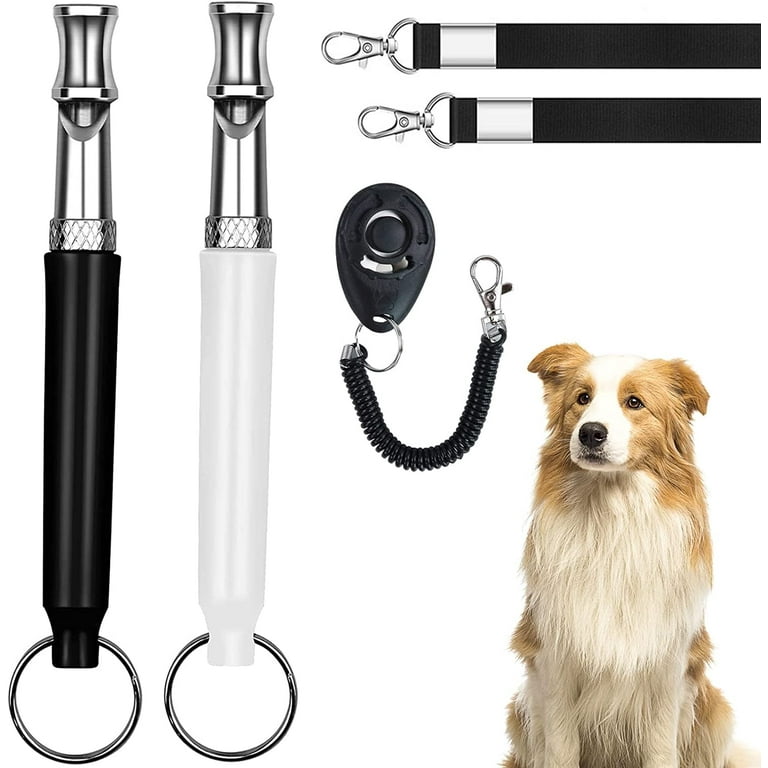
Credit: www.amazon.com
How Dog Whistles Work
Dog whistles are fascinating tools that have been used by trainers for years. But how do they really work? Understanding the mechanics behind dog whistles can help you use them more effectively. Let’s delve into the science and explore why these seemingly silent instruments are so powerful.
Frequency Range Of Dog Whistles
Dog whistles operate at frequencies that are often too high for human ears. Typically, they range between 16,000 and 22,000 Hertz. This frequency is well within a dog’s hearing range, making it a perfect communication tool.
Imagine a secret language that only your dog can understand. This is essentially what a dog whistle creates. It sends out a call that can be heard from far distances, without disturbing your neighbors.
Are you curious about the exact frequency your dog can hear? It might surprise you how sensitive their ears are compared to yours.
Human Vs Dog Hearing Abilities
Humans generally hear sounds between 20 Hertz and 20,000 Hertz. In contrast, dogs can detect sounds up to 45,000 Hertz. This means that they can hear much higher-pitched noises than we can.
Have you ever noticed your dog reacting to sounds that you can’t hear? This is because their hearing ability surpasses ours in many ways. They can pick up on subtle cues that help them understand their environment.
Using this knowledge, dog whistles can become a valuable tool in training. They can help you communicate commands without shouting, keeping training sessions calm and controlled.
Common Misconceptions
Dog whistles are often misunderstood. Many people think they hurt dogs. This belief leads to unnecessary worry. Dog whistles are tools for training. They emit high-frequency sounds. Humans can’t hear these sounds, but dogs can. This sound is used to catch a dog’s attention. It doesn’t cause pain to the dogs.
Do Whistles Cause Pain?
Whistles do not cause pain. The sound is simply a signal. It grabs the dog’s focus. Dogs have sensitive hearing. This doesn’t mean the sound is harmful. Whistles are designed to be safe. Their purpose is to communicate with dogs. Not to hurt or scare them.
Impact On Dog Behavior
Whistles can influence dog behavior. They help in training. Dogs learn commands through whistles. The sound is unique and clear. It helps dogs understand instructions. Consistent use improves obedience. Whistles are effective for behavior correction. They guide dogs without causing distress.
Scientific Studies On Dog Whistles
Understanding whether dog whistles cause harm to dogs involves delving into scientific research. While they are popular training tools, questions about their safety persist. Scientific studies provide insights into their effects, helping owners make informed decisions about using them.
Research Findings
Researchers have conducted various studies to assess the impact of dog whistles on canine hearing. These studies often focus on the frequency and decibel levels emitted by whistles. Findings reveal that most dog whistles operate at a frequency range that is inaudible to humans but can be heard by dogs. However, the sound intensity is typically within a safe threshold, avoiding harm.
One study highlighted that prolonged exposure to high-frequency sounds could potentially lead to hearing damage in dogs. Yet, typical usage doesn’t reach harmful levels. This insight urges owners to consider moderation in whistle use.
Expert Opinions
Veterinary audiologists and animal behaviorists often weigh in on the use of dog whistles. Many experts agree that when used correctly, dog whistles are a safe and effective training tool. They emphasize the importance of understanding a dog’s sensitivity and reaction to different sounds.
Some experts suggest observing your dog’s reaction to the whistle. If your dog shows signs of distress or discomfort, it might be worth consulting a professional. Personal stories from dog trainers reveal how attentive whistle use can enhance communication without causing harm.
Ultimately, expert opinions converge on a key point: the tool’s safety hinges on responsible usage. How do you ensure you’re using it wisely? Monitoring your dog’s behavior and consulting professionals can guide you in making the right choice.
Choosing The Right Dog Whistle
Choosing the right dog whistle is crucial for ensuring effective communication with your furry friend without causing discomfort. With various options available, it’s important to select a whistle that suits both your dog’s needs and your training goals. Whether you’re training a puppy or refining an older dog’s skills, the right whistle can make a significant difference in your training experience.
Factors To Consider
Consider your dog’s sensitivity to sound. Some dogs may be more sensitive to high frequencies, while others might require a stronger sound for attention.
Think about the environment in which you’ll be using the whistle. A loud whistle might be necessary for outdoor spaces, whereas a quieter one might suffice indoors.
Ease of use is important. Look for a whistle that you can comfortably hold and blow, ensuring consistency in your training sessions.
Popular Brands And Models
ACME dog whistles are a favorite among trainers for their reliability and range of frequencies. They offer models like the ACME 210.5, perfect for training different breeds.
Fox 40 whistles, known for their pealess design, provide a sharp sound that can cut through ambient noise effortlessly.
SportDOG offers whistles designed for hunting dogs, featuring adjustable tones that cater to various training needs.
Have you ever wondered if your whistle is too loud for your dog? Selecting the right model can help you train effectively without causing harm. Consider trying different whistles to find the perfect match for your dog’s comfort and your training success.

Credit: www.amazon.com
Alternatives To Dog Whistles
Dog whistles can be too intense for sensitive ears. Consider clickers or verbal cues as kinder alternatives. These tools effectively communicate commands without causing discomfort.
Alternatives to Dog Whistles can provide a more comfortable training method. Many dog owners seek options that are gentle yet effective. Using alternatives can enhance communication without causing discomfort to your furry friend. Here are some effective substitutes:Voice Commands
Voice commands offer a direct way to communicate with dogs. They rely on your tone and consistency. Dogs learn to associate specific words with actions. Regular practice helps reinforce these commands. Use a calm and clear voice for best results. Repeat commands in similar situations for consistency. Patience is key to effective training.Electronic Devices
Electronic devices provide another alternative for dog training. These gadgets include remote trainers and vibration collars. They use vibrations or sounds to catch a dog’s attention. Unlike whistles, they offer adjustable settings for sensitivity. This ensures the device suits your dog’s needs. Choose devices with positive reviews for safety and effectiveness.Training Tips With Dog Whistles
Training with dog whistles raises questions about their safety. These whistles are designed to be safe for dogs. While humans cannot hear them, dogs respond well without discomfort.
Training Tips with Dog Whistles Dog whistles can be a powerful tool in your training toolkit, offering a unique way to communicate with your furry friend. These whistles, often silent to human ears, can capture your dog’s attention without causing harm. Curious about how to maximize their effectiveness? Let’s dive into some practical training tips.Effective Training Techniques
Using a dog whistle effectively requires consistency. Start by associating a specific whistle sound with a command, like “sit” or “come.” Make sure to reward your dog each time they respond correctly. This positive reinforcement helps solidify the connection between the whistle and the desired action. Keep training sessions short and focused. Dogs have limited attention spans, so brief but frequent sessions are more effective.Mistakes To Avoid
Avoid overusing the whistle. Constant use can desensitize your dog, rendering the tool ineffective. Ensure you don’t use different whistle sounds for the same command. This can confuse your dog and slow down their learning process. Lastly, never use the whistle as a form of punishment. This creates a negative association, making your dog reluctant to respond. Using dog whistles can revolutionize your training approach, but it’s essential to use them wisely. Are you ready to try these techniques with your dog?
Credit: www.walmart.com
Frequently Asked Questions
Can Dog Whistles Harm A Dog’s Hearing?
Dog whistles are generally safe when used correctly. They emit high-frequency sounds that dogs can hear, but humans can’t. If used excessively or too loudly, they could potentially harm a dog’s hearing. It’s important to use them responsibly and ensure the sound level is appropriate for the dog.
Are Dog Whistles Effective For Training?
Yes, dog whistles are often used in training. They produce consistent and clear signals that can aid in communication. The sound is less likely to be confused with everyday noises. This makes them effective for commands and recall training, especially in environments with distractions.
Do All Dogs Respond To Dog Whistles?
Not all dogs respond to whistles, as reactions can vary. Some dogs may be more receptive to whistle sounds, while others might ignore them. Factors like age, breed, and training experience can influence a dog’s response. It’s important to assess your dog’s reaction and adjust training methods accordingly.
How Should I Use A Dog Whistle Correctly?
To use a dog whistle correctly, start by introducing it gradually. Associate the whistle sound with positive reinforcement, like treats or praise. Avoid blowing it too loudly or frequently. Consistent training and patience are key to ensuring that your dog associates the whistle with commands.
Conclusion
Dog whistles can be safe tools with proper use. It’s crucial to understand each dog’s sensitivity. Observe your dog’s reactions. Adjust frequency and volume accordingly. Not every dog responds the same. Some might find certain sounds uncomfortable. Responsible use ensures a positive experience.
Training can be effective without causing distress. Always prioritize your dog’s comfort and well-being. Consult a vet if unsure about using a whistle. Proper guidance helps prevent potential harm. Remember, your dog’s happiness is the goal. Keep their safety in mind.
Tailor your approach to their unique needs.

Similar Posts