Does Dog Whistle Hurt Dogs: Uncover the Truth
Senior Canine Nutritionist & Dog Behavior Specialist at Cozy Dog Go Wellness Lab

Imagine you’re enjoying a peaceful walk in the park with your furry friend, when suddenly, a sharp sound pierces the air—the notorious dog whistle. You might wonder, does that whistle hurt dogs?
Understanding how your dog perceives sound is crucial for their well-being. You love your dog, and ensuring their comfort and safety is your top priority. As you dive into this article, you’ll uncover the truth about dog whistles and their impact on your canine companion.
This exploration will empower you with knowledge, helping you make informed choices about what’s best for your loyal friend. Stay with us, as we unravel the mystery behind this intriguing question.
Credit: www.facebook.com
Dog Whistle Basics
Understanding the basics of dog whistles is essential for any pet owner considering their use. Often portrayed as mysterious tools, dog whistles have unique capabilities that set them apart from other training aids. Before deciding whether a dog whistle is right for you, it’s important to grasp how they function and their potential effects on your furry friend.
What Is A Dog Whistle?
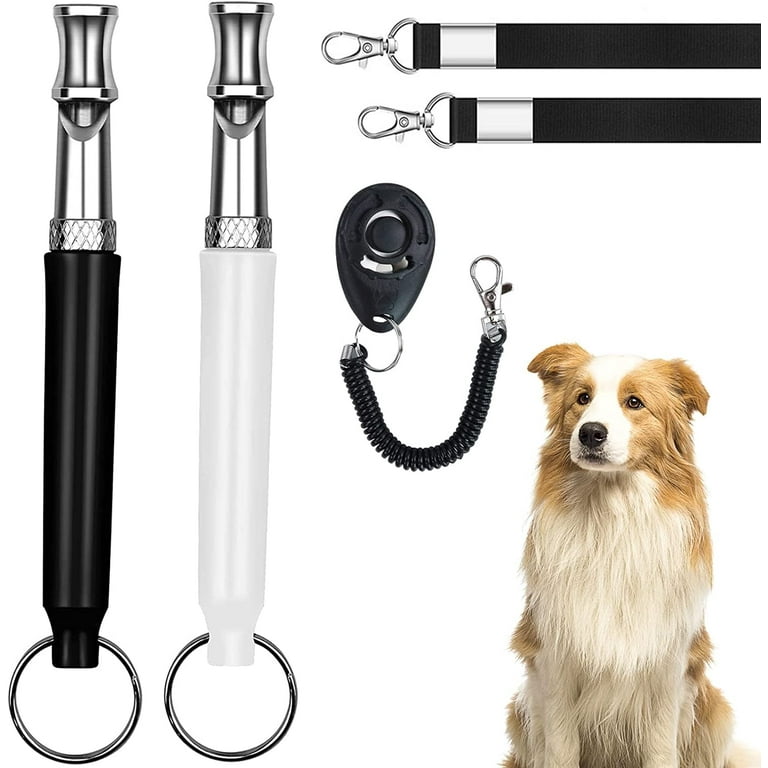
A dog whistle is a small device that emits sound at a frequency higher than the human ear can detect. This ultrasonic sound is audible to dogs, making it an effective tool for training without disturbing the surrounding environment. Unlike a regular whistle, which might annoy your neighbors, a dog whistle is silent to humans but a clear signal to your pet.
These whistles are often used to command, recall, or correct a dog’s behavior during training sessions. Have you ever wondered why your dog reacts to certain sounds that you barely notice? That’s the magic of these high-frequency devices.
How Dog Whistles Work
The sound produced by a dog whistle travels through the air in the form of sound waves. Dogs have a superior hearing range compared to humans, allowing them to detect frequencies between 40Hz to 60,000Hz. In comparison, humans typically hear in the range of 20Hz to 20,000Hz.
When you blow the whistle, the sound waves reach your dog’s ears, capturing their attention instantly. This capability can be particularly useful in scenarios where verbal commands fail. Imagine calling your dog from a distance or amidst distractions, and their immediate response to the whistle—it’s like having a secret language between you and your pet.
But does this mean dog whistles cause discomfort or pain? The answer largely depends on how you use them. Proper usage is key to ensuring your dog benefits from the training without any adverse effects.
Credit: www.facebook.com
Expert Opinions
Expert opinions often diverge on whether dog whistles harm dogs. Some argue they are safe, while others caution about potential discomfort from high-frequency sounds. Understanding your dog’s reaction is key to ensuring their well-being.
In the world of dog training, the use of dog whistles sparks debate. Do these high-pitched sounds harm our furry friends? Experts have shared their views to shed light on this issue.Veterinarian Perspectives
Veterinarians say dog whistles are generally safe. Dogs hear higher frequencies than humans. This makes the whistle effective for training. Most dogs show no signs of distress. Some may find it annoying, but not painful. It’s crucial to observe your dog’s reaction. If your dog shows discomfort, consult a vet.Professional Trainers’ Insights
Professional trainers often use dog whistles. They argue it’s an effective tool for communication. Whistles can travel long distances, which is useful in open spaces. Trainers emphasize correct use. They recommend short, controlled bursts. Proper training can ensure the dog responds positively.Frequently Asked Questions
Can Dog Whistles Cause Harm To Dogs’ Hearing?
Dog whistles, when used correctly, are generally safe for dogs. They emit high-frequency sounds that are typically inaudible to humans but can capture a dog’s attention. However, prolonged or excessively loud use can potentially cause discomfort or harm. Always ensure the whistle is used responsibly and at appropriate volumes.
How Do Dog Whistles Affect Dogs?
Dog whistles are designed to capture a dog’s attention without causing pain. The high-frequency sound can interrupt a dog’s behavior, making it useful for training. However, every dog reacts differently. Some may respond well, while others may not react at all.
It’s crucial to observe your dog’s response.
Are Silent Dog Whistles Better For Training?
Silent dog whistles can be effective for training as they are less disruptive to humans. They provide a consistent sound that can be used for commands. The effectiveness depends on the dog’s training and responsiveness. Patience and consistency are key when using any training tool, including whistles.
What Frequency Is Safe For Dog Whistles?
Most dog whistles operate between 23,000 and 54,000 Hertz. This range is generally safe for dogs. It’s important to use a frequency that your dog responds to positively. Testing different frequencies can help identify the most effective one for training without causing discomfort.
Conclusion
Dog whistles can be safe for dogs if used correctly. Proper usage ensures no harm. Always consider your dog’s comfort and reaction. Observe their behavior closely when using a whistle. Some dogs might be sensitive to high frequencies. Consult a vet if you notice any discomfort.
Training tools should always prioritize your pet’s well-being. Choose a whistle specifically designed for dogs. Test the whistle in a quiet environment first. Your dog’s safety and happiness are the top priorities. With care, dog whistles can be a helpful training tool.

Similar Posts