How Does a Dog Clicker Work: Unleashing Training Magic
Senior Canine Nutritionist & Dog Behavior Specialist at Cozy Dog Go Wellness Lab
Imagine training your dog with ease, using a tool that enhances communication between you and your furry friend. This is where the dog clicker comes into play.
You might have seen it in action or heard other pet owners rave about it, but how does a dog clicker work exactly? If you’re eager to improve your dog training skills and build a stronger bond with your pet, you’re in the right place.
You’ll discover the simple mechanics behind this handy tool and learn how it can transform your training sessions. Stick around, and you’ll uncover the secrets to making your dog training more effective, enjoyable, and rewarding for both you and your beloved canine.

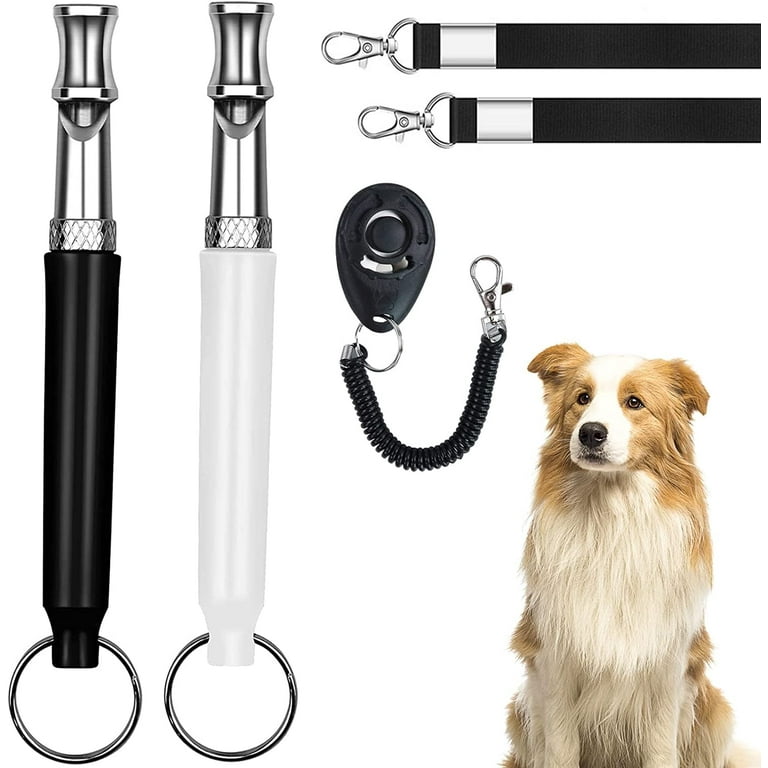
Credit: www.amazon.ca
The Basics Of Dog Clicker Training
Dog clicker training is a popular method for teaching dogs new tricks and behaviors. It relies on positive reinforcement to encourage desired actions. Owners use a clicker to make a distinct sound, marking the behavior they wish to reward. This approach is both effective and humane, making it a favorite among pet trainers.
What Is A Dog Clicker?
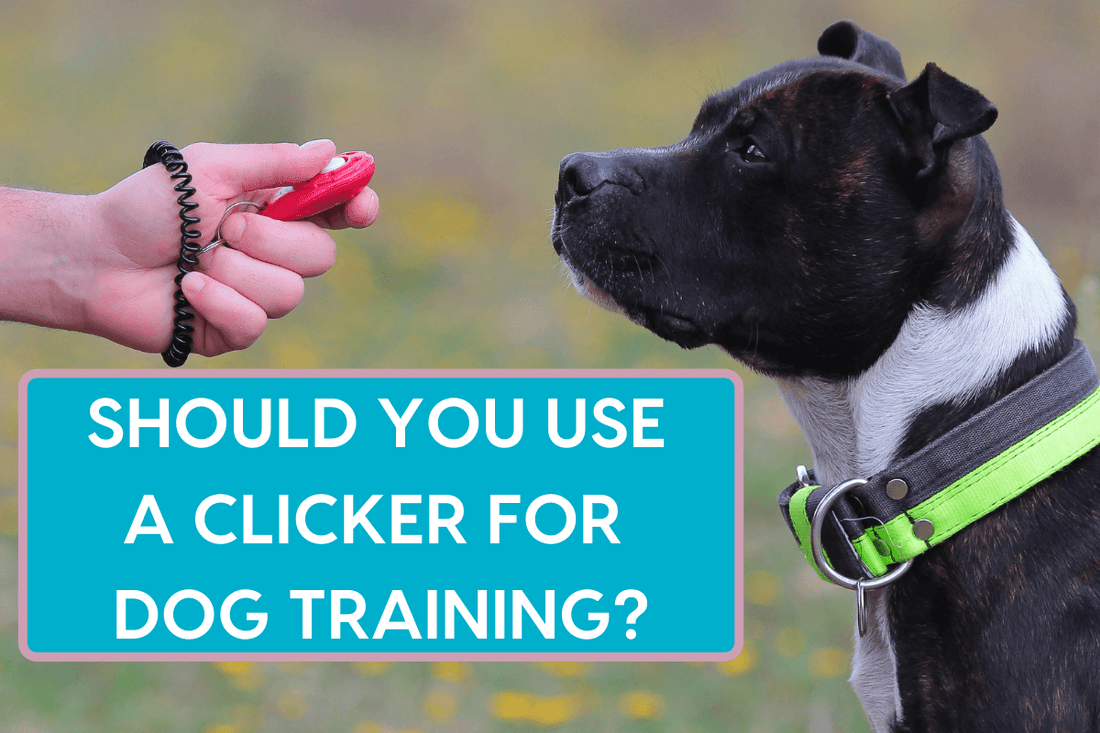
A dog clicker is a small, handheld device. It produces a sharp, clicking sound when pressed. The sound is unique and consistent, which helps dogs recognize it easily. When a dog performs the correct action, the trainer clicks the device. This signals to the dog that they’ve done something right and a reward is coming.
History Of Clicker Training
Clicker training has roots in the 1940s. It was first used by marine mammal trainers. The method proved effective for dolphins and whales. Later, it was adapted for dogs and other pets. Over the years, it gained popularity for its success and simplicity. Today, it’s widely used by professional trainers and pet owners alike.
Mechanics Behind The Clicker
Dog clickers create a distinct sound that marks correct behavior. This sound helps dogs associate actions with rewards, making training clear and effective.
The Mechanics Behind the Clicker are fascinating, blending simple physics with powerful psychology. At its core, a dog clicker is a compact device that makes a distinct “click” sound when pressed. This sound is not just any random noise; it serves as a precise marker that tells your dog, “Yes, that’s exactly what I wanted you to do!” Understanding how this small device can influence your dog’s behavior is key to mastering clicker training.Sound And Conditioning
The sound of the clicker is sharp and consistent, designed to grab your dog’s attention instantly. Dogs are naturally inclined to notice unique sounds, and the clicker’s sound is unlike everyday noises they encounter. This is where conditioning comes into play. Through repetition, your dog learns to associate the click with a reward. Think of it like the sound of a bell for a school student—it signals the end of class. It’s precise and immediate, allowing your dog to connect their action with the click and the impending treat.Creating Positive Associations
Positive associations are the heart of effective clicker training. Every time the clicker sounds, you follow it up with a treat. This creates a strong positive connection in your dog’s mind between the click and a reward. Imagine your dog mastering new tricks with enthusiasm. The click becomes a promise of a treat, making your dog eager to learn and repeat good behaviors. This method is not just about training; it’s about building a bond of trust and understanding. When you see your dog’s eyes light up at the sound of the clicker, you know you’re communicating effectively. Are you ready to see the magic of the clicker in action with your own dog?Steps To Effective Clicker Training
Understanding how a dog clicker works is key to successful training. This small device makes a distinct sound, marking desired behaviors and helping your dog associate actions with rewards. Consistency in timing and positive reinforcement are crucial for effective clicker training.
Effective clicker training can transform your dog’s behavior and enhance your bond with them. This method leverages the dog’s natural ability to learn through positive reinforcement, making training sessions more enjoyable for both of you. Let’s explore key steps to ensure your clicker training is successful and rewarding.Setting Up For Success
Preparation is crucial. Choose a quiet, distraction-free environment where your dog feels comfortable. This will help them focus on the training. Ensure your clicker is easily accessible. You don’t want to fumble around when it’s time to reinforce a behavior. Have treats ready. Using small, tasty morsels will motivate your dog to learn quickly.Timing The Click
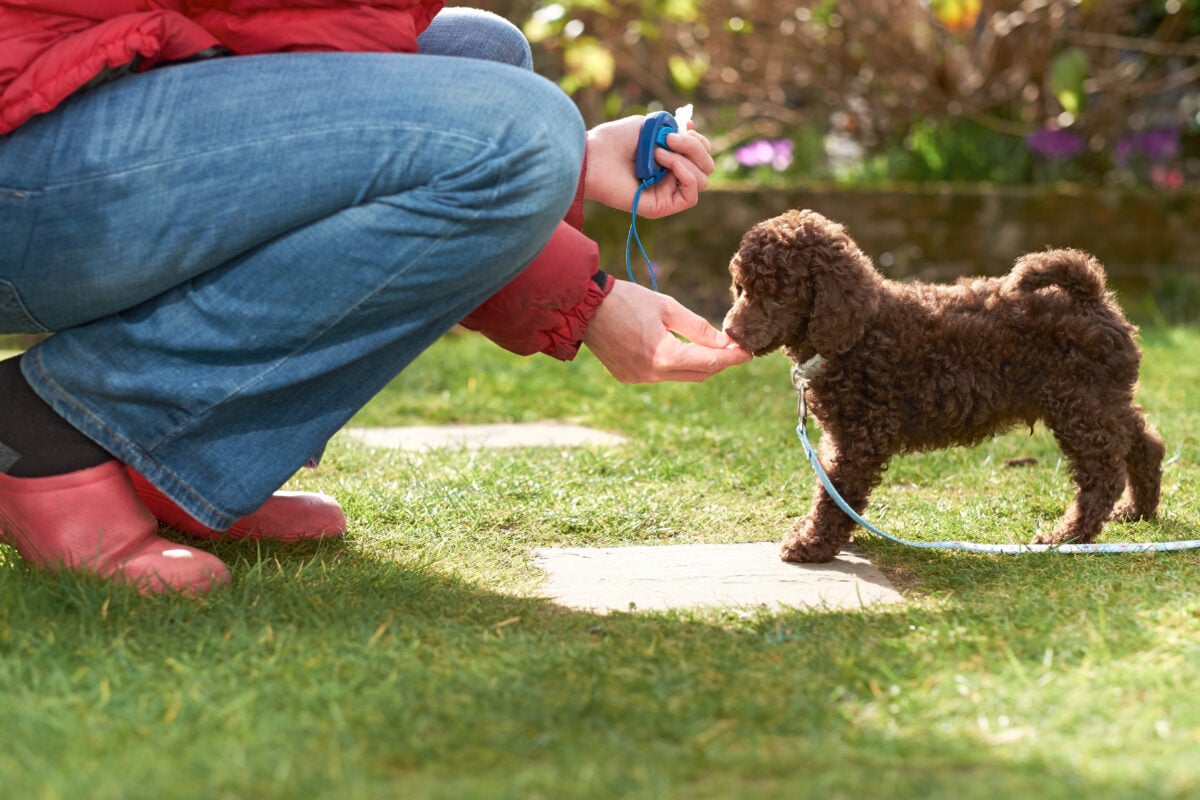
Timing is everything in clicker training. Press the clicker the moment your dog performs the desired behavior. The click should be immediate, serving as a precise marker of what you want to reinforce. Consider this: if your dog sits, click right when their bottom touches the ground. This clear signal helps them understand exactly what action you are rewarding.Rewarding Correct Behavior
After clicking, immediately offer a treat. This reinforces the behavior and strengthens the connection between the action and the reward. Be consistent. Reward every correct action during training sessions to reinforce learning. Notice how your dog responds. If they’re excited and eager, you’re doing it right. If not, assess your timing and reward technique. Adjust as needed to ensure success. Engage with your dog throughout the process. Praise their efforts and celebrate small wins. This builds confidence and encourages continued progress. Ultimately, clicker training is a cooperative endeavor. It’s about understanding, patience, and mutual respect. Are you ready to embark on this rewarding journey with your furry friend?Common Challenges And Solutions
Training your dog with a clicker can be a rewarding experience, but like any method, it comes with its own set of challenges. Understanding these obstacles and learning how to overcome them will ensure both you and your furry friend benefit from clicker training. Here are some common challenges and solutions.
Overcoming Clicker Mistakes
One common mistake is timing the click incorrectly. It’s crucial that the click occurs precisely when your dog performs the desired action. If you click too early or too late, your dog might associate the sound with the wrong behavior.
Practice your timing without the dog first. Use a tennis ball as a target. Click each time the ball touches the floor. This exercise sharpens your reflexes and ensures accuracy when training your dog.
Another mistake is overusing the clicker, causing it to lose its effectiveness. If you’re clicking for every little thing, your dog might become indifferent to the sound. Focus on rewarding only significant actions to maintain its impact.
Adjusting To Different Dogs
Every dog is unique, and what works for one might not work for another. Some dogs are highly motivated by food rewards, while others prefer toys or praise. It’s essential to know what your dog finds most rewarding.
Observe your dog’s reactions to different rewards. Does he wag his tail more for a treat or a toy? Use this insight to tailor your clicker training approach. This customization enhances engagement and effectiveness.
Additionally, some dogs may be sensitive to the sound of the clicker. If your dog seems startled or anxious, consider using a softer clicker or even a pen top that clicks more quietly. The goal is to create positive associations without causing distress.
Have you encountered challenges in your clicker training journey? Sharing experiences and solutions fosters a supportive community. What’s your most effective strategy for overcoming training hurdles?
Advanced Clicker Techniques
The dog clicker is more than a tool for teaching basic commands. Advanced clicker techniques can elevate your dog’s learning experience. These techniques help in shaping complex behaviors and understanding intricate commands. They transform training sessions into engaging activities. Let’s delve deeper into advanced methods to maximize the clicker’s potential.
Beyond Basic Commands
Dogs grasp basic commands like sit and stay quickly. But the clicker can teach them much more. Introduce new words and actions using clicker cues. Start with simple tasks, then gradually increase complexity. Clicker sounds can pinpoint correct actions. It ensures dogs understand what is expected. This precise feedback reduces confusion and enhances learning.
Consistency is key. Use the clicker consistently with the same tone. This reinforces learning and builds strong associations. Dogs learn to link the click with rewards and desired actions. This approach strengthens their response to commands.
Shaping Complex Behaviors
Shaping involves breaking tasks into smaller steps. Clicker training excels in this method. Each small success is rewarded, guiding dogs toward the final goal. For example, teaching your dog to fetch involves several steps. Reward them for looking at the object, then touching it, and eventually bringing it back.
Patience is essential. Progress may be slow, but each step is crucial. Using clickers helps maintain focus and motivation. Dogs are more willing to engage in complex tasks. This technique fosters creativity and adaptability in training sessions.
Advanced clicker techniques enrich your dog’s skills. They provide a structured path to learning intricate commands. Explore these methods to enhance your dog’s training experience.
Benefits Of Clicker Training
Clicker training has gained popularity among dog owners and trainers for its simplicity and effectiveness. Unlike traditional training methods, clicker training employs positive reinforcement to encourage desired behaviors. This approach not only makes training more enjoyable for your canine companion but also fosters a deeper connection between you and your pet. Let’s explore the benefits of clicker training and how it can enhance the relationship with your dog.
Building A Strong Bond
Clicker training is an excellent tool for strengthening the bond between you and your dog. Each successful click and reward reinforces trust and mutual understanding. Imagine the joy of seeing your dog light up with excitement, knowing that you both accomplished something together.
Have you ever noticed how your dog watches for cues from you? Clicker training capitalizes on this eagerness to please, creating moments of shared joy and accomplishment. As your dog learns new commands, the process transforms into a fun collaboration, building a relationship rooted in respect and affection.
Enhancing Communication
Effective communication is the cornerstone of successful dog training. Clicker training sharpens this communication by providing clear and consistent signals. When your dog hears the click, it’s like receiving a text message that says, “Yes, that’s it!”
Picture this: your dog finally mastering a trick after you both have struggled for days. The clicker becomes a tool to break down barriers, allowing both you and your dog to understand each other better. As you refine your clicker skills, you’ll notice a more responsive and attentive pet, eager to learn and connect.
Are you ready to witness this transformation in your own dog? Try clicker training and see how it opens up new avenues for interaction and growth. The benefits extend beyond simple obedience; they lay the groundwork for a lifelong partnership filled with learning and fun.
Integrating Clicker Training With Other Methods
Integrating clicker training with other methods enhances your dog’s learning experience. By combining techniques, you create a balanced approach. This makes training more effective and enjoyable for both you and your dog. Clicker training serves as a foundation. It can be enriched with additional strategies. Explore how to blend clicker training with verbal cues and group settings.
Combining With Verbal Cues
Verbal cues add clarity to your dog’s training. When paired with a clicker, they reinforce behavior. Start by giving a clear verbal command. Use simple words like “sit” or “stay.” Once your dog responds, click immediately. Reward with a treat or praise. The clicker marks the exact moment of success. Over time, your dog will link the cue with the action. This builds understanding and strengthens obedience.
Using Clicker In Group Settings
Group settings offer unique training opportunities. Use a clicker to maintain focus amidst distractions. During group classes, ensure your dog understands individual commands. Click and reward when they respond correctly. This helps them tune out noise and concentrate. Practice in varied environments to enhance adaptability. Clicker training in groups boosts social skills and confidence.

Credit: pupford.com
Credit: www.caninejournal.com
Frequently Asked Questions
What Is A Dog Clicker?
A dog clicker is a training tool that emits a distinct sound. It’s used to mark desired behaviors in dogs. When a dog performs the right action, the clicker is pressed, signaling success. This sound is paired with rewards, reinforcing positive behavior and aiding effective training.
How Does Clicker Training Benefit Dogs?
Clicker training benefits dogs by offering clear communication and faster learning. The click sound precisely marks correct behaviors. It helps reduce confusion and anxiety during training sessions. This method encourages positive reinforcement, creating a stronger bond between the dog and the trainer.
Can A Clicker Be Used For All Dog Breeds?
Yes, a clicker can be used for all dog breeds. It’s a versatile tool effective for both small and large breeds. The click sound is neutral, making it suitable for any dog. Tailor training methods to each dog’s personality and learning speed for best results.
How Quickly Do Dogs Learn With Clickers?
Dogs often learn faster with clickers compared to other methods. The distinct sound provides immediate feedback, enhancing understanding. With consistent practice and rewards, many dogs grasp commands within weeks. Each dog’s learning pace varies, but clicker training generally accelerates the process.
Conclusion
Dog clickers are simple yet effective tools for training. They help dogs learn through positive reinforcement. The click sound marks desired behaviors. This sound is unique and consistent. It creates a clear communication channel between you and your pet. Training becomes fun and rewarding.
Dogs respond well to these methods. Remember to pair clicks with treats. This strengthens the connection. Over time, dogs understand what each click means. Consistency is key. Practice regularly for the best results. Enjoy the process. Building a strong bond with your dog is rewarding.
Happy training with your dog clicker!

Similar Posts