How Long Should a Dog Wear a Muzzle: Essential Guide
Senior Canine Nutritionist & Dog Behavior Specialist at Cozy Dog Go Wellness Lab
Have you ever found yourself wondering, “How long should a dog wear a muzzle?” You’re not alone.
Many pet owners grapple with this question, especially when trying to ensure their furry friend’s safety and comfort. You love your dog, and you want to make sure you’re doing what’s best for them. But with so many opinions and guidelines out there, it can be hard to know what’s right.
Imagine the peace of mind you’ll feel once you understand the ins and outs of proper muzzle use. This knowledge could be the key to a happier, more relaxed dog—and a more confident you. Keep reading to discover the facts that will help you make informed decisions and ensure your dog’s well-being. Your furry companion is counting on you, and you won’t want to miss the insights that could transform both your lives for the better.
Credit: www.instagram.com
Purpose Of Dog Muzzles
Understanding the right duration for a dog to wear a muzzle is essential for safety and comfort. Muzzles can prevent biting during grooming or vet visits, but should not be worn for long periods. Always ensure the muzzle fits well and allows your dog to pant and drink.
The purpose of dog muzzles is often misunderstood. Many people view them as tools for aggressive dogs, but muzzles serve various roles that can benefit both you and your furry friend. Understanding why and when to use a muzzle can enhance safety and aid in training, ultimately improving your dog’s quality of life.Safety Measures
Dog muzzles are essential for ensuring safety in certain situations. Imagine your dog is injured—it’s natural for them to lash out due to pain or fear. A muzzle can prevent unexpected bites, safeguarding both you and your pet during vet visits or emergency care. On walks, a muzzle can prevent your curious pup from eating harmful objects. If your dog has a tendency to gobble up random items, a muzzle acts as a barrier, reducing the risk of ingestion of toxic substances. Do you have guests who are uneasy around dogs? A muzzle can provide peace of mind, showing that you’re taking precautions. It reassures visitors and can alleviate their anxiety, making social gatherings more comfortable.Training Aid
Muzzles can be valuable training aids. They’re not just for reactive dogs; they can assist in teaching calm behavior in various environments. Using a muzzle during training sessions can help your dog focus on the task rather than distractions. If your dog gets overly excited during social interactions, a muzzle can help manage their behavior. It encourages them to stay calm and reduces the likelihood of jumping or nipping. Training with a muzzle also prepares your dog for situations where wearing one might be mandatory, like public transport or specific dog-friendly events. This preparation ensures they are comfortable and well-behaved, wherever they go. Have you ever considered how a muzzle could actually increase your dog’s freedom? By eliminating risks, muzzles can allow dogs to enjoy environments they might otherwise be restricted from.Credit: www.instagram.com
Types Of Dog Muzzles
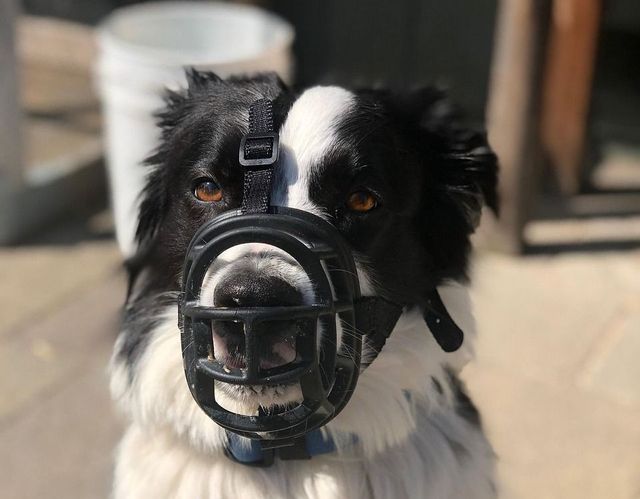
Choosing the right muzzle type is crucial. Basket muzzles offer comfort for longer wear, while soft muzzles suit short durations. Understanding each type helps determine how long your dog should wear a muzzle safely.
Choosing the right muzzle for your dog is important. Different types serve different purposes. Comfort and safety are key factors. Understanding the various muzzle types will help you make an informed decision.Basket Muzzles
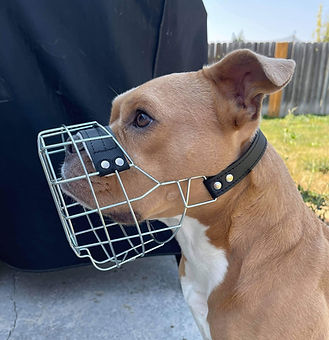
Basket muzzles are sturdy and allow dogs to pant. Made from plastic or metal, they offer space for treats. Dogs can drink water easily with these muzzles. They are a good choice for longer wear periods. Their design helps prevent biting without discomfort.Soft Muzzles
Soft muzzles are made from fabric or mesh. They fit snugly around the dog’s snout. Ideal for short-term use, like vet visits. They prevent barking and biting effectively. Dogs cannot drink or pant well with these muzzles. Avoid using them for extended periods.Custom Muzzles
Custom muzzles are tailored to fit individual dogs. They offer the best comfort and functionality. Made from various materials, they suit specific needs. Customization ensures a perfect fit. These muzzles can be more expensive but worth the investment. They help dogs feel comfortable and secure.Factors Influencing Duration
Choosing the right duration for a dog to wear a muzzle depends on several factors. Consider the dog’s temperament, activity level, and the specific situation. Always ensure the muzzle fits comfortably and allows your dog to breathe and drink.
Factors influencing the duration a dog should wear a muzzle are vital. Understanding these factors can ensure comfort and safety for your pet. Each dog is unique, and various elements affect how long they need to wear a muzzle.Behavioral Considerations
A dog’s behavior plays a key role in muzzle duration. Aggressive or anxious dogs may need more time wearing a muzzle. Training sessions can also influence the duration. A dog accustomed to the muzzle might need less time with it on. Observe your dog’s reactions. Do they seem stressed or calm? This can help in deciding the appropriate duration.Environmental Conditions
Environmental factors greatly impact how long a dog should wear a muzzle. In crowded or unfamiliar places, longer use might be necessary. Parks or busy streets can trigger anxiety. Indoor environments may require shorter durations. Temperature is another factor. Hot weather can make wearing a muzzle uncomfortable. Always consider where your dog is going before deciding.Veterinary Recommendations
Veterinarians provide valuable guidance on muzzle usage. They know your dog’s health needs. Some dogs might need a muzzle for medical reasons. Vets can suggest the best duration based on your dog’s health. Always consult with a vet if unsure. They can offer specific advice tailored to your dog’s situation.Training And Acclimation
Gradually introduce the muzzle to your dog to ensure comfort. Start with short periods, like 5-10 minutes, and slowly increase the time. Always monitor your dog for any signs of stress or discomfort during this process.
Training and acclimation are crucial for ensuring your dog feels comfortable and safe while wearing a muzzle. The process involves building trust and confidence in your furry friend, making the experience stress-free. An effective approach is to combine gradual introduction with positive reinforcement, fostering a positive association with the muzzle.Gradual Introduction
Start by letting your dog sniff and explore the muzzle without wearing it. This initial exposure helps them get familiar with its presence. Gently place the muzzle near their snout for short periods, gradually increasing the time. Always ensure they remain calm and relaxed during these sessions. If your dog shows signs of stress, take a step back and slow down the process. Rushing this phase can create anxiety, which is counterproductive.Positive Reinforcement
Make muzzle-wearing a rewarding experience. Use treats or their favorite toy to encourage them to associate the muzzle with positive outcomes. Praise and affection go a long way. Whenever your dog wears the muzzle without fuss, offer verbal encouragement and petting. Consider training sessions as bonding opportunities. Your calm demeanor and positive reinforcement can transform muzzle time into a moment of connection. How often do you celebrate small wins with your dog? Emphasizing positive experiences makes acclimation smoother and strengthens your bond. Your patience and consistency are key to successful training and acclimation.Monitoring And Assessment
Monitoring and assessing your dog’s comfort is crucial when using a muzzle. Dogs have different tolerance levels. Some may adapt quickly, while others need more time. Observing your dog’s behavior helps ensure they are comfortable and safe. Regular checks can prevent issues and promote a positive experience.
Signs Of Discomfort
A dog in discomfort may show several signs. Look for excessive drooling or pawing at the muzzle. Whining or barking more than usual can also indicate distress. If your dog tries to remove the muzzle, it might be uncomfortable. A tight fit can cause these reactions. Ensure the muzzle is not too tight around their snout.
Behavioral Changes
Changes in behavior can signal issues with the muzzle. A usually active dog might become lethargic. They may avoid activities they normally enjoy. Some dogs might show aggression or fearfulness. These changes suggest the muzzle needs adjustment. Pay attention to your dog’s body language. Their behavior speaks volumes about their comfort.
Credit: www.biltonvets.co.uk
Alternatives To Muzzles
Many dog owners wonder about alternatives to muzzles for their pets. Muzzles can be useful, but they’re not the only option. Understanding different approaches can help manage a dog’s behavior effectively. Let’s explore some alternatives that can help your furry friend.
Behavioral Training
Behavioral training helps dogs learn acceptable behavior. It focuses on understanding the root cause of their actions. Professional trainers can teach dogs how to react calmly in various situations. Consistent training sessions build trust and understanding between you and your dog.
Positive reinforcement plays a key role. Rewarding good behavior encourages dogs to repeat it. Treats, toys, and praise work well as rewards. Patience is crucial; changes take time but lead to lasting results.
Environmental Adjustments
Adjusting the environment can reduce stress for your dog. Identify triggers that cause anxious or aggressive behavior. Loud noises, strangers, or other animals might be triggers. Minimizing these can create a calmer space.
Provide a safe and comfortable area for your dog to retreat. This helps them feel secure and reduces anxiety. Ensuring regular exercise also releases pent-up energy, promoting calmness.
Frequently Asked Questions
How Long Can A Dog Wear A Muzzle?
A dog can wear a muzzle for short periods, typically 20 to 30 minutes. It’s essential to monitor them to ensure comfort and safety. Prolonged use can cause stress or discomfort. Always consult your veterinarian for specific guidance tailored to your dog’s needs.
Is It Safe For Dogs To Wear Muzzles?
Yes, it’s safe if used correctly and for short durations. Muzzles should be well-fitted and not too tight. They should allow panting and drinking. Never leave a muzzled dog unattended. Always introduce the muzzle gradually to avoid stress and anxiety.
Can Dogs Eat With A Muzzle On?
Most basket muzzles allow dogs to eat and drink. Soft muzzles, however, may restrict these activities. If your dog needs to eat with a muzzle, choose a design that permits this. Always supervise your dog while they are wearing a muzzle to ensure safety.
Why Should A Dog Wear A Muzzle?
Dogs wear muzzles for safety, training, or medical reasons. They can prevent biting in stressful situations. Muzzles are useful during vet visits, grooming, or when meeting new animals. They also help manage aggressive behavior while training your dog.
Conclusion
Choosing the right muzzle duration matters for your dog’s comfort. Observe your dog’s behavior. Take breaks if your dog seems stressed. Gradually increase wear time for better adaptation. Consistency is key for training success. Muzzles should not be worn all day.
Use them only when necessary. Balance is vital for your dog’s well-being. Always prioritize safety and comfort. Consult a vet for personalized advice. A happy dog means a happy owner. Keep learning about dog care for a better bond. Making informed choices ensures a healthy, stress-free pup.

Similar Posts