How to Clicker Train a Dog: Simple Steps to Success
Senior Canine Nutritionist & Dog Behavior Specialist at Cozy Dog Go Wellness Lab
Imagine a world where your dog not only understands your commands but eagerly responds with joy. This is possible with clicker training, a powerful and positive method that transforms learning into a fun game for your furry friend.
If you’re tired of traditional training methods that leave both you and your dog frustrated, clicker training might be the breath of fresh air you need. With just a simple tool—a clicker—you can unlock a new level of communication with your dog.
Curious about how this works and how you can get started? Keep reading, and discover how clicker training can revolutionize your approach, making training a rewarding experience for both you and your loyal companion.
Benefits Of Clicker Training
Clicker training strengthens the bond between dogs and owners. It promotes positive reinforcement, making learning fun for dogs. This method improves communication and helps dogs understand commands quickly.
Clicker training is a popular method that offers numerous benefits, making it a favorite among dog owners. This technique uses a small device that emits a distinct sound, serving as a clear and consistent signal to your dog that they’ve done something right. It’s a simple yet powerful tool that can transform the way you communicate with your furry friend. Let’s dive into the benefits that make clicker training a must-try approach for any dog owner.Consistency In Communication
Clicker training provides a consistent way to communicate with your dog. Unlike verbal cues, which can vary in tone or length, a click sound remains the same every time. This helps your dog understand exactly what behavior is being rewarded. Imagine the relief of knowing your dog comprehends your signals clearly!Speed Of Learning
Dogs often learn faster with clicker training. The immediate feedback from the click lets them know precisely when they’ve done something right. This quick response helps reinforce positive behavior, speeding up the learning process. Could your dog be smarter than you think?Positive Reinforcement
The foundation of clicker training is positive reinforcement. By rewarding good behavior, you encourage your dog to repeat it. This approach fosters trust and strengthens the bond between you and your pet. Have you ever wondered how much happier your dog can be with positive reinforcement?Versatility In Training
Clicker training is versatile and can be used for various commands and tricks. Whether you’re teaching basic obedience or fun tricks, the clicker is adaptable. It’s a tool that grows with your dog’s learning journey. What new tricks can you imagine teaching your pup today?Improved Focus
Dogs trained with a clicker often exhibit better focus. The clear signal helps them concentrate on the task at hand, minimizing distractions. This increased attention can be especially beneficial in environments with many stimuli. How focused could your dog be during your next walk in the park?Reduced Stress Levels
By using positive reinforcement, clicker training reduces stress levels in dogs. Instead of fearing punishment, your dog learns in a supportive environment. This approach can lead to a happier, more confident dog. Can you picture your dog being more relaxed and joyful? Clicker training is not just about teaching commands; it’s about building a better relationship with your pet. Whether you’re a seasoned dog owner or new to training, the benefits of clicker training can enhance your dog’s life and your bond with them. What are you waiting for? Grab a clicker and start seeing the difference!Choosing The Right Clicker
Selecting the perfect clicker is essential for successful dog training. Choose a clicker that fits comfortably in your hand and produces a consistent sound. This will help maintain clear communication with your dog during training sessions.
Choosing the Right Clicker is a crucial step in ensuring successful clicker training for your dog. A clicker is not just a tool; it becomes an integral part of your dog’s learning process. Picking the correct one can make a significant difference in your training experience.Understanding Clicker Sounds
Different clickers produce different sounds. Some are loud and crisp, while others are softer. Consider your dog’s sensitivity to noise. A loud clicker might be perfect for outdoor training, but too startling for a timid pup indoors.Comfort And Ease Of Use
Your comfort matters, too. Look for a clicker that fits easily in your hand and has a button that’s easy to press. This can make training sessions more efficient and enjoyable for both you and your dog.Durability And Quality
Invest in a clicker that lasts. Training can involve lots of clicks, especially with a puppy. Durable materials ensure your clicker withstands frequent use without breaking or losing its effectiveness.Personal Experience And Preferences
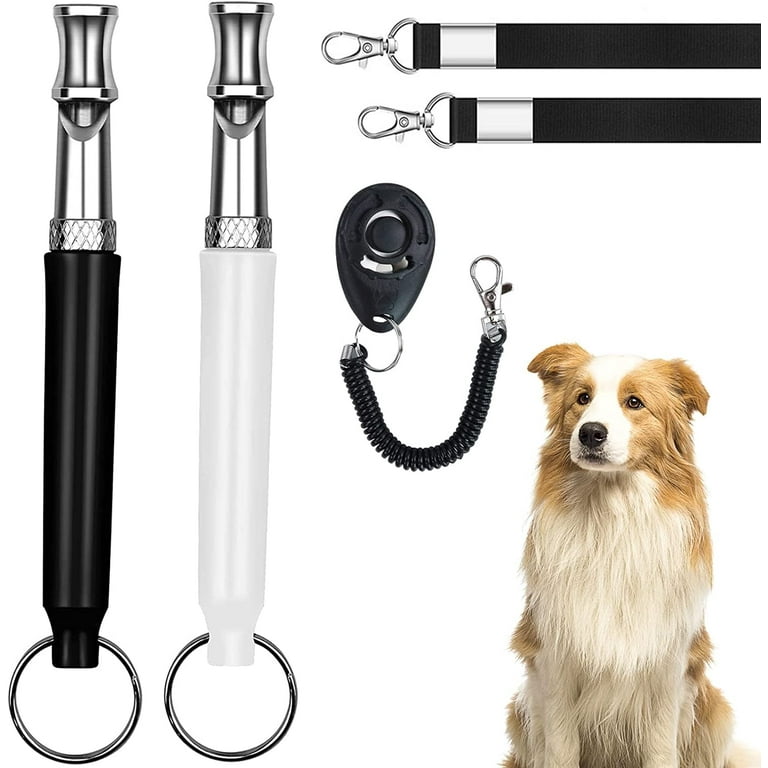
Think about what you like. Some dog owners prefer clickers with wrist straps for easy access. Others might want a multi-function clicker with a built-in whistle. Reflect on your training style and choose accordingly. Choosing the right clicker is not just about the device itself but how it fits into your training routine. Have you ever considered how the clicker’s sound might affect your dog’s focus? Making the right choice can enhance your dog’s learning and create a smoother training journey.Preparing For Training
Gather treats and a clicker to start training your dog. Find a quiet place to avoid distractions. Begin by clicking and rewarding your dog for desired actions.
Preparing for training is a crucial first step in clicker training a dog. You need to set the stage for a successful learning experience. This involves gathering the right supplies and creating a positive environment. Both will help make the process smooth and enjoyable for you and your dog.Gathering Supplies
Start with a clicker, the main tool in this training. It’s a small device that makes a clicking sound. This sound helps your dog associate the click with a reward. You’ll also need a stash of tasty treats. Choose small, easy-to-eat treats that your dog loves. They should be special, not used for regular feeding. A treat pouch can help keep them handy during training. You might also consider a comfortable leash or harness. It helps keep your dog focused. Lastly, have a notebook or app to track progress and sessions. This helps you see improvements and areas needing more attention.Setting The Environment
Choose a quiet place free from distractions. It could be a corner in your house or a fenced yard. The area should be safe and comfortable for your dog. Ensure good lighting so your dog can see your hand signals. Keep training sessions short, around 5-10 minutes, to hold your dog’s attention. Consistency is key. Train at the same place initially, then introduce new locations gradually. This helps your dog learn to focus anywhere. Remove any distractions like toys or other pets. Your dog should focus only on you and the clicker. A calm environment helps reinforce positive behavior.
Credit: pupford.com
Introducing The Clicker
Introducing the Clicker Clicker training is a simple, effective method to teach dogs new behaviors. This technique uses a small device that makes a clicking sound, marking the desired action. Consistent use of the clicker, followed by treats, helps reinforce positive behavior in dogs.
Introducing the Clicker Clicker training is a popular method for teaching dogs. The clicker is a small device that makes a distinct sound. It signals to your dog that they did something right. This method is positive and encourages good behavior. Let’s explore how to introduce the clicker to your furry friend.Getting Your Dog Familiar
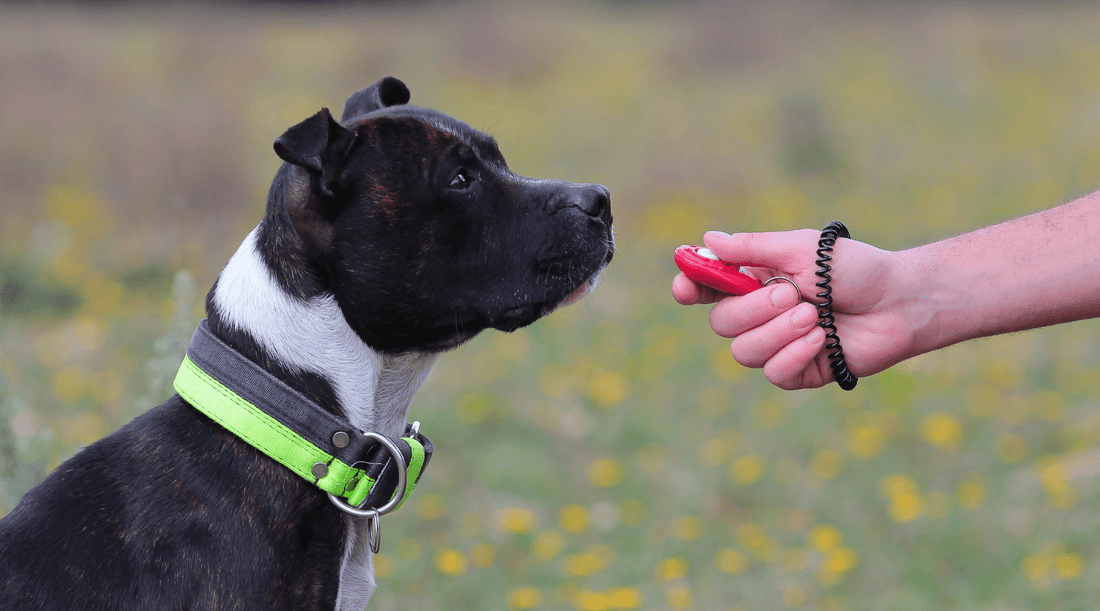
Start by showing the clicker to your dog. Let them sniff and investigate it. This helps them get used to its presence. Hold the clicker in one hand and some treats in the other. Press the clicker once and immediately give your dog a treat. Repeat this several times. Your dog will start to associate the click with a reward.Practicing Clicker Sounds
Practice by making the clicker sound randomly. Each time, give your dog a treat. This helps them learn that the sound means a treat is coming. Ensure the sound is clear and noticeable. Keep training sessions short, around 5-10 minutes. This prevents your dog from losing interest. Consistency is key. Repeat this daily to strengthen the connection.Establishing Basic Commands
Establishing basic commands is the cornerstone of effective clicker training for your dog. These foundational skills not only make your life easier but also build a trusting relationship between you and your furry friend. With consistent practice and patience, you’ll soon have a well-behaved dog eager to follow your lead.
Teaching Sit
Start with your dog standing. Hold a treat close to their nose and move it upwards over their head. As they follow the treat with their eyes, their bottom should naturally lower to the ground. Click the moment they sit and immediately reward them with the treat.
Repeat this several times until they consistently sit when they see the treat. Gradually phase out the treat, using the clicker alone to reinforce the behavior. Keep sessions short to maintain enthusiasm and focus.
Teaching Stay
Once your dog knows how to sit, introduce the stay command. Ask them to sit, then say “stay” while showing the palm of your hand. Take a step back, click, and reward them if they remain seated.
Increase the distance and time gradually, ensuring they understand the command before moving further. If they move, simply reset them to the sit position and try again. Consistency is key here.
Teaching Come
Call your dog’s name followed by the “come” command in a cheerful tone. If they approach, click and reward generously. This command is crucial for safety and requires positive reinforcement.
Practice in various settings to ensure your dog responds regardless of distractions. If they hesitate, gently guide them towards you and reward any movement forward. Asking yourself, “Is my dog excited to come when called?” can help you assess your progress.

Credit: www.amazon.co.uk
Using Rewards Effectively
Using rewards effectively is the cornerstone of successful clicker training. It’s not just about giving your dog treats; it’s about timing, choice, and consistency. Rewards reinforce the desired behavior and signal to your dog that they are on the right track. But how do you ensure that your rewards are making the most impact? Let’s dive into the specifics.
Choosing Treats
Not all treats are created equal. You want something that your dog loves and finds irresistible. It should be small and easy to consume quickly. Imagine trying to teach your dog a trick with a treat they barely care about—your training sessions will quickly lose momentum.
- Opt for soft, bite-sized treats that can be eaten quickly.
- Consider using high-value treats like bits of chicken or cheese for especially challenging tasks.
- Avoid treats that require chewing time, as this can distract your dog from the task.
Timing The Reward
Timing is crucial in clicker training. The click signals the correct behavior, but the reward reinforces it. If the reward comes too late, your dog might not associate it with the action. The reward should follow the click immediately.
Think of it as capturing a snapshot of the behavior you want. How quickly can you deliver that treat after the click? A well-timed reward strengthens the connection between the click and the behavior.
Reflect on your experiences: have you noticed your dog getting confused when the reward isn’t instant? That’s your cue to improve your timing!
When you master the art of choosing the right treats and perfecting the timing, your clicker training sessions will become a joy for both you and your dog. Consider how this will transform your dog’s learning experience. Are you ready to see your dog excel?
Troubleshooting Common Issues
Understanding the basics of clicker training can resolve many challenges. Ensure your clicker is audible enough for the dog to hear. Use consistent timing with rewards to reinforce behavior effectively.
Troubleshooting Common Issues Clicker training is a great way to teach dogs new tricks. Sometimes, things don’t go as planned. Various issues might arise during training sessions. Let’s explore common challenges you may encounter and practical solutions.Dealing With Distractions
Dogs are easily distracted by sounds and sights. This can interrupt training sessions. Start in a quiet space to minimize distractions. Gradually introduce more stimuli as your dog gets better. Use treats to hold their attention. Keep sessions short to maintain focus.Addressing Lack Of Interest
Dogs might lose interest if training feels repetitive. Keep sessions fun and varied. Introduce new commands regularly. Use high-value treats they love. Praise them for every small achievement. Ensure your dog is comfortable and not tired. Adjust training times to suit their energy levels.
Credit: ullery-lisa.medium.com
Advancing To Complex Tricks
Progressing to complex tricks in clicker training builds on basic commands. Start by breaking down the trick into small steps. Reward each successful step with a click and treat.
Advancing to complex tricks in clicker training can be thrilling. Your dog is familiar with the basics. Now, you can explore more intricate behaviors. This stage is where patience and creativity shine. Let’s dive deeper into the next steps.Building On Basics
Solid basics are crucial for complex tricks. Ensure your dog responds reliably to commands. Reinforce these commands frequently. Use consistent signals for each behavior. Gradually increase the complexity of tasks. Start with small variations. Then, build up to more challenging sequences.Introducing New Challenges
New challenges keep training exciting. Begin with simple modifications to known tricks. Combine them into unique sequences. Teach your dog to link actions. Introduce new props or environments. Vary the pace of training. Maintain a positive and rewarding atmosphere. Encourage creativity and adaptability.Maintaining Consistency
Consistency is the cornerstone of successful clicker training for dogs. Imagine trying to learn a new skill where the rules keep changing—frustrating, right? Your dog feels the same way when training lacks consistency. Maintaining a steady routine not only helps your dog understand commands better but also strengthens your bond with them. Let’s dive into some practical ways to keep your clicker training consistent.
Regular Practice
Regular practice is key to reinforcing your dog’s learning. Set aside time each day to engage in clicker training sessions. Short, frequent sessions work better than long, sporadic ones. Just like humans, dogs get tired and lose focus after a while. Keep sessions under 15 minutes to maintain their attention and enthusiasm.
Consistency also means practicing in different environments. Try training at home, in the park, or even during a walk. This variation helps your dog generalize the commands, understanding them no matter where they are. Have you ever tried teaching a trick, only to find your dog forgets it outside? Regular practice in varied settings can solve this.
Reinforcing Commands
Reinforcing commands is about rewarding your dog correctly and timely. Each click should be followed by a treat or praise, making it crystal clear what action you’re rewarding. This ensures your dog associates the click sound with the desired behavior.
Consider using a variety of rewards. While treats are effective, mix in verbal praise or a favorite toy to keep things exciting. Does your dog respond better to a belly rub than a biscuit? Use that to your advantage! This personalization in reinforcing commands keeps your dog engaged and eager to learn.
Remember, consistency in rewards builds trust. If your dog starts to think the click doesn’t always lead to a reward, they might lose interest. Keep them motivated by consistently reinforcing every correct action. Are you maintaining the consistency your dog needs? Your dedication in training is the key to unlocking your dog’s potential.
Evaluating Progress
Evaluating progress is crucial in clicker training a dog. It helps in understanding the effectiveness of the training sessions. By assessing progress, trainers can make necessary adjustments to enhance learning. Consistent evaluation ensures that the dog is on the right track toward mastering commands.
Tracking Improvements
Keep a journal of your dog’s responses. Note the time it takes to learn new commands. Record any changes in behavior after each session. Use videos to capture training moments. Compare them over time to see clear improvements. Visual evidence can be very revealing. This method helps in identifying patterns and tracking progress.
Adjusting Techniques
If the dog struggles, change your approach. Shorten training sessions if the dog loses focus. Introduce new commands slowly. Increase rewards for positive responses. Experiment with different clicker sounds. Some dogs respond better to varied tones. Patience and observation are key. Customize techniques based on your dog’s unique learning style.
Frequently Asked Questions
What Is Clicker Training For Dogs?
Clicker training is a positive reinforcement technique using a click sound to mark desired behaviors. It helps dogs associate the sound with rewards, making learning faster. This method is effective for teaching commands and tricks, promoting clear communication between you and your dog.
How Do I Start Clicker Training?
Start by introducing the clicker to your dog. Click and immediately give a treat, repeating until your dog associates the sound with rewards. Begin training simple commands like sit or stay, using the clicker to mark successful actions, followed by a treat.
Is Clicker Training Effective For All Dogs?
Clicker training can be effective for most dogs, regardless of age or breed. It relies on positive reinforcement, making it suitable for various learning styles. However, patience and consistency are essential for success, especially if your dog is easily distracted or has behavioral issues.
What Treats Are Best For Clicker Training?
Use small, soft treats your dog loves, as they should be consumed quickly. High-value treats, like small pieces of chicken or cheese, work well for motivation. Ensure treats are healthy and appropriate for your dog’s dietary needs during training sessions.
Conclusion
Clicker training builds a strong bond with your dog. It’s fun and rewarding for both. Consistency is key in this method. Patience helps dogs learn at their own pace. Each click marks a step forward. Celebrate small successes. Your dog will enjoy the learning process.
Keep sessions short to maintain focus. Positive reinforcement encourages good behavior. Dogs thrive on encouragement and treats. Clicker training enhances communication. With practice, your dog becomes more responsive. A happy, well-trained dog improves your life. Enjoy the journey together. Happy training!

Similar Posts