Imagine coming home to find your favorite pair of shoes chewed up or your couch cushions torn apart. You love your dog, but those moments can be frustrating.
Crate training might be the solution you’ve been looking for. It’s not just about teaching your dog to stay in a crate; it’s about creating a safe haven for your furry friend—a place where they feel secure and comfortable. As you learn how to crate train your dog, you’ll discover the peace of mind that comes with knowing your pet is safe and happy when you’re not around.
This guide will walk you through the essentials, showing you how to make the process easy and rewarding for both you and your dog. Stay with us, and you’ll soon see how crate training can transform your daily life.
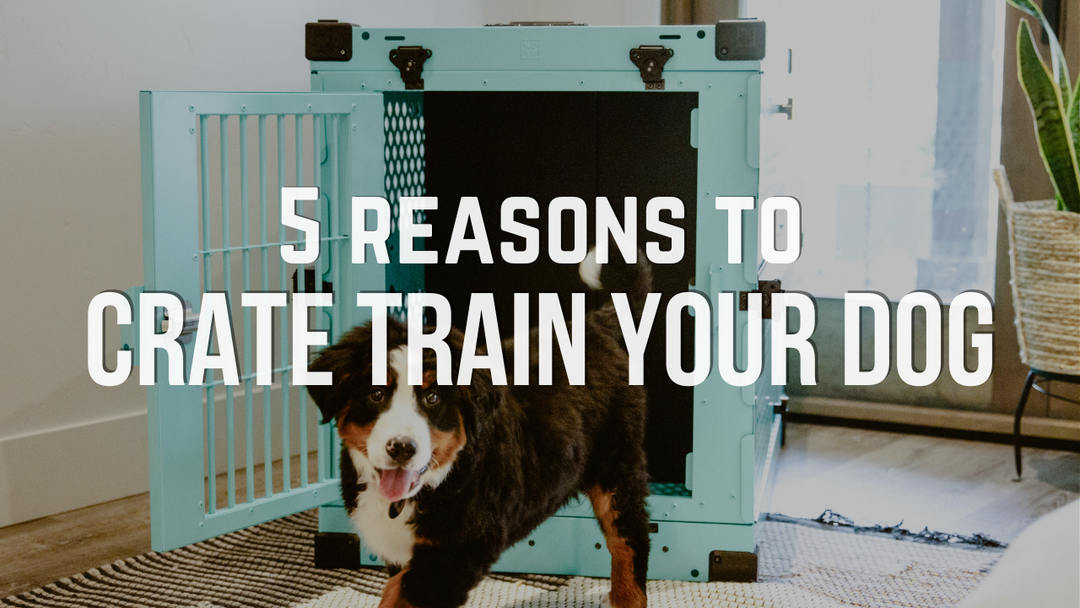
Credit: www.impactdogcrates.com
Benefits Of Crate Training
Crate training provides a safe space for dogs to relax and reduces stress. It helps with housebreaking and prevents destructive behavior.
Crate training offers numerous benefits for your dog. It provides them a safe space and aids in housebreaking. Crate training also helps reduce anxiety. Let’s explore these benefits.Safety And Security
A crate serves as a safe haven. It keeps your dog secure when unsupervised. Dogs instinctively seek a den-like space. The crate mimics this environment. It protects them from household hazards. It prevents them from chewing on unsafe items. This safety reduces stress for both you and your pet. A crate offers peace of mind during your absence.Housebreaking Aid
Crate training assists in housebreaking. Dogs naturally avoid soiling their sleeping area. This instinct helps in teaching them where to relieve themselves. Consistent crate training establishes a routine. It encourages your dog to wait until outdoors. This method speeds up housebreaking. It creates a cleaner home environment.Reducing Anxiety
The crate can reduce your dog’s anxiety. It provides a familiar place during stressful times. Dogs find comfort in their crate during loud noises. It offers a retreat during thunderstorms or fireworks. The enclosed space makes them feel secure. A crate helps manage separation anxiety. It soothes your pet when you’re away.Choosing The Right Crate
Selecting the perfect crate is crucial for successful dog crate training. Ensure it is spacious enough for comfort, allowing your dog to stand, turn, and lie down easily. A well-chosen crate becomes a secure haven, making the training process smoother and more effective.
Choosing the right crate for your dog is an essential part of the crate training process. The crate should be a safe and comfortable space where your dog feels secure. With so many options available, how do you decide which is best for your furry friend? Let’s explore some key considerations that will help you make the right choice.Size Considerations
Your dog’s crate should be spacious enough for them to stand up, turn around, and lie down comfortably. It’s crucial to avoid choosing a crate that’s too large, as it may encourage your dog to use one corner as a bathroom. Measure your dog’s height and length, and select a crate with dimensions slightly larger than your pet. A friend of mine underestimated her puppy’s eventual size, resulting in a cramped crate and a frustrated dog. Learn from her mistake—plan for growth, especially if you have a puppy.Material Options
Crates come in various materials, each offering distinct benefits. Wire crates provide excellent ventilation and visibility, and they are easy to clean. Plastic crates offer more privacy and are ideal for travel, especially for anxious dogs needing a cozy space. Soft-sided crates are lightweight and portable, perfect for temporary use. Think about your dog’s temperament and lifestyle. If your dog tends to chew, avoid soft-sided crates that might not withstand wear and tear.Comfort Features
Enhance your dog’s crate experience with comfort features. Consider adding a soft bed or blanket to provide warmth and cushioning. Some crates come with built-in dividers, allowing you to adjust the space as your dog grows. You can also include toys or chew items to keep your dog entertained. Remember, your dog should associate their crate with positive experiences, so make it inviting. Could a plush toy or calming scent turn your dog’s crate into their favorite spot? Test different options and observe your dog’s reactions.Introducing The Crate
Introduce your dog to the crate gradually. Place it in a quiet, comfortable space. Encourage your dog with treats and praise to make it a safe haven.
Introducing a crate to your dog can be a smooth process. It requires patience and consistency. The crate should be a safe and comfy space. Not a place for punishment. Let’s explore how to make the crate a friendly zone.Positive Associations
Create a welcoming environment for your dog. Make the crate inviting. Place soft bedding inside. Include a favorite toy or treat. These items help your dog feel relaxed. The crate becomes a positive place. Encourage your dog to explore it freely.Gradual Acclimation
Start with the crate door open. Allow your dog to enter and exit freely. This builds trust. Over time, close the door briefly. Gradually increase the time the door stays closed. Always stay nearby during this process. Your presence reassures your dog.Initial Short Sessions
Begin with short crate sessions. Five to ten minutes is ideal. Observe your dog’s reaction. Extend the time as your dog becomes more comfortable. Always praise your dog after a successful session. This reinforces positive behavior.Creating A Positive Environment
Crate training a dog fosters a positive environment by offering a safe and comfortable space. Introduce the crate gradually, associating it with treats and praise. This builds trust and reduces anxiety, making the crate a cozy retreat for your furry friend.
Creating a Positive Environment Creating a positive environment is crucial for successful crate training. Your dog’s crate should be a welcoming space where they feel safe and content. Think of it as setting up a cozy nook in your home that your dog will love to retreat to.Comfortable Bedding
The foundation of a cozy crate is comfortable bedding. Use a soft blanket or a plush dog bed that fits the crate perfectly. This not only provides comfort but also makes the crate inviting. Avoid using materials that are easily chewable, especially if your dog is a notorious chewer. A durable, washable bed is a wise choice for easy maintenance and longevity.Favorite Toys
Including your dog’s favorite toys in the crate can make a world of difference. Toys provide entertainment and comfort, especially if your dog is prone to anxiety. Consider toys that are safe and durable, such as rubber chew toys or puzzle toys that engage their mind. You might notice that your dog feels more at ease with familiar toys around them.Safe Location
The crate’s location is just as important as its contents. Place the crate in a quiet, low-traffic area of your home where your dog can relax without constant disturbances. Avoid areas with extreme temperatures or loud noises, like near a window or a bustling hallway. A peaceful spot will help your dog associate the crate with calmness and security. Have you ever wondered if your dog sees their crate as a haven or a cage? By ensuring comfort, familiarity, and safety, you can transform their crate experience into a positive one.Establishing A Routine
Establishing a routine is key for crate training a dog. Consistent schedules help dogs feel secure and relaxed. Regular meal, play, and sleep times make crate training effective and stress-free.
Establishing a routine is crucial for successful crate training. Dogs thrive on consistency, and a structured schedule helps them understand expectations. By creating a predictable daily routine, you build trust and security, making the crate a comforting space rather than a place of confinement.Consistent Schedule
Creating a consistent schedule is the cornerstone of crate training. Dogs, like humans, appreciate predictability. Consider setting specific times for crate use, ensuring your dog knows when to expect crate time versus playtime. This consistency helps in reducing anxiety and fosters a sense of stability. A personal story might highlight how implementing a strict schedule helped your pup adjust more quickly to the crate. Did you notice fewer whines and more wagging tails? That’s the power of routine.Feeding Times
Aligning feeding times with crate sessions can reinforce positive associations. Feed your dog right before or after crate time. This way, they learn to associate the crate with pleasant experiences, like meals. Imagine the excitement your dog feels when they know food follows crate time. It’s not just about nourishment; it’s a reward for adapting to their routine.Potty Breaks
Regular potty breaks are essential in crate training. Schedule them immediately before and after crate time to prevent accidents. This teaches your dog to hold their bladder and wait for the right time and place. Ask yourself, have you noticed how quickly your pup learns when given consistent potty breaks? The crate becomes a space they understand won’t be used for toileting, reinforcing good habits.Addressing Common Challenges
Addressing Common Challenges Crate training a dog requires patience and consistency. Start by making the crate a comfortable space. Gradually increase crate time while offering praise and treats.
Addressing common challenges in crate training can sometimes feel daunting, especially when you’re faced with a stubborn pup or sleepless nights. But fear not! With the right strategies, you can effectively manage these common hurdles. Let’s dive into some practical solutions that will help both you and your furry friend transition smoothly into successful crate training.Crying And Whining
It’s not unusual for dogs to express their discomfort through crying or whining when first introduced to a crate. This behavior often stems from anxiety or the need for attention. Instead of rushing to open the crate, wait until your dog settles down to reinforce calm behavior. Consider using a comforting item, like a familiar blanket or toy, to ease their anxiety. Gradually increase the time they spend in the crate, rewarding them with treats and praise for quiet behavior. Remember, patience and consistency are key.Resistance To Entering
Some dogs may be reluctant to step into the crate, treating it like a mysterious, unwelcoming space. To change this perception, turn the crate into a positive environment. Use treats as an incentive to encourage your dog to enter. You can also feed your dog their meals inside the crate to associate it with positive experiences. Make sure the crate is in a comfortable location, away from disturbances, to enhance its appeal. Have you ever noticed how your dog loves their cozy corner? Make the crate feel just as inviting.Overnight Training
Overnight crate training can be tricky, especially if your dog wakes up frequently. Start by ensuring they have had enough exercise and have relieved themselves before bedtime. A tired dog is more likely to sleep through the night. Keep the crate close to your sleeping area so your dog doesn’t feel isolated. If they wake up and cry during the night, check if they need a bathroom break, but avoid turning it into playtime. Gradually, your dog will learn to settle and enjoy restful nights, leading to more peaceful sleep for both of you.Training Tips From Experts
Crate training can be challenging. Experts share useful tips to ease the process. Understanding your dog’s behavior is key. Let’s explore some expert advice for effective crate training.
Reward-based Techniques
Positive reinforcement is powerful. Use treats and praise to encourage good behavior. When your dog enters the crate, offer a treat. This creates a positive association with the crate. Over time, your dog will feel happy in the crate. Rewards should be consistent for best results.
Avoiding Negative Reinforcement
Avoid punishment. It can create fear and anxiety. Never use the crate as a form of punishment. This could make your dog fear the crate. Always maintain a calm and positive approach. Your dog should view the crate as a safe space. Negative reinforcement can harm the training process.
Patience And Persistence
Training takes time. Patience is essential. Every dog learns at its own pace. Consistency is key. Stick to a routine and don’t rush the process. Celebrate small victories. Persistence will lead to success. Stay calm and positive throughout the training journey.

Credit: www.facebook.com
Long-term Crate Use
Crate training offers more than short-term benefits. Long-term crate use can significantly enhance your dog’s life and yours. It provides safety, comfort, and a sense of security for your furry friend. Integrating crate use into everyday life requires understanding its various applications. From travel to temporary confinement, the crate can become a vital tool in dog care.
Travel And Transport
Traveling with your dog becomes easier with crate training. A crate provides a secure space for your pet during car rides. It minimizes stress and movement, keeping your dog safe and calm. Airlines often require crates for pet transport, ensuring a safe journey. Crate familiarity makes these experiences smoother for your dog.
Temporary Confinement
There are times when temporary confinement is necessary. During home repairs or visits from guests, a crate can offer a peaceful retreat. It prevents accidents and keeps your dog out of harm’s way. Dogs often find comfort in their crate during these times. It serves as a quiet space where they feel secure.
Maintaining Comfort
Comfort is key for long-term crate use. Ensure the crate is cozy with soft bedding. It should have enough space for your dog to move. Keep it clean and free from odors. Regularly check for signs of wear. A comfortable crate encourages your dog to use it willingly.

Credit: www.skipperspetproducts.com
Frequently Asked Questions
How Long Does Crate Training Take For Dogs?
Crate training duration varies by dog. Some adapt in days, others take weeks. Consistency and patience are essential. Short, positive sessions help. Gradually increase crate time as comfort grows. Always use positive reinforcement. Avoid rushing the process to ensure success.
What Size Crate Should I Use For My Dog?
Choose a crate that allows your dog to stand, turn, and lie comfortably. Size depends on breed and age. A crate too large may cause anxiety. Measure your dog’s height and length. Adjustable crates accommodate growth. Ensure proper ventilation and security.
Can Crate Training Help With Potty Training?
Yes, crate training aids potty training by leveraging a dog’s instinct to avoid soiling their sleeping area. It encourages regular bathroom breaks. Consistent schedules and positive reinforcement enhance success. Gradually extend time between breaks as your dog learns control.
Is Crate Training Cruel To Dogs?
No, crate training isn’t cruel if done properly. It provides a safe space for your dog. Dogs often seek small, den-like spaces. Ensure the crate is cozy and secure. Never use it as punishment. Always associate the crate with positivity and safety.
Conclusion
Crate training your dog takes patience and consistency. Begin with short crate periods. Gradually increase the time. Praise your dog for calm behavior. This builds trust and comfort. Always associate the crate with positive experiences. Offer treats and toys inside.
Ensure the crate is a cozy space. Your dog will soon see it as a safe haven. Remember, every dog is unique. Tailor your approach to their needs. With time and effort, crate training becomes a rewarding experience. Both for you and your furry friend.
Happy training!