How to Make a Muzzle for Dog: Step-by-Step Guide
You love your dog, and keeping them safe is a top priority. But sometimes, situations arise where a muzzle is necessary—maybe a trip to the vet, a grooming session, or a walk in a crowded park.
You might feel overwhelmed with choices or concerned about your dog’s comfort and safety. What if you could create a muzzle that fits perfectly and ensures your dog is at ease? Imagine having the power to craft a muzzle tailored to your pet’s unique needs—one that fosters peace of mind for both you and your furry friend.
In this guide, you’ll discover how to make a muzzle for your dog that is both effective and comfortable. Dive in to learn the step-by-step process, and empower yourself with the knowledge to protect your companion in the best way possible.

Credit: miasmuzzles.com
Choosing The Right Muzzle
Selecting the appropriate muzzle for your dog involves considering comfort and purpose. Homemade muzzles can be crafted using soft, breathable materials, ensuring safety while allowing easy breathing. Always prioritize your pet’s well-being and choose designs that don’t restrict movement.
Choosing the right muzzle for your dog ensures safety and comfort. A well-fitted muzzle prevents bites while allowing your dog to breathe and drink. It’s important to select a muzzle that suits your dog’s needs.Types Of Dog Muzzles
Different muzzles serve various purposes. Basket muzzles are popular for everyday use. They allow drinking and panting. Soft muzzles are lightweight and good for short periods. They are easy to carry and store. Tube muzzles are ideal for veterinary visits. They offer complete control. Choose based on the situation and your dog’s behavior.Selecting The Correct Size
Proper sizing avoids discomfort and ensures effectiveness. Measure your dog’s snout length and circumference. Use a flexible tape measure for accuracy. Compare measurements with the muzzle’s size chart. Ensure it fits snugly without pinching. Check the straps for adjustability. Your dog should be able to pant and drink easily.
Credit: www.tiktok.com
Materials Needed
Gather essential materials like a soft cloth or bandage, a pair of scissors, and a roll of medical tape. Ensure you have a safe, comfortable environment to work in for creating the muzzle.
Creating a muzzle for your dog is simple with the right materials. This project requires a few essential tools and recommended materials. You’ll find everything you need in this section. Let’s dive into the details.Essential Tools
- Scissors for cutting materials.
- Measuring tape for accurate size.
- Needle and thread for sewing.
- Safety pins to hold pieces together.
Recommended Materials
- Soft fabric for comfort.
- Elastic bands for flexibility.
- Velcro strips for easy adjustment.
- Non-toxic glue for securing parts.
Measuring Your Dog
Understanding how to measure your dog’s snout is essential for crafting a comfortable muzzle. Begin by using a flexible tape measure around the base of your dog’s snout. Measure from the tip of the nose to just behind the ears for accurate sizing.
Measuring Your Dog Creating a comfortable muzzle for your dog starts with accurate measurements. A well-fitting muzzle ensures your dog’s safety and comfort. It also prevents any mishaps during walks or visits to the vet. Proper measurement is key to making a muzzle that suits your dog’s needs perfectly.Measuring The Snout
Begin by measuring the length of your dog’s snout. Use a flexible tape measure for accuracy. Start from the tip of the nose to the base near the eyes. This measurement helps determine the muzzle’s length. Make sure your dog is calm during this process. Next, measure the circumference of the snout. Place the tape measure around the widest part of the snout. This will help you know the muzzle’s width. Take this measurement with your dog’s mouth closed. Avoid pulling the tape too tight to ensure comfort.Adjusting For Comfort
Comfort is crucial for your dog’s muzzle. Add a few extra centimeters to the snout circumference. This provides some breathing room for your dog. The muzzle shouldn’t be too tight. It should allow for panting and movement. Consider the material of the muzzle. Soft, breathable materials enhance comfort. Ensure there’s padding around the edges. This prevents skin irritation and discomfort. Your dog should be able to wear the muzzle for extended periods without distress. A well-measured and comfortable muzzle keeps your dog happy. Regular checks and adjustments keep it fitting well.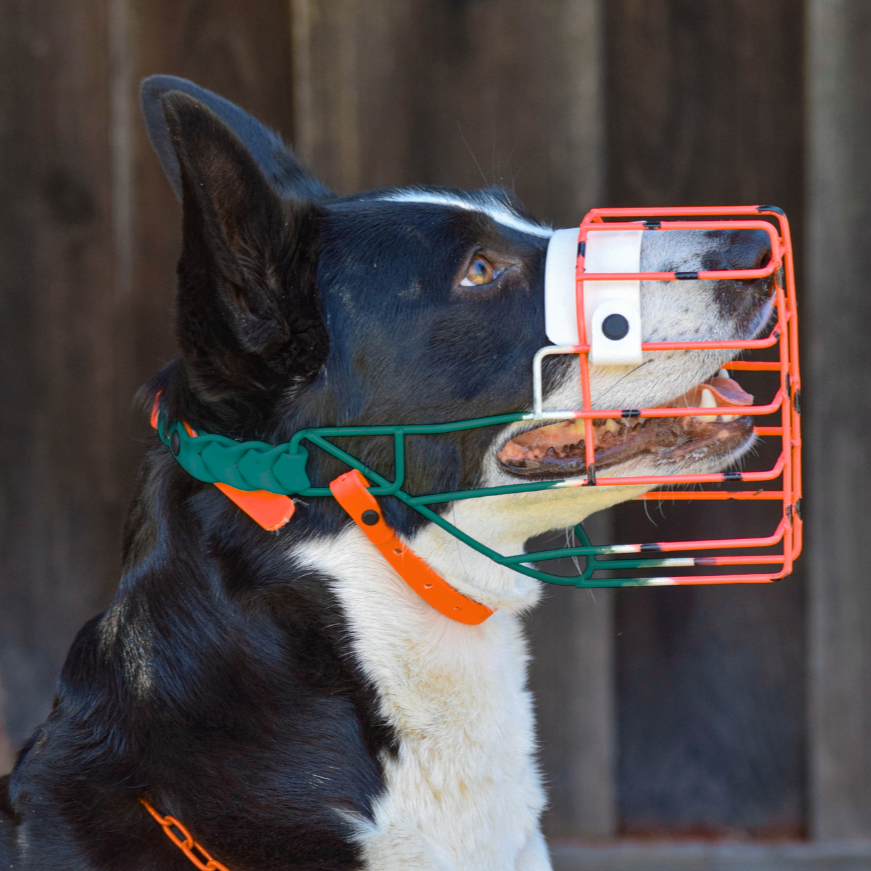
Credit: www.bigsnoofdoggear.com
Crafting The Muzzle
Creating a dog muzzle requires basic materials like fabric, straps, and buckles. Measure your dog’s snout for a comfortable fit. Stitch the fabric securely and attach straps for easy adjustment.
Crafting the muzzle requires patience and precision. It’s a rewarding task that ensures your dog’s comfort and safety. You will need a few basic materials and tools. The process is straightforward, making it suitable for any pet owner willing to try.Cutting The Materials
Start by gathering the necessary materials. You’ll need soft fabric, scissors, and measuring tape. Measure your dog’s snout to ensure the perfect fit. Use the tape measure to check both length and width. Once you have the measurements, mark them on the fabric. Cut the fabric according to the measurements. Ensure the edges are smooth to avoid any irritation. Double-check the size to make sure it matches your dog’s snout dimensions.Assembling The Parts
Lay out the cut pieces on a flat surface. Arrange them in the order they will be assembled. Begin stitching the main snout piece first. Use strong thread for durability. Next, attach the straps. These will secure the muzzle in place. Stitch them firmly to the main piece. Make sure the straps are adjustable for comfort. Test the assembly by gently pulling at the seams. Finish by checking all parts for firmness. Inspect the muzzle for any rough edges. Trim any excess threads and ensure the fit is snug yet comfortable.Testing The Fit
Testing the fit ensures your dog’s comfort and safety. Adjust the muzzle to fit snugly yet comfortably. Make sure it’s not too tight or too loose, allowing your dog to pant and breathe easily.
Testing the fit of a homemade muzzle is a crucial step to ensure your dog’s safety and comfort. It’s not just about keeping the muzzle secure; it’s about making sure your furry friend can breathe, drink, and pant easily. A well-fitted muzzle helps prevent any unnecessary stress or discomfort for your dog.Ensuring Safety
Start by gently placing the muzzle on your dog’s snout. Make sure it sits snugly without being too tight. The muzzle should not press into your dog’s eyes or restrict their ability to open their mouth slightly. Check the straps to ensure they are securely fastened. A loose muzzle can easily slip off, while an overly tight one can cause chafing. You want the muzzle to stay in place during use, preventing any chance of your dog escaping or the muzzle causing harm.Checking For Comfort
Observe your dog’s behavior. Are they trying to paw off the muzzle or seem unusually agitated? This could be a sign that the fit isn’t quite right. Allow your dog to wear the muzzle for short periods initially. This helps them get used to the sensation and lets you monitor any signs of discomfort or irritation. Does your dog seem relaxed, or are they showing signs of distress? Remember, a comfortable dog is a happy dog. Ensuring the right fit can make all the difference in how your dog adapts to wearing a muzzle. Have you found any particular tips or tricks that have worked for you and your dog?Training Your Dog
Creating a muzzle for your dog can ensure safety during training. Use soft materials like fabric or gauze. Measure your dog’s snout for a snug, comfortable fit.
Training your dog to wear a muzzle requires patience and understanding. It’s crucial to create a positive association with the muzzle. This will help your dog feel comfortable and secure. Focus on gradual introduction and rewarding good behavior.Introducing The Muzzle
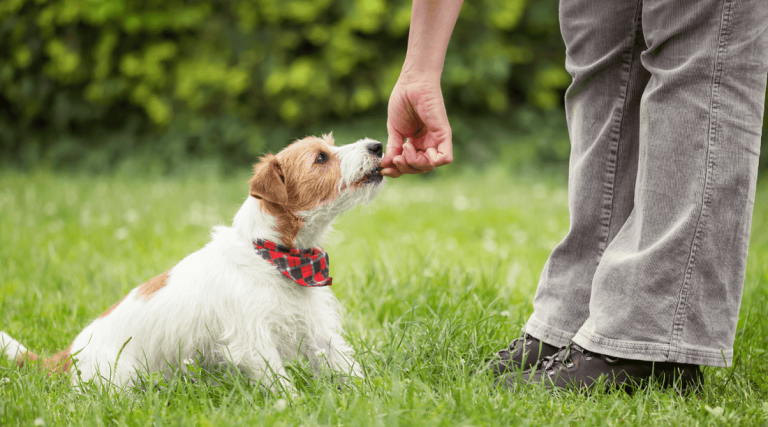
Start by letting your dog sniff the muzzle. Hold it in your hand and allow them to explore. This helps the muzzle seem less intimidating. Place treats inside or around the muzzle. Encourage your dog to take them without forcing the muzzle on. Repeat this process several times a day.Positive Reinforcement Techniques
Use treats and praise when your dog interacts with the muzzle. Reward them every time they touch or sniff it. Gradually increase the reward for wearing the muzzle. Start with short periods, then extend the time as they get comfortable. Always end on a positive note. Remove the muzzle and give a treat, showing the muzzle means good things.Maintenance And Care
Creating a muzzle for a dog involves selecting soft, breathable materials for comfort. Measure the dog’s snout accurately to ensure a snug fit. Regularly check for any signs of wear or discomfort, and clean the muzzle to maintain hygiene.
Maintaining and caring for your dog’s muzzle is crucial for its longevity and effectiveness. A well-maintained muzzle ensures your dog’s safety and comfort during use. It also helps prevent any potential skin irritations or infections. Let’s dive into how you can keep the muzzle in top shape with proper cleaning and regular inspections.Cleaning The Muzzle
Regular cleaning is essential to keep the muzzle hygienic. After each use, wipe it down with a damp cloth to remove saliva and dirt. For a deeper clean, soak the muzzle in warm soapy water once a week. If your dog enjoys rolling around in the dirt, you might need to clean it more often. Rinse thoroughly to remove all soap residue, as leftover soap can irritate your dog’s skin. Allow the muzzle to air dry completely before storing it. This prevents mold and unpleasant odors from developing.Regular Inspections
Inspect the muzzle frequently for any signs of wear and tear. Check the straps and buckles to ensure they are secure and in good condition. Look for any fraying material or cracks that could compromise the muzzle’s safety. A damaged muzzle can be uncomfortable or even dangerous for your dog. If you notice any damage, consider repairing it promptly or replacing the muzzle altogether. Would you trust a broken seatbelt to keep you safe? The same logic applies here. Regular inspections can save you from unexpected mishaps.Frequently Asked Questions
How Can I Choose The Right Muzzle Size?
Choosing the right muzzle size is crucial for comfort. Measure your dog’s snout circumference and length. Ensure the muzzle isn’t too tight or loose. A well-fitted muzzle allows your dog to pant and drink water. Always refer to size guides from the muzzle manufacturer.
What Materials Are Best For Dog Muzzles?
Dog muzzles come in various materials like nylon, leather, and plastic. Nylon muzzles are lightweight and breathable. Leather muzzles are durable but heavier. Plastic muzzles are sturdy and easy to clean. Choose based on your dog’s needs and activity level.
Are Homemade Muzzles Safe For Dogs?
Homemade muzzles can be safe if crafted properly. Use durable materials that won’t cause discomfort. Ensure the muzzle allows panting and drinking. Regularly check for wear and tear. Always supervise your dog while using a homemade muzzle.
How Do I Train My Dog To Accept A Muzzle?
Training requires patience and positive reinforcement. Introduce the muzzle gradually. Reward your dog with treats for wearing it. Start with short sessions and increase the duration. Ensure your dog associates the muzzle with positive experiences.
Conclusion
Creating a muzzle for your dog can be simple and safe. Follow the steps to ensure comfort and effectiveness. Use materials that are soft and durable. Make sure the muzzle fits snugly without being tight. Always prioritize your dog’s safety and comfort.
Regularly check the muzzle for signs of wear or damage. Training your dog to accept the muzzle is important. Use treats and positive reinforcement. A well-made muzzle can help prevent unwanted biting or chewing. With patience and care, you can make a useful tool for your dog’s well-being.