How to Pad Train a Dog: Expert Tips and Tricks
Senior Canine Nutritionist & Dog Behavior Specialist at Cozy Dog Go Wellness Lab
Imagine a home where your furry friend knows exactly where to do their business, leaving you worry-free and your floors spotless. Sounds like a dream, right?
Well, pad training your dog can make this a reality. Whether you’re welcoming a new puppy into your home or adopting an older dog, mastering the art of pad training is essential for a harmonious living environment. You might feel overwhelmed or unsure about where to start, but fear not.
This guide is designed to make pad training a breeze, offering you simple, effective strategies to ensure your dog learns quickly and happily. Dive in, and discover how you can transform your home into a clean and happy haven for you and your beloved pet.

Credit: aminpetshop.com
Choosing The Right Training Pads
Selecting the right training pads is crucial for effective dog pad training. Consider pad size, material, and absorbency to ensure comfort and hygiene. Evaluate options that suit your dog’s needs and ease the transition to outdoor potty habits.
Choosing the right training pads is essential to pad training success. With so many options available, it can be overwhelming to know where to start. Selecting the right pad can make a significant difference in your dog’s training journey.Different Types Of Pads
Training pads come in several varieties, each offering unique benefits. Standard absorbent pads are the most common, featuring a plastic lining to prevent leaks. They’re great for puppies or small dogs. Scented pads are infused with attractants to encourage your dog to use them. This can be especially useful if your dog is reluctant to use the pads initially. Have you ever noticed how your dog seems drawn to certain areas? These pads tap into that instinct. Washable pads are a reusable option, perfect for those who want to avoid constant purchases. They can be washed and reused multiple times, making them cost-effective in the long run.Eco-friendly Options
If you’re environmentally conscious, there are eco-friendly training pads available. These pads are often made from biodegradable materials, reducing your carbon footprint. You can train your dog without the guilt of generating unnecessary waste. Some eco-friendly pads are also compostable, which means they can break down naturally in compost. Imagine the peace of mind knowing your dog’s training is contributing to a greener planet. As you choose, consider your priorities. Is it cost, convenience, or sustainability? Each option has its pros and cons, and finding the right balance is key. In my own experience, opting for eco-friendly pads not only felt better for the environment but also made me more consistent in training. Would you consider making a similar choice for your furry friend?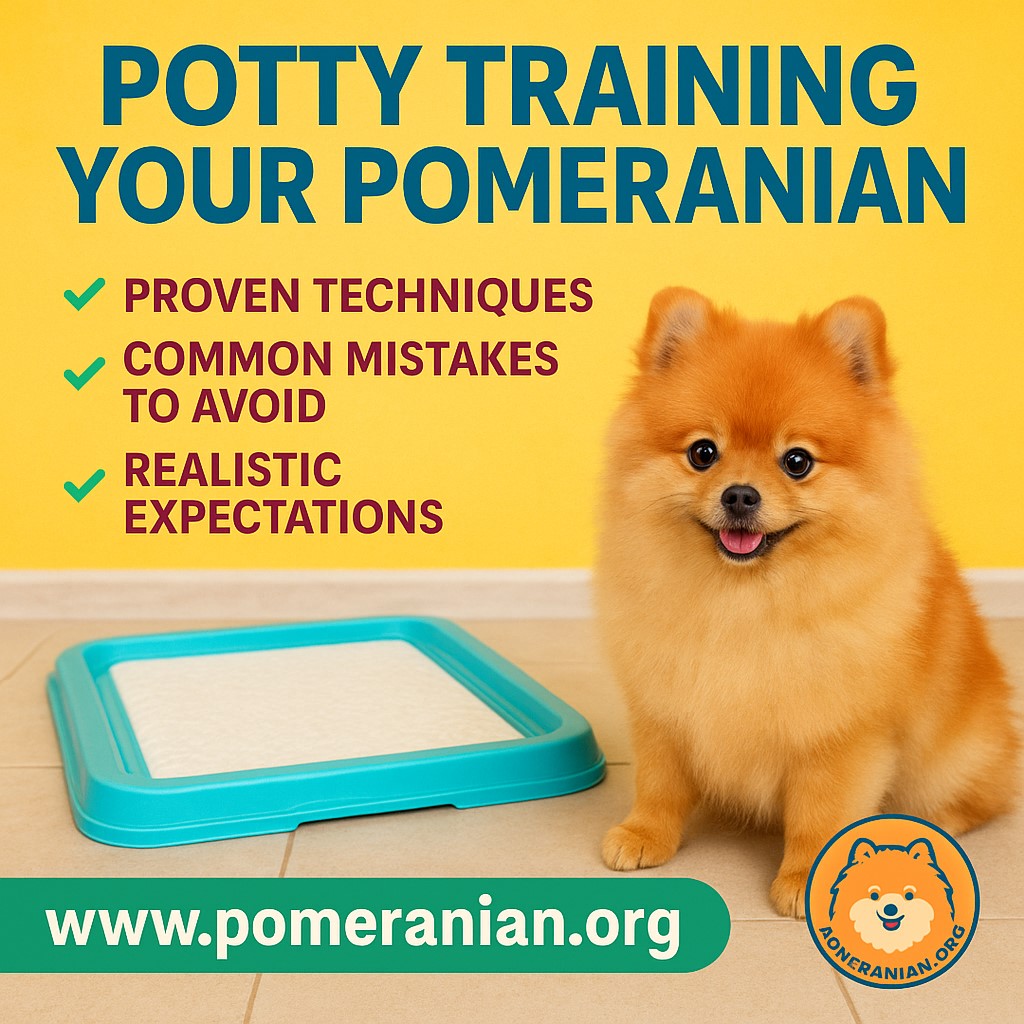
Credit: pomeranian.org
Setting Up The Training Area
Create a quiet, comfortable space for your dog’s pad training. Ensure easy access and remove distractions. Use a consistent area to help your dog learn quickly and confidently.
Setting up a training area is a crucial step in successfully pad training your dog. This dedicated space helps your furry friend understand where they should go, making the entire process smoother and less stressful. A well-planned training area can make a world of difference in establishing good habits quickly.Ideal Locations
Choose a spot in your home where your dog feels comfortable and safe. This could be a corner in the kitchen or a section of the laundry room. Ensure the area is easily accessible for your dog, even when you’re not around to guide them. Consider placing the training pads near the back door if your ultimate goal is to transition them to outdoor bathroom breaks. Do you have a place that is free from loud noises? This will help avoid unnecessary distractions and encourage your dog to focus.Safety Considerations
Safety is key in setting up the training area. Remove any small objects your dog might chew or swallow. Tidy up electrical cords to prevent any accidents. Ensure the floor is easy to clean in case of accidents, as this will help maintain hygiene. A non-slip mat under the training pad can provide extra security, preventing any slipping incidents. Having a puppy gate around the training area can also be helpful. It allows your dog to familiarize themselves with the space without wandering off. Remember, a safe training area is a successful training area.Introducing The Dog To The Pads
Introducing your dog to pads involves simple steps. Place the pad in a consistent spot to build familiarity. Encourage your dog to use the pad with gentle guidance and rewards.
Introducing a dog to training pads can be a gentle process. The goal is to help the dog feel comfortable and confident using the pads. This requires patience and consistency. With the right approach, dogs quickly learn to associate pads with toileting.Creating Positive Associations
Begin by placing the pads in a quiet corner. This area should be away from distractions. Encourage the dog to sniff and explore the pad. Praise the dog for showing interest in the pad. This helps create a positive association. Consistent praise builds trust and familiarity with the pads.Using Treats And Rewards
Reward the dog for using the pads correctly. Treats are a powerful motivator. Offer a small treat when the dog uses the pad. This reinforces positive behavior. Use a cheerful voice to offer praise. This combination of treats and praise encourages the dog. Gradually, the dog learns that using the pad is rewarding.Establishing A Routine
Creating a routine is vital for successful pad training. Dogs thrive on consistency. Training becomes easier when they know what to expect. Regular habits create a sense of security. This helps your dog learn and adapt quickly.
A structured routine prevents confusion. It reduces stress for both you and your pet. Every day should follow a similar pattern. Include feeding, playtime, and toilet breaks. This makes the process smoother and more effective.
Consistent Timing
Set specific times for potty breaks. After meals or naps is ideal. Puppies usually need frequent trips. Older dogs might have longer intervals. Stick to the schedule daily. This teaches your dog when to expect potty time.
Consistency helps build habits. It minimizes accidents indoors. Your dog learns to associate pad use with specific times. Gradually, this improves their understanding and compliance.
Monitoring Progress
Keep track of your dog’s progress. Note any changes or challenges. Observe their behavior near the pad. Are they using it regularly? Praise them for successful attempts. Offer gentle corrections for mistakes.
Regular monitoring helps identify patterns. Adjust the routine if needed. Some dogs learn faster, while others take time. Patience is key. Celebrate small victories. Encourage your dog with positive reinforcement.
Handling Accidents
Handling accidents while pad training your dog can be frustrating, but they are a natural part of the learning process. Understanding how to effectively deal with these mishaps is crucial in maintaining a positive training environment. With patience and a strategic approach, you can turn these accidents into stepping stones towards successful pad training.
Cleaning Techniques
Accidents happen, but the key is in how you clean them up. Make sure to use enzymatic cleaners to remove odors completely. This prevents your dog from being tempted to relieve themselves in the same spot. Consider using eco-friendly products that are safe for pets. These cleaners not only help in eliminating stains but also preserve the integrity of your flooring.
Act swiftly when an accident occurs. The quicker you clean, the less likely the smell will linger. Have a designated cleaning kit ready, including gloves, towels, and cleaners. This preparedness reduces stress and helps maintain a clean environment.
Preventing Future Incidents
Consistency is key in preventing accidents. Ensure your dog has regular access to the pad and praise them for successful attempts. Positive reinforcement encourages your dog to repeat the behavior. Set a routine where your dog can predict when it’s time to use the pad.
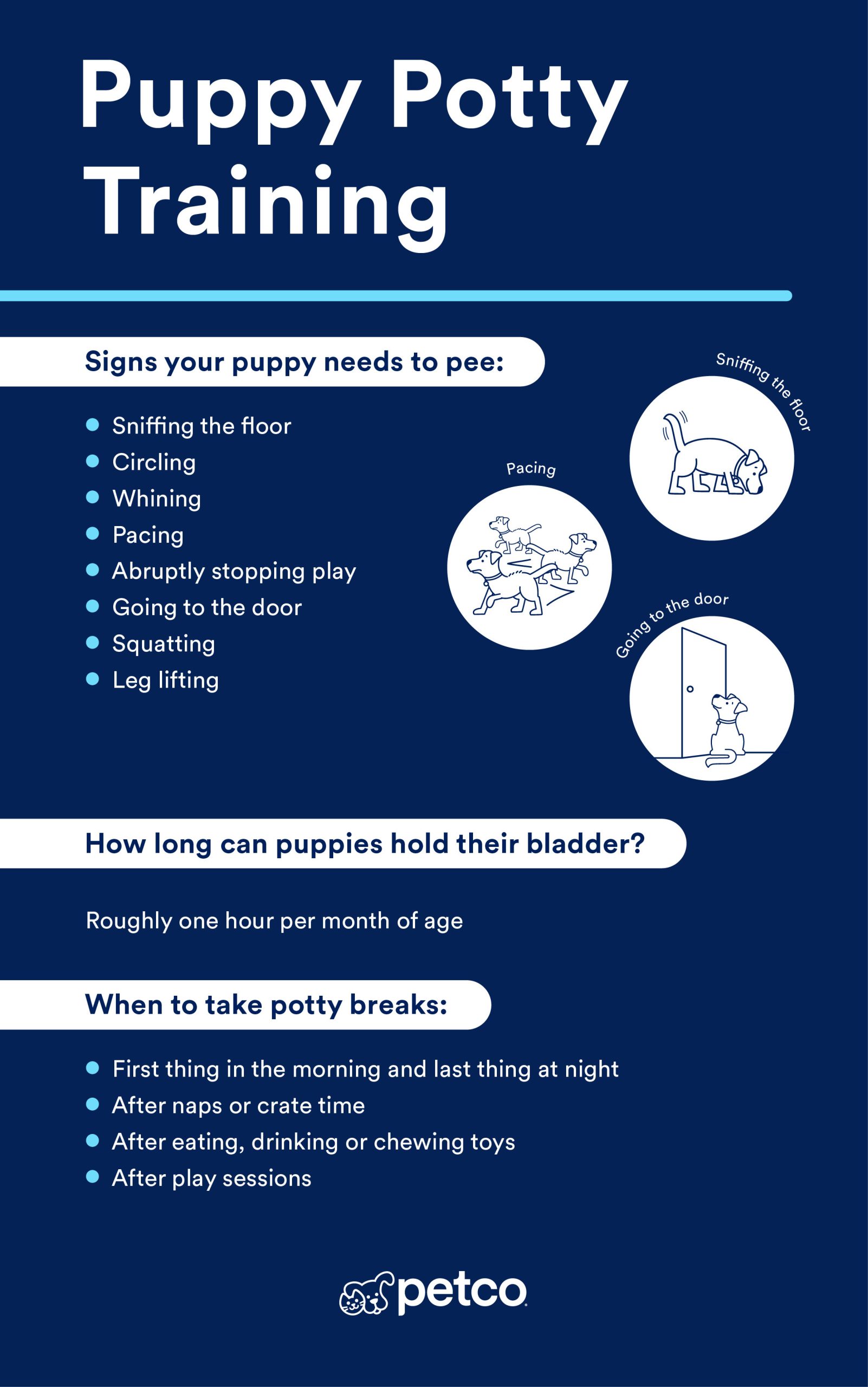
Observe your dog’s behavior for signs they need to go. Common signals include sniffing around or circling a spot. By anticipating these actions, you can guide them to the pad before accidents happen. Could there be something in your dog’s environment causing anxiety? Addressing any stressors can make a significant difference.
Consider the location of the pad. Is it easily accessible for your dog? Placing it in an area where your dog spends a lot of time can increase success rates. Engage with your dog during pad training; your involvement can boost their confidence and reduce mishaps.

Credit: allergystore.com
Transitioning Outdoors
Transitioning outdoors begins with effective pad training for your dog. Start by establishing a consistent routine and using positive reinforcement. Gradually move the training area closer to the door until your dog is ready for outdoor potty breaks.
Transitioning your dog from indoor pad training to outdoor potty habits is a vital step. It encourages natural behaviors and enhances your dog’s wellbeing. This process requires patience, consistency, and understanding of your dog’s needs. Dogs, like humans, thrive on routine and familiarity.Gradual Introduction
Begin with short outdoor trips. Take your dog outside after meals and naps. Pick a designated spot. Use a specific command. This helps your dog associate the area with bathroom breaks. Reward your dog with treats and praise when they successfully go. This reinforces positive behavior. Increase outdoor time gradually. As your dog becomes comfortable, extend the duration. Morning and evening are ideal for these sessions. Consistency is key. Stick to a schedule that suits your lifestyle.Recognizing Readiness
Observe your dog’s behavior. Signs like sniffing and circling show readiness. If your dog urinates outside consistently, it’s a good sign. Accidents indoors may still happen. Don’t worry. Clean up without scolding. Focus on the successes. Gauge your dog’s comfort. Notice any hesitation or fear. Encourage with a calm voice. Patience is crucial. Every dog learns at their own pace. Celebrate each achievement, big or small. Remember, transitioning outdoors is a journey. With love and persistence, your dog will master it.Common Challenges And Solutions
Pad training a dog can be challenging for many pet owners. Each dog is unique, and some obstacles are common in this training process. Understanding these challenges and finding effective solutions ensures a smoother training journey for both you and your furry friend.
Overcoming Fear Of Pads
Some dogs might be scared of the pad’s texture or smell. They may avoid stepping on it altogether. Introducing the pad gradually can help. Start by placing the pad near your dog’s usual spot. Encourage exploration with treats and praise. Familiarity builds confidence and reduces fear. Another effective method is using a scent attractant on the pad. This draws the dog in naturally, making the pad less intimidating.
Dealing With Reluctance
Reluctance to use the pad is another common challenge. Your dog might not understand the purpose of the pad initially. Consistency is key in addressing this issue. Place your dog on the pad after meals or naps. This establishes a routine and helps them associate the pad with a specific activity. Positive reinforcement is crucial. Reward your dog with treats or affection when they use the pad correctly. Avoid punishment, as it can create fear and hinder progress.
Tips From Professional Trainers
Training your dog to use a pad can be a challenging task, but with insights from professional trainers, it becomes much easier. These experts have years of experience and have refined techniques that make pad training effective and stress-free for both you and your furry friend. Here are some tips that might just be the game changer in your training journey.
Recommended Tools
Professional trainers often emphasize the importance of having the right tools at your disposal. Quality training pads are a must; they should be absorbent and large enough for your dog to comfortably use. Some trainers suggest using pads with attractant scents that encourage your dog to use them.
- Absorbent and durable pads
- Pads with attractant scents
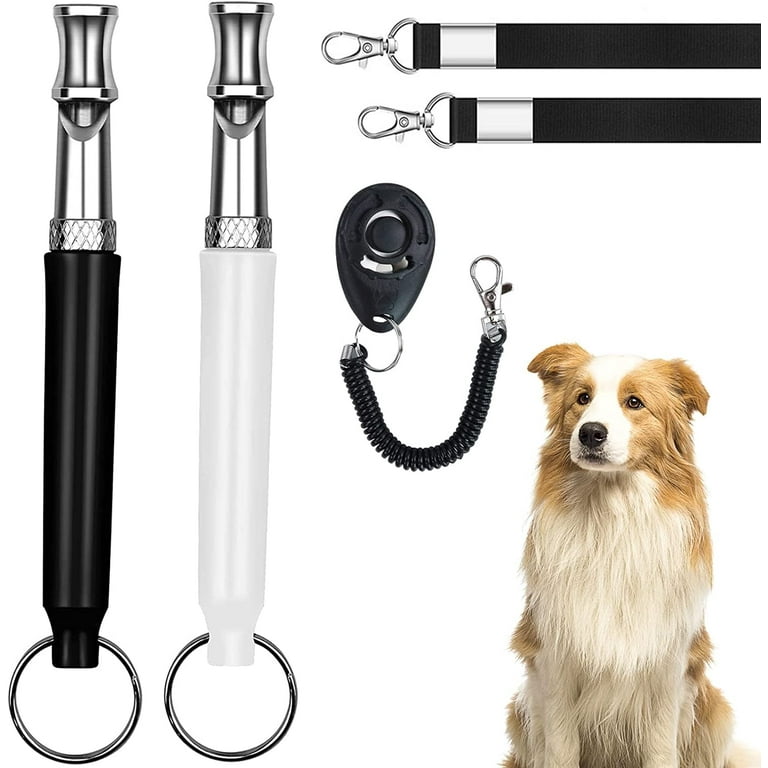
- Training clicker
A training clicker can also be beneficial. It’s a simple tool that helps reinforce positive behaviors. Imagine your dog successfully using the pad, and you reward them with a click and a treat. It’s a small gesture that can make a big difference.
Success Stories
Hearing about real-life success stories can be incredibly motivating. Take Linda’s experience with her stubborn pup, Max. Max initially refused to use the pad, opting for the living room carpet instead. Frustrated but determined, Linda incorporated a trainer’s advice by gradually moving the pad closer to Max’s favorite spot.
After a few weeks, Max started using the pad, much to Linda’s delight. What changed? The consistent reinforcement and patience. Remember, each dog is unique. What works for Max might not work for your dog, but it’s worth experimenting.
Have you ever tried a technique that seemed unconventional but worked wonders? Sometimes, stepping outside the box is all it takes to achieve success.
Frequently Asked Questions
What Is Pad Training For Dogs?
Pad training teaches dogs to use a designated indoor area for bathroom needs. It’s ideal for puppies and small breeds. Training involves consistent reinforcement and positive feedback. Pads are placed in a specific spot, and dogs are encouraged to use them.
This method helps prevent accidents inside the home.
How Long Does Pad Training Take?
Pad training can take a few weeks to a few months. The time depends on your dog’s age, breed, and personality. Consistency and patience are key. Regularly guide your dog to the pad and reward them. Some dogs may learn faster, while others need extra time.
Can Older Dogs Be Pad Trained?
Yes, older dogs can be pad trained with patience and consistency. Start by introducing the pad and encouraging its use. Positive reinforcement is crucial. Older dogs may take longer to adjust. Be patient and consistent with your training methods. Reinforce good behavior with treats or praise.
What Materials Are Needed For Pad Training?
You’ll need puppy pads, treats, and a designated area. Choose high-quality, absorbent pads. Place them in a convenient location. Use treats for positive reinforcement. You might also need a crate or playpen. These help limit your dog’s space and prevent accidents during training.
Conclusion
Training a dog to use a pad takes patience and consistency. Celebrate small successes along the way. Stay calm and positive during the process. Dogs respond well to encouragement. Provide rewards for good behavior. This builds trust and reinforces learning.
Keep the training environment clean and inviting. Consistency is key to success. Adjust your approach if needed. Every dog learns at their own pace. With time, your dog will learn. Enjoy the journey of teaching your furry friend. Remember, training is a bond-building experience.
Happy training!

Similar Posts