How to Potty Train a Shelter Dog: Expert Tips
Senior Canine Nutritionist & Dog Behavior Specialist at Cozy Dog Go Wellness Lab
Potty training a shelter dog can feel like a daunting task, but it doesn’t have to be. You’ve opened your heart and home to a furry friend in need, and now it’s time to help them settle into their new life.
Imagine the joy of seeing your dog confidently navigate their space without any accidents. You’re not just teaching them where to go; you’re building a bond and trust that will last a lifetime. In this guide, you’ll find simple, effective steps to potty train your shelter dog.
Whether you’re a seasoned pet parent or a first-time dog owner, these tips are designed to make the process smoother and more enjoyable for both you and your new companion. Stay with us, and discover how you can transform this challenge into a rewarding experience, creating a happy home for you and your shelter dog.
Credit: www.dogsavvylosangeles.com
Preparing For Potty Training
Preparing for potty training a shelter dog requires thoughtful planning. It sets the stage for a successful transition. With a bit of patience, you can help your dog adapt smoothly.
Gathering Supplies
Start with the basics. Collect essential items for potty training. You will need puppy pads or newspapers. They help manage accidents indoors. Consider getting a leash for outdoor training sessions. Treats are crucial. Reward your dog for good behavior. Choose healthy and tasty treats. A waste bag dispenser is useful. It keeps your space clean and hygienic. Have cleaning supplies ready. Accidents happen, and quick clean-ups are necessary.
Setting Up A Routine
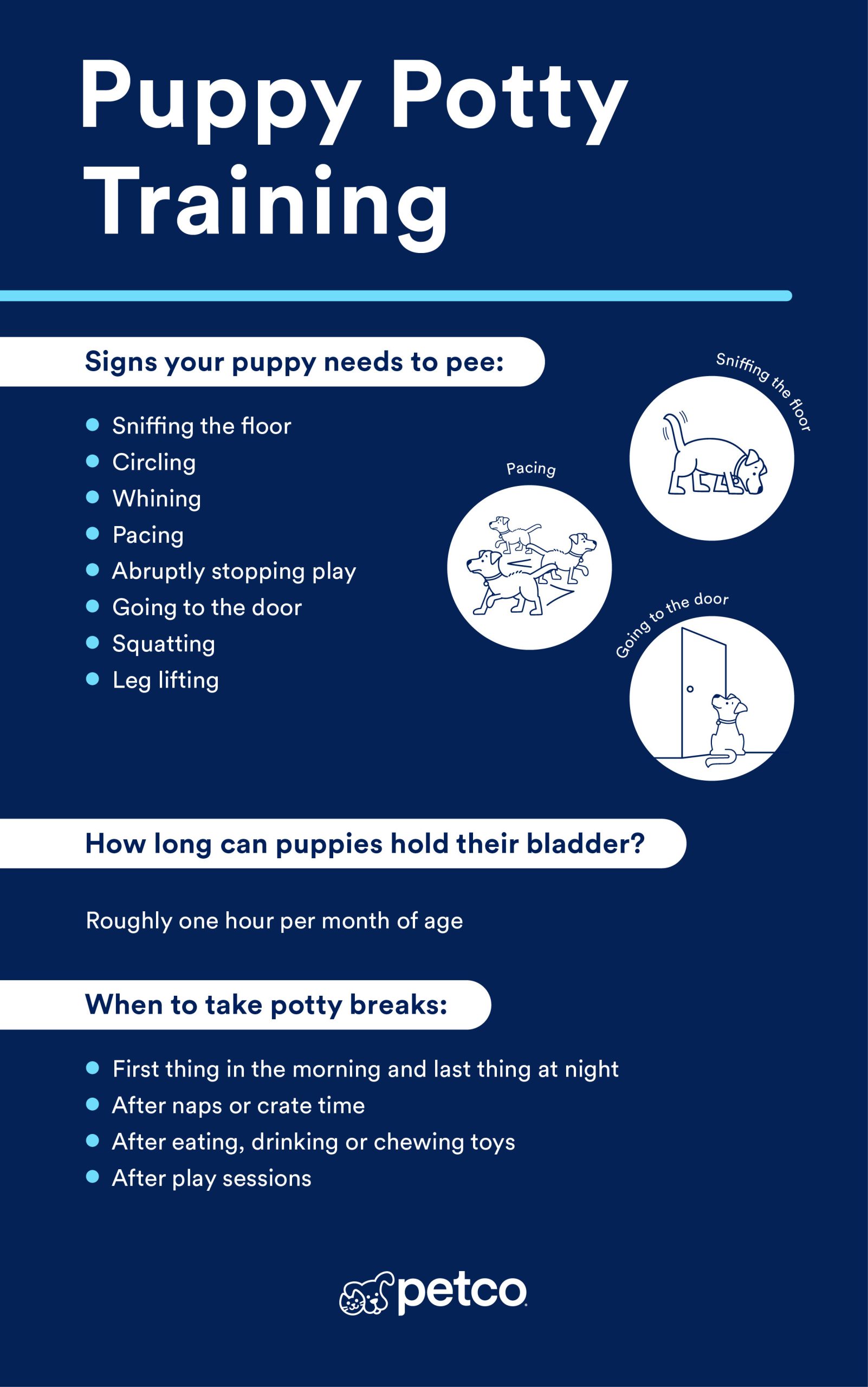
Consistency is key. Establish a regular routine for your dog. Begin with scheduled feeding times. It helps predict potty needs. Take your dog out regularly. Morning, after meals, and before bed are good times. Observe your dog’s behavior. Look for signs like sniffing or circling. These indicate they need to go. Praise your dog when they succeed. Positive reinforcement encourages good habits. Stick to the routine. It builds trust and confidence in your dog.
Understanding Shelter Dog Behavior
Understanding the behavior of a shelter dog is crucial for successful potty training. These dogs often come from diverse backgrounds and may carry emotional scars from past experiences. Your new furry friend needs time, patience, and understanding as they adjust to their new life with you. By recognizing their unique behavior patterns, you can create a supportive environment that encourages positive habits.
Adjusting To New Environments
Shelter dogs might feel overwhelmed when introduced to a new home. Everything is unfamiliar—from the smells and sounds to the people and routines. It’s normal for them to take time to settle. You might notice your dog exploring cautiously or sticking close to you for comfort. To ease their transition, establish a consistent routine and provide a quiet space where they can retreat. This helps them feel secure and gradually adapt to their surroundings.
Common Behavioral Challenges
Shelter dogs can exhibit behaviors like anxiety, fear, or even aggression, which are often rooted in their past experiences. Potty training might seem daunting if your dog is anxious or easily startled. It’s important to remain calm and patient. Consider using positive reinforcement techniques, rewarding them for successful potty trips. This not only encourages good behavior but also builds trust between you and your dog.
Have you ever noticed your dog displaying signs of stress during training sessions? Take a step back and assess the situation. Are there external factors affecting their behavior, such as loud noises or unfamiliar visitors? Identifying triggers can help you modify the environment to suit their needs, making potty training smoother.
- Maintain a consistent feeding schedule to predict potty times.
- Use positive reinforcement like treats or praise.
- Be patient and avoid punishment, which can worsen anxiety.
Understanding and addressing shelter dog behavior is not just about training; it’s about building a lasting bond. By approaching potty training with empathy and patience, you pave the way for your dog to thrive in their new home. What steps will you take today to understand your shelter dog’s unique needs?
Establishing A Training Schedule
Creating a consistent routine is crucial for potty training a shelter dog. Regular feeding times help predict bathroom needs. Take the dog outside after meals and naps, praising success to build positive habits.
Establishing a Training Schedule Creating a structured potty training schedule for your shelter dog is crucial for success. Dogs thrive on routine, and a predictable schedule helps them understand what’s expected. This process requires patience and dedication, but the results are rewarding for both you and your furry friend.Choosing The Right Times
Timing is everything when it comes to potty training. Start by observing your dog’s natural rhythms. Are they more active in the morning or evening? Use these observations to schedule bathroom breaks when your dog is most likely to need them. Typically, a dog needs to go out first thing in the morning, after meals, and right before bed. This helps prevent accidents and teaches your dog when it’s appropriate to relieve themselves.Consistency Is Key
Consistency builds trust and understanding. Stick to your chosen schedule, even on weekends or during busy days. Dogs learn best when they know what to expect. Reward your dog with praise or a small treat after successful bathroom trips. Positive reinforcement strengthens the behavior you want to encourage. Have you ever noticed your dog signaling when they need to go? Pay attention to these cues. Responding consistently reinforces their communication skills, making the training process smoother. By maintaining a regular schedule and being attentive, you’ll create a harmonious environment for both you and your shelter dog.Credit: www.instagram.com
Positive Reinforcement Techniques
Positive reinforcement techniques aid in potty training a shelter dog effectively. Rewarding good behavior with treats or praise encourages them to repeat it. Consistency and patience help build trust and understanding.
Potty training a shelter dog can be an exciting journey, especially when you embrace positive reinforcement techniques. These methods are not only effective but also build trust between you and your furry friend. Encouraging good behavior through rewards rather than punishment helps your dog feel secure and loved in their new home. Imagine the joy on their face when they understand what you expect!Using Treats And Praise
Treats are a fantastic motivator for dogs, acting as a tangible reward for their efforts. Start by choosing small, tasty treats that your dog loves. These should be special treats, different from their regular food, to make them extra enticing. Pair treats with verbal praise to reinforce the behavior. A simple “good job!” or “well done!” can go a long way in making your dog feel appreciated. Consistency is key, so offer the treat and praise immediately after they successfully go potty outside. Remember, your enthusiasm will make your dog eager to repeat the behavior. What better way to say “thank you” than with a delicious reward and a loving voice?Creating A Reward System
Developing a reward system can make potty training structured and fun. Create a chart to track your dog’s progress, marking each successful potty break with a sticker or a checkmark. This visual representation can be motivating for both you and your dog. Consider setting milestones and celebrating them. For example, after a week of successful potty breaks, you might give your dog a new toy or an extra-long walk at their favorite park. Engage your dog in the reward system by using a specific word or sound every time they get a treat or praise, like a click or a bell ring. This signals that they’ve done something right and encourages them to repeat the behavior. Think about what motivates your dog the most. Is it food, play, or affection? Tailor your reward system to suit their preferences, ensuring it resonates with them and strengthens your bond. Ultimately, positive reinforcement is about building a trusting relationship. How will you create a rewarding experience for your shelter dog today?Handling Accidents
Accidents happen when potty training a shelter dog. Stay calm and clean up immediately to prevent lingering odors. Reward positive behavior to reinforce the training process.
Handling accidents is an inevitable part of potty training a shelter dog. As you embark on this journey, remember that every accident is an opportunity to learn and improve. It’s crucial to approach these moments with understanding and a positive mindset.Cleaning Up Properly
Proper cleanup is vital to prevent future accidents in the same spot. Use an enzyme-based cleaner to eliminate odors that might attract your dog back to the same area. Regular cleaning solutions might mask the smell for you but not for your dog’s sensitive nose. Consider setting a cleaning routine. This could involve regularly scheduled cleaning sessions to address any missed spots. A clean environment encourages better habits for your furry friend.Maintaining Patience
Patience is your best ally in this process. Your shelter dog is adjusting to a new environment and routine. It’s normal for them to take a little time to learn where they should go. If you find yourself getting frustrated, take a break. Step outside, clear your mind, and remember why you chose to adopt and train your dog. How would you feel if your dog gave up on you after a mistake? Celebrate small victories. Every successful bathroom trip is progress worth acknowledging. Keep treats handy and offer praise to reinforce positive behavior.
Credit: www.youtube.com
Monitoring Progress
Consistency is key in potty training a shelter dog. Observe progress by noting successful bathroom trips outdoors. Adjust routines as needed to build reliable habits.
Monitoring the progress of potty training a shelter dog is vital. It helps to identify what’s working and what needs adjustment. Consistent tracking ensures that the training remains effective and efficient. This phase requires patience and observation. Celebrate small victories to motivate both you and your furry friend.Tracking Improvements
Keep a journal of your dog’s potty habits. Note times they successfully go outside. Record any accidents indoors, too. This helps identify patterns in their behavior. Check if certain times of the day are more problematic. Use this information to adjust the routine accordingly. A visual chart can also help track success over time.Adjusting Techniques As Needed
Stay flexible with your training methods. If accidents persist, try changing the schedule. Increase outdoor trips or adjust feeding times. Ensure positive reinforcement is consistent. If treats aren’t working, consider using praise or play as rewards. Sometimes, different techniques suit different dogs. Be patient and explore new strategies if needed.Seeking Professional Help
Consulting a professional can ease the process of potty training a shelter dog. Experts offer tailored techniques and support. Their guidance can help address unique challenges and ensure successful training.
Potty training a shelter dog can sometimes be a challenging journey, and seeking professional help might be the key to success. While many dogs adapt quickly, others may struggle due to previous experiences or stress. Recognizing when to consult a trainer can save you time and help your dog settle into its new environment more comfortably.When To Consult A Trainer
Knowing when to seek professional help is crucial. If your dog has frequent accidents despite regular training efforts, it might be time to consult a trainer. Puppies and older dogs might have different needs, and a professional can offer tailored advice. Consider the emotional state of your dog. If they’re anxious or scared, potty training might become a secondary concern. A trainer can help address these emotional barriers, making the process smoother for both you and your dog.Benefits Of Professional Guidance
Professional trainers bring a wealth of experience and can offer personalized strategies that suit your dog’s needs. They understand canine behavior and can identify subtle cues that indicate underlying issues. With their help, you can establish a routine that works for your dog’s unique temperament and habits. This can lead to faster learning and fewer accidents, ultimately fostering a stronger bond between you and your furry friend. Consider how much time you spend correcting accidents. A trainer can offer methods that save you time and energy, allowing you to focus on enjoying your pet rather than constantly cleaning up messes. Have you thought about how your approach might affect your dog’s progress? Professional advice can help refine your techniques, ensuring you’re on the right path to success.Frequently Asked Questions
What Is The Best Age To Potty Train A Shelter Dog?
The ideal age to start potty training a shelter dog is between 12 and 16 weeks. At this age, they have better control over their bladder and bowels. However, older dogs can also be successfully trained with patience and consistency.
How Long Does It Take To Potty Train A Shelter Dog?
The time to potty train a shelter dog varies, typically ranging from a few weeks to several months. Consistency and positive reinforcement are key factors. Every dog learns at their own pace, so patience is crucial during the training process.
Can Older Shelter Dogs Be Potty Trained?
Yes, older shelter dogs can be potty trained with patience and persistence. Start by establishing a routine and using positive reinforcement methods. Consistent schedules and rewarding good behavior can help older dogs adapt and learn effectively.
What Are Common Challenges In Potty Training Shelter Dogs?
Common challenges include inconsistent schedules, past trauma, and lack of previous training. Shelter dogs may require extra patience and understanding. Establishing a consistent routine and using positive reinforcement can help overcome these challenges effectively.
Conclusion
Success in potty training your shelter dog takes patience and consistency. Build trust and understanding with your furry friend. Celebrate small victories to boost confidence. Create a routine that suits both of you. Stay calm during accidents and learn from them.
Every dog learns at their own pace. Enjoy this bonding time with your new pet. Your love and dedication will make training easier. With time, your dog will feel at home. You both will share a happier life together. Keep nurturing and supporting your dog’s growth.
A well-trained dog brings joy to your family.

Similar Posts