How to Potty Train Dog: Expert Tips for Success
Senior Canine Nutritionist & Dog Behavior Specialist at Cozy Dog Go Wellness Lab
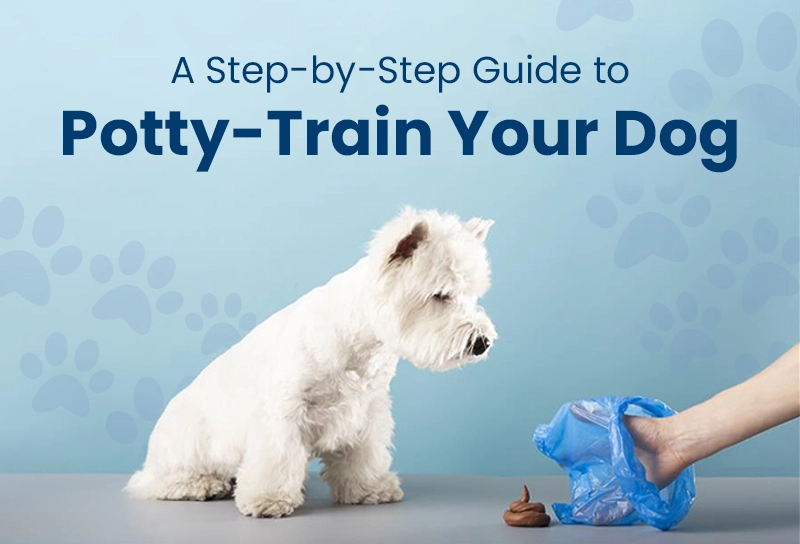
Potty training your dog can feel like a daunting task. You’re likely picturing accidents, frustration, and a messy home.
But what if there was a way to make this process smoother, faster, and even enjoyable for both you and your furry friend? Imagine the satisfaction of seeing your dog learning the ropes quickly, without the stress or chaos. This guide is designed with you in mind, breaking down the steps into simple, actionable tips.
Discover how you can transform your dog’s behavior with ease, and enjoy the peace of mind that comes with a well-trained pet. Keep reading, because the solution to your potty training challenges is just a few scrolls away.
Choosing The Right Time
Choosing the right time to potty train your dog is crucial. Opt for a period when you can dedicate consistent attention. Early mornings or after meals are often ideal moments for successful training.
Choosing the right time to start potty training your dog is crucial for success. If you begin too early, your puppy may not be physically or mentally ready to grasp the concept. Conversely, starting too late might make the process longer and more challenging. So, how do you determine the best time to start this essential training?Consider Your Dog’s Age
Puppies usually have enough control over their bladder by the time they are 12 to 16 weeks old. At this age, they’re more capable of learning and remembering routines. It’s often the sweet spot for starting potty training. Have you ever tried teaching an overly young pup? It can feel like a battle against nature, but with a little patience, you’ll notice progress.Look For Signs Of Readiness
Is your puppy curious and eager to explore? Do they follow simple commands like “sit” or “stay”? These are good indicators that they’re ready for potty training. Puppies that understand basic commands are usually more receptive to learning new tasks. Imagine the satisfaction of witnessing your furry friend mastering a skill step-by-step.Evaluate Your Schedule
Consistency is key in potty training. Make sure you have enough time to dedicate to a regular schedule. Whether it’s a weekend or a less hectic week, having a predictable routine will benefit both you and your dog. Are you prepared to adjust your daily life to accommodate frequent potty breaks?Assess Your Dog’s Diet
A consistent feeding schedule leads to a predictable bathroom schedule. If your pup is on a regular diet, it’s easier to predict when they need to go out. Keep a log of their eating and bathroom habits for a few days. This will help you identify patterns and make potty training smoother.Factor In Your Living Situation
Your living environment can influence when to start potty training. If you live in an apartment, you may need more time to take your dog outside. Ensure you have a suitable potty area ready. Is your home set up to make potty trips convenient and stress-free? Choosing the right time isn’t just about your puppy’s age or readiness; it’s also about aligning your own circumstances to create a successful training environment. With the right timing and patience, potty training can be a rewarding experience for both you and your dog.Credit: www.facebook.com
Frequently Asked Questions
How Long Does It Take To Potty Train A Dog?
Potty training duration varies by dog. It typically takes 4-6 months for most dogs. Consistency and patience are key. Some dogs might learn faster, while others might need more time. Regular routines and positive reinforcement can expedite the process.
What Age Should I Start Potty Training?
Start potty training when your dog is 12-16 weeks old. At this age, puppies can control their bladder and bowel movements better. Earlier training helps establish good habits and reduces accidents. Always ensure consistency and positive reinforcement for best results.
How Do I Handle Potty Training Accidents?
Stay calm and never punish your dog for accidents. Instead, clean the area thoroughly to remove any scent. Reinforce positive behavior by praising and rewarding your dog when they potty outside. Consistency and patience are essential for effective training.
What Tools Help With Potty Training?
Use tools like puppy pads, crates, and cleaning solutions. Puppy pads can help manage accidents indoors. Crates provide a safe space and encourage bladder control. Cleaning solutions effectively remove odors, preventing repeated accidents in the same spot.
Conclusion
Training your dog to use the potty takes time and patience. Start with simple steps. Consistency is the key. Celebrate small victories. Every dog learns at its own pace. Be patient and understanding. Reward positive behavior often. This builds trust and encourages learning.
Keep the training sessions short and focused. Your dog will appreciate it. Remember, mistakes happen. Stay calm and supportive. With love and dedication, success is near. Enjoy the journey with your furry friend. Happy training!

Similar Posts