How to Put Dog Muzzle on: Easy Step-by-Step Guide
Are you struggling with the idea of putting a muzzle on your dog? You’re not alone.
Many dog owners face this challenge, often feeling a mix of concern and confusion. You want to ensure your dog’s safety and comfort, but the process can feel daunting. Imagine the peace of mind you’ll experience once you know how to do it correctly.
This guide will walk you through each step, offering practical tips to make the experience smooth for both you and your furry friend. Don’t worry—by the end, you’ll feel confident and your dog will be more at ease. Ready to transform a challenging task into a manageable routine? Let’s dive in.

Credit: www.youtube.com
Choosing The Right Muzzle
Choosing the right muzzle for your dog is crucial for their comfort and safety. Whether you’re dealing with a rambunctious pup or an anxious adult dog, the right muzzle can make all the difference. It’s not just about controlling behavior; it’s about ensuring your dog’s wellbeing while respecting their unique needs.
Types Of Dog Muzzles
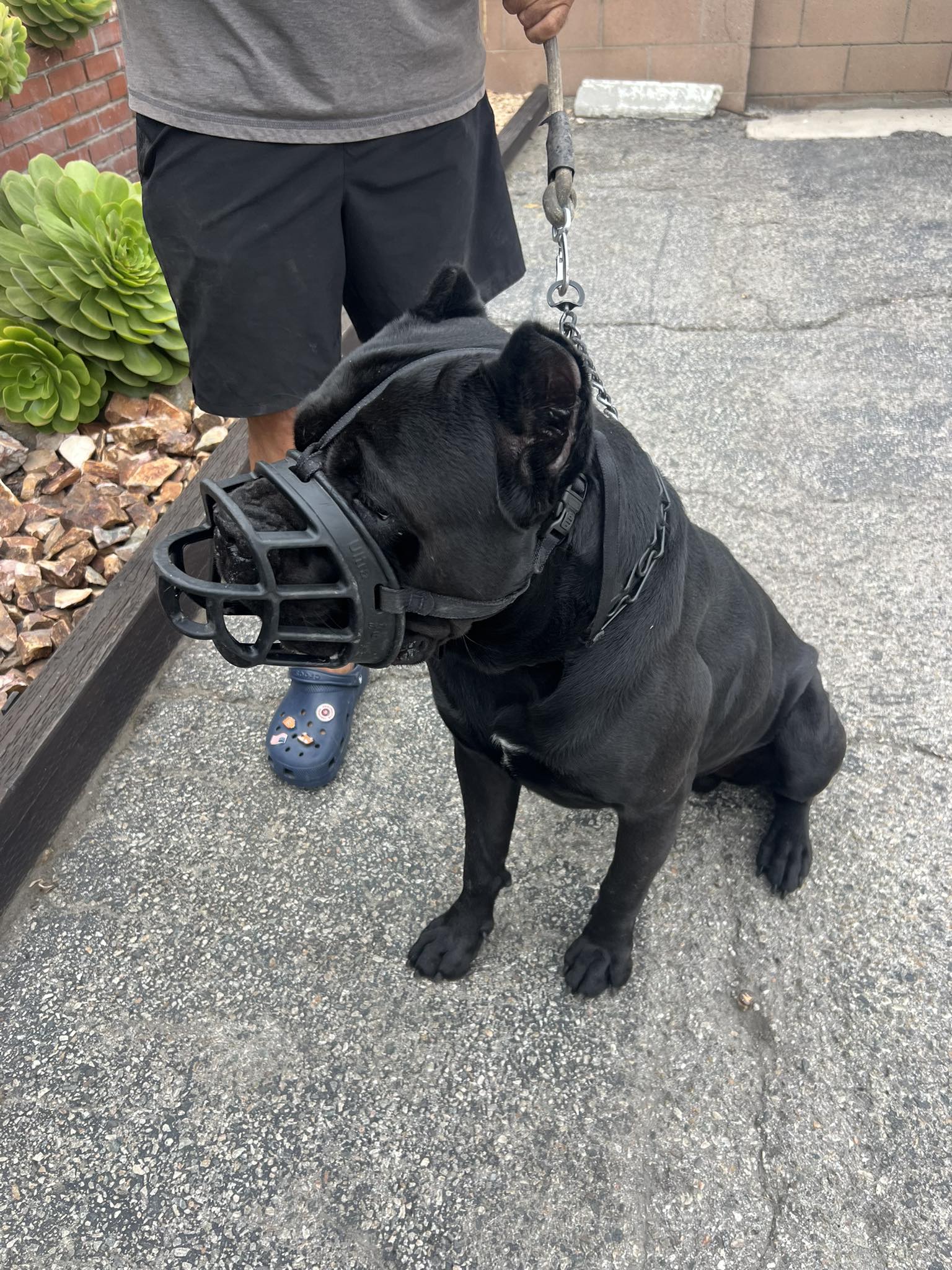
Dog muzzles come in various styles, each designed for different purposes. Basket muzzles are a popular choice, allowing your dog to pant and drink water while providing reliable restraint. Soft muzzles, usually made of fabric or mesh, are great for short-term use during grooming or vet visits.
Consider the breed-specific muzzles if your dog has a unique snout shape. These are tailored for breeds like Greyhounds and Pugs. Have you ever tried a muzzle specifically designed for your dog’s breed? It might be the perfect solution!
Sizing And Fit Considerations
Getting the right size is essential. A muzzle that’s too tight can cause discomfort, while one that’s too loose might not serve its purpose. Measure your dog’s snout carefully, taking note of length, circumference, and width.
Try different sizes to ensure a snug fit. A well-fitted muzzle should allow your dog to open their mouth slightly. Have you noticed any signs of irritation or discomfort? It’s a signal to check the fit again.
Does your dog seem to dislike the muzzle? It could be the fit! Adjusting the straps or opting for a different style might solve the issue.
Credit: www.facebook.com
Preparing Your Dog
Gently introduce your dog to the muzzle with treats and praise. Ensure the muzzle fits comfortably, allowing your dog to pant. Gradually increase the time your dog wears the muzzle to build comfort and trust.
Preparing your dog for a muzzle is essential. Start with patience and love. Dogs can sense your mood. Calmness helps them relax. This preparation will make the process smoother.Creating A Calm Environment
A peaceful setting is crucial. Choose a quiet room with few distractions. Turn off loud noises like TVs or radios. Keep other pets away during this time. This helps your dog focus on you. Make sure the lighting is soft. Bright lights can make dogs anxious. Your calm presence will reassure them.Building Trust With Your Dog
Trust is key. Spend time with your dog before introducing the muzzle. Play their favorite game or give gentle belly rubs. Offer treats they love. This builds a positive association. Speak softly to them. Use a soothing voice. Avoid sudden movements. Dogs respond well to gentle actions. Show them the muzzle. Let them sniff it. Praise them when they do. This will ease their curiosity and fear.Introducing The Muzzle
Gently introduce the muzzle to your dog in a calm setting. Allow them to sniff and explore it first. Gradually slip the muzzle over their nose, ensuring a snug but comfortable fit.
Introducing the muzzle to your dog can be a delicate process, but with the right techniques, you can make it a positive experience. Muzzles are essential tools for ensuring your dog’s safety and the safety of others, especially in unfamiliar situations or when your dog is recovering from an injury. The goal is to make your dog comfortable with the muzzle, associating it with positive experiences rather than fear or discomfort.Positive Reinforcement Techniques
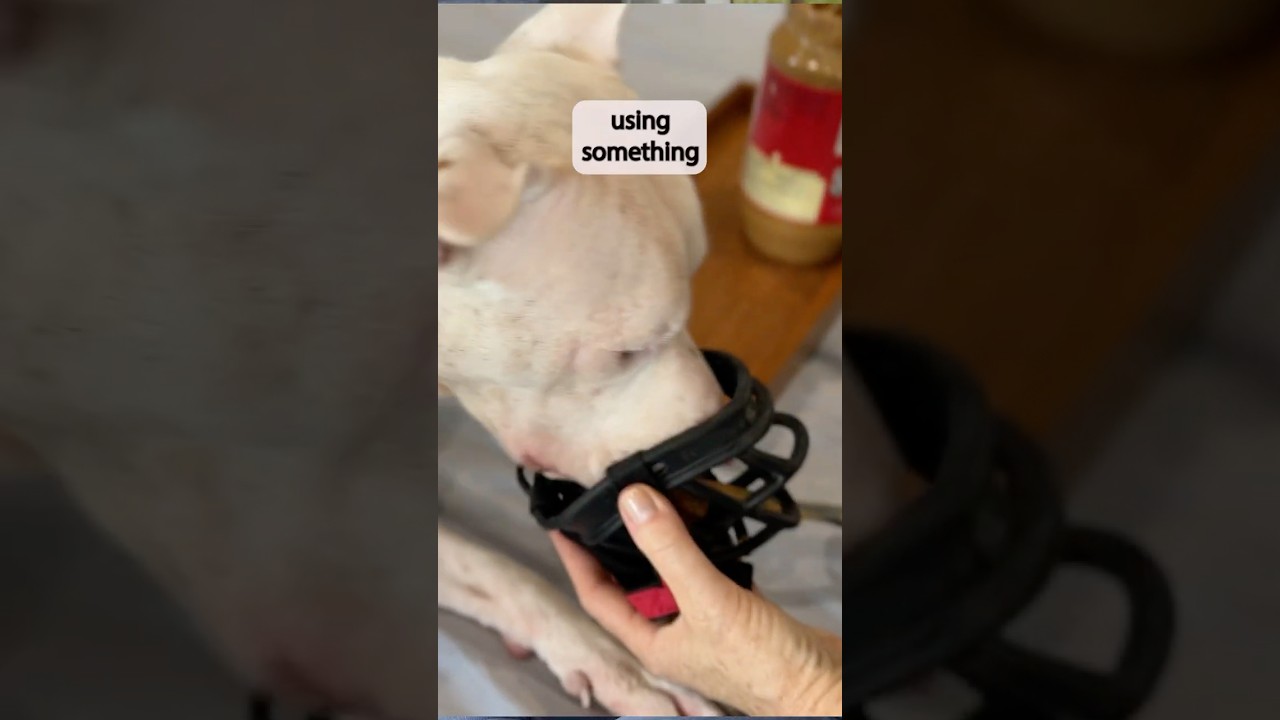
Positive reinforcement is key to teaching your dog that the muzzle is not a threat but a friendly accessory. Start by allowing your dog to sniff and explore the muzzle without putting it on. Reward them with treats and praise whenever they show curiosity or calmness around it. Consider using high-value treats, ones that your dog doesn’t usually get, to create a strong positive association. You can even place treats inside the muzzle to encourage your dog to stick their nose in. This simple act can transform the muzzle from a foreign object to a treat dispenser in their eyes. Ask yourself: How can you make the muzzle a source of joy for your dog? Celebrate small victories, like your dog willingly placing their nose in the muzzle. These moments build trust and confidence, making the process smoother for both of you.Gradual Introduction Process
Introducing the muzzle gradually ensures your dog doesn’t feel overwhelmed. Begin with short sessions where the muzzle is merely present, then slowly increase the duration as your dog becomes more comfortable. You might start by placing the muzzle on the ground during playtime, allowing your dog to approach it naturally. As your dog becomes more at ease, try gently holding the muzzle near their face without fastening it. This step-by-step approach helps your dog understand that the muzzle is part of their environment, not a sudden change. Be patient and observant. Notice your dog’s body language and adjust the pace according to their comfort level. If your dog seems uneasy, take a step back and offer reassurance. The gradual introduction ensures that the muzzle becomes a normal part of their life, leading to less stress and a happier pet.Securing The Muzzle
Securing a muzzle on your dog requires patience and calm. First, choose the right size for comfort. Gently introduce the muzzle, offering treats for positive association. Slide it over the snout while reassuring your dog. Ensure it fits snugly, allowing them to pant and drink.
Securing a dog muzzle is crucial for safety and comfort. Properly securing it ensures the muzzle stays in place, preventing unwanted incidents. A well-fitted muzzle allows your dog to breathe and pant easily. This guide will help you secure the muzzle correctly, focusing on adjusting straps and ensuring comfort.Adjusting Straps And Fastenings
Begin by gently placing the muzzle over your dog’s snout. Ensure it aligns properly with the nose and mouth. Check the straps are not twisted or tangled. Use the adjusters to fit the muzzle snugly but not tightly. Leave enough room for your dog to open its mouth slightly. Secure the fastenings to keep the muzzle in place. Test the fit by gently pulling on the straps. The muzzle should stay secure but not pinch the skin.Ensuring Comfort And Safety
Comfort is key when securing a muzzle. Ensure no part of the muzzle rubs or irritates the skin. Look for signs of discomfort, like excessive pawing or whining. The muzzle should allow your dog to pant and drink water. Regularly check the straps for wear and tear. Adjust them as needed to maintain a secure fit. Always supervise your dog while wearing a muzzle. Safety and comfort go hand in hand. Prioritize both for a happier, safer experience.Monitoring Your Dog
Putting a muzzle on your dog is more than just fastening it securely. It’s crucial to monitor your pet after the muzzle is on. This ensures your dog remains comfortable and calm, rather than anxious or distressed. By observing your dog’s behavior and conducting regular checks, you can make this experience as stress-free as possible for them.
Observing Behavior And Comfort
Once the muzzle is in place, pay close attention to your dog’s behavior. Are they attempting to remove it? Do they appear agitated or excessively stressed? These reactions might indicate discomfort. It’s essential to assess whether the muzzle fits properly and isn’t too tight or loose.
Watch for signs of distress, such as excessive panting or whining. These could suggest the muzzle is causing discomfort. Adjust the fit if necessary to ensure your dog can breathe and drink water easily. Remember, the goal is to make the muzzle a non-intrusive part of their routine.
Tips For Regular Checks
- Perform frequent visual inspections to ensure the muzzle remains in place and is not causing any irritation.
- Check for any signs of chafing or redness around the muzzle area. This might indicate it’s too tight or the material isn’t suitable for your dog’s skin.
- Regularly inspect the muzzle for damage or wear. A damaged muzzle can be a safety risk.
- Be attentive to your dog’s mood and energy levels. A sudden change might be linked to discomfort caused by the muzzle.
Would your dog tell you if they were uncomfortable? While they can’t speak, their behavior can communicate volumes. By being observant and proactive, you can ensure your dog’s muzzle experience is safe and comfortable.

Credit: www.padfoot.com.au
Maintaining The Muzzle
Ensure the muzzle fits the dog’s snout comfortably. Hold the muzzle open with one hand. Gently guide your dog’s nose into the muzzle. Adjust the straps behind the head for a snug fit. Reward your dog to make the experience positive.
Maintaining the muzzle is crucial for your dog’s comfort and safety. A well-maintained muzzle ensures your dog remains calm and secure while wearing it. Proper care will also extend the life of the muzzle, saving you time and money in the long run.Cleaning And Care Instructions
Regular cleaning is essential to keep the muzzle hygienic. Use warm water and mild soap to gently scrub away dirt and bacteria. Rinse thoroughly to ensure no soap residue is left, which could irritate your dog’s skin. Dry the muzzle completely before the next use. Moisture can cause odors and potentially lead to mold growth. For fabric muzzles, consider air drying to prevent shrinkage. Inspect the straps and buckles regularly. Ensure they are not frayed or damaged, as this could compromise the muzzle’s effectiveness. A quick check can prevent unexpected mishaps during use.When To Replace The Muzzle
Muzzles are not indestructible, and signs of wear are a clear indicator it’s time for a replacement. If you notice cracks in the plastic or tears in the fabric, it’s best to invest in a new one. Your dog’s safety should always be the top priority. Consider your dog’s comfort as well. If the muzzle no longer fits well or seems to cause discomfort, it’s worth exploring other options that might better suit your dog’s current size or temperament. Think about the frequency of use. A muzzle used daily will naturally wear out faster than one used occasionally. Keep an eye on how the material holds up over time. Have you ever had a muzzle break at an inconvenient time? Share your experiences and insights to help others make informed decisions about when to replace theirs.Frequently Asked Questions
How Do You Choose The Right Muzzle Size?
To choose the right muzzle size, measure your dog’s snout. Ensure it fits snugly but comfortably. The muzzle should allow your dog to pant and drink. Check the manufacturer’s sizing guide for accuracy. Proper fit ensures safety and effectiveness.
Why Should You Muzzle Your Dog?
Muzzling can prevent biting and eating harmful objects. It’s useful in stressful situations or vet visits. Muzzles ensure safety during grooming or when socializing with other animals. They can also help in training aggressive behavior.
How Can You Train A Dog To Accept A Muzzle?
Start by introducing the muzzle gradually. Reward your dog with treats for calm behavior. Practice wearing it for short periods, increasing over time. Make it a positive experience by associating it with fun activities. Patience and consistency are key.
What Are The Types Of Dog Muzzles Available?
There are basket, soft, and short-snout muzzles. Basket muzzles are great for ventilation. Soft muzzles provide comfort but are for short use. Short-snout muzzles cater to breeds like pugs. Choose based on your dog’s needs and activities.
Conclusion
Putting a muzzle on your dog need not be stressful. Remember, patience is key. Use treats to make it a positive experience. Start slow and let your dog sniff the muzzle first. Gradually, encourage wearing it for short periods. Always reward good behavior.
Don’t rush the process. Your dog will adapt in time. Practice consistently for best results. A well-fitted muzzle ensures safety and comfort. Your dog can still enjoy walks and playtime. Keep calm and stay positive. With these tips, you’ll handle it with ease.