How to Put Muzzle on Dog: A Stress-Free Guide
Senior Canine Nutritionist & Dog Behavior Specialist at Cozy Dog Go Wellness Lab
You’re out for a walk with your furry friend when suddenly, a squirrel dashes by, triggering an unexpected reaction. Situations like these might make you consider a muzzle for your dog.
But where do you start? You want to ensure your pet’s comfort while keeping everyone safe. It’s not just about strapping on a muzzle; it’s about doing it right. This guide will walk you through the steps, helping you understand the why, when, and how of muzzling your dog effectively.
Let’s dive into the details, so you and your pup can enjoy peaceful, stress-free outings.
Credit: www.facebook.com
Choosing The Right Muzzle
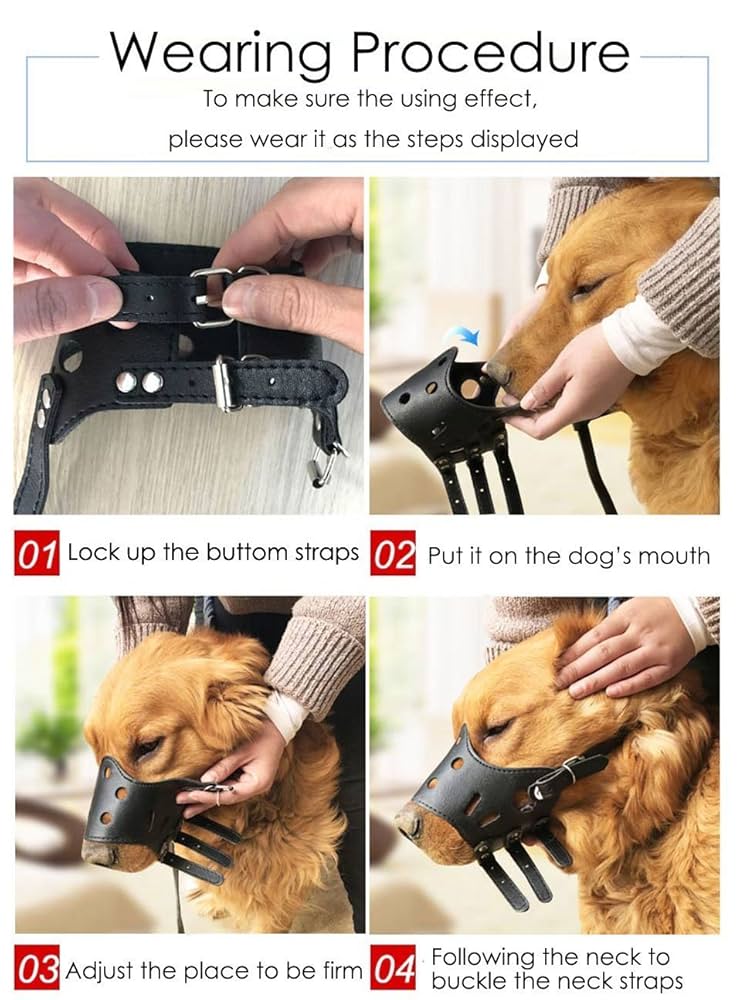
Selecting the right muzzle for your dog ensures safety and comfort. Gently introduce the muzzle, letting your dog sniff it. Reward calm behavior with treats, then gradually place the muzzle on the dog, securing it snugly without causing discomfort.
Choosing the right muzzle for your dog is an essential step in ensuring their comfort and safety. While muzzles can be necessary tools, selecting the wrong type can lead to discomfort and stress for your pet. Understanding the different options available can make the process easier and help you find the best fit for your furry friend.Types Of Dog Muzzles
There are several types of muzzles designed for different needs. Basket muzzles are popular because they allow your dog to pant, drink, and even take treats. These muzzles are ideal for longer wear. Soft muzzles are another option, often made from fabric or mesh. They can be more comfortable for short-term use but might not be as breathable as basket muzzles. If your dog has a unique facial structure, like a pug or a bulldog, specialized muzzles are available to accommodate their shape. Always consider the specific needs of your dog when choosing a type.Material Considerations
The material of the muzzle plays a significant role in its durability and comfort. Leather muzzles are sturdy and long-lasting, making them a great choice for strong dogs. However, they might be heavier and less flexible. Nylon and mesh muzzles are lightweight and often more breathable, suitable for short-term use or for smaller dogs. These materials provide flexibility and comfort but may not be as durable for strong chewers. Plastic muzzles are another common choice, offering a balance between durability and weight. They are often used in basket muzzles and are easy to clean, which is a bonus for hygiene-conscious pet owners.Size And Fit
Finding the right size and fit is crucial to ensure the muzzle is effective and comfortable. A poorly fitted muzzle can cause discomfort or even injury. Measure your dog’s snout carefully, considering both length and circumference. Most brands provide sizing guides. Use these as a reference to find the most accurate fit. A well-fitted muzzle should allow your dog to pant and breathe comfortably without slipping off. Pay attention to the straps and adjustability. Adjustable straps can help achieve a snug fit, ensuring the muzzle stays securely in place without causing discomfort. Always test the fit before using the muzzle for longer periods to prevent any issues.
Credit: www.youtube.com
Preparing Your Dog
Introduce the muzzle with treats to create positive associations for your dog. Gradually, let them sniff and touch it before gently fitting it over their nose. Ensure comfort and praise to ease their adjustment.
Preparing your dog for a muzzle involves careful planning. It ensures that the experience is positive. A muzzle can be useful in various situations. For instance, vet visits or crowded places. It’s crucial to make your dog comfortable. Start by understanding your dog’s temperament. Then, introduce the muzzle gradually. This approach helps reduce stress.Assessing Your Dog’s Temperament
Understanding your dog’s temperament is essential. Some dogs are naturally calm. Others might be anxious or aggressive. Observe your dog’s reactions. Do they show fear when new items appear? Are they curious or indifferent? This helps tailor your approach. Consider your dog’s past experiences. Have they worn a muzzle before? How did they react? This insight guides your preparation. Knowing your dog’s personality aids in easing them into this new experience.Gradual Introduction To Muzzle
Start with short sessions. Let your dog sniff the muzzle. This builds familiarity. Use treats to encourage positive associations. Praise your dog for interacting with the muzzle. Place the muzzle in your dog’s environment. Allow them to approach it freely. This reduces anxiety. Gradually increase the time they spend near it. Reward calm behavior consistently. Once comfortable, try fitting the muzzle briefly. Ensure it’s not too tight or loose. Observe your dog’s reaction. Continue rewarding them. Repeat this process daily. Slowly increase the duration. Patience is key during this phase. Each dog adapts differently. Maintain a calm demeanor. Your reassurance boosts their confidence.Positive Reinforcement Techniques
Using treats and praise can help make muzzling less stressful for your dog. Reward calm behavior and gradually introduce the muzzle, associating it with positive experiences. This builds trust and reduces anxiety, ensuring a smoother process.
Training your dog to wear a muzzle doesn’t have to be a stressful experience for you or your furry friend. Using positive reinforcement techniques can transform this task into a bonding opportunity. By focusing on rewards and associations, you can help your dog see the muzzle as something positive rather than a threat.Using Treats And Rewards
When introducing a muzzle, treats can be your best friend. Start by showing the muzzle to your dog and rewarding them with a treat for showing interest. Repeat this process, gradually moving to touch the muzzle to your dog’s nose, rewarding each time. Consistency is key. Always have a treat ready to reward even the smallest progress. Dogs love consistency, and it helps them understand what you want.Building Positive Associations
To build a positive association, think about what makes your dog happy. Is it a favorite toy or game? Use these during muzzle training sessions. Try placing the muzzle near their favorite toys or during playtime. This can help them associate the muzzle with fun and comfort. Have you ever noticed how your dog reacts to a certain word or sound? Use a happy, encouraging tone when introducing the muzzle to make the experience more positive. By focusing on positive reinforcement, you’re not just teaching your dog to wear a muzzle; you’re strengthening the trust and bond you share. Doesn’t it feel rewarding to see your dog happy and comfortable?Step-by-step Muzzle Training
Muzzle training is essential for your dog’s safety and comfort. It helps in situations where a muzzle is needed. Follow these simple steps for effective muzzle training. Start slow and ensure your dog feels comfortable.
Initial Fitting
Introduce the muzzle gently to your dog. Let them sniff and explore it. Reward them with treats for positive interactions. This builds a positive association. Ensure the muzzle fits snugly but isn’t too tight. Check that your dog can pant and breathe easily.
Short Sessions
Start with brief sessions. Place the muzzle on your dog for a few seconds. Reward them with treats and praise. Remove the muzzle and repeat. Gradually increase the time your dog wears the muzzle. Keep sessions short to prevent stress.
Increasing Duration
Once your dog is comfortable, extend the duration. Gradually increase the time they wear the muzzle. Monitor their behavior for signs of stress. Always reward them for calm behavior. Consistency is key for successful training.
Common Challenges And Solutions
Dogs may resist wearing a muzzle due to discomfort or fear. Ensuring a proper fit and gradual introduction can ease their anxiety. Positive reinforcement and patience help them associate the muzzle with safety and calm.
Putting a muzzle on a dog can be challenging. Many dogs resist, and ensuring their comfort is crucial. Owners often face common challenges. Understanding these can help find solutions. Let’s explore some of these challenges.Dealing With Resistance
Dogs often resist muzzles. They might feel scared or uncomfortable. It’s essential to introduce the muzzle slowly. Start by letting your dog sniff it. Offer treats as a reward. This builds positive association. Practice putting it on for short periods. Gradually increase the time. Stay calm and patient. Your dog senses your emotions. Avoid forcing the muzzle. This can increase fear.Ensuring Comfort
Comfort is crucial for your dog. Choose the right size muzzle. It should fit snugly but not too tight. Your dog should be able to pant. Check the material. Soft materials are better. They prevent chafing and irritation. Regularly check the fit. Dogs grow and change over time. Adjust the muzzle as needed. Always supervise your dog while wearing it. Comfort leads to less resistance.Safety Tips
Ensure the muzzle fits snugly but comfortably on your dog’s snout. Offer treats for a calm experience. Secure the straps behind the ears without pinching fur.
Ensuring your dog’s safety when putting on a muzzle is crucial, not only for their well-being but also for your peace of mind. The right approach can make a significant difference in the experience for both you and your furry friend. A few thoughtful steps can ensure that the muzzle is a tool for safety and comfort rather than a source of stress.Monitoring Your Dog
Once the muzzle is on, keep a close eye on your dog. Are they able to pant and drink water easily? These are essential functions that should not be hindered by the muzzle. Watch for any signs of distress. If your dog is frantically pawing at the muzzle, it might be too tight or uncomfortable. Regular checks can prevent potential problems. A comfortable dog is a happy dog, even when wearing a muzzle.Signs Of Discomfort
Dogs can’t tell us when something is wrong, but their body language can speak volumes. Is your dog avoiding eye contact or looking unusually submissive? These could be signs they’re not happy with the muzzle. Check for any redness or irritation around the muzzle area. This can indicate that the muzzle is too tight or made from an unsuitable material. Consider how long the muzzle is on. Extended wear can cause discomfort, so ensure your dog gets regular breaks. Safety isn’t just about preventing bites; it’s also about ensuring your dog’s overall well-being. How can you ensure your dog feels safe and secure in their muzzle?When To Use A Muzzle
Choosing the right time to use a muzzle is crucial. It’s best used during vet visits or grooming. Ensure the muzzle fits well to prevent discomfort.
Putting a muzzle on a dog can be a sensitive topic for many pet owners. Knowing when it’s appropriate to use a muzzle is key to ensuring the safety of both your pet and those around them. Muzzles can be a useful tool, but they should be used thoughtfully and in specific situations.Situations For Muzzle Use
Muzzles can be beneficial in several scenarios. If your dog is injured and in pain, they might react unpredictably, and a muzzle can prevent bites during treatment. Similarly, during vet visits, some dogs feel anxious and may lash out, so a muzzle can keep everyone safe. Public events or crowded places can also be overwhelming for some dogs. If your pet shows signs of stress or aggression, a muzzle can prevent unwanted incidents.Alternatives To Muzzles
While muzzles can be helpful, they’re not the only solution. Training and socialization are critical in teaching your dog appropriate behavior. Positive reinforcement techniques can help your dog learn to stay calm and relaxed in stressful situations. Consider using a head halter or gentle leader. These tools can give you better control over your dog without restricting their mouth. Always assess the situation and your dog’s comfort level before deciding on a muzzle. Have you ever tried alternative methods with your dog? It’s worth exploring different options to see what works best for both of you. Every dog is unique, and what works for one may not work for another.
Credit: www.youtube.com
Frequently Asked Questions
How Do You Choose The Right Muzzle Size?
Choosing the right muzzle size is essential for comfort and safety. Measure your dog’s snout circumference and length. Compare these measurements with the manufacturer’s sizing chart. Ensure the muzzle fits snugly but allows your dog to pant and drink water.
Always check for adjustable straps for a secure fit.
Why Should You Muzzle Your Dog?
Muzzling can prevent biting during stressful situations. It’s helpful during vet visits or grooming sessions. Muzzles can also deter your dog from eating harmful objects. However, a muzzle is not a solution for aggression. Always consult a professional trainer if your dog shows aggressive behavior.
Can Dogs Eat And Drink With A Muzzle On?
Some muzzles allow dogs to eat and drink. Basket muzzles are designed for this purpose. They provide room for panting, drinking, and small treats. Always ensure the muzzle fits correctly to avoid discomfort. Consult a veterinarian for advice on the best muzzle type for your dog’s needs.
How To Train A Dog To Accept A Muzzle?
Begin muzzle training gradually. Introduce the muzzle with positive reinforcement. Let your dog sniff and explore it first. Reward them with treats and praise. Gradually increase the time they wear the muzzle. Patience and consistency are key to successful muzzle training.
Conclusion
Muzzling your dog can ensure safety for everyone. Practice helps dogs feel comfortable. Choose the right fit for your dog’s size and breed. Always reward good behavior with treats or praise. Patience is key in training your dog to wear a muzzle.
Avoid forcing the muzzle onto your dog. Respect their boundaries and move slowly. Gradually increase muzzle wear time. Calm and gentle handling builds trust. Your dog’s comfort should always come first. With consistent practice, your dog will adjust. Remember, muzzles are tools, not solutions.

Similar Posts