How to Stop Aggressive Behavior Towards Other Dogs: Proven Tips
Are you tired of those tense moments when your dog suddenly turns aggressive towards other dogs? You’re not alone.
Many dog owners face this challenging behavior, and it can be both stressful and embarrassing. But here’s the good news: you can change this! Imagine walking your dog peacefully, without the fear of unexpected reactions. Sounds great, right? In this guide, you’ll discover simple and effective strategies to curb your dog’s aggressive tendencies.
By understanding the root causes and implementing the right techniques, you’ll be on your way to more enjoyable and stress-free walks. Ready to transform your dog’s behavior and strengthen your bond? Let’s dive in!
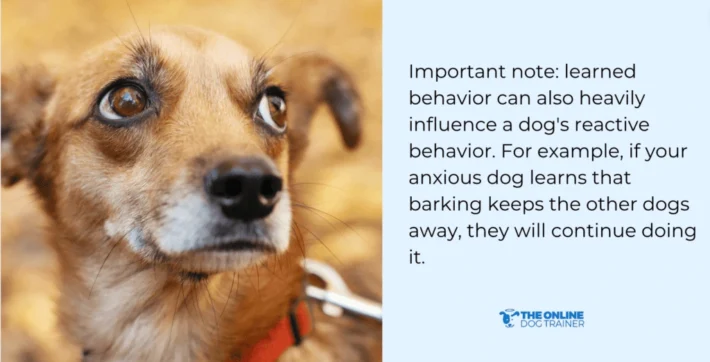
Credit: theonlinedogtrainer.com
Identifying Aggressive Behavior
Recognizing early signs of aggression in dogs can prevent conflicts. Look for growling, tense body posture, or direct staring. Redirect attention with commands or toys to calm the situation.
Identifying aggressive behavior in dogs is crucial for dog owners. Recognizing the signs early helps prevent incidents. Some dogs show aggression due to fear, while others may be defending their territory. Understanding these behaviors is essential for safety and harmony.Signs Of Aggression
Dogs display aggression through various signals. Growling is a common sign. A dog’s lips may curl back, revealing teeth. This is a warning. Some dogs bark loudly and continuously. Others might lunge toward their target. Raised hackles, or fur standing on end, indicate tension. A stiff body and intense stare also suggest aggression. These signs require careful attention to prevent escalation.Common Causes
Aggression in dogs can stem from multiple causes. Fear is a significant trigger. Dogs may feel threatened by unfamiliar surroundings or other animals. Territorial behavior is another cause. Dogs often protect their space from perceived intruders. Past trauma can lead to aggressive tendencies. Dogs with negative experiences may react defensively. Lack of socialization plays a role as well. Dogs not exposed to different environments may react aggressively. Understanding these causes helps in managing and reducing aggressive behavior.Training Techniques
Training techniques for stopping aggressive behavior towards other dogs focus on positive reinforcement. Reward calm interactions with treats or praise to encourage friendly behavior. Gradual exposure to other dogs in controlled settings helps build confidence and reduces aggression.
Training techniques play a crucial role in curbing aggressive behavior in dogs. Teaching dogs how to interact calmly with others can prevent unwanted incidents. Understanding different training methods can help dog owners find effective solutions. Let’s explore some proven strategies to address aggression.Positive Reinforcement
Using positive reinforcement encourages good behavior in dogs. Rewarding a dog when it behaves well can create positive associations. Treats, praise, or toys can be used as rewards. This method helps dogs learn what behaviors are desired. Consistent rewards build trust and understanding.Consistency In Commands
Consistency is key in dog training. Use the same commands for specific actions. Dogs learn faster when they receive clear instructions. Consistent language helps dogs understand expectations. Regular practice solidifies learning and reduces confusion.Desensitization Strategies
Desensitization involves exposing a dog to triggers gradually. Start with low-intensity situations. Increase exposure as the dog becomes comfortable. This technique reduces fear and aggression over time. Controlled environments can help manage reactions. Patience is important during this process.Behavior Modification Tools
Training techniques can effectively reduce aggressive behavior in dogs. Consistent positive reinforcement encourages calm interactions. Tools like clickers and rewards help guide dogs towards more peaceful behavior.
Behavior modification tools are essential in managing aggressive behavior towards other dogs. They can help you gain control, ensure safety, and foster positive interactions. By using the right tools, you can transform challenging situations into teachable moments. Don’t be overwhelmed by the options available; each tool serves a unique purpose. Understanding how to use them effectively can make all the difference in your dog’s behavior.Leashes And Harnesses
Leashes and harnesses are fundamental tools in behavior modification. They provide control and safety during walks and interactions. Choosing the right leash can prevent lunging and pulling. Consider leashes with shock absorbers to reduce sudden jolts. Harnesses distribute pressure evenly, reducing strain on your dog’s neck. Opt for a front-clip harness to discourage pulling and promote calm walking.Muzzles And Safety Gear
Muzzles often get a bad rap, but they can be a lifesaver in preventing bites and ensuring safety. They’re not a punishment but a preventive measure. When selecting a muzzle, ensure it’s comfortable and allows your dog to pant. Basket muzzles are a great option, providing security while allowing natural behaviors. Safety gear like reflective vests can help in crowded areas, making your dog more visible and reducing anxiety in busy environments. Have you ever considered how these tools can change your outings? Imagine a calm walk with your dog, confidently passing by other dogs without incident.Socialization Strategies
Socialization strategies play a crucial role in curbing aggressive behavior in dogs. Proper socialization helps dogs feel comfortable and safe around others. It involves exposing them to various situations and environments. This builds their confidence and reduces fear-based reactions. Consistent socialization encourages positive interactions with other dogs and people. Let’s explore some effective strategies to improve your dog’s social skills.
Controlled Introductions
Introducing your dog to others should be done gradually. Start by meeting in neutral places. This avoids territorial disputes and reduces stress. Keep the dogs on leashes during initial meetings. Allow them to sniff and observe each other. Use treats and praise to reinforce calm behavior. This helps them associate other dogs with positive experiences.
Group Classes And Playdates
Enroll your dog in group classes. These classes provide structured environments for socialization. Professional trainers guide dogs through safe interactions. Playdates with other dogs can also be beneficial. Choose compatible playmates for your dog. Supervise their interactions to ensure safety. Encourage friendly play and reward good behavior. Regular playdates foster positive relationships and improve social skills.
Professional Assistance
Seeking professional help can be vital in addressing aggressive behavior in dogs. Experts use positive reinforcement techniques to promote calm interactions. Personalized training and guidance can foster a more peaceful relationship between your dog and others.
Professional assistance can play a vital role in addressing aggressive behavior in dogs. Experts offer guidance tailored to each dog’s needs. Their insights can help transform your dog’s interactions with other dogs.Dog Trainers
Dog trainers focus on teaching dogs new skills. They use positive reinforcement techniques. Trainers help dogs learn to behave calmly. They work on obedience commands. This builds trust between you and your dog. Experienced trainers understand dog behavior deeply. They can adjust training methods as needed. Sessions may include controlled socialization. Trainers aim to reduce anxiety in dogs.Behaviorists And Therapists
Behaviorists analyze why a dog behaves aggressively. They consider the dog’s environment and history. These experts develop behavior modification plans. Therapists offer guidance for emotional issues in dogs. They focus on reducing stressors. Behaviorists may recommend specific exercises. Therapists address underlying emotional triggers. Both roles aim to improve a dog’s social skills. Their strategies focus on long-term solutions.
Credit: www.dwdogtraining.com
Monitoring Progress
Consistent observation helps identify triggers of aggressive behavior in dogs. Adjust training methods based on these insights. Positive reinforcement and calm environments support progress in behavior modification.
Monitoring your dog’s progress in reducing aggressive behavior towards other dogs is a crucial part of the training process. Not only does it help you understand how effective your techniques are, but it also allows you to make necessary adjustments to ensure continued improvement. Keeping a close watch on changes and being open to modifying your approach can make a significant difference in your dog’s behavior.Tracking Changes
Consistent tracking is key to understanding your dog’s progress. Use a journal to note down each encounter your dog has with other dogs. Detail the context, your dog’s reaction, and any changes from previous interactions. Consider using a simple table to organize this information:| Date | Situation | Reaction | Notes |
|---|---|---|---|
| 01/10/2023 | Park encounter | Barked but no lunging | Improvement seen |
Adjusting Techniques
As you gather data, you may find that some strategies aren’t as effective as you hoped. Don’t hesitate to adjust your techniques based on what you observe. If positive reinforcement isn’t yielding results, consider incorporating controlled exposure or seeking professional help. Every dog is unique, and sometimes a slight tweak in approach can lead to significant breakthroughs. Remember, patience and flexibility are your best allies. Your dog’s progress may not always be linear, and that’s okay. Celebrate small victories and stay committed to helping your dog become more comfortable around others.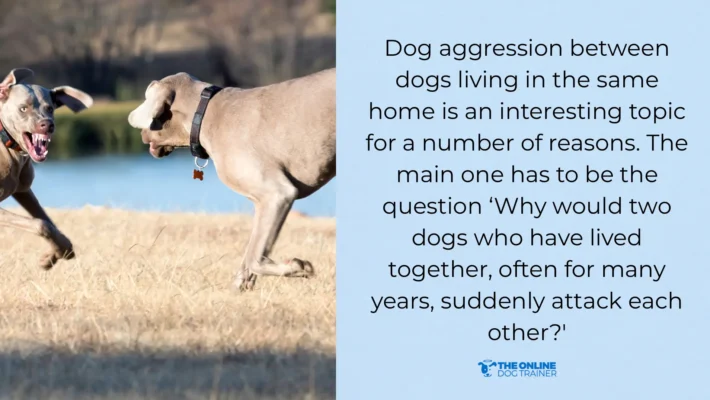
Credit: theonlinedogtrainer.com
Frequently Asked Questions
How Can I Stop My Dog From Being Aggressive?
To stop dog aggression, identify triggers and use desensitization techniques. Consistent training with positive reinforcement is vital. Consider professional help if needed. Ensuring your dog gets enough exercise can also reduce aggression. Socialization from an early age helps them interact better with other dogs.
What Causes Aggression In Dogs Towards Others?
Aggression in dogs can stem from fear, territorial instincts, or lack of socialization. Sometimes medical issues cause aggression, so a vet check is essential. Inconsistent training can also lead to aggressive behavior. Understanding the root cause helps in addressing and managing the aggression effectively.
Is Professional Training Necessary For Aggressive Dogs?
Professional training is often beneficial for aggressive dogs. Trainers provide tailored strategies to manage behavior. They help identify triggers and teach owners effective techniques. A professional can offer a controlled environment for socialization. They ensure safety while addressing the root of aggression.
Can Diet Affect My Dog’s Aggression?
Diet can impact a dog’s behavior, including aggression. A balanced diet supports overall health and well-being. Nutritional deficiencies might lead to irritability. Consult with a vet to ensure your dog’s diet meets their needs. Diet adjustments may help reduce aggressive tendencies.
Conclusion
Stopping aggressive behavior in dogs requires patience and consistency. Understand your dog’s triggers. Train regularly with positive reinforcement. Encourage calm interactions with other dogs. Seek professional help if needed. Create a safe environment for your dog. Gradually expose your dog to social situations.
Reward good behavior immediately. Build trust through gentle guidance. Stay calm during tense moments. Your effort can lead to a happier pet. Keep learning about dog behavior. Remember, every dog is unique. Tailor strategies to suit your dog’s needs. Celebrate small victories as you progress.
Your dedication makes a difference in your dog’s life.