How to Stop Dog Whining in Crate: Expert Tips
Senior Canine Nutritionist & Dog Behavior Specialist at Cozy Dog Go Wellness Lab
Imagine this: it’s the middle of the night, and your dog is whining from their crate, leaving you sleepless and frustrated. You love your furry friend, but the constant noise is driving you up the wall.
You’re not alone in this struggle. Many dog owners face the same challenge, and the solution is not as elusive as you might think. You’ll discover straightforward and effective strategies to stop your dog’s crate whining. Whether you’re a seasoned dog owner or new to pet parenting, these tips are designed to bring peace back to your home.
Get ready to unlock the secrets that will help you and your dog enjoy a quieter, happier life together.

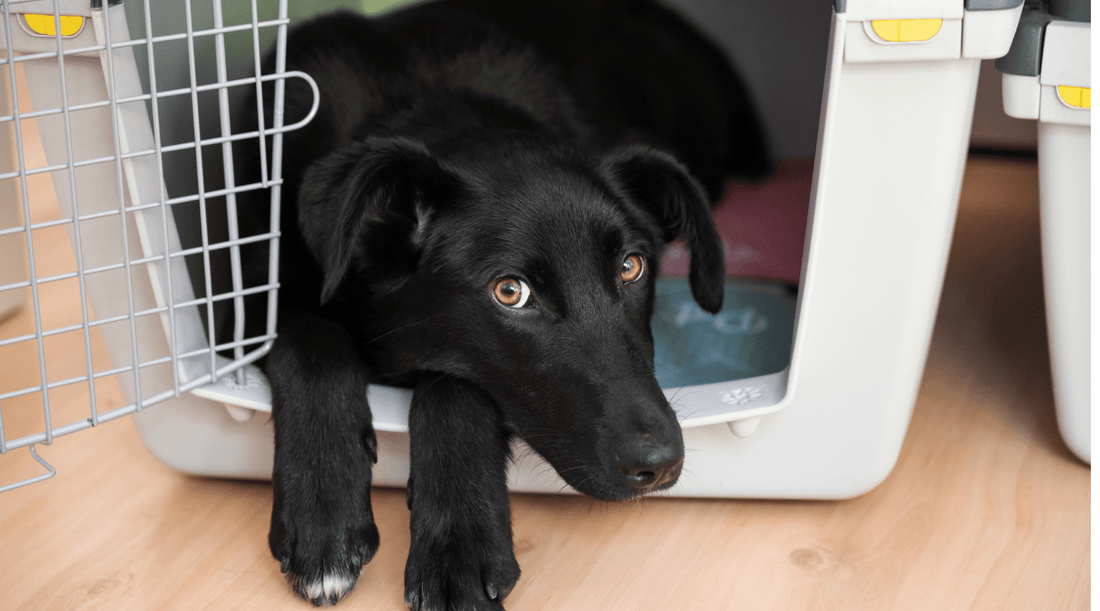
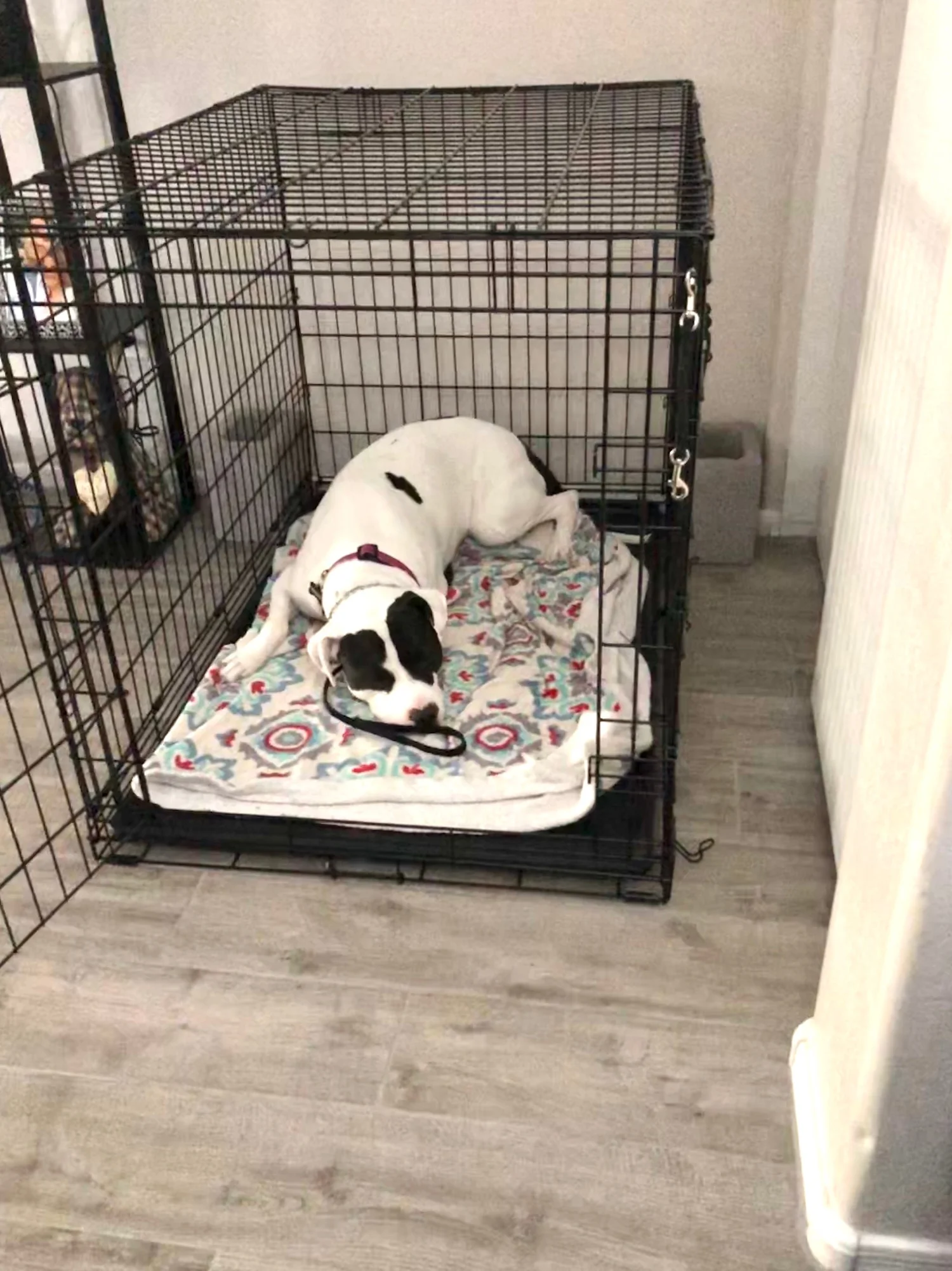
Credit: www.dogsavvylosangeles.com
Causes Of Dog Whining In Crate
Addressing boredom, anxiety, or discomfort can help stop dog whining in a crate. Ensure the crate is cozy and safe. Regular exercise and mental stimulation also reduce stress, making crate time more pleasant.
Understanding the reasons behind your dog’s whining in their crate can be the first step towards a peaceful solution. A crying pup can tug at your heartstrings, but decoding their behavior can help address their discomfort efficiently.Fear And Anxiety
Dogs often whine due to fear or anxiety, especially if they aren’t used to being confined. Their crate may feel like a prison rather than a safe haven. Consider your dog’s past experiences. Did they have an unpleasant encounter in a crate before? Introduce the crate gradually, allowing your pup to associate it with positive experiences. You might place treats or toys inside to create a welcoming environment.Lack Of Comfort
Sometimes, whining stems from a lack of comfort in the crate. Is the bedding soft and cozy enough for your furry friend? You wouldn’t want to sleep on a hard surface, right? Ensure the crate has sufficient padding and room for your dog to stretch out. Providing a blanket or an item with your scent can offer extra comfort.Need For Attention
Dogs are social creatures; they crave interaction and attention. If they whine in their crate, they might just want your company. Have you noticed if whining stops the moment you appear? Try spending quality time with your dog before crating them. This can help satisfy their need for companionship, reducing the urge to seek attention through whining. Consider if your dog is getting enough exercise and mental stimulation throughout the day. Understanding these causes can empower you to address the whining effectively. What changes can you make to create a peaceful crate experience for your pup?Choosing The Right Crate
Selecting a comfortable and appropriately sized crate can help ease your dog’s whining. Ensure the crate feels safe and cozy for your pet. This helps them feel secure and reduces anxiety.
Choosing the right crate plays a vital role in stopping dog whining. A well-selected crate offers comfort and security to your furry friend. It becomes a peaceful haven rather than a source of stress. Consider several factors when selecting a crate to ensure your dog feels at ease.Size And Space
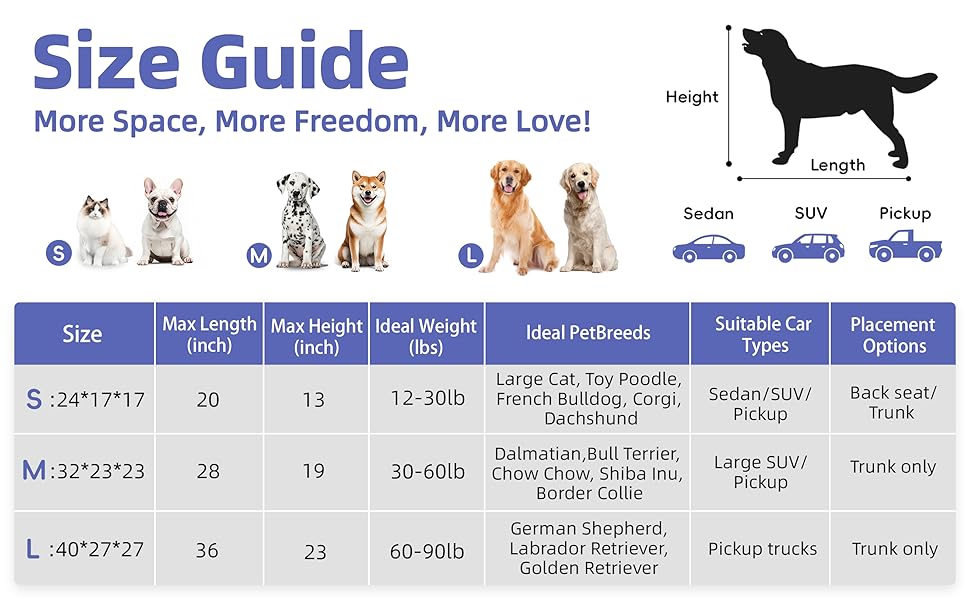
A crate should be spacious enough for your dog to move comfortably. Ensure it is large enough for standing, turning, and lying down. A cramped crate can lead to discomfort and whining. Measure your dog’s size before purchasing to find the perfect fit.Material And Design
The material of the crate impacts your dog’s comfort level. Choose sturdy materials like metal or plastic for durability and safety. Soft-sided crates offer comfort but may lack durability. Opt for designs that allow good airflow and visibility. This helps your dog feel secure and reduces feelings of isolation.Creating A Comfortable Environment
Creating a comfortable environment can help stop dog whining in a crate. Ensure the space is cozy with soft bedding, familiar toys, and soothing sounds to ease anxiety.
Creating a comfortable environment for your dog in their crate can significantly reduce whining. Dogs, like humans, thrive in spaces where they feel safe and cozy. Have you ever tried sleeping in an uncomfortable bed? It’s the same for your furry friend. By ensuring their crate is inviting, you create a sanctuary that calms their nerves and eases their anxiety.Temperature Control
Temperature plays a crucial role in your dog’s comfort. Dogs can be sensitive to extreme temperatures, so it’s essential to maintain a moderate climate around their crate. During colder months, you might consider placing the crate away from drafts or use a small space heater nearby. In warmer seasons, ensure there’s good airflow or use a fan to keep the area cool.
Have you noticed your dog panting or shivering? These could be signs that the temperature isn’t quite right. Adjusting it can make a world of difference.
Soft Bedding Options
Soft bedding can transform the crate from a cage to a cozy haven. Consider using plush blankets or specially designed dog beds that fit snugly inside the crate. These provide cushioning and can help your dog feel secure.
For puppies or dogs with joint issues, memory foam bedding might be a perfect choice. It offers extra support and comfort, helping them rest better.
Do you remember the joy of sinking into a soft bed after a long day? Your dog will appreciate a similar comfort in their crate.
Creating a nurturing space for your dog can drastically reduce whining and make their crate a place they genuinely enjoy.Training Techniques
Training your dog to stop whining in the crate involves patience and consistency. Start by creating a comfortable space with toys and blankets. Gradually increase crate time, rewarding silence and calm behavior.
Training Techniques Training your dog to stop whining in a crate requires patience. Dogs need to feel safe and comfortable in their crates. This can be achieved through consistent training methods. Let’s explore some effective techniques.Positive Reinforcement
Positive reinforcement is a powerful tool in dog training. Reward your dog for good behavior with treats or praise. Begin by encouraging your dog to enter the crate voluntarily. Give a treat each time they enter calmly. This creates a positive association with the crate. Over time, your dog learns that being in the crate leads to rewards. Consistency is key. Repeat this process daily for best results.Gradual Acclimation
Gradual acclimation eases your dog into crate training. Start by letting your dog explore the crate. Leave the door open initially. Place toys and treats inside to attract your dog. Allow your dog to investigate without pressure. Once they show comfort, close the door briefly while they’re inside. Gradually increase the time they spend in the crate with the door closed. Keep sessions short and positive. Monitor your dog’s reaction and adjust the pace.Addressing Anxiety
Addressing Anxiety Calm your dog’s whining in the crate by ensuring they’re comfortable and feel secure. Provide toys or blankets for comfort. Gradually increase crate time, offering praise and treats for quiet behavior.
Addressing Anxiety Understanding and addressing your dog’s anxiety can be a game-changer in reducing crate whining. Dogs, much like humans, can feel anxious when faced with unfamiliar or stressful situations. The crate, although intended as a safe space, can sometimes trigger this anxiety. Recognizing the signs and taking proactive steps is crucial. But how can you tell if your dog is anxious? Look for signs such as excessive barking, drooling, or attempts to escape. These behaviors indicate discomfort and stress, not just stubbornness. Addressing anxiety effectively involves the right mix of calming products and desensitization strategies.Calming Products
Calming products can offer significant relief for anxious dogs. Consider using pheromone diffusers or sprays designed for dogs. These mimic the calming scents of a mother dog, promoting relaxation. Another option is calming collars infused with soothing fragrances. These can help maintain a tranquil environment for your dog even when you’re not around. Additionally, explore anxiety wraps or vests that apply gentle pressure, providing comfort similar to a hug. These are especially useful during crate training sessions or when your dog is left alone.Desensitization Strategies
Desensitization is about gradually getting your dog used to the crate. Start by placing treats and toys inside the crate, encouraging your dog to explore without closing the door. This builds positive associations with the crate. Next, try short periods of confinement while you’re at home. Use a calm voice and reward quiet behavior with treats or affection. Over time, increase the duration, ensuring your dog is comfortable before extending the period. Engage your dog in crate games, turning the experience into a fun activity rather than a stressful situation. Consider if you’re making progress—does your dog enter the crate willingly now? The goal is to transform the crate into a cozy haven where your dog feels secure. Are you ready to tackle your dog’s anxiety head-on? Addressing these issues can lead to a happier and quieter crate time for your furry friend.Maintaining Consistency
Maintaining consistency is crucial when addressing your dog’s whining in the crate. Dogs thrive on routine and clear communication. Consistency helps them feel secure and understand what is expected of them. When you establish a steady pattern, your dog will learn to associate the crate with positive behavior and calmness. Let’s dive into how you can keep things consistent for your furry friend.
Routine Establishment
Establishing a routine is essential for reducing your dog’s anxiety. Set specific times for feeding, walks, and crate time. This helps your dog anticipate what comes next, reducing the stress that leads to whining.
Consistency in daily activities reassures your dog. If you feed your dog at 7 AM and then have a play session before crating, stick to that schedule. Notice how your dog’s behavior improves with a set routine.
Have you noticed how your dog knows when it’s meal time even without a clock? They rely on the patterns you set. Use this natural ability to your advantage when planning crate time.
Consistent Commands
Use the same commands every time you want your dog to enter or exit the crate. Words like “crate” and “come out” should be clear and consistent. This minimizes confusion and helps your dog understand what you want.
Repetition is key. If you use “crate” one day and “bed” the next, your dog might feel unsure about what you’re asking. Choose simple words and stick with them.
Consider your tone as well. Dogs pick up on vocal cues, so a calm, firm voice works best. Wouldn’t it be frustrating if someone kept changing the instructions on you?
Consistency in commands is a small change with a big impact. Try it for a week and observe the difference in your dog’s behavior.
Seeking Professional Help
Seeking professional help can be essential to stop dog whining in a crate. Experts provide tailored advice and effective strategies. This support ensures a peaceful environment for both you and your pet.
Seeking professional help can be a great option for dog owners. If your dog’s whining persists, experts offer valuable guidance. They address underlying issues with effective techniques. Below are some options to consider for professional assistance.Consulting A Trainer
A dog trainer can provide personalized advice. They assess your dog’s behavior and suggest improvements. Trainers understand common challenges with crate training. They offer tailored strategies that suit your dog’s needs. Training sessions can be a game-changer. Trainers focus on positive reinforcement. This encourages your dog to feel comfortable and relaxed. They work with you to create a peaceful environment for your pet.Behavioral Therapy Options
Behavioral therapy focuses on understanding your dog’s emotional state. Certified therapists evaluate anxiety triggers. They develop plans to reduce stress and whining. Therapy sessions can be one-on-one or group-based. Professionals teach you how to calm your dog effectively. They may suggest exercises that promote relaxation. This approach helps build your dog’s confidence. Over time, your dog learns to enjoy being in the crate.
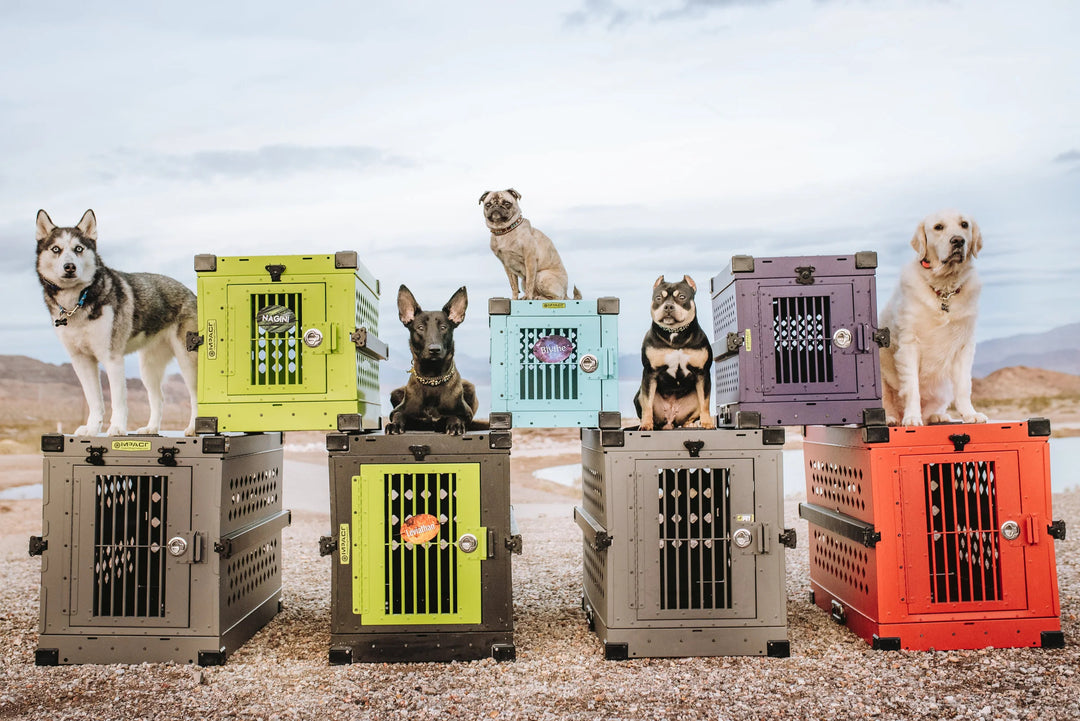
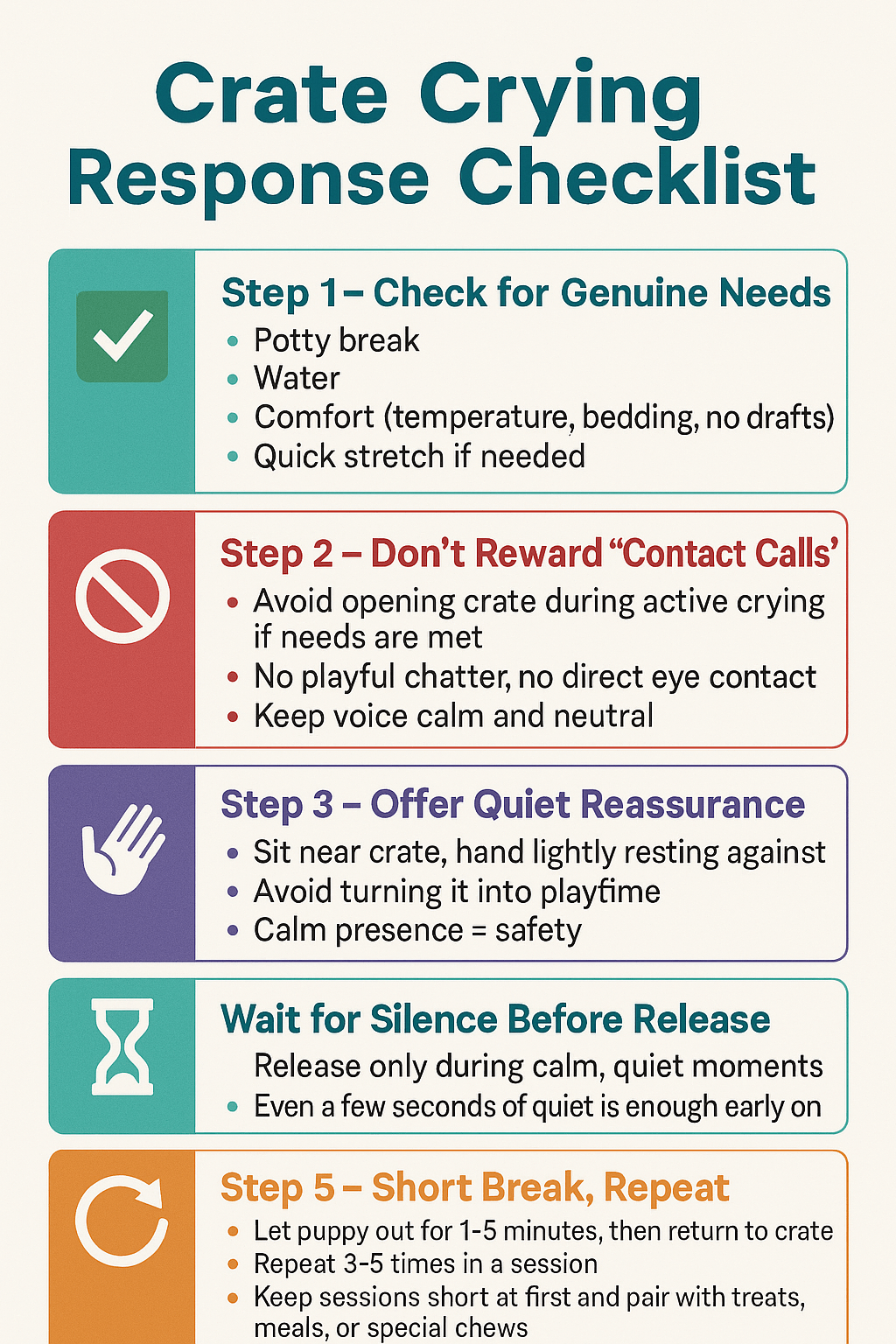
Credit: zigzag.dog
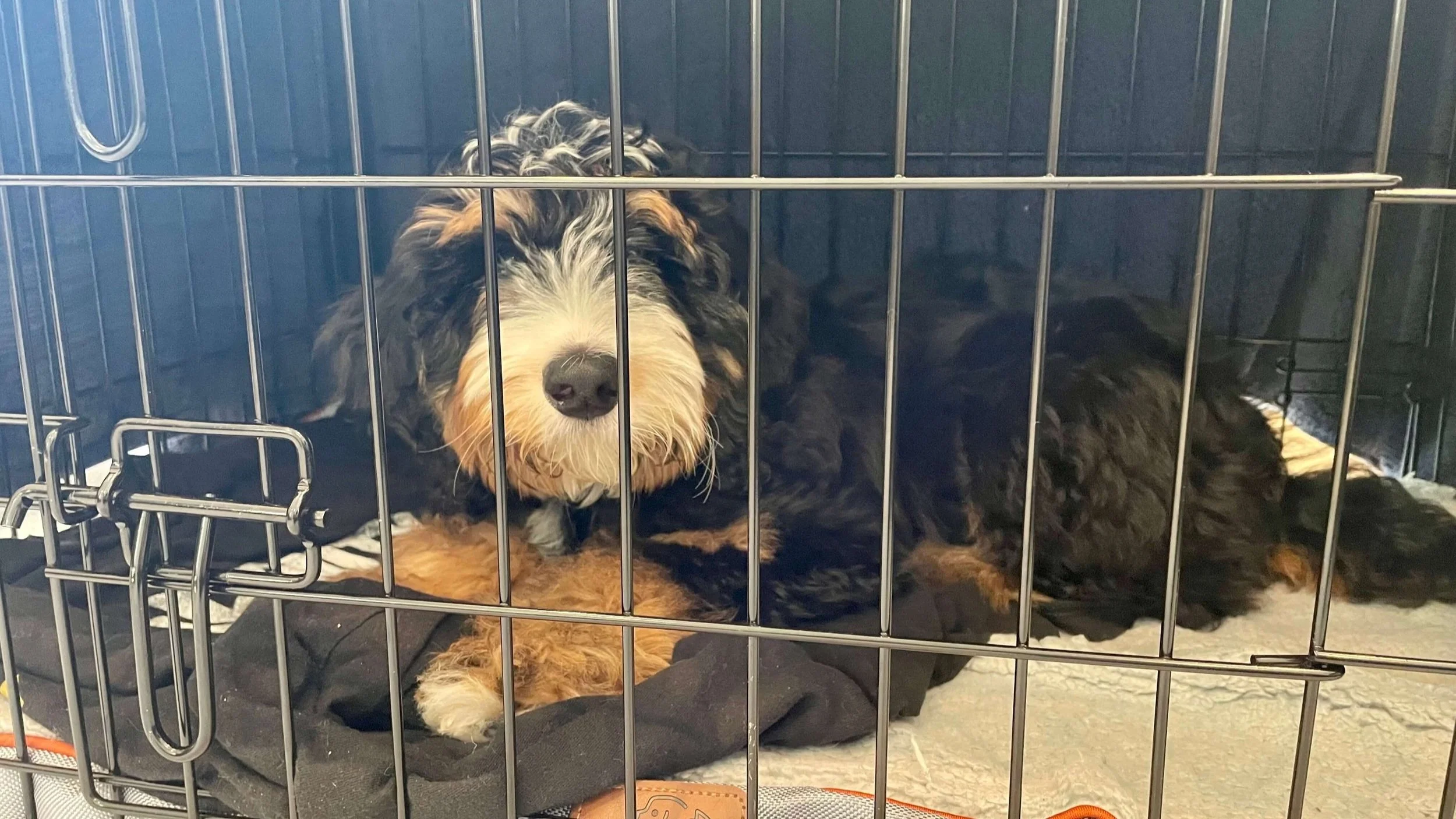
Credit: www.dogsavvylosangeles.com
Frequently Asked Questions
Why Does My Dog Whine In The Crate?
Dogs whine in crates due to anxiety, fear, or discomfort. They might need attention, food, or bathroom breaks. Ensure your dog’s crate is comfortable and properly sized. Gradual crate training can help your dog feel secure and reduce whining.
How Can I Comfort My Whining Dog?
Comfort your dog by providing a cozy crate with familiar toys. Gradually increase crate time, rewarding calm behavior. Consistent routine and soothing background noise can help. Ensure your dog is exercised and has bathroom breaks before crate time.
Is Crate Whining A Sign Of Distress?
Yes, crate whining often indicates distress or discomfort. It can signal anxiety, fear, or a need for attention. Addressing underlying issues, like lack of exercise or unfamiliar surroundings, can help. Positive reinforcement and gradual crate training can reduce distress.
How Long Should I Ignore Crate Whining?
Ignore crate whining for short periods to discourage attention-seeking behavior. Gradually increase the time as your dog becomes more comfortable. Consistency is key. Ensure their needs are met before crate time, like bathroom breaks and exercise.
Conclusion
Training your dog to stop whining in the crate takes patience. Use consistent methods and stay calm. Comfort your dog with familiar toys or a blanket. Make the crate a safe and happy place. Gradually increase crate time to build confidence.
Celebrate small successes with treats or praise. Avoid scolding, which can increase anxiety. Watch for signs of distress or discomfort. Each dog learns at their own pace. Stay committed to the process. Your efforts will lead to a happier, quieter pet.
A win for both you and your furry friend. Keep practicing and enjoy the journey together.

Similar Posts