How to Train Dog With Clicker: A Step-by-Step Guide
Senior Canine Nutritionist & Dog Behavior Specialist at Cozy Dog Go Wellness Lab
Imagine a world where your dog listens to your commands with enthusiasm and precision. Sounds amazing, right?
Well, the secret might just be a simple clicker. If you’re searching for an effective way to communicate with your furry friend, clicker training could be your answer. It’s like having a conversation with your dog without uttering a single word.
You might be wondering how a small device can create such a big change. That’s exactly what we’ll explore. By the end of this guide, you’ll discover how to unlock your dog’s potential and strengthen your bond like never before. Ready to turn those wagging tails into obedient partners? Let’s dive in.
The Basics Of Clicker Training
Clicker training is a rewarding and effective way to teach your dog new behaviors. It involves using a small device that makes a distinct clicking sound to signal to your pet that they’ve done something right. This technique is based on positive reinforcement, which encourages your dog to repeat the desired actions. Dive into the basics of clicker training, and you’ll find yourself building a stronger bond with your furry friend.
Understanding Clicker Mechanics
The clicker is a simple tool that you can hold in one hand. When pressed, it emits a sharp, recognizable click. This sound serves as a marker, telling your dog exactly when they’ve performed the correct behavior. Timing is crucial—click immediately when your dog does what you want. Practice your timing with simple tasks to build your confidence.
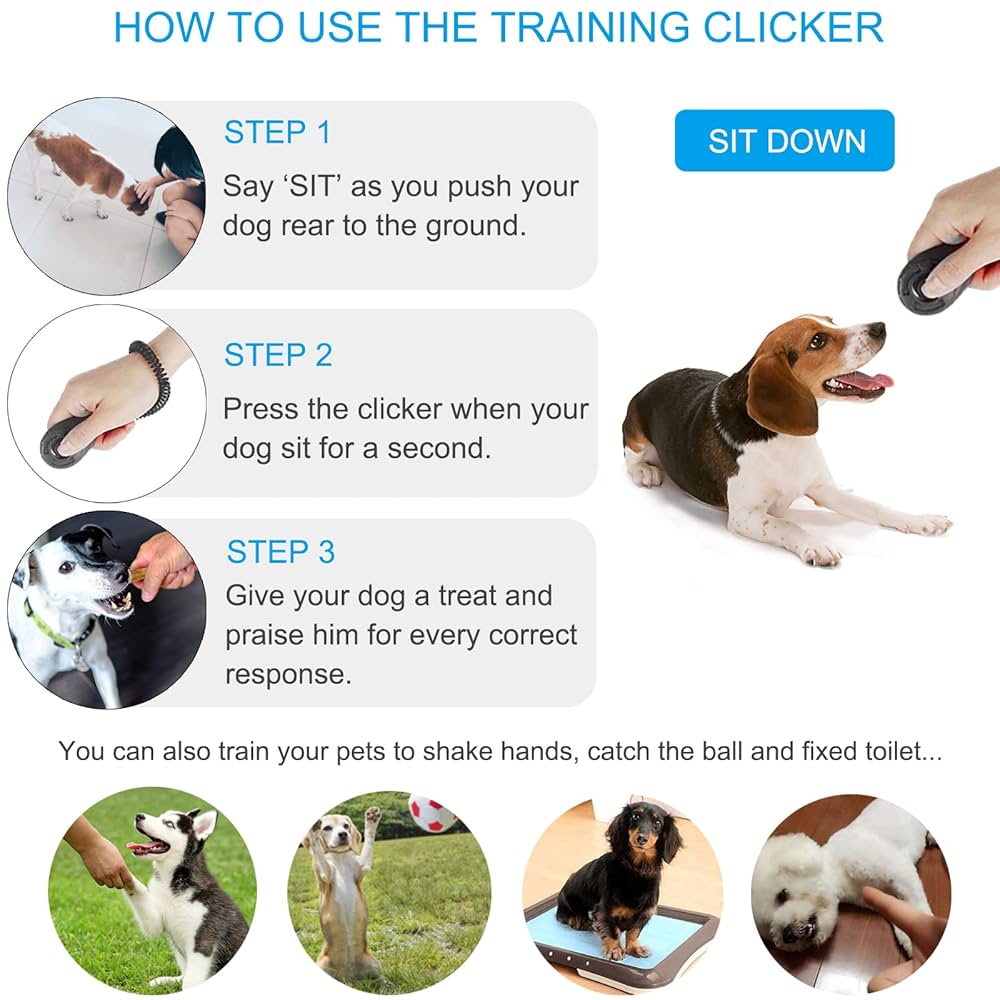
Imagine teaching your dog to sit. As soon as their bottom touches the ground, click and reward them with a treat. Repeat this process consistently, and your dog will soon associate the click with the action of sitting. The click acts as a bridge between the action and the reward, making it easier for your dog to understand what you’re asking.
Benefits Of Clicker Training
Clicker training offers several advantages over traditional methods. It’s clear and precise, allowing you to communicate exactly what you’re rewarding. This reduces confusion and speeds up learning. Your dog knows exactly which behavior gets them a treat, making training efficient.
Moreover, clicker training strengthens your bond with your dog. It’s an interactive process that keeps both of you engaged. As your dog learns new tricks, you’ll feel proud, and your dog will enjoy the mental stimulation. Picture the satisfaction of seeing your dog’s progress and the joy in their eyes as they master new skills.
Have you ever considered how your dog perceives training? Clicker training might be the answer to unlocking smoother communication between you and your pet. Why not try it and see the difference it makes in your training sessions?
Preparing For Training
Introducing your dog to clicker training involves gathering essential tools, such as a clicker and tasty treats. Begin with simple commands, reinforcing positive behavior with a click and treat. Consistency and patience are key in developing your dog’s skills effectively.
Preparing for training your dog with a clicker is an exciting step towards building a strong bond and enhancing communication. Before diving into the actual training sessions, setting the stage with the right tools and mindset is crucial. This preparation not only sets the tone for successful training but also ensures both you and your dog enjoy the learning process.Choosing The Right Clicker
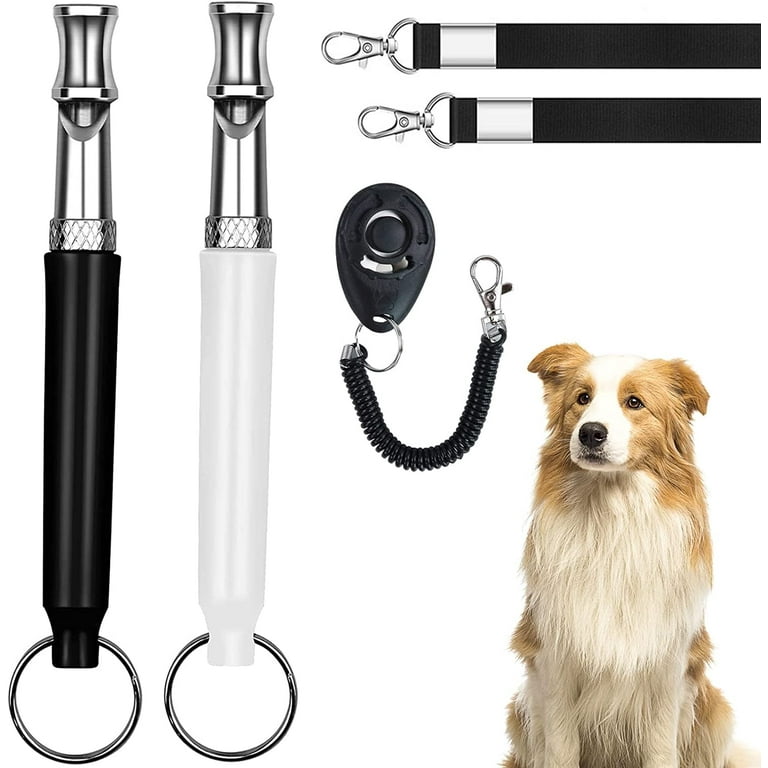
Selecting the right clicker can make a significant difference in your training experience. Clickers come in various shapes and sizes, and some even have adjustable sound levels. Consider what would be comfortable for you to hold and use repeatedly. Think about the environment where you’ll be training. If it’s noisy, a louder clicker might be necessary. Personal preference matters too—try a few different ones to see which feels most intuitive.Gathering Essential Supplies
Having the right supplies at hand is critical to a smooth training session. Beyond the clicker, you’ll need a stash of treats that your dog loves. Opt for small, soft treats that can be quickly consumed to keep the momentum going. Consider a treat pouch to keep your hands free and your rewards accessible. A comfortable collar or harness, along with a sturdy leash, will also be important, especially if training outside. Don’t forget to create a distraction-free zone where both you and your dog can focus. This might mean training indoors or finding a quiet spot at the park. With these supplies and preparations, you’re on your way to effective clicker training with your furry friend.Establishing A Positive Environment
Training dogs with clickers creates a positive environment. The click sound marks correct behavior, encouraging learning. Rewarding dogs with treats after clicks strengthens good habits and builds trust.
Establishing a Positive Environment Training your dog with a clicker can be an enriching experience for both you and your furry friend. The key to success lies in establishing a positive environment that encourages learning and strengthens your bond. A welcoming atmosphere ensures that your dog feels safe and motivated to participate in training sessions. Let’s explore how you can create such an environment.Creating A Distraction-free Zone
To ensure your dog is focused during training, set up a distraction-free zone. This means selecting a quiet area free from noise and other pets. Consider using a room with minimal furniture or distractions like toys and treats lying around. Keep the area consistent for training sessions, so your dog knows it’s time to learn when you enter this space. If possible, train during times when your household is calm, avoiding busy times like meal prep or family gatherings. By controlling the environment, you help your dog concentrate on the clicker and your commands.Building Trust With Your Dog
Trust is the foundation of effective training. Start by spending quality time with your dog outside of training sessions. Engage in activities your dog enjoys, like playing fetch or going for walks. As you train, maintain a calm and encouraging tone. Praise your dog for small victories, reinforcing their confidence and eagerness to learn. Share a personal story to highlight a breakthrough. When I first started training my dog, Bella, she was hesitant. But as I learned to be consistent and patient, she began to trust the process and looked forward to our sessions. Can you imagine the joy when your dog responds eagerly to your commands? Building trust doesn’t happen overnight, but with patience, it becomes the strongest link in your training journey. Remember, training is a partnership. How will you ensure your dog feels supported and valued during this learning adventure?
Credit: pupford.com
Introducing The Clicker
Training your dog with a clicker can make learning fun and effective. This small device helps to mark good behavior, making it easy for your dog to understand what you want.
Introducing the Clicker Training your dog can be a rewarding experience, and introducing a clicker can enhance this journey. Clicker training is a positive reinforcement method that uses a small device to make a clicking sound. This sound marks the exact moment your dog performs the desired behavior, making learning faster and clearer. Personal experience taught me the power of a clicker when my restless pup finally mastered sitting. The click sound became a beacon of approval, helping us communicate better. Are you ready to explore this game-changing tool?Getting Your Dog Familiar With The Sound
Before you start, let your dog simply hear the clicker. Hold the device and click it several times at a distance. This helps your dog get used to the sound without any pressure. Observe your dog’s reaction. Does your dog look curious or confused? Either way, it’s a great start. Keep the atmosphere light and playful. Once your dog doesn’t seem startled by the click, you can move on to the next step. Consistency is key, so repeat this process until your dog is comfortable.Associating The Clicker With Rewards
Now that your dog knows the sound, it’s time to make the clicker meaningful. Each time you click, immediately offer a treat or praise. This connection teaches your dog that a click means something good is coming. Imagine the click as a mini celebration. When your dog hears it, excitement follows. Your dog will soon understand that good behavior leads to rewards. This might make you wonder, how quickly can you expect results? The answer lies in your consistency and patience. Keep sessions short and fun, and watch your dog’s enthusiasm grow.Teaching Basic Commands
Training a dog with a clicker can make learning fun and effective. Clicker training helps in teaching basic commands with precision. It uses a sound to mark desired behavior. This method motivates dogs and strengthens the bond between you and your furry friend. Let’s explore how clicker training can teach basic commands like Sit, Stay, and Come.
Clicker Training Sit
Begin with your dog standing in front of you. Hold a treat near its nose. Slowly move the treat upwards. Your dog will naturally sit as it follows the treat. The moment your dog sits, click the clicker and give the treat. Repeat this process a few times. Say the command “Sit” just before your dog sits. Practice this regularly for better results.
Clicker Training Stay
Ask your dog to sit. Show your palm as a signal to stay. Take a small step back. If your dog stays, click and reward it. Gradually increase the distance. Use the command “Stay” while showing the signal. Practice in short sessions for better focus. Consistency is key to mastering this command.
Clicker Training Come
Start with a short distance between you and your dog. Call its name followed by “Come”. Use a cheerful tone. As your dog moves towards you, click and reward. Gradually increase the distance. Practice in different environments. This ensures your dog responds in various situations. Consistent practice builds a strong recall command.
Advanced Training Techniques
Advanced training techniques with a clicker can elevate your dog’s skills. These methods refine communication between you and your pet. Clicker training is not just for basic commands. It can be used for complex behaviors and corrections. Dive into these advanced techniques to enhance your training sessions.
Shaping Complex Behaviors
Shaping involves rewarding small steps towards a desired behavior. Break down the behavior into manageable parts. Use the clicker to mark each successful step. Gradually increase the difficulty as your dog succeeds. Patience is key when shaping complex behaviors. Celebrate small victories with treats and praise.
Example: Teaching a dog to fetch an item involves several steps. Start by clicking when your dog touches the item. Then click for picking it up. Finally, click when your dog brings it to you. Each click reinforces progress. Over time, the complete behavior emerges.
Using Clicker For Behavioral Corrections
Clickers can correct unwanted behaviors with positive reinforcement. Instead of punishing, redirect your dog’s actions. Click when your dog performs the desired behavior. It replaces the unwanted action with a positive one. Consistency is crucial in behavioral corrections.
For barking, click when your dog remains quiet. Reward this calm behavior immediately. Gradually, your dog learns silence earns rewards. This method fosters a healthy learning environment.
Behavioral corrections require patience and consistency. The clicker helps guide your dog to better habits. Proper use leads to a well-behaved and happy pet.
Troubleshooting Common Issues
Training a dog with a clicker can sometimes present challenges. Understanding these common issues helps improve the training experience. Let’s explore how to handle them effectively.
Addressing Lack Of Interest
Some dogs might show disinterest during clicker training. This can be frustrating. To tackle this, try using high-value treats. Dogs are often motivated by tasty rewards. Select treats that are small, soft, and appealing. Mix up the treats to keep your dog curious.
Maintain short training sessions. Dogs have limited attention spans. Aim for sessions lasting 5-10 minutes. This keeps the training engaging. Also, ensure your dog is not tired or hungry before training. A well-rested and fed dog focuses better.
Handling Clicker Anxiety
Some dogs may feel anxious around the clicker sound. This is common in sensitive dogs. Start by desensitizing them to the clicker. Muffle the clicker sound with your hand. Gradually increase the volume as your dog gets comfortable.
Associate the clicker sound with positive experiences. Click and immediately give a treat. Repeat this process several times. Your dog will start to link the sound with rewards. With time, the anxiety should reduce.
If anxiety persists, consider alternative training methods. A verbal cue, like a specific word, can replace the clicker. Consistency is key for any training method. Stay patient and positive throughout the process.

Credit: ullery-lisa.medium.com
Maintaining Consistency
Maintaining consistency is key to successful clicker training for your dog. It’s what ensures that your dog truly understands and retains the commands you teach. Without consistency, your dog may become confused and forget the skills you’ve worked hard to instill. So, how do you keep this consistency? Let’s dive into some practical ways to make it happen.
Regular Practice Sessions
Setting aside regular time slots for practice can make a significant difference. Just like humans, dogs benefit from repetition. Try scheduling short, focused sessions daily or several times a week. These should be enjoyable for your dog, not just drills.
Find a routine that fits your lifestyle. Maybe mornings work best for a quick session before breakfast, or evenings when you unwind. Keep sessions upbeat and rewarding, reinforcing the idea that training is a fun activity, not a chore. What time of day does your dog seem most alert and eager to learn?
Reinforcing Learned Commands
Reinforcement is about confirming what your dog has already learned. Once a command is mastered, use it in different contexts to strengthen your dog’s understanding. This helps to generalize the command, so your dog responds correctly regardless of the situation.
Consider integrating commands into daily routines. Ask your dog to sit before meals or lie down during TV time. This not only reinforces their skills but also keeps them mentally stimulated. How often do you use commands outside of dedicated training sessions?
Tracking Progress And Adjusting
Tracking progress and adjusting training methods are key in clicker training for dogs. Observe your dog’s reactions and tweak your approach as needed. Consistent monitoring helps ensure the training is effective and enjoyable for both you and your pet.
Training your dog with a clicker is an exciting journey, but it’s crucial to track progress and make necessary adjustments along the way. This ensures that your dog not only learns effectively but also enjoys the training process. By closely monitoring behavioral changes and adapting your techniques, you can achieve lasting results and strengthen the bond with your furry friend.Monitoring Behavioral Changes
Pay attention to your dog’s behavior during and after training sessions. Are they responding more quickly to the clicker? Is there a noticeable improvement in their obedience? Keep a training journal to note these changes. Record what commands your dog masters and any difficulties they encounter. This documentation helps in identifying patterns and areas needing improvement. Consider using a simple table to track commands and progress:| Command | Current Response | Goal |
|---|---|---|
| Sit | Responds 7/10 times | 10/10 times |
| Stay | Responds 5/10 times | 10/10 times |
Adapting Techniques As Needed
If a particular method isn’t yielding results, don’t hesitate to tweak your approach. Sometimes, simple changes in the environment, like reducing distractions, can make a big difference. Experiment with different clicker sounds or vary the timing of your clicks. Each dog is unique, and what works for one might not work for another. Reflect on your training sessions. Are you consistent with your commands and rewards? Consistency is key, but flexibility in methods can lead to breakthroughs. Engage with your dog on their level. Do you notice your dog getting bored or frustrated? Adjust the length and intensity of sessions to maintain their interest and enthusiasm. Adapting your techniques ensures that training remains a positive experience for both you and your dog. What small change can you make today to improve your dog’s learning experience?
Credit: k9connoisseur.com
Frequently Asked Questions
What Is Clicker Training For Dogs?
Clicker training is a positive reinforcement method using a clicker device. The sound marks desired behaviors, followed by a treat. This approach helps dogs associate actions with rewards, enhancing learning speed. It’s effective for teaching new commands and correcting unwanted behaviors.
Consistency and patience are key for successful outcomes.
How To Start Clicker Training My Dog?
Begin by associating the clicker sound with treats. Click, then treat, repeating several times. Gradually, introduce simple commands like “sit” and click when performed correctly. Reward immediately to reinforce the action. Practice in short sessions to maintain your dog’s attention and ensure success in learning.
Are There Benefits To Clicker Training?
Yes, clicker training offers several benefits. It strengthens communication between you and your dog, enhancing the bond. This method encourages positive behavior through rewards, promoting quick learning. Additionally, it’s an effective, humane approach that reduces stress and fosters a positive training environment for your furry friend.
Can Clicker Training Help With Behavior Issues?
Absolutely, clicker training can address behavior issues. By reinforcing positive actions, you can gradually replace unwanted behaviors. Consistent rewards for correct actions encourage good habits over time. Patience and regular practice are essential for resolving issues like excessive barking or jumping.
Always focus on rewarding positive behavior.
Conclusion
Clicker training offers a fun, effective way to train your dog. It builds a strong bond between you and your pet. Dogs respond well to positive reinforcement. This method encourages good behavior without fear. Consistency is key. Practice regularly for better results.
Celebrate small victories. Your patience will pay off. Dogs learn at their own pace. Stay calm and positive. Enjoy the journey of training your dog. Soon, you’ll see a well-behaved friend. Keep the sessions short and engaging. Make training a joyful experience for both.
Happy training!

Similar Posts