How to Train Reactive Dog: Proven Strategies Unveiled
Senior Canine Nutritionist & Dog Behavior Specialist at Cozy Dog Go Wellness Lab
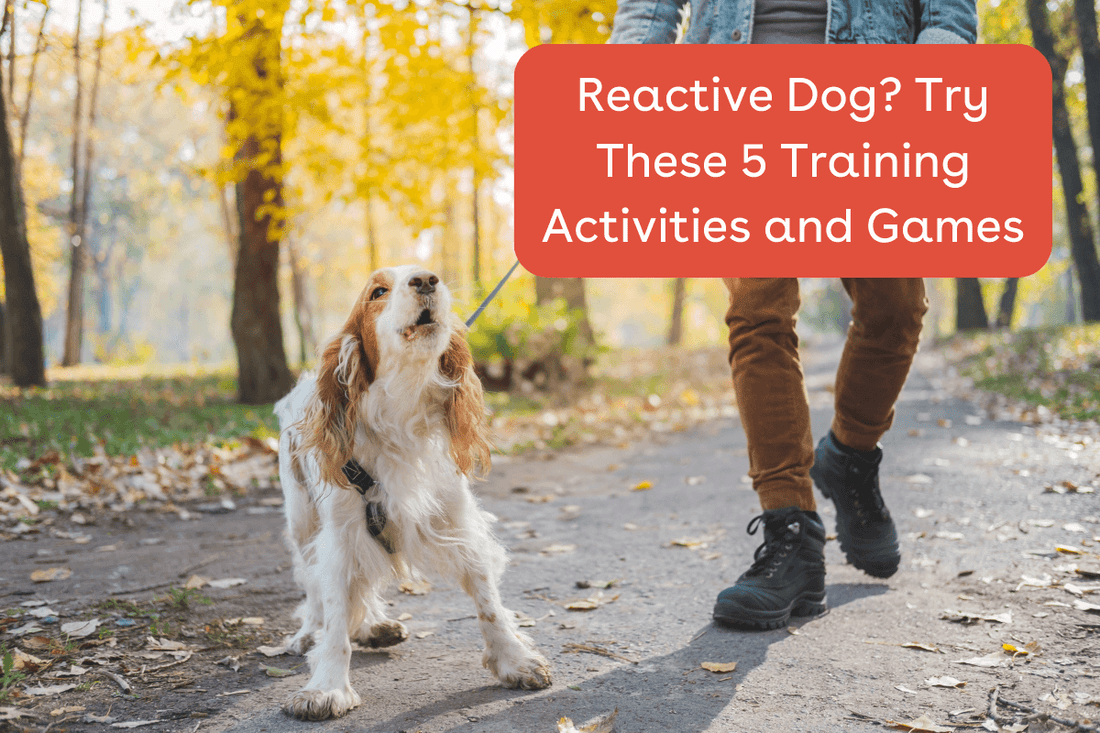
Imagine taking your dog for a walk without the constant fear of unexpected reactions. Sounds like a dream, right?
If your dog tends to react strongly to other dogs, people, or even loud noises, you know how stressful outings can be. But here’s the good news: training a reactive dog isn’t just possible—it’s something you can start doing today! You’re about to discover practical steps that can transform your dog’s behavior and turn every walk into a peaceful experience.
This guide will show you how to understand your dog’s triggers, manage their environment, and implement effective training techniques. Ready to reclaim the joy of walks and strengthen your bond with your furry friend? Keep reading to find out how you can make it happen!
Understanding Reactive Behavior
Training a reactive dog involves understanding their triggers and managing their responses. Consistent socialization and positive reinforcement can help create a calmer environment. Patience and gradual exposure to stimuli are crucial for building trust and reducing anxiety.
Understanding how your dog thinks and reacts can be the key to a harmonious relationship. Reactive behavior in dogs can be perplexing, but decoding it is your first step towards effective training. Dogs aren’t born reactive; they develop these behaviors due to various reasons. By learning to recognize the signs and triggers, you can better manage and train your reactive dog.Signs Of Reactivity
Reactivity in dogs can manifest in many ways. A reactive dog might bark excessively, lunge on the leash, or growl when they encounter certain stimuli. These behaviors are often mistaken for aggression, but they usually stem from fear or excitement. Pay close attention to your dog’s body language. Flattened ears, a stiff tail, or wide eyes can all be signs that your dog is reacting to something in their environment. Recognizing these signs early can help you intervene before the behavior escalates.Common Triggers
Every dog has unique triggers that can cause reactive behavior. Common triggers include other dogs, strangers, loud noises, or even certain smells. Identifying these triggers is crucial in creating a training plan. I once had a dog who would react intensely to cyclists. It was only after observing this pattern that I could take steps to manage her behavior. Understanding your dog’s specific triggers can help you avoid them or gradually desensitize your dog to them. Have you noticed a pattern in your dog’s reactivity? Awareness is your ally. By understanding what sets your dog off, you can take proactive steps to ensure a calmer and more controlled response.Assessing Your Dog’s Needs
Understanding your dog’s specific needs is crucial when addressing reactivity. Every dog is unique, with distinct behaviors influenced by various factors. Identifying these needs can set the foundation for effective training, leading to a happier and more balanced life for both you and your furry friend.
Temperament Evaluation
Evaluating your dog’s temperament is the first step in understanding their reactive behavior. Observe their reactions in different situations. Are they anxious, aggressive, or overly excited?
Consider their past experiences. A rescue dog may have different triggers compared to a dog raised in a stable environment. Personal experiences with your dog can provide insights—like that time your dog freaked out over a vacuum cleaner.
Does your dog prefer solitude or socialization? This can guide you in tailoring your approach. A dog that enjoys solitude may need a quieter training environment.
Environmental Factors
The environment plays a significant role in your dog’s behavior. Assess the surroundings where your dog spends most of their time. Is there constant noise or high activity levels?
Look at your home setup. Are there things that might make your dog uncomfortable, such as slippery floors or confined spaces? These elements can impact their stress levels.
Think about outdoor settings during walks. Busy streets might overwhelm a reactive dog. You could try calmer routes to ease their anxiety.
What changes can you make in your environment to support a calm and learning-friendly space for your dog? Consider this to enhance their training experience.
Building Trust And Confidence
Creating a bond with a reactive dog involves patience and consistency. Gradual exposure to triggers helps build confidence. Rewarding calm behavior strengthens trust, encouraging positive interactions.
Building trust and confidence with a reactive dog can feel like an uphill battle, but it’s a journey worth embarking on. Trust is the foundation of any strong relationship, especially with your canine companion. Confidence, on the other hand, empowers your dog to face the world without fear. By focusing on these two elements, you can transform your dog’s behavior and strengthen your bond.Positive Reinforcement Techniques
Positive reinforcement is your secret weapon. Rewarding your dog for good behavior encourages them to repeat it. Use treats, praise, or toys as rewards. Start small and celebrate every little victory. If your dog stays calm when a stranger approaches, reward them immediately. This way, you’re associating strangers with positive outcomes. Consistency is key. Always reward the behavior you want to see. Over time, your dog will learn what earns them praise and treats.Establishing Routine
Dogs thrive on routine. A structured schedule helps reduce anxiety by providing predictability. Try to feed, walk, and train your dog at the same times each day. Routine builds confidence. Your dog will know what to expect and when, reducing the likelihood of reactive episodes. What does your dog’s daily routine look like? Evaluate it to ensure it meets their needs. Adjust as necessary for the best results. Incorporate training into your routine. Short, daily sessions are more effective than sporadic long ones. Consistent practice reinforces learning and builds trust. Remember, building trust and confidence takes time. Celebrate the small wins and keep moving forward. Your patience and dedication will pay off.Credit: www.facebook.com
Managing Stress And Anxiety
Training a reactive dog can help manage stress and anxiety for both the pet and owner. Implement consistent routines and gentle reinforcement techniques. This approach creates a calm environment, reducing anxious behaviors over time.
Managing a reactive dog’s stress and anxiety is crucial. These dogs often react to stimuli with fear or aggression. Understanding their triggers helps create a calm environment. Stress management is key to their training success. This section explores ways to ease their anxiety.Calming Exercises
Physical activity helps reduce stress in reactive dogs. Regular walks allow them to burn off energy. Short, frequent training sessions keep their minds engaged. Puzzle toys can provide mental stimulation. Teaching simple commands builds confidence. Consistency in exercises creates a routine. This routine helps dogs feel secure and reduces anxiety. Always reward calm behavior with treats or praise.Use Of Stress-reducing Tools
Many tools can help manage your dog’s stress. Consider using a comfortable harness for walks. It prevents pulling and reduces stress. Anxiety wraps can offer a sense of security. Calming music can create a soothing environment. Aromatherapy with dog-safe scents may help relax them. Interactive toys keep them focused and calm. Always choose tools that suit your dog’s needs.Socialization Strategies
Training a reactive dog involves gradual exposure to different environments. Use positive reinforcement to encourage calm behavior. Consistent socialization builds confidence and reduces fear.
Socializing a reactive dog takes patience and skill. Proper socialization helps reduce anxiety and fear in dogs. It promotes calm behavior in new situations. Implementing effective strategies can make a big difference in your dog’s life.Controlled Exposure
Introduce your dog to new environments slowly. Choose quiet places for the first outings. Gradually increase exposure to busier areas. Maintain a safe distance from stressors. Observe your dog’s reactions carefully. Keep interactions positive and brief. Use a leash for safety and control. This builds confidence in different settings.Building Positive Associations
Reward your dog for calm behavior. Use treats and praise generously. Associate new experiences with positive outcomes. Introduce stimuli like sounds or sights slowly. Pair each with a reward. Reinforce calmness with consistent praise. This creates a positive link in your dog’s mind. Focus on making each experience enjoyable.Consistency And Patience
Training a reactive dog demands consistency and patience. Regular practice helps the dog understand commands better. Stay calm and reward positive behavior consistently to build trust.
Consistency and patience are the twin pillars of success when training a reactive dog. Training doesn’t happen overnight; it’s a journey that requires dedication and understanding. Your dog needs to know that you’re a reliable guide, always there to support and encourage them.Setting Realistic Goals
Begin by setting achievable milestones for your dog. Expecting instant results can lead to frustration for both you and your furry friend. Break down the desired behavior into small, manageable tasks. Is your dog reactive to other dogs? Start by working on calmness at a distance before gradually decreasing the space. This step-by-step approach builds confidence and sets your dog up for success.Tracking Progress
Keep a training journal to document your dog’s progress. Note down what works and what doesn’t. This will help you identify patterns and adjust your strategies accordingly. Celebrate small victories. Did your dog stay calm for a minute longer today? That’s progress! Recognizing these improvements keeps you motivated and reinforces positive behavior for your dog. Remember, every dog is unique. Consistency and patience will guide you through this rewarding journey. Are you ready to take the first step?Professional Help And Resources
Dealing with a reactive dog can be challenging. Seeking professional help and utilizing resources is often necessary. Experts can provide guidance and support to address your dog’s behavior effectively.
Choosing A Trainer
Finding the right trainer is crucial. Look for someone with experience handling reactive dogs. Check their credentials and ask about their approach. A good trainer should use positive reinforcement techniques. They should be patient and understanding. Consider attending a trial session. This will help assess their methods and compatibility.
Support Networks
Joining a support network can be beneficial. Many dog owners face similar challenges. Sharing experiences and tips can be comforting. Look for local groups or online forums. These communities offer advice and encouragement. Participate in discussions and learn from others. Support networks provide a sense of belonging.
Credit: theonlinedogtrainer.com
Frequently Asked Questions
What Is A Reactive Dog?
A reactive dog responds intensely to stimuli, often barking or lunging. It’s usually due to fear or frustration. Training helps manage these reactions, making interactions safer and calmer.
How Can I Calm My Reactive Dog?
Calming a reactive dog involves consistent training and desensitization. Use positive reinforcement to encourage calm behaviors. Gradually expose them to triggers while maintaining a safe distance.
Is Professional Help Needed For Reactive Dogs?
Professional help can be beneficial for reactive dogs. Trainers or behaviorists offer expertise in managing complex cases. They provide customized strategies that improve behavioral responses effectively.
Can Reactive Dogs Be Trained At Home?
Reactive dogs can be trained at home with patience and consistency. Use structured routines, positive reinforcement, and gradual exposure to triggers. Online resources and guides can support this process.
Conclusion
Training a reactive dog requires patience and consistency. Small steps lead to big progress. Celebrate every achievement, no matter how small. Understand your dog’s triggers. This helps in managing reactions better. Keep training sessions short and positive. Remember, each dog learns at its own pace.
Seek professional help if needed. Trainers can offer valuable insights. Stay calm and consistent. Your calmness reassures your dog. Building trust takes time but is essential. With dedication, your dog can become less reactive. Enjoy the journey together. Your efforts will be rewarding.

Similar Posts