How to Use Dog Whistle: Tips for Effective Training
Senior Canine Nutritionist & Dog Behavior Specialist at Cozy Dog Go Wellness Lab
Have you ever wondered about the magic behind a dog whistle and how it can transform your relationship with your furry friend? Imagine having a tool that can effortlessly capture your dog’s attention, even from a distance, without disturbing your neighbors.
Sounds intriguing, right? This guide is here to unlock the secrets of using a dog whistle effectively. Whether you’re dealing with a stubborn pup or just looking to refine your training techniques, this little device might be your new best friend.
Get ready to dive into the fascinating world of dog whistles, where you’ll discover how to communicate with your dog in a way that’s both subtle and powerful. Your journey to becoming a dog whisperer starts here!

Credit: us.amazon.com
Choosing The Right Dog Whistle
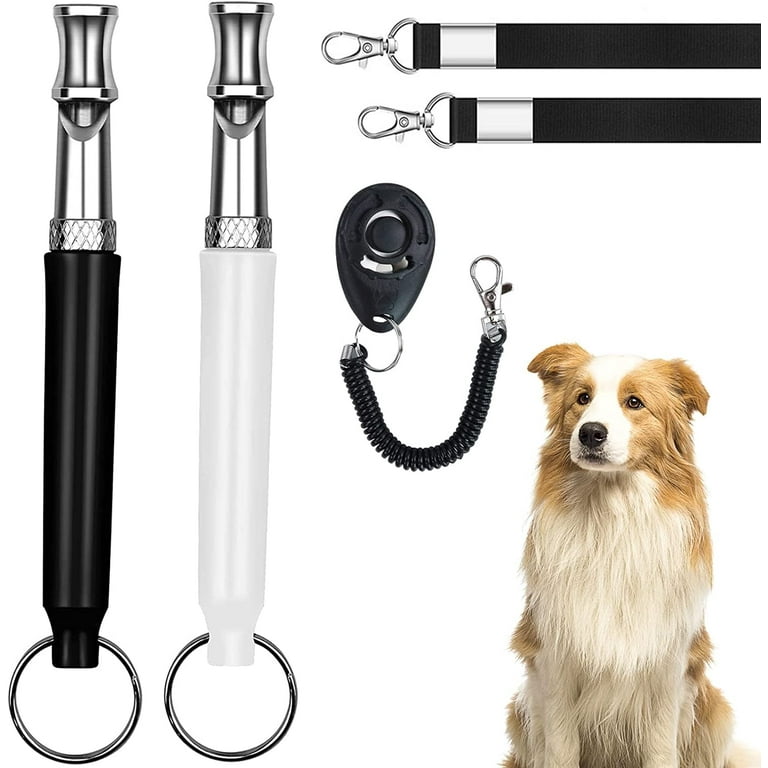
Choosing the right dog whistle can make a significant difference in how effectively you communicate with your furry friend. Not all dog whistles are created equal, and selecting one that suits your needs requires some consideration. By understanding the different types and factors involved, you can make an informed decision that enhances your training sessions.
Types Of Dog Whistles
- Silent Whistles:These emit a high-pitched sound, often inaudible to humans, but easily heard by dogs. They’re perfect for quiet environments where you don’t want to disturb others.
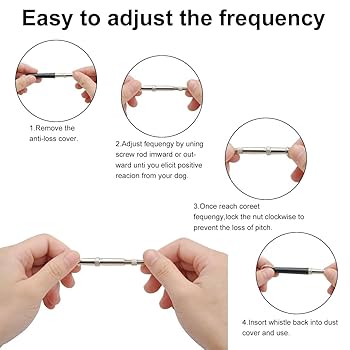
- Adjustable Frequency Whistles:These allow you to change the pitch, making it customizable for different breeds or training purposes. Ideal if you’re working with multiple dogs with varied hearing ranges.
- Pea Whistles:Similar to traditional whistles, these have a small ball inside that creates a trilling sound. They’re great for getting a dog’s attention quickly, especially in noisy areas.
Factors To Consider
- Distance:Consider how far you need the sound to travel. A silent whistle might be less effective if your dog tends to wander far off during hikes.
- Environment:Think about where you’ll be using the whistle. Busy parks may require a louder option, while quiet neighborhoods might benefit from a silent whistle.
- Durability:Look for whistles made from sturdy materials that can withstand rough outdoor use. A whistle that breaks easily won’t serve you for long.
- Comfort:Ensure it’s easy to hold and use. A whistle that’s awkward to handle won’t be effective in urgent situations.
Have you ever been in a situation where your dog just wouldn’t listen? The right dog whistle could be the tool you need to change that. Remember, each dog is unique, so you might need to experiment with a few whistles before finding the perfect match.

Credit: www.amazon.co.uk
Understanding Whistle Commands
Understanding whistle commands is crucial for effective dog training. Whistles are clear and consistent, making them excellent for communication. Training with a whistle can enhance your dog’s response and discipline.
Basic Commands
Start with simple commands. These lay the foundation for advanced training. Use distinct sounds for each command. This helps your dog differentiate between actions.
- Come:Blow one short whistle. Your dog learns to return to you.
- Sit:Use two short blasts. This signals your dog to sit down.
- Stay:One long whistle tells your dog to remain in place.
Practice consistently. This ensures your dog understands each sound. Reinforce with treats or praise for positive reinforcement.
Advanced Commands
Once basic commands are mastered, introduce advanced ones. These improve your dog’s skills further.
- Stop:Blow three short whistles. This signals your dog to halt.
- Recall:Use a combination of short and long whistles. This guides your dog back to you.
- Direction Change:Use different whistle tones to change direction.
Train in varied environments. This helps your dog adapt to different settings. Regular practice enhances understanding and obedience.
Training Your Dog With Whistle
Training your dog with a whistle can be effective. It’s a way to communicate that your pet understands. The whistle can signal commands like sit, stay, or come. Using a whistle creates a clear, consistent sound. Dogs learn to associate this with actions. This method can improve your dog’s response.
Building Association
Start by creating a link between the whistle and a treat. Blow the whistle, then offer a reward. Repeat this until your dog expects a treat with the whistle. This builds a positive connection. Your dog learns the whistle means something good is coming.
Gradual Introduction
Introduce the whistle slowly. Use it in short training sessions. Begin with simple commands. Blow the whistle, then give a command like sit. Reward your dog for following the command. Over time, your dog will respond to the whistle alone. Increase the complexity of commands as your dog learns.
Consistency In Training
Training with a dog whistle requires regular practice to reinforce commands. Consistent signals help dogs understand and respond better. Gradual repetition ensures effective communication between you and your furry friend.
Consistency in training is the cornerstone of effective dog whistle use. The idea is simple: the more consistent you are, the quicker your dog will learn. But achieving this consistency takes effort and commitment. The key is to establish a routine that both you and your dog can rely on. The dog whistle is a powerful tool, but like any tool, it requires regular and correct use. Are you ready to make your training sessions more effective?Maintaining Regularity
Regular training sessions help your dog understand what you expect from them. Aim for short, daily sessions rather than infrequent, long ones. This keeps your dog engaged and less likely to become bored. Consistency in the timing of these sessions is also important. Try to train at the same time every day to build a habit. Your dog will begin to anticipate and look forward to training time.Reinforcing Commands
Reinforcing commands is crucial in ensuring your dog understands the whistle cues. Use the whistle in conjunction with verbal commands and hand signals. This helps your dog associate the sound of the whistle with specific actions. Reward your dog immediately when they respond correctly to a whistle command. A treat or praise reinforces the behavior, making it more likely they’ll repeat it. Be patient and persistent. Training is a marathon, not a sprint, and your dog will learn at their own pace. Are you prepared to invest the time needed for successful training?Troubleshooting Common Issues
Identify the correct frequency for your dog’s whistle to ensure effective communication. Adjust the whistle’s pitch to match your dog’s hearing sensitivity. Practice consistently to avoid confusion and reinforce positive behavior.
Troubleshooting common issues with dog whistles can make a world of difference in your training experience. It’s not uncommon to face a few bumps along the way. Understanding these challenges will help you and your furry friend communicate better.Dog’s Lack Of Response
If your dog isn’t responding to the whistle, it might not be the whistle itself. Consider the environment. Are there too many distractions? Try moving to a quieter area to capture their attention. Also, think about the frequency of your whistle. Dogs hear different pitches, and you may need to adjust it until you find one that works. Consistency is key. Regular practice sessions can help reinforce the behavior you want to see. Have you been consistent in your training schedule?Improper Command Execution
Is your dog confused about what you want them to do? The problem might lie in how commands are given post-whistle. Each whistle sound should correspond to a specific command. Ensure your commands are clear and consistent. Use simple gestures to aid understanding. If errors persist, revisit basic training. Break down commands into smaller steps and reward progress. Patience here can set the foundation for better results.
Credit: www.amazon.co.uk
Benefits Of Whistle Training
Whistle training is a powerful tool for enhancing your relationship with your dog. By harnessing the benefits of whistle training, you can transform your communication and improve obedience, making everyday interactions smoother and more enjoyable. Whether you’re a seasoned dog owner or new to canine companionship, integrating a dog whistle into your training routine can yield remarkable results.
Enhanced Communication
A dog whistle can serve as a unique communication bridge between you and your furry friend. Unlike verbal commands, which can be obscured by background noise or emotional tone, the sharp sound of a whistle cuts through distractions. Imagine you’re at a busy park; a simple whistle can grab your dog’s attention instantly amidst the chaos. This precision in communication ensures that your dog understands what you want, leading to a more responsive and attentive pet.
Have you ever struggled to get your dog’s attention during a crucial moment? The whistle’s distinct sound can be a game-changer. It provides a clear signal that your dog can recognize, even from a distance. This heightened communication not only strengthens your bond but also promotes trust as your dog learns to rely on your cues.
Improved Obedience
Whistle training significantly boosts obedience by providing consistent cues for specific behaviors. Dogs thrive on routine and clarity; a whistle can serve as a reliable marker for commands like “come,” “sit,” or “stay.” Consistency is key in training, and a whistle’s uniform sound can help your dog associate specific actions with specific signals.
Consider the challenges of training a stubborn dog. Whistle commands can break through stubbornness by offering an unmistakable directive. The repetitive nature of whistle sounds makes it easier for dogs to learn and respond promptly. This method can turn training sessions into rewarding experiences, motivating your dog to follow commands eagerly.
Have you tried using a whistle for training? If not, why not give it a shot? You might find your dog responds better than ever, and training becomes a fun and engaging activity for both of you.
Safety Considerations
Using a dog whistle can be an effective way to train your dog, but it’s important to prioritize safety. You might be tempted to use it frequently, but understanding how it affects your dog is crucial. Safety considerations ensure that your training sessions are productive and enjoyable for both you and your furry friend.
Avoiding Overuse
Using a dog whistle excessively can be counterproductive. Dogs are sensitive to high-frequency sounds and constant exposure can lead to desensitization. This means your dog may stop responding to the whistle altogether. Think of it like tuning out a repetitive noise.
Consider setting a limit on how often you use the whistle. Perhaps integrate it into a structured training schedule. For example, you could use it for specific commands like recall during short sessions. This keeps the sound novel and maintains its effectiveness.
Respecting Dog’s Comfort
Every dog is different, and what works for one might not work for another. Pay attention to your dog’s reactions when you use the whistle. If your dog appears anxious or uncomfortable, it might be time to reconsider your approach.
Have you ever noticed your dog flinching or backing away when you blow the whistle? This could indicate that the sound is too harsh or loud for them. Adjust the frequency or volume of the whistle accordingly to ensure it’s comfortable for your dog.
Always observe your dog’s body language and adjust your training methods to suit their needs. A happy, relaxed dog is more likely to respond positively to training.
By being mindful of these safety considerations, you can ensure a productive and harmonious training experience for your dog.
Frequently Asked Questions
What Is A Dog Whistle Used For?
A dog whistle is used for training and communication with dogs. Its high-pitched sound is often inaudible to humans but can grab a dog’s attention. It is commonly used for recall, to stop unwanted behaviors, and to reinforce commands during training sessions.
How Does A Dog Whistle Work?
A dog whistle works by emitting sound frequencies that dogs can hear. These frequencies are higher than those humans can detect. When blown, it creates a distinctive sound that can help focus a dog’s attention. This makes it an effective tool for training and communication.
Can All Dogs Hear A Dog Whistle?
Most dogs can hear a dog whistle due to their sensitive hearing range. However, individual hearing ability can vary based on factors like age and breed. Puppies and young dogs typically have better hearing than older ones. Always monitor your dog’s response to ensure the whistle is effective.
How Do I Train My Dog With A Whistle?
Start by associating the whistle sound with a command or action. Blow the whistle and reward your dog when they respond correctly. Consistency is key. Use the whistle for recall or specific commands during training sessions. Gradually reduce treats as your dog learns to associate the sound with the desired behavior.
Conclusion
Training with a dog whistle can be effective. Keep sessions short and fun. Consistency is key for success. Build trust with positive reinforcement. Your dog will learn faster. Practice in a quiet area first. Gradually introduce distractions. Patience brings great results.
Remember, every dog learns at its own pace. Stay calm and encouraging. Avoid frustration or anger. Your bond will grow stronger. Enjoy the journey together. Happy training!

Similar Posts