Is a Shock Collar Bad for Dogs: Uncover the Truth
Senior Canine Nutritionist & Dog Behavior Specialist at Cozy Dog Go Wellness Lab
You care deeply about your dog’s well-being, and you want to make the best choices for them. When it comes to training tools, the shock collar often sparks heated debates.
You might be wondering: is a shock collar bad for dogs, or is it an effective training tool? This question is more than just controversial—it’s crucial to your pet’s happiness and safety. Imagine feeling confident in your training choices, knowing you’re doing right by your furry friend.
You’ll uncover the truths about shock collars, backed by expert insights and research. Stay with us, and find out how your decisions could impact your dog’s behavior and emotional health.
What Is A Shock Collar?
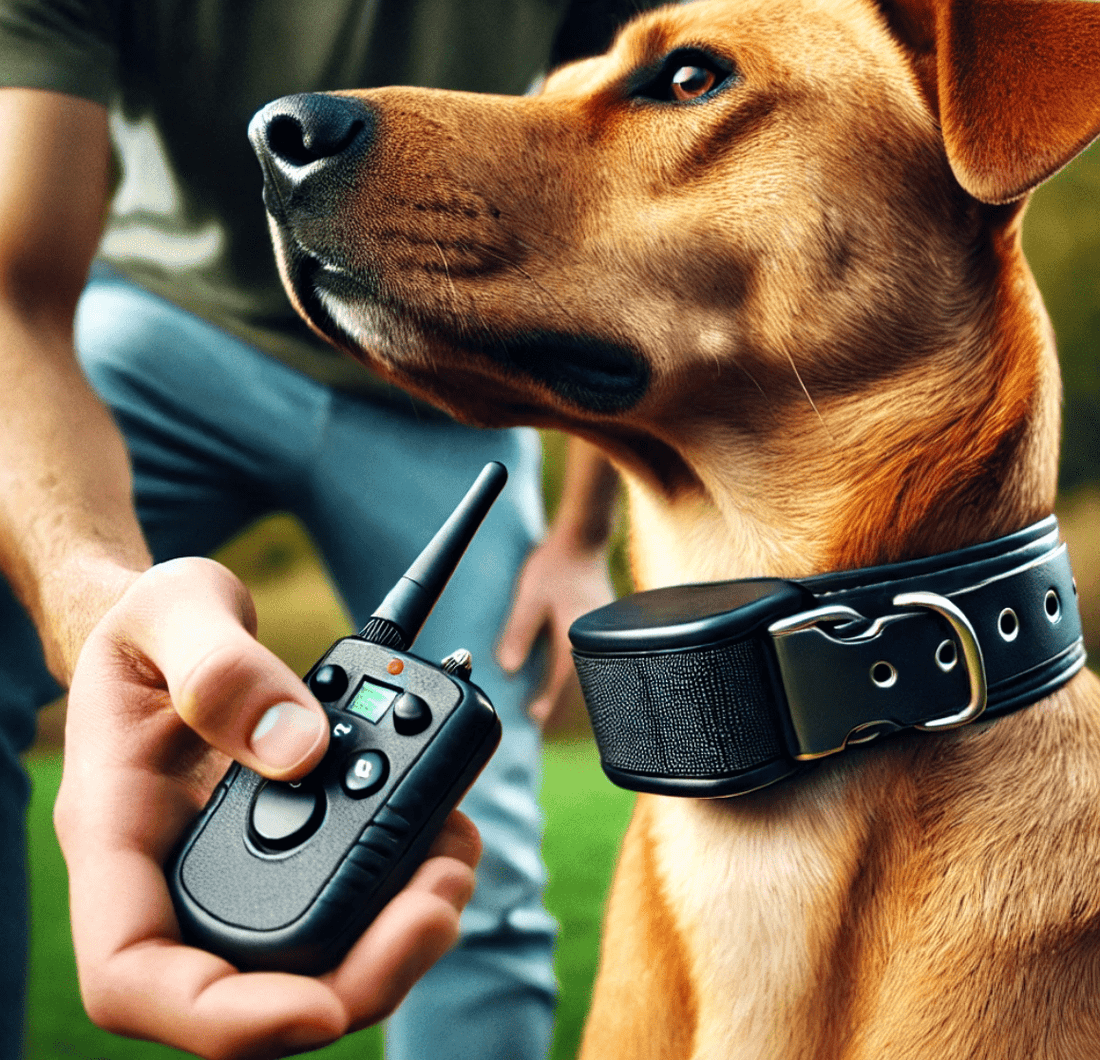
Understanding what a shock collar is can help in making informed decisions. Shock collars, also known as e-collars, are devices used for dog training. They deliver electrical stimulation to a dog’s neck via a remote control. Many pet owners use them to correct unwanted behaviors. Yet, there are debates about their safety and effectiveness.
Components And Functionality
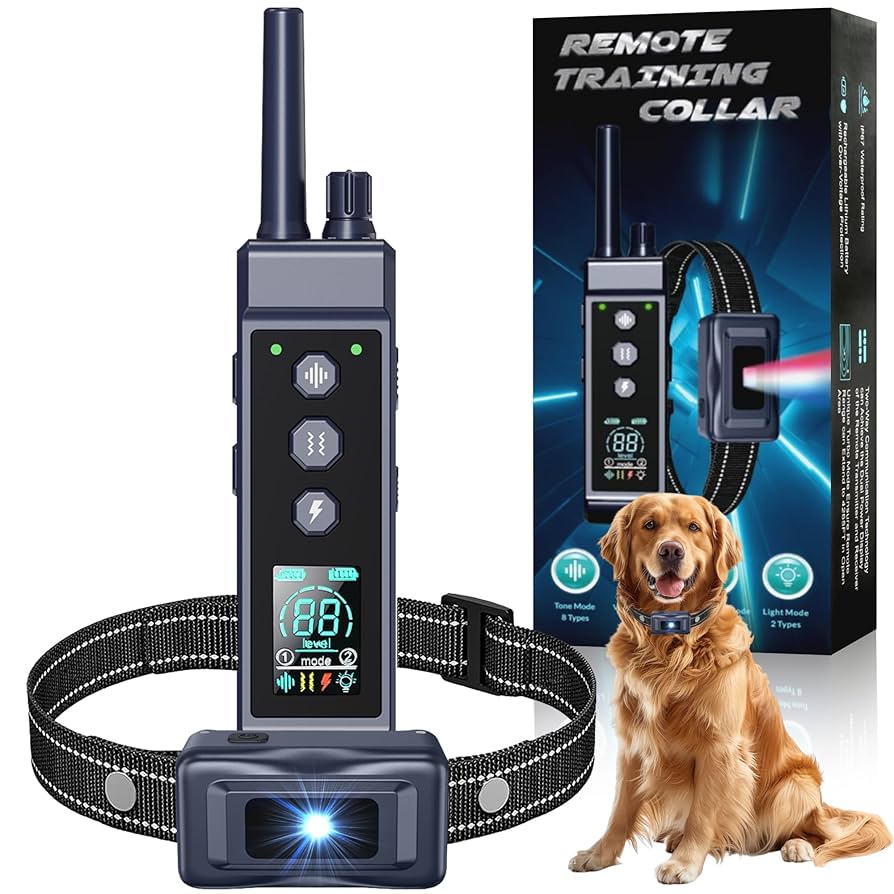
Shock collars consist of three main parts. The collar, the receiver, and the remote control. The collar fits around the dog’s neck. It contains metal prongs that make contact with the skin. The receiver is attached to the collar. It receives signals from the remote control. The remote control lets the owner send signals to the receiver. These signals trigger electrical stimulation.
The functionality of shock collars varies. Some offer different levels of stimulation. Others include sound or vibration settings. This variety allows for customized training approaches. Yet, the use of these features requires caution and understanding.
Types Of Shock Collars
There are different types of shock collars available. Each serves a unique purpose. Common types include bark collars, training collars, and invisible fence collars.
- Bark Collars:Designed to stop excessive barking. They activate when the dog barks.
- Training Collars:Used for behavior training. These allow manual control over stimulation.
- Invisible Fence Collars:Work with a buried wire. They keep dogs within a set boundary.
Each type has its pros and cons. Selecting the right one depends on your dog’s needs and behavior. Understanding each type can guide in making the best choice.

Credit: www.amazon.com
Reasons For Using Shock Collars
Shock collars for dogs often stir debate. Some dog owners find them useful. Others worry about their safety. Understanding the reasons people use them is important. This section sheds light on why some choose shock collars.
Training And Behavior Correction
Shock collars can help with training. They provide quick feedback. Dogs may understand commands better. Some trainers use them for stubborn dogs. They correct unwanted behaviors fast. Barking, jumping, or running away can improve. Timing and consistency are key.
Safety Concerns
Shock collars can enhance safety. They prevent dogs from danger. For example, near busy roads. Owners can stop risky actions instantly. Some collars have a remote control. This feature gives owners more control. Yet, misuse can harm dogs. Proper training is essential. Always consult a professional.
Potential Harm To Dogs
Using a shock collar on dogs can lead to various harms. It is important to understand these potential dangers before deciding on this method of training. The collar might seem like a quick fix, but the consequences can be severe for your furry friend. Let’s explore some of the physical and psychological impacts of shock collars on dogs.
Physical Impact
Shock collars can cause physical injuries to dogs. The electric pulse can burn the skin. It might also lead to muscle contractions, causing pain. Long-term use can result in skin irritation or even infection. Some dogs may develop a fear of the collar, which might lead to further injuries from trying to remove it.
Psychological Effects
Shock collars can harm a dog’s mental health. They might create anxiety or stress. Dogs may become fearful or aggressive. Trust between the dog and owner can be damaged. This can lead to behavioral problems. A dog might become withdrawn or less social. These psychological effects can be long-lasting and difficult to reverse.

Credit: www.amazon.com
Expert Opinions
Shock collars for dogs spark much debate. Experts have varying views on their use. Let’s explore what veterinarians and animal behaviorists say.
Veterinary Insights
Veterinarians often emphasize animal welfare. Many advise against shock collars. They can harm a dog’s physical and mental health. Pain from shocks may lead to fear or aggression. Veterinarians suggest positive reinforcement instead. Treats and praise work better for training.
Animal Behaviorists’ Perspectives
Animal behaviorists focus on understanding dogs. They argue that shock collars can confuse pets. Dogs might not link the shock to bad behavior. This can cause anxiety. Behaviorists advocate for gentle training methods. Clicker training is one such technique. It helps dogs learn without stress.
Alternatives To Shock Collars
When considering alternatives to shock collars, many dog owners are seeking humane and effective ways to train their pets. Shock collars, which use electric current to deter unwanted behavior, are often viewed as harsh and potentially harmful. Thankfully, there are numerous alternatives that focus on positive reinforcement and humane tools, helping you build a trusting and loving relationship with your furry friend.
Positive Reinforcement Techniques
Positive reinforcement is a powerful tool in dog training. This technique involves rewarding your dog for good behavior, encouraging them to repeat it. Treats, praise, or playtime can be excellent motivators. It’s about catching your dog doing something right and letting them know. Imagine how you feel when praised for a job well done; your dog feels the same way!
To implement positive reinforcement, consistency is key. Always reward your dog immediately after the desired behavior. This helps them make the connection between the action and the reward. Start with simple commands like “sit” or “stay,” and gradually progress to more complex behaviors. Your patience and persistence will pay off as your dog learns through encouragement, not fear.
Humane Training Tools
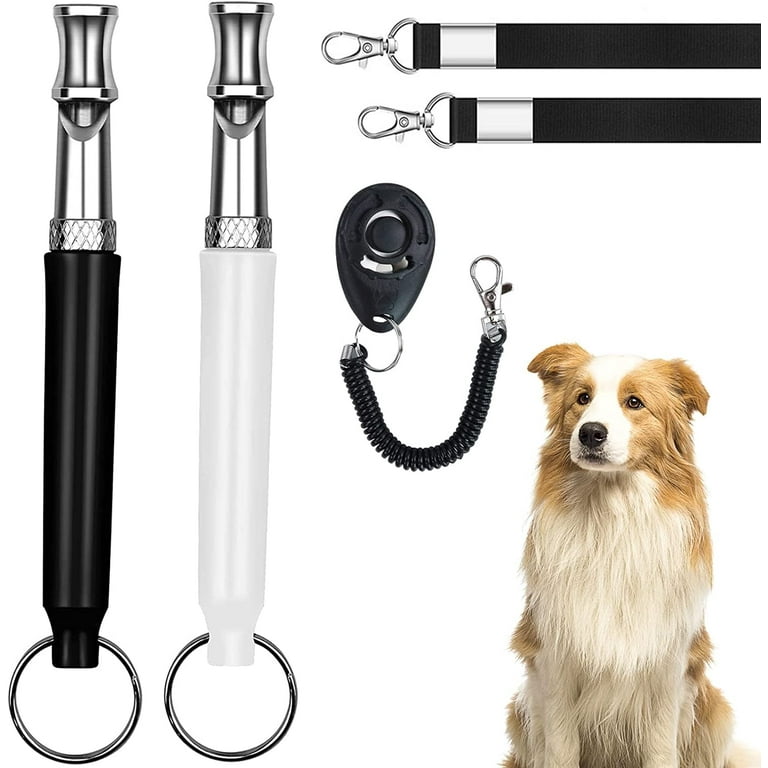
There are several humane tools available that can assist in training without causing distress. Consider using clicker training, a method that pairs a clicking sound with treats to reinforce good behavior. The clicker acts as a marker, letting your dog know they performed the right action. It’s an effective and gentle way to communicate with your pet.
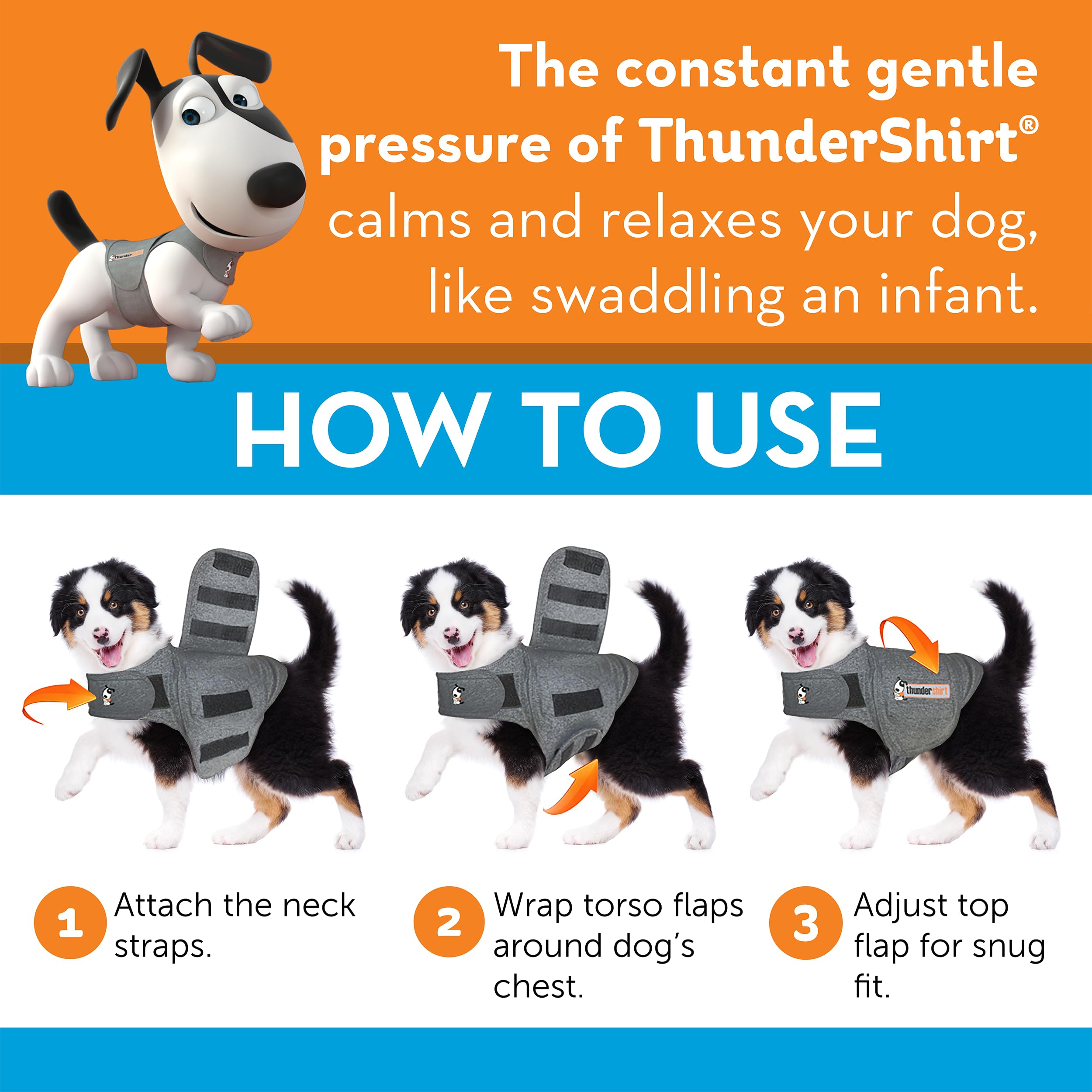
Another option is a head collar or harness, which can help guide your dog during walks without the need for corrections. These tools provide control and stability, making it easier for you to manage your dog’s behavior. They’re especially useful for dogs that pull or are easily distracted. By using humane training tools, you’re promoting a positive learning environment.
Have you tried a training class with your dog? Many local trainers offer classes that focus on gentle techniques, providing professional guidance and socialization opportunities. It’s a chance for both you and your dog to learn and grow together. As you explore these alternatives, consider the bond you’ll strengthen with your dog. Isn’t it worth it to invest in a method that nurtures trust and understanding?
Credit: www.amazon.com
Legal And Ethical Considerations
Understanding the legal and ethical considerations of using shock collars is important. These devices are controversial in the dog training community. They have sparked debates among pet owners, trainers, and lawmakers. Let’s explore the legal regulations and ethical debates surrounding shock collars for dogs.
Regulations And Restrictions
Different countries have varying rules regarding shock collars. In some places, their use is restricted or banned. For instance, shock collars are illegal in several European countries. These include Denmark, Norway, and Sweden.
In the United States, regulations vary by state. Some states have no specific laws about shock collars. Others have stricter rules to protect animal welfare. It’s crucial to check local laws before using a shock collar on your dog.
Ethical Debates
The ethical use of shock collars is a hotly debated topic. Many animal rights groups oppose them. They argue that shock collars cause unnecessary pain and stress to dogs. Some trainers believe that positive reinforcement is a better method.
Others claim that shock collars can be used humanely. They say proper training and correct settings are key. The debate continues, with strong opinions on both sides. Pet owners should weigh the ethical considerations carefully.
Personal Stories And Experiences
Personal stories reveal mixed feelings about using shock collars for dogs. Some find them harmful, while others see a training benefit. These experiences highlight the need for careful consideration and understanding of each dog’s needs.
Personal stories and experiences provide a unique insight into the real impact of using shock collars on dogs. Many dog owners have shared their journeys, revealing the emotional and behavioral consequences they observed in their pets. These narratives are crucial for understanding the broader implications of shock collars beyond the technical aspects.Dog Owners’ Accounts
Some dog owners have described the use of shock collars as a traumatic experience for their pets. One owner reported that her dog became anxious and fearful after repeated exposure to the collar. The pet began to associate outdoor walks with discomfort, leading to a reluctance to go outside at all. Another owner shared how his dog started displaying aggressive behavior towards other dogs following the use of a shock collar. Instead of curbing unwanted actions, the collar seemed to amplify stress and anxiety, resulting in more behavioral issues. These accounts raise an important question: Is the temporary compliance worth the potential long-term harm to your dog’s well-being?Success Stories Without Shock Collars
In contrast, several dog owners have found success through positive reinforcement and patience, without resorting to shock collars. One owner recounted how her dog, once a notorious escape artist, learned to stay within boundaries using consistent training and rewards. Another story involves a rescue dog with significant anxiety issues. With time, love, and gentle guidance, the dog transformed into a confident and well-adjusted companion. The owner emphasized the importance of understanding each dog’s unique needs and tailoring the training accordingly. These success stories highlight that alternative methods can be both effective and compassionate. They illustrate that with dedication and empathy, you can achieve desired behaviors while maintaining a trusting and loving relationship with your pet. Isn’t it worth exploring these humane approaches for the sake of your dog’s happiness?Choosing The Right Training Method
Choosing the right training method requires understanding the potential harm of shock collars. These devices can cause physical pain and stress to dogs. Positive reinforcement methods are often safer and more effective, focusing on rewarding desired behaviors.
Choosing the Right Training Method Choosing the right training method for your dog can feel overwhelming. With so many options available, it’s easy to question which one will be the most effective and humane. Some dog owners might consider using a shock collar, but understanding your dog’s unique needs and consulting with professionals can lead you to a better decision.Assessing Your Dog’s Needs
Every dog is different, with its own personality, temperament, and learning style. Before deciding on a training method, take a close look at what your dog responds to naturally. Does your dog thrive on positive reinforcement like treats or praise? If so, reward-based training might be the way to go. Or perhaps your dog is highly energetic and needs a more structured approach. Consider your dog’s breed, age, and behavior issues. A young puppy might not need the same methods as an older rescue dog with anxiety. By understanding these factors, you can tailor a training plan that fits your dog’s specific needs.Consulting Professionals
Bringing in a professional can be a game-changer. Dog trainers or behaviorists have the expertise to assess your dog’s behavior and recommend the most effective training methods. A professional can offer insights you might not have considered. They can demonstrate techniques that align with your goals and your dog’s personality. Don’t be afraid to ask questions. What works for one dog might not work for another, so getting personalized advice can help you avoid costly mistakes. Consulting a professional can also give you peace of mind knowing you’re making informed decisions about your dog’s training.Frequently Asked Questions
Are Shock Collars Harmful To Dogs?
Shock collars can cause physical and psychological harm. They may lead to anxiety, fear, and aggression. Using them requires careful consideration and professional guidance. Positive reinforcement methods are generally safer and more effective for training. Always prioritize the dog’s well-being.
Do Shock Collars Cause Anxiety In Dogs?
Shock collars can induce anxiety and stress. Dogs may become fearful or aggressive. Consistent negative stimuli can impact a dog’s mental health. Positive training methods are recommended for better results and a happier pet. Consult a professional for guidance.
Are Shock Collars Effective For Training?
Shock collars can be effective but are controversial. They rely on negative reinforcement, which can have adverse effects. Positive training methods are generally more successful and humane. Always consider a dog’s welfare and consult with a trainer.
Can Shock Collars Lead To Aggression?
Shock collars may increase aggression in dogs. The discomfort can cause stress and fear, leading to aggressive behavior. Positive reinforcement is a better option for managing aggression. Always prioritize humane training methods for a healthier relationship with your dog.
Conclusion
Deciding on a shock collar needs careful thought. Consider your dog’s well-being first. Explore different training methods. Positive reinforcement often works best. Understand your dog’s needs and behavior. Consult a professional trainer if unsure. Each dog is unique, and what works for one might not for another.
Your dog’s safety and happiness are key. Make choices that ensure a loving bond. Training should be a positive journey. Prioritize methods that build trust and understanding. Be patient and consistent. Your dog deserves a kind approach. Always aim for their best interest.

Similar Posts