Is Adoption Free for Dogs: Uncover Hidden Costs
Senior Canine Nutritionist & Dog Behavior Specialist at Cozy Dog Go Wellness Lab

Imagine giving a dog a second chance at life. You could be the person who provides love, comfort, and a forever home to a furry friend in need.
But there’s a question that might be lingering in your mind: “Is adoption free for dogs? ” It’s a question that many people like you ask when considering adopting a pet. You might wonder if there are hidden costs or if it’s as simple as it sounds.
Understanding the real cost of dog adoption can be the first step in making an informed decision. You’ll discover the facts, dispel myths, and learn everything you need to know about bringing a dog into your life without breaking the bank. Let’s dive into what adoption truly entails, and how it can change both your life and the life of a deserving dog. Keep reading to uncover the truth and find out how you can make a positive impact.
Adoption Fees
Adoption fees for dogs vary widely. Many shelters charge a fee to cover medical care and housing costs. This fee helps ensure the dog is healthy and ready for a new home.
Adopting a dog can be one of the most rewarding experiences of your life. However, it’s essential to understand that adoption isn’t always free. Adoption fees are in place to support the ongoing care and welfare of the animals and to ensure that they find the right home. These fees can vary widely depending on several factors, and knowing what to expect can help you plan accordingly.Standard Charges
Standard charges typically cover the basic care and medical expenses incurred by shelters and rescue organizations. This might include vaccinations, spaying or neutering, and microchipping. For example, a local shelter might charge anywhere from $50 to $300 as a standard fee. This fee ensures that the dog you’re adopting is healthy and ready to join your family. Some organizations even offer discounts or waive fees for senior dogs, encouraging the adoption of older pets. It’s worth asking about any special programs they might have.Variable Costs
Beyond the standard charges, there are variable costs that can affect the total adoption fee. These can depend on the dog’s breed, age, or specific needs. For instance, a purebred dog might come with a higher adoption fee due to its popularity and demand. Puppies often require more medical attention and training, which can also raise the adoption cost. Certain breeds might need additional grooming or dietary needs, impacting the overall expense of adoption. Are you ready to accommodate these extra needs? Understanding these costs is crucial in ensuring you’re prepared for the financial commitment that comes with adopting a pet. Always ask your adoption agency about the specific breakdown of fees, so there are no surprises. Adopting a dog is a joyful journey, but it does require thoughtful consideration of all associated costs. How will you prepare for this new chapter?Credit: www.castanet.net
Medical Expenses
Adopting a dog often involves minimal fees, but it isn’t entirely free. Medical expenses for vaccinations, check-ups, and emergency care can add up. It’s important to consider these costs when welcoming a new furry friend into your home.
Adopting a dog is undoubtedly a rewarding experience, but it’s essential to consider potential medical expenses that come with it. While the adoption process might be free or low-cost, ensuring your new furry friend is healthy and well-cared for is a responsibility that requires a financial commitment. Understanding these costs can help you prepare for a smooth transition into pet ownership.Vaccinations
Vaccinations are crucial in safeguarding your dog against common diseases. Most shelters provide initial vaccinations, but follow-up shots are necessary. Research local veterinary clinics for affordable options. Consider setting up reminders to keep track of vaccination schedules. A well-vaccinated dog means fewer health issues down the road, saving you from unexpected vet visits.Spaying And Neutering
Spaying or neutering your dog not only controls the pet population but also benefits their health. Many shelters include this procedure in the adoption package, but if not, it’s vital to budget for it. This surgery can prevent various health problems and behavioral issues. Seek community programs or clinics that offer reduced rates to ease the financial burden.Health Checks
Routine health checks are essential in maintaining your dog’s well-being. Initial assessments might be covered by the shelter, but regular visits to the vet are necessary. These checks help catch potential health issues early. Are you prepared to invest in your dog’s long-term health? Consider creating a fund specifically for veterinary expenses. Regular health monitoring ensures a happy and healthy life for your furry companion.Supplies And Equipment
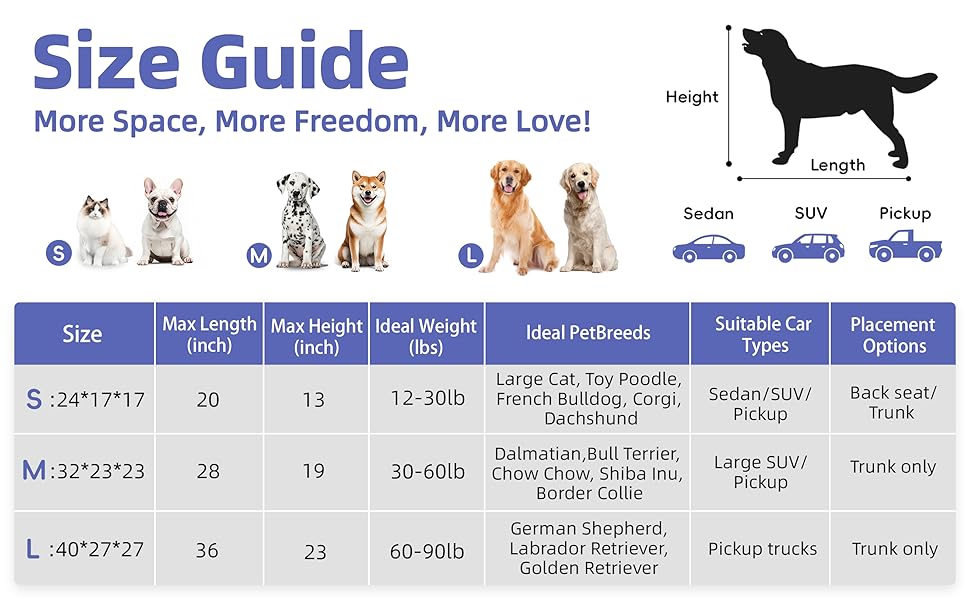
Adopting a dog often involves various costs beyond the adoption fee. Supplies like food, bedding, and toys can add up. Equipment such as leashes, collars, and crates are essential for a dog’s safety and comfort.
Adopting a dog is an exciting journey. But it requires preparation. One key aspect is gathering the necessary supplies and equipment. Proper supplies ensure your new furry friend feels comfortable and cared for. From the initial setup to ongoing needs, having the right items is crucial. This section covers everything you need to know.Initial Setup
The first days are special for your new dog. Create a welcoming environment with essential items. A sturdy collar and leash are a must. They help keep your dog safe during walks. A comfortable bed is also important. It gives your dog a place to relax and sleep. Food and water bowls are essential too. Choose ones that are easy to clean and the right size. Don’t forget a few toys. They help your dog adjust and stay entertained.Ongoing Supplies
Caring for a dog is a continuous commitment. Regular supplies keep your dog happy and healthy. Quality dog food is essential for nutrition. Consult a vet for the best options. Grooming supplies are also important. Brushes, shampoo, and nail clippers keep your dog clean. Regular grooming helps maintain their coat and health. Waste bags are needed for walks. Clean up after your dog to keep the environment tidy. These supplies form the foundation of a happy home for your dog.Training And Behavior
Adopting a dog usually involves fees for vaccinations, microchipping, and spaying or neutering. Shelters often require these payments to cover basic care. Some organizations might offer reduced costs or sponsorships to make adoption more affordable.
Adopting a dog is a heartwarming journey filled with wagging tails and endless companionship. However, it also comes with responsibilities, especially when it comes to training and behavior. Whether you’re a seasoned pet parent or a first-time adopter, understanding the nuances of dog training can make your experience more rewarding. From basic obedience to addressing behavioral challenges, equipping yourself with the right knowledge is essential.Basic Obedience
Teaching your dog basic obedience is the foundation of a happy relationship. Commands like sit, stay, and come are not just tricks; they are essential for ensuring your dog’s safety. Imagine taking your dog to a park and confidently letting them off-leash because you know they will return when called. Start with short, daily sessions, and use positive reinforcement like treats or praise. Consistency is key—dogs thrive on routine. Make training a fun and rewarding experience for both you and your furry friend.Behavioral Challenges
Every dog has its quirks, and sometimes these can turn into challenges. Whether it’s excessive barking or separation anxiety, understanding the root cause can help you address the issue effectively. Have you ever wondered why your dog behaves a certain way? Consider consulting a professional trainer if challenges persist. They can offer tailored advice and strategies. Remember, patience and empathy go a long way in helping your dog overcome behavioral hurdles. Engaging with your dog through training and understanding their behavior not only strengthens your bond but also ensures a harmonious home environment. What steps will you take today to enhance your dog’s behavior?Miscellaneous Costs
Adopting a dog can be a heartwarming experience, but it’s not always free. Beyond the adoption fee, various miscellaneous costs may arise. These costs can surprise new pet owners if they’re not prepared. Let’s delve into some of these potential expenses.
Travel And Transportation
Getting your new dog home might involve travel expenses. If adopting from a distant shelter, you may need to drive or fly. Consider fuel costs, tolls, or airfare. Bringing a pet on a plane could incur additional fees. Renting a vehicle might be necessary, especially for larger dogs. Planning ahead can help manage these costs.
Unexpected Expenses
Pets can be unpredictable, leading to unforeseen expenses. Medical emergencies might require immediate veterinary care. Your new dog might need special food or medication. Behavioral issues may necessitate professional training. Damage to your home or belongings is another possibility. Prepare a budget for these unexpected scenarios. This ensures you’re ready for anything.
Financial Assistance
Adopting a dog is a heartwarming journey, but the cost can sometimes be a hurdle. However, financial assistance options are available to ease the burden for potential adopters. Let’s explore some practical solutions that can make dog adoption more affordable for you.
Adoption Subsidies
Adoption subsidies can significantly reduce the cost of bringing a furry friend into your home. Many shelters offer reduced fees for senior dogs or those with special needs. These subsidies aim to encourage the adoption of pets that might otherwise be overlooked.
Additionally, some municipalities provide financial incentives for adopting pets from local shelters. It’s worth checking with your local government or animal control offices to see if they offer any programs. This small step can lead to substantial savings.
Charitable Organizations
Numerous charitable organizations are committed to helping prospective pet owners with the financial aspects of adoption. These organizations often provide grants or vouchers to cover adoption fees. A quick online search can reveal a list of charities that might assist you.
Consider reaching out to breed-specific rescue organizations as well. They often have funds set aside to encourage the adoption of dogs in their care. This not only helps you financially but also ensures that these dogs find loving homes.
Ultimately, the financial aspect of dog adoption shouldn’t deter you from welcoming a new family member. By exploring these resources, you can make the adoption process both affordable and fulfilling. Have you considered these options in your adoption journey?
Long-term Financial Commitment
Adopting a dog brings joy and companionship. Yet, it also involves a financial commitment. While adoption might be free, caring for a dog isn’t. Let’s explore the long-term financial aspects of owning a dog.
Routine Care
Routine care is a significant part of dog ownership. It includes food, grooming, and vet visits. Quality dog food is essential for health. Grooming, whether professional or DIY, keeps your dog clean and comfortable. Regular vet visits ensure your dog stays healthy. Vaccinations, dental care, and flea prevention are routine expenses. These costs add up over time.
Emergency Situations
Emergencies can occur at any time. An unexpected illness or injury can lead to high vet bills. Emergency care often involves surgery or specialized treatment. Having a savings fund for emergencies is wise. Pet insurance is another option to consider. It can help cover unexpected costs.
Credit: www.facebook.com
Frequently Asked Questions
Are Dog Adoptions Always Free?
Dog adoptions are not always free. Fees vary by shelter or rescue. They cover vaccinations, spaying/neutering, and other care. Some organizations offer promotions or discounts. It’s important to check with your local shelter. Adoption fees help support the shelter’s operations and care for other animals.
Why Do Shelters Charge Adoption Fees?
Shelters charge fees to cover essential services. Fees support medical care, food, and shelter maintenance. They ensure each dog is healthy and ready for adoption. The fees also help fund future rescues. Charging fees ensures shelters can continue their work effectively.
What Are Typical Costs For Adopting A Dog?
Typical adoption fees range from $50 to $300. Costs depend on the dog’s age, breed, and health. Puppies often cost more due to vaccinations and spaying. Some shelters offer discounts or specials. Always ask your local shelter about their specific fees.
Can Adoption Fees Be Waived?
Sometimes, adoption fees are waived during special events. Shelters may offer fee waivers to promote adoptions. Fee waivers help increase adoption rates. Always check with local shelters for upcoming promotions. Waived fees are often limited to specific times or criteria.
Conclusion
Adopting a dog isn’t always free, but it’s rewarding. Shelters may charge fees. These cover medical care and vaccinations. Costs can vary by location and dog breed. Adoption is a wonderful choice for many families. It gives dogs a second chance at life.
Always consider the responsibilities of pet ownership. Providing a loving home is a great reward. Make sure you’re ready for this commitment. Research local shelters for more information. Adopting a dog can change lives. For both the dog and your family.
Consider adoption and find your new furry friend.

Similar Posts