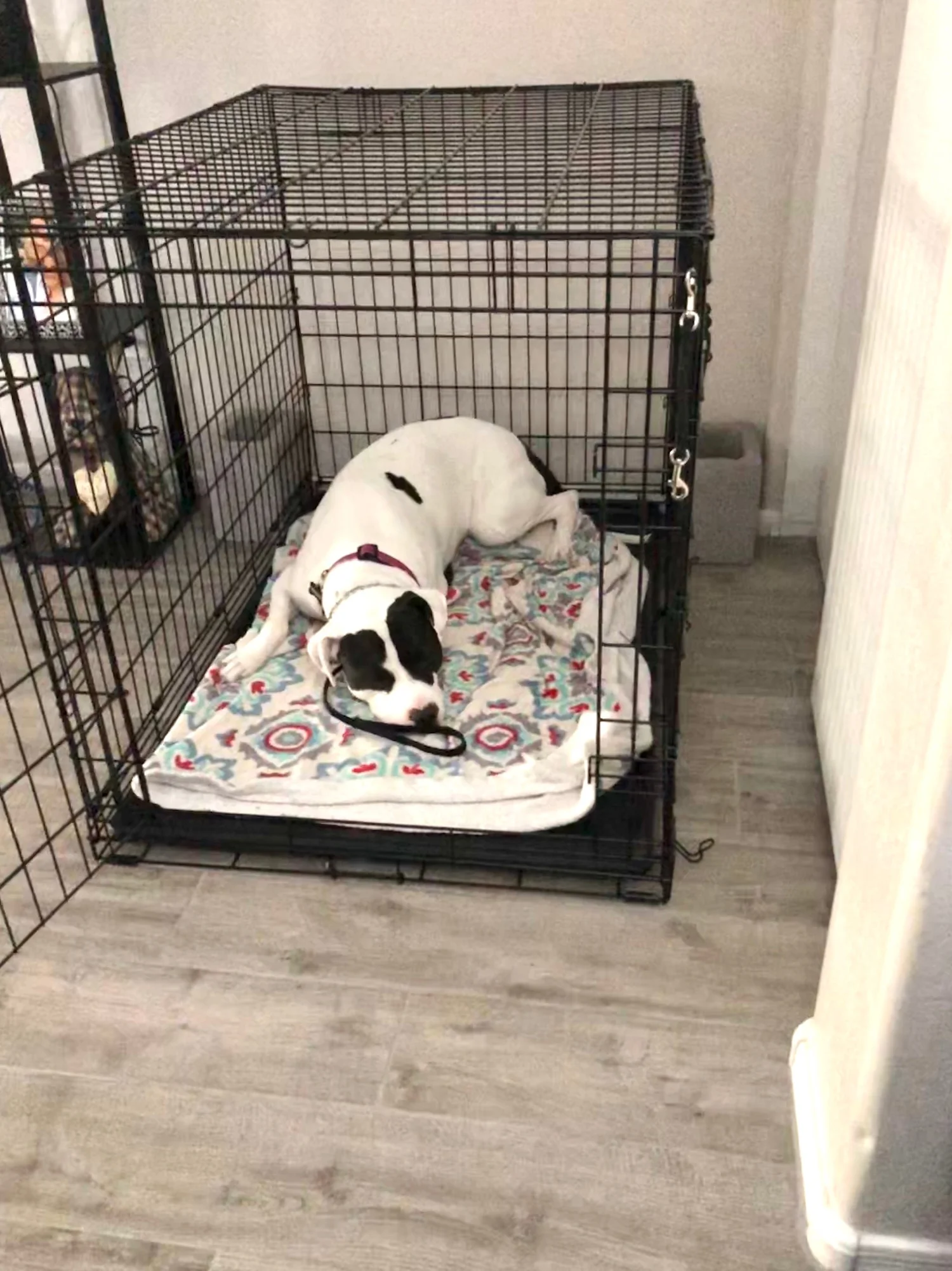
Should a Dog Sleep in a Crate: Pros and Cons Explained
Senior Canine Nutritionist & Dog Behavior Specialist at Cozy Dog Go Wellness Lab

Imagine this: a good night’s sleep for both you and your furry friend. Sounds perfect, right?
But there’s one question that might be keeping you awake: should your dog sleep in a crate? If you’re like many pet owners, you’re looking for the best way to ensure your dog is comfortable, secure, and happy during those nighttime hours.
You want to make the right choice, but the options can be overwhelming. Crate sleeping is a topic with passionate opinions on both sides. Some say it’s the ultimate comfort zone, while others believe it’s restricting. Where do you stand? Before you decide, let’s dive into everything you need to know to make the most informed choice for you and your dog. Keep reading, because what you discover here might just change the way you think about bedtime routines for your beloved pet.
Crate Training Basics
Crate training is an essential part of raising a well-behaved and happy dog. It provides a safe space for your pet, helps with house training, and can make traveling easier. Understanding the basics of crate training can significantly impact your dog’s behavior and your daily routine.
Purpose Of Crate Training
Crate training offers multiple benefits for both you and your dog. It creates a den-like space where your dog can retreat to feel safe and secure. This is particularly helpful during stressful situations like thunderstorms or when guests visit your home.
Additionally, it aids in house training by teaching your dog to hold their bladder, as dogs naturally avoid soiling their sleeping area. Crating can also prevent destructive behaviors when you’re not around. Picture this: coming home to a couch that hasn’t been chewed up!
Types Of Dog Crates
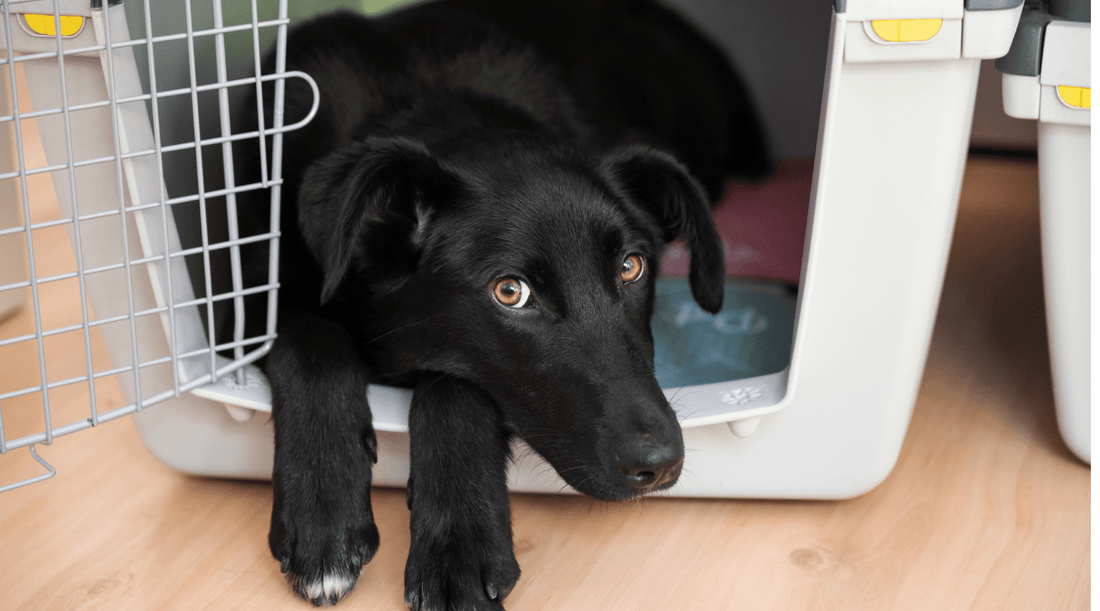
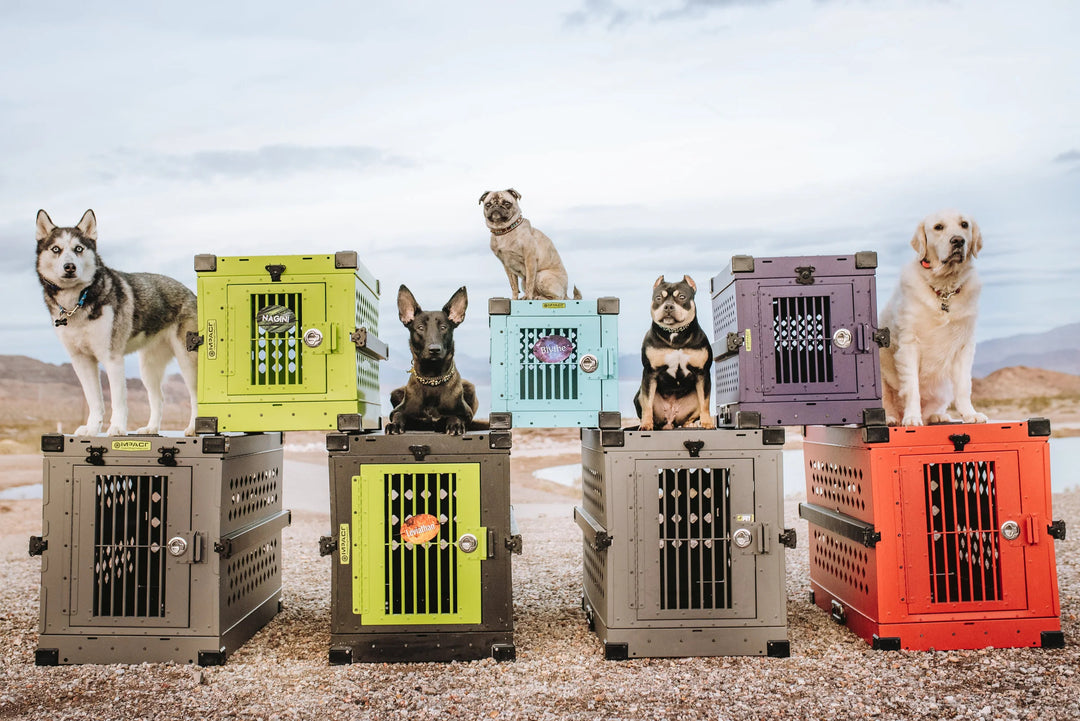
Choosing the right type of crate is crucial. There are several options available, each catering to different needs and preferences. Wire crates are popular because they provide good ventilation and visibility. They are also collapsible, making them easy to store or transport.
Plastic crates, on the other hand, offer more privacy and are generally more secure, which is great for traveling. They are also durable and easy to clean. Soft-sided crates are another option, best suited for smaller dogs and short-term use due to their lightweight design.
Consider what fits best with your lifestyle and your dog’s comfort. Would a wire crate’s visibility help your dog feel included in family activities, or does your pet prefer the cocoon-like feel of a plastic crate?
Remember, the crate should be a positive space for your dog. It’s not just about confinement; it’s about creating a home within your home. Which type of crate do you think would suit your dog’s personality best?
Benefits Of Crate Sleeping
Crate sleeping offers many benefits for dogs and their owners. It provides a structured environment that supports a dog’s natural instincts. This practice promotes well-being and helps with training. Let’s explore some key advantages of crate sleeping for dogs.
Safety And Security
A crate serves as a safe haven for dogs. It protects them from household hazards when unsupervised. This space offers a secure spot where they can relax and feel safe. Dogs appreciate having a personal retreat. It reduces anxiety and stress levels significantly. This comfort helps them sleep better.
Housebreaking Aid
Crate sleeping is an effective housebreaking tool. Dogs instinctively avoid soiling their sleeping area. This encourages them to hold their bladder until they are let out. Consistent crate training establishes a routine. It makes potty training simpler and faster. Owners experience fewer accidents inside the house.
Travel Convenience
A crate is essential for traveling with a dog. It keeps the dog secure during car rides. Crates prevent roaming, reducing distractions for the driver. They also offer comfort during trips, easing travel anxiety. Dogs accustomed to crate sleeping adapt better to new environments. This familiarity makes vacations more enjoyable for everyone.
Potential Drawbacks
While crates can be beneficial for dogs, they are not perfect. Some pet owners might face challenges when using crates for sleeping. Understanding potential drawbacks can help in making better decisions for your furry friend.
Space Limitation Concerns
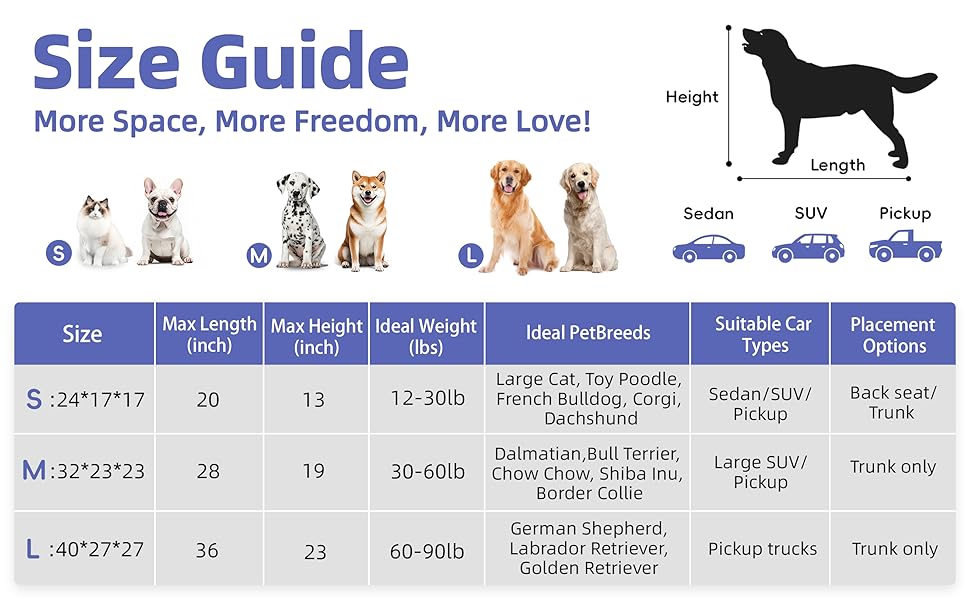
Crates can feel cramped for larger dogs. They need space to stretch and move. A confined space might make them uncomfortable. Dogs should be able to turn around easily in their crate. Tight spaces can affect their sleep quality. Make sure the crate is spacious enough for your dog.
Adjustment Challenges
Some dogs struggle to adapt to sleeping in a crate. They might whine or bark during the night. This can disturb your sleep. Patience is key when helping them adjust. Gradual introduction to the crate can ease their anxiety. Consistency and reassurance can help with the transition.
Overreliance Risks
Relying too much on crates can limit social interaction. Dogs need time outside the crate to play and bond. Overuse can lead to behavioral issues. It’s important to balance crate time with outdoor activities. Dogs need freedom to explore their surroundings. A balanced approach promotes well-being and happiness.
Credit: www.facebook.com
Frequently Asked Questions
Is It Safe For Dogs To Sleep In Crates?
Yes, it is generally safe for dogs to sleep in crates. Crates provide a secure and comfortable environment. Ensure the crate is the right size and has soft bedding. Proper crate training is essential to avoid stress and anxiety. Always monitor your dog’s behavior for any signs of discomfort.
How Long Can A Dog Stay In A Crate?
Dogs can stay in a crate for around 6-8 hours. Puppies and older dogs may need shorter durations. Make sure to provide regular breaks for exercise and bathroom needs. Extended periods in a crate can lead to anxiety and discomfort.
Always ensure your dog is comfortable and happy.
What Are The Benefits Of Crate Training?
Crate training offers several benefits for dogs. It provides a safe and comfortable space for rest. It helps with house training and prevents destructive behavior. Crates can reduce anxiety during travel. Proper crate training can improve a dog’s overall behavior and well-being.
How To Make A Crate Comfortable For My Dog?
To make a crate comfortable, add soft bedding and toys. Ensure the crate is the right size for your dog. Keep the crate in a quiet, familiar location. Regularly clean the crate to maintain hygiene. Make the crate a positive and inviting space for your dog.
Conclusion
Deciding if a dog should sleep in a crate involves many factors. Consider your dog’s comfort and behavior. Crates can offer security and routine. Yet, some dogs may feel confined or anxious. It’s essential to know your pet’s needs. Observe how your dog reacts in different sleeping environments.
Experiment and see what works best. Ensure the crate is a positive space, not a punishment. A balance between freedom and structure can be beneficial. Ultimately, your dog’s happiness and safety matter most. Always prioritize their well-being when choosing a sleeping arrangement.

Similar Posts