What Age Should a Dog Be Potty Trained: Expert Insights
Senior Canine Nutritionist & Dog Behavior Specialist at Cozy Dog Go Wellness Lab
Are you wondering what age your furry friend should be potty trained? You’re not alone.
The journey of dog ownership is filled with joy, but also challenges, and potty training is one of the first hurdles you’ll face. You’ve probably read about the magic age for training and heard advice from fellow dog owners. But what is the truth?
How do you ensure your dog is set up for success right from the start? This article will clear the confusion and provide you with the essential insights you need. Dive in to discover the secrets behind effective potty training and give your dog the best start in life. Your patience and consistency can make a world of difference, and we’re here to guide you every step of the way.
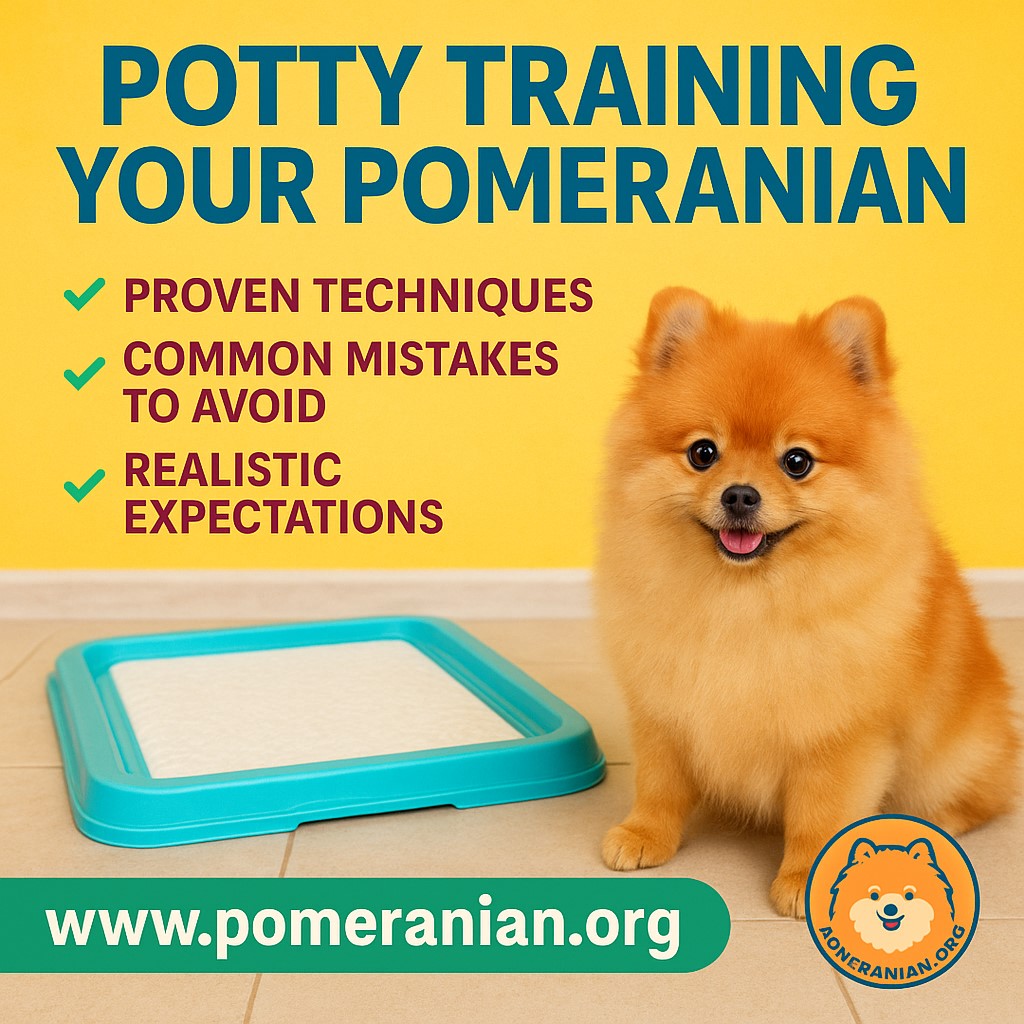
Credit: pomeranian.org
Ideal Age For Potty Training
Most dogs are ready for potty training between 12 to 16 weeks old. This age allows them to control their bladder and bowel movements better. Early training helps ensure your puppy develops good habits quickly.
Potty training a dog is a crucial step in ensuring they become a well-adjusted member of your household. It might seem daunting at first, especially if you’re a new pet owner. However, understanding the ideal age for potty training can make this process smoother and more successful.Understanding Puppy Development Stages
Puppies, like human babies, go through various development stages. Typically, a dog’s bladder control improves significantly between 12 to 16 weeks. At this age, they can hold it longer, making it the perfect time to start potty training.Why Timing Matters
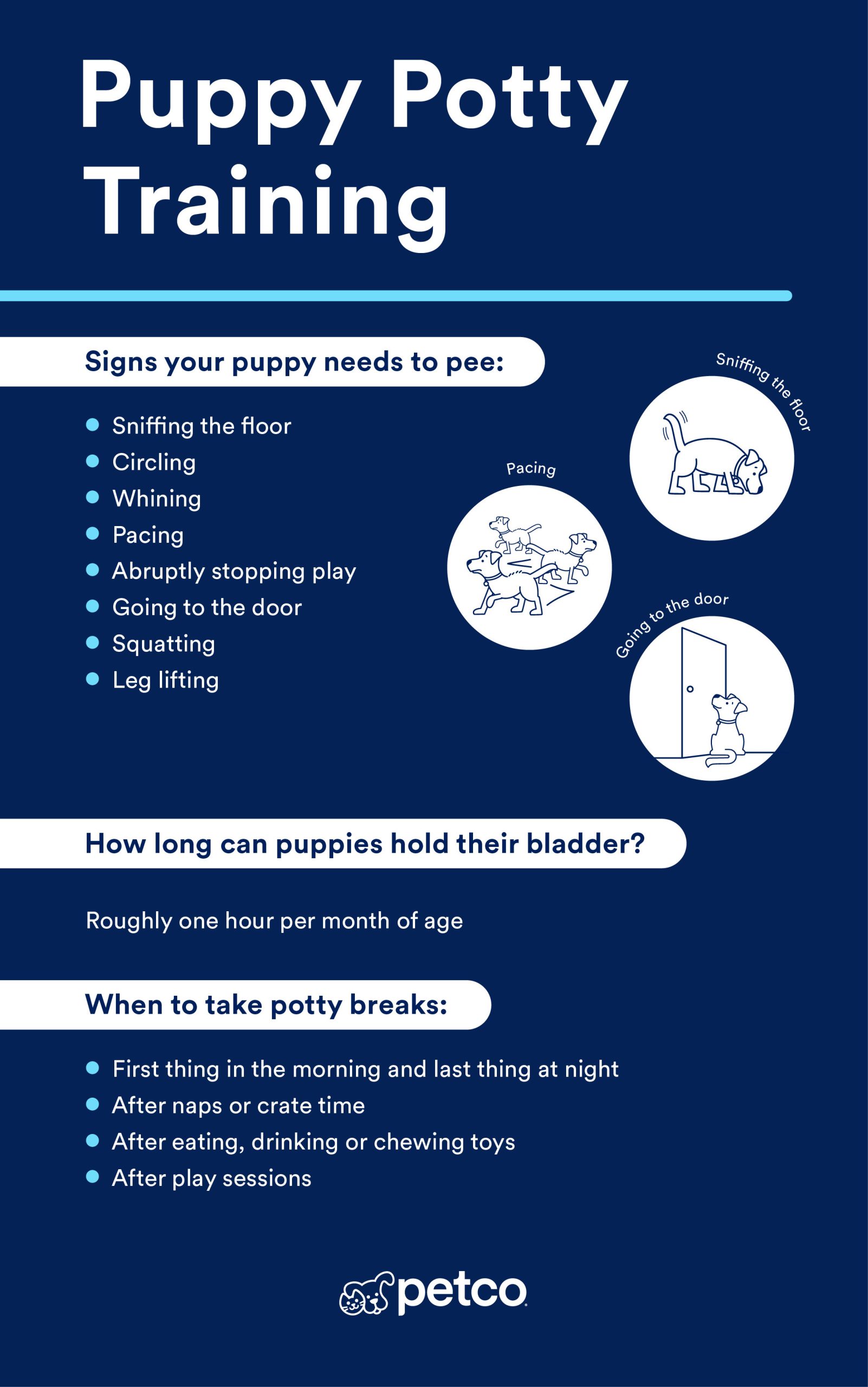
Starting too early might frustrate both you and your puppy. Puppies younger than 12 weeks haven’t developed enough control over their bladder. Waiting until your puppy is at least 12 weeks old can save both time and accidents in the house. Watch for signs that indicate readiness for potty training. A puppy that can hold it through the night or has fewer accidents during the day is ready. Notice if your puppy starts sniffing around or circling, which are indicators they need to go.Consistency Is Key
Once you determine your puppy is ready, consistency becomes your best friend. Stick to a routine, taking your puppy out at the same times every day. Make sure to use the same spot outside to help them associate the area with potty time.Using Positive Reinforcement
Rewarding your puppy for going potty outside creates positive associations. Use treats, praise, or playtime as a reward. This encourages them to repeat the behavior in the future.Patience And Persistence
Training takes time and patience. Expect a few accidents along the way, and don’t get discouraged. Remember, each puppy is unique, and some may take longer to train than others.Adapting To Your Puppy’s Needs
Every puppy is different, and it’s important to adapt based on their unique needs. Some may learn quickly, while others take more time. Be observant and flexible in your approach to ensure the best results. Are you prepared for the journey of potty training your puppy? With the right timing and approach, you can help your dog become a well-behaved and happy member of your family.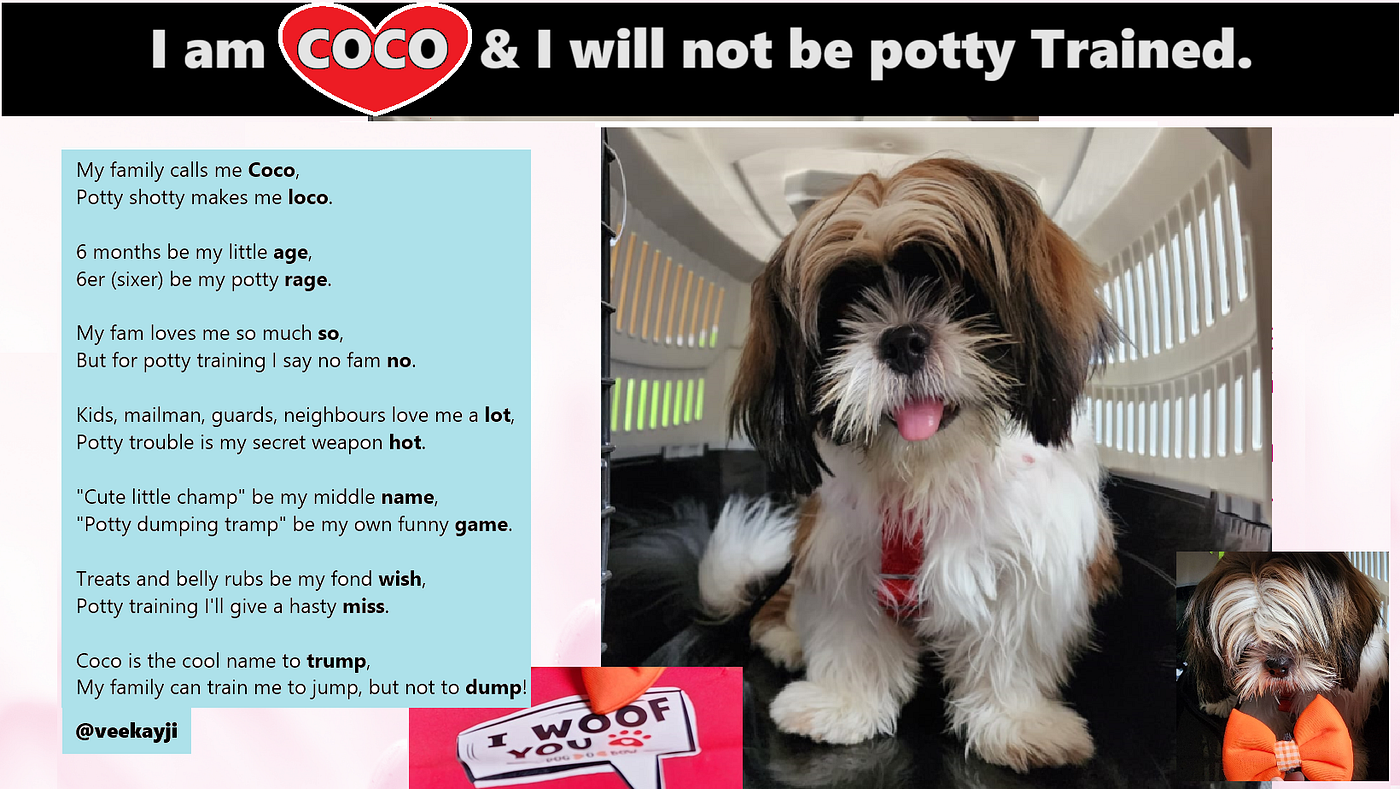
Credit: medium.com
Signs Your Puppy Is Ready
Puppies are usually ready for potty training between 12 and 16 weeks old. At this age, they can control their bladder and understand basic commands. Look for signs like reduced accidents indoors and the ability to hold it for longer periods.
Signs Your Puppy Is Ready Potty training a puppy requires patience and attention. Recognizing when your puppy is ready can make the process smoother. Puppies typically show certain signs indicating they are ready for potty training. Observing these signs helps ensure successful training.Consistent Sleeping Patterns
Puppies that sleep through the night may be ready. Consistent sleeping patterns indicate bladder control. If your puppy sleeps without accidents, it might be ready for training.Regular Eating Schedule
A regular eating schedule helps predict potty times. Puppies usually need to go shortly after meals. If your puppy eats at consistent times, it can help with timing potty breaks.Increased Awareness
Puppies start showing awareness of their surroundings. They sniff or circle when they need to go. This awareness is a sign they can learn potty training routines.Few Accidents Indoors
A decrease in indoor accidents is a positive sign. Puppies that have fewer accidents are learning bladder control. This indicates they might be ready for structured training.Responding To Commands
If your puppy responds well to simple commands, it is ready for training. Listening to basic commands shows it can understand instructions. This ability makes potty training easier.Age Considerations
Most puppies are ready by 12 to 16 weeks old. By this age, they start developing control over their bladder. Observing these signs helps determine the readiness for training.Factors Influencing Readiness
Potty training your dog is an essential milestone that can vary in timing based on several factors. Understanding these factors can help you tailor the training process to suit your dog’s unique needs and readiness. Let’s explore the key factors that influence when your dog might be ready for potty training.
Breed Considerations
Different breeds have varying developmental timelines. Smaller breeds often mature faster than larger breeds, impacting their readiness for potty training. For instance, toy breeds like Chihuahuas may be easier to train at a younger age compared to larger breeds like Great Danes.
Additionally, some breeds are naturally more eager to please, making them quicker learners. Retrievers and Border Collies often exhibit a desire to follow commands, aiding in faster potty training success.
Individual Temperament
Your dog’s temperament plays a significant role in their potty training readiness. A calm and patient dog may adapt more readily to training sessions than a hyperactive one. Observe your dog’s behavior: are they able to focus and follow simple commands?
Consider your dog’s personality. A shy or anxious dog might require more gentle encouragement and time. Tailor your approach to match your dog’s comfort level, ensuring a positive learning environment.
How do these factors align with your dog’s current behavior and development? Assessing these can help you determine the right time to begin potty training, setting both you and your furry friend up for success.

Credit: www.purina.com
Training Techniques
Dogs can begin potty training as early as 12 weeks old. At this age, they can hold their bladder better. Consistent routines and positive reinforcement help them learn quickly.
Potty training your dog is a crucial part of their development, and the techniques you use can make all the difference in their success. Each dog is unique, and understanding the most effective methods can transform this task from a challenge to a rewarding experience. By focusing on positive reinforcement and consistency, you can help your dog learn faster and with less stress for both of you. Let’s dive into these techniques to ensure you and your pup are on the right path.Positive Reinforcement
Positive reinforcement is a powerful tool in potty training. When your dog successfully goes outside, reward them immediately with praise or a small treat. This immediate feedback helps them connect the action with the reward. Imagine the excitement in your dog’s eyes when they realize they’re doing the right thing. It’s contagious! Your dog learns quickly when they associate going potty in the right place with positive outcomes. A simple ‘good job’ or scratch behind the ears can go a long way. You might be surprised at how quickly your dog catches on when motivated by these rewards.Consistency And Routine
Dogs thrive on routine. Establish a consistent schedule for potty breaks to help your dog understand when and where they’re expected to go. Regularity is key. Take your dog out at the same times each day, such as after meals or naps. This predictability helps them anticipate and prepare for their potty breaks. Consistency is not just about timing. Use the same command every time. Whether it’s “go potty” or “do your business,” consistency in commands can make the routine easier for your dog to follow. Do you find that your dog has a favorite spot in the yard? Encourage them to use it regularly. This familiarity can be comforting and make the process smoother. Remember, patience is crucial. What if your dog takes longer to adapt than expected? It’s important to stay calm and persistent. Your dedication will pay off, creating a well-trained and happy companion.Common Challenges
Potty training a dog can be a rewarding experience. Yet, it comes with common challenges. These hurdles can make the process feel overwhelming. Understanding these challenges helps in addressing them effectively.
Accidents And Setbacks
Accidents happen, even for the most attentive owners. Puppies have small bladders, which means frequent bathroom needs. Setbacks occur when routines change or stress levels rise. It is essential to stay calm and patient. Consistency is key to overcoming these hurdles.
Fear And Anxiety
Some dogs experience fear around potty training. Loud noises or unfamiliar surfaces can trigger anxiety. This fear leads to reluctance in following commands. Helping your dog feel safe is crucial. Creating a peaceful environment encourages positive behavior.
Expert Advice
Potty training is a crucial part of a dog’s early development. Many dog owners wonder about the ideal age to start this process. Expert advice provides valuable insights to help guide this decision. Understanding perspectives from veterinarians and professional trainers can make the journey smoother for both the pet and the owner.
Veterinarian Perspectives
Veterinarians often suggest starting potty training as early as possible. Puppies develop bladder control around 12 weeks. This is a prime time to introduce consistent training. Early training helps establish good habits. Vets emphasize patience and positive reinforcement. They recommend regular potty breaks. Taking puppies outside after meals and naps is beneficial. Consistency is key to successful training.
Professional Trainers’ Tips
Professional dog trainers recommend customizing training to each puppy’s needs. They advise starting training between 12 to 16 weeks. During this period, puppies are more receptive to learning. Trainers highlight the importance of a routine. Establishing a schedule helps puppies understand when to go. Reward-based methods encourage learning. Praise and treats can motivate puppies to follow commands. Trainers also suggest using a designated potty area. This helps puppies associate that spot with relieving themselves.
Long-term Benefits
Potty training your dog at the right age brings lasting benefits. Dogs learn best between 12 and 16 weeks old. Starting early helps them adapt quickly. The long-term gains are evident in their behavior and relationship with you.
Behavioral Improvements
Early potty training leads to better behavior. Dogs understand commands faster. They become more disciplined. This reduces stress during daily routines. A well-trained dog listens better. It avoids unwanted habits. This makes your home peaceful. Early training ensures fewer accidents. This saves time and effort on cleaning. Good habits formed early last a lifetime.
Strengthened Bond
Training enhances your bond with your dog. It builds trust and understanding. You both learn to communicate effectively. Spending time together during training fosters friendship. Your dog feels secure with you. This creates a deep connection. A trained dog is more relaxed and happy. It enjoys your company more. This strengthens your lifelong relationship.
Frequently Asked Questions
What Is The Best Age To Start Potty Training A Dog?
Most experts recommend starting potty training when a puppy is 12 to 16 weeks old. At this age, they have enough control over their bladder and bowel movements. Early training helps establish good habits, making it easier for them to learn and adapt.
Can An Older Dog Be Potty Trained?
Yes, older dogs can be potty trained, although it might take longer. Patience and consistency are key. Older dogs might have ingrained habits, but with the right approach, they can learn new behaviors. Reward-based training and a consistent routine can greatly assist in this process.
How Long Does Potty Training A Dog Take?
Potty training can take anywhere from a few weeks to several months. The duration depends on the dog’s age, breed, and temperament. Consistency and patience are crucial. Regular schedules, positive reinforcement, and close supervision can expedite the training process.
What Are Common Potty Training Mistakes?
Common mistakes include inconsistency, lack of supervision, and punishment for accidents. Inconsistency confuses the dog, making it harder for them to learn. Punishment can create fear and anxiety. Instead, focus on positive reinforcement and maintaining a consistent routine to encourage good habits.
Conclusion
Training a dog to use the potty takes patience and time. The best age to start is between three and six months. Every dog is unique, so adjust your approach as needed. Consistency and positive reinforcement help your dog learn quickly.
Keep training sessions short and fun. Always watch for signs your dog needs to go. Accidents may happen, but don’t worry. Stay calm and persistent. With love and patience, your dog will learn. Remember, every step forward is progress. Keep supporting your furry friend along the way.
A well-trained dog brings joy and ease to your home.

Similar Posts