What is a Dog Clicker: Unlock Training Success
Senior Canine Nutritionist & Dog Behavior Specialist at Cozy Dog Go Wellness Lab
Imagine training your dog could be as simple as a click. If you’re curious about how to communicate effectively with your furry friend, you’re in the right place.
A dog clicker might be the game-changer you need. But what exactly is a dog clicker, and how can it transform your pet training experience? This small, yet powerful tool, is a favorite among dog trainers and pet owners alike.
By the end of this article, you’ll discover how this simple device can make training sessions more fun and rewarding for both you and your dog. Ready to unlock the secrets of a happier, more obedient pet? Keep reading to find out how a dog clicker can revolutionize your approach to dog training.
Dog Clicker Basics
Dog clicker training is a popular technique among pet owners. It uses a small device to communicate with dogs. This method is effective and easy to learn. Let’s explore the basics of dog clickers.
Definition Of Dog Clicker
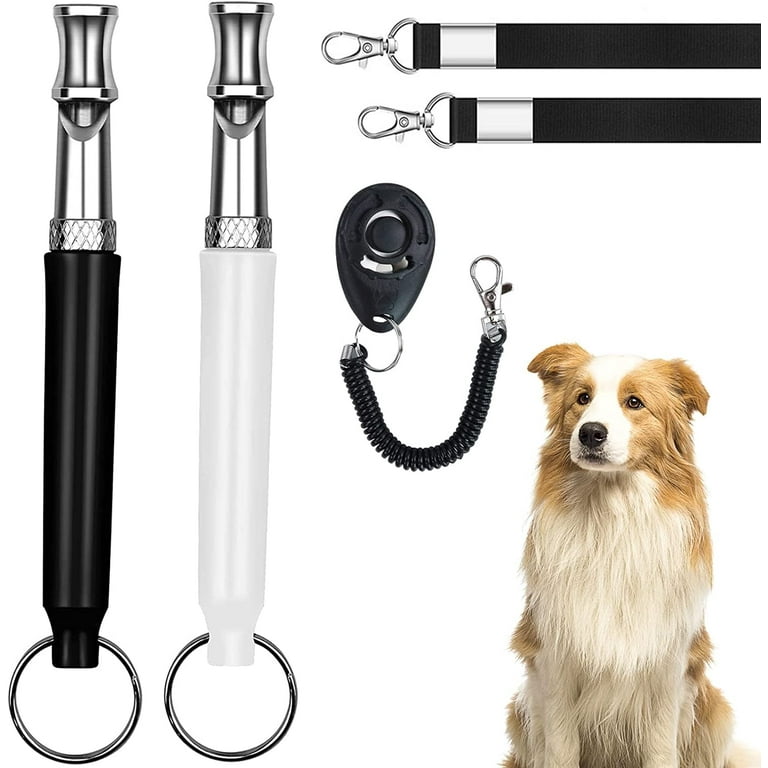
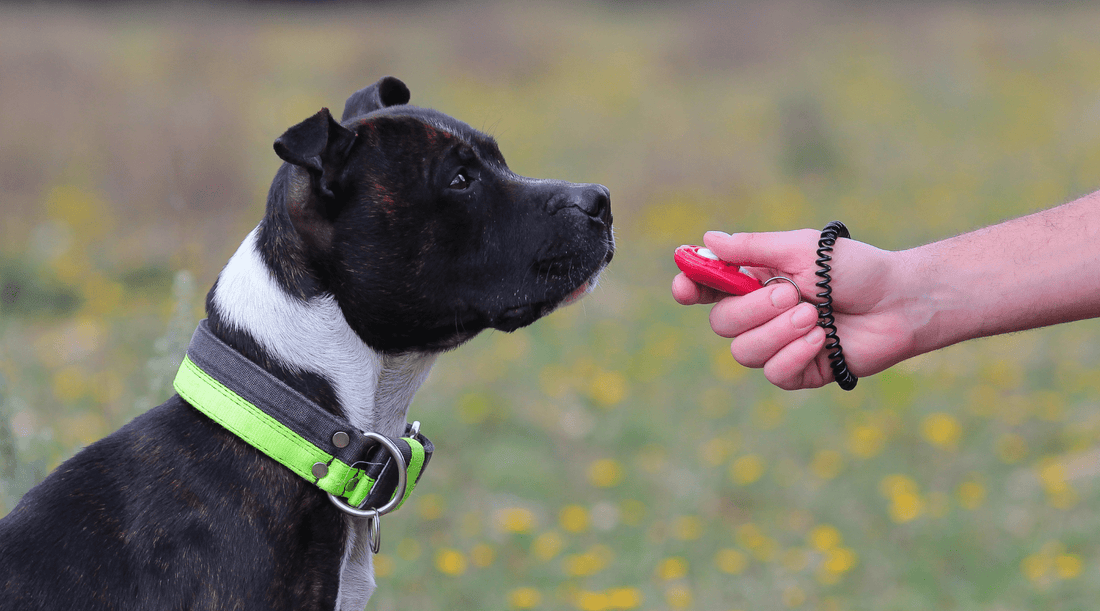
A dog clicker is a small, hand-held device. It makes a distinct clicking sound when pressed. Trainers use this sound to mark desired behaviors in dogs. The clicker is a bridge between an action and a reward. It helps the dog understand which behavior is correct.
History And Origins
The concept of clicker training has roots in marine mammal training. Scientists used clickers in the 1940s with dolphins and whales. They needed a way to communicate from a distance. The technique worked well and soon spread to dog training.
In the 1990s, dog trainers Karen Pryor and Gary Wilkes popularized clicker training. They introduced it to pet owners as a simple yet effective tool. Since then, the dog clicker has become a staple in training kits worldwide.

Credit: www.amazon.com
How Dog Clickers Work
Dog clickers are small devices used in training. They make a clicking sound when pressed. This sound marks good behavior, helping dogs understand commands quickly. Simple and effective, clickers aid in positive reinforcement training.
Dog clickers are handy tools for training. They help communicate with dogs. The sound marks desired behaviors. This makes training efficient and fun.Mechanism Of Clicker Sound
Dog clickers produce a distinct sound. It’s sharp and consistent. This sound is key in training. The click marks the exact behavior you want. Dogs hear the sound and pay attention. The sound is the same every time. This consistency helps dogs learn faster.Association And Conditioning
Clickers use association to teach. When a dog performs a desired action, you click. The sound is followed by a treat. This creates a positive link. The dog associates the click with rewards. Over time, the dog learns the sound means good things. Conditioning builds this understanding. Each click reinforces the behavior.Benefits Of Clicker Training
Clicker training is a popular method used by dog owners and trainers to teach new behaviors and enhance communication with their furry friends. It’s a simple technique that involves using a small device that makes a clicking sound, marking the exact moment your dog performs the desired action. This form of training is not only effective but also strengthens the bond between you and your dog.
Improved Communication
Clicker training acts as a bridge between you and your dog, improving communication significantly. When you click at the precise moment your dog does something right, they understand exactly what action is being rewarded. This clarity can speed up learning and reduce frustration for both you and your pet.
Imagine your dog as a foreign language learner; the clicker becomes their dictionary. You’re not just teaching commands but also fostering a deeper understanding. Have you ever watched your dog respond enthusiastically, recognizing your cues instantly? That’s the power of improved communication through clicker training.
Positive Reinforcement
Using a clicker emphasizes positive reinforcement, which is crucial in teaching and maintaining desirable behaviors. Instead of focusing on what your dog does wrong, you reward what they do right. This encourages your dog to repeat good behavior.
When you reward with treats or affection after a click, your dog associates the sound with positive experiences. This creates a joyful learning environment. Consider how motivating it is to receive praise for a job well done—your dog feels the same excitement and motivation with every click.
Behavior Modification
Clicker training is an effective tool for behavior modification. It’s not just about teaching tricks; it’s about changing how your dog reacts to certain situations. Whether it’s excessive barking or jumping on guests, clicker training can redirect these behaviors.
Have you struggled with persistent issues like leash pulling or anxiety? Using a clicker to mark calm behavior can gradually transform your dog’s response patterns. The ability to modify behavior without punishment makes clicker training an appealing option for many dog owners.
By understanding these benefits, you can make clicker training a powerful part of your pet’s learning journey. How will you use the clicker to enhance your dog’s behavior? The possibilities are endless.
Getting Started With Clicker Training
A dog clicker is a small device used in training. It makes a distinct clicking sound when pressed. This sound helps dogs learn and remember commands quickly.
Getting started with clicker training can be an exciting journey for both you and your dog. This method involves using a small device that makes a clicking sound to reinforce positive behavior. With consistency and patience, clicker training can transform your dog’s learning process into a fun and rewarding experience.Choosing The Right Clicker
When selecting a clicker, consider one that fits comfortably in your hand and produces a clear, distinct sound. Some clickers come with volume control, which can be useful if your dog is sensitive to loud noises. Test a few options to see which one feels right for you and is easily heard by your dog.Basic Commands And Techniques
Start with simple commands like “sit,” “stay,” and “come.” Click and reward immediately when your dog performs the desired action. Keep training sessions short and engaging, around 5-10 minutes, to maintain your dog’s interest.Gradual Progression
Once your dog masters basic commands, slowly introduce more complex behaviors. Break these behaviors into smaller steps, clicking and rewarding each successful attempt. This gradual approach helps your dog learn without becoming overwhelmed. By incorporating these strategies, you’ll build a strong foundation for effective communication with your furry friend. Have you tried clicker training before? What challenges did you face, and how did you overcome them?Common Challenges
Using a dog clicker can bring challenges for new trainers. These challenges can affect the training process and create confusion. Understanding these common hurdles can make training smoother and more effective.
Overcoming Clicker Confusion
Many dog owners struggle with clicker timing. The click sound must match the desired behavior. Missing the right moment can confuse your dog. They may not link the sound to the action. Practice makes it easier. Try clicking without your dog first. This helps improve timing and coordination.
Another issue is the sound itself. Some dogs might not respond to a clicker sound. The sound might be too soft or sharp. Testing different clickers can help. Choose one that suits your dog’s hearing.
Consistency In Training
Consistency is key in clicker training. Inconsistent clicking can lead to mixed signals. Dogs thrive on clear, repeatable cues. Stick to a regular schedule. Train at the same time each day. This builds a routine for your dog.
Varying the reward can confuse your dog. Use consistent rewards for each behavior. This helps your dog understand what to expect. Change rewards slowly if needed. This keeps the training predictable and effective.

Credit: ullery-lisa.medium.com
Advanced Clicker Techniques
Advanced clicker techniques enhance your dog’s learning experience. They refine communication and improve training efficiency. For complex commands, improving timing and precision is crucial. Let’s explore these advanced techniques to elevate your clicker training.
Complex Commands
Teach your dog multiple-step tasks using clicker training. Break down each task into manageable parts. For example, teaching your dog to fetch requires several steps. Start with recognizing the object. Click when your dog approaches the item. Next, click for picking up the object. Finally, click for bringing it back to you. This method helps build complex behaviors step by step.
Use the clicker to mark each successful action. Consistency is key. Repeat the process until your dog understands the entire sequence. This approach fosters learning intricate tasks without confusion.
Improving Timing And Precision
Accurate timing is vital in clicker training. Click immediately when your dog performs the desired action. This helps your dog associate the click with the behavior. Practice improves your timing skills. Use simple exercises to hone this skill. Click when your dog sits or lies down. This reinforces correct timing.
Precision in clicking enhances training outcomes. Focus on the exact moment of behavior. Avoid clicking too early or late. This ensures your dog receives clear feedback. Precision strengthens the bond between the click and the action.
Success Stories
Dog clickers are small devices used to train dogs through sound. Each click marks a desired behavior, helping dogs learn quickly and effectively. This method strengthens the bond between pet and owner.
Success Stories The dog clicker has changed the way owners train their pets. Its effectiveness is proven through many success stories. These stories show real-life examples and testimonials from happy dog owners.Real-life Examples
Many dogs have shown remarkable progress with clicker training. Lucy, a rescued dog, was once timid and shy. Her owner used the clicker to build trust and confidence. Now, Lucy approaches new people with ease. Buddy, a playful puppy, struggled with basic commands. His owner introduced the clicker during training sessions. Buddy quickly mastered sit, stay, and come. The clicker made learning fun and engaging.Testimonials From Dog Owners
Dog owners often praise the clicker for its simplicity. Sarah, a first-time dog owner, found clicker training straightforward. Her dog, Max, responded positively to the clear cues. Sarah feels more connected to Max now. John, an experienced trainer, recommends clickers to all his clients. He shares stories of dogs overcoming behavioral issues. John believes the clicker speeds up the learning process. His clients appreciate the visible results. These success stories highlight the clicker’s impact on dog training. Owners find it easy to use, and dogs respond well. The clicker continues to make a difference in many lives.Tips For Maximizing Clicker Training
A dog clicker is a small device that makes a clicking sound. It’s used in training to mark correct behavior. Clicker training enhances communication between you and your dog.
Dog clicker training enhances communication between you and your furry friend. To make the most of this method, focus on maintaining motivation and integrating play and rewards. These tips ensure your dog stays engaged and learns effectively.Maintaining Motivation
Keep training sessions short. Dogs concentrate better with brief, focused learning periods. Always end sessions on a positive note. Success boosts enthusiasm for the next session. Vary the training environment to maintain your dog’s interest. Different locations offer new experiences and challenges. Use high-value treats sparingly. They make learning exciting and rewarding. Praise your dog often. Encouragement reinforces positive behavior and boosts confidence.Integrating Play And Rewards
Combine play with training. Games make learning fun for your dog. Use toys as rewards. They motivate your dog and add excitement to training. Incorporate interactive games. They build a bond and improve focus. Alternate rewards. Mix treats, toys, and praise to keep your dog engaged. Encourage social play. Interaction with other dogs enhances learning and social skills.
Credit: pupford.com
Frequently Asked Questions
What Is A Dog Clicker Used For?
A dog clicker is a training tool used to reinforce positive behavior. When a dog performs a desired action, the clicker is pressed, making a distinctive sound. This sound signals to the dog that it will receive a reward, such as a treat, encouraging repeat behavior.
How Does A Dog Clicker Work?
A dog clicker works by creating an audible sound that marks a correct behavior. This sound is associated with a reward, like a treat or praise. Over time, dogs learn to associate the click with positive reinforcement, making it an effective training tool.
Are Dog Clickers Effective For Training?
Yes, dog clickers are highly effective for training when used consistently. They provide a clear and consistent way to communicate desired behaviors to dogs. Clickers help accelerate learning by offering immediate feedback, strengthening the bond between the dog and trainer.
Can Clicker Training Work For All Dogs?
Clicker training can work for most dogs, regardless of age or breed. However, some dogs may require more patience and consistency. The key is to ensure that the clicker is always followed by a reward, reinforcing the behavior you want to encourage.
Conclusion
Dog clickers make training simple and fun. They offer a clear signal. Dogs learn quickly with consistent use. Clickers help build a strong bond. Training becomes less stressful for both. Positive reinforcement works wonders. Owners feel satisfied seeing progress. Patience and practice are key.
Clickers are affordable and easy to find. Many trainers recommend them. Start using a clicker today. Watch your dog’s behavior improve. Enjoy a happier, well-trained pet. Training can be a joyful experience. Consider a clicker for your dog’s training needs.

Similar Posts