Will a Muzzle Stop a Dog from Barking: Effective Solutions
Are you at your wit’s end with your dog’s constant barking? You’re not alone.
Many dog owners face this challenge, and the noise can be overwhelming. You might be wondering if a muzzle is the solution you’ve been searching for. Will it finally bring peace to your home? Before you make a decision, it’s crucial to understand how muzzles work and whether they’re the right choice for your furry friend.
This article will guide you through the pros and cons, ensuring you make an informed choice that’s best for both you and your dog. Stay with us as we explore the reality behind using a muzzle to curb barking, and discover insights that might just surprise you.
Credit: namibian.com.na
Muzzles And Barking Control
Finding ways to manage your dog’s barking can be a challenge, especially if you’re dealing with a particularly vocal pup. While muzzles are often associated with preventing biting, they can also play a role in controlling barking. But how effective are they really? Let’s explore the different types of muzzles and their functionalities to see if they might be the solution you’re seeking for your barking woes.
Types Of Muzzles
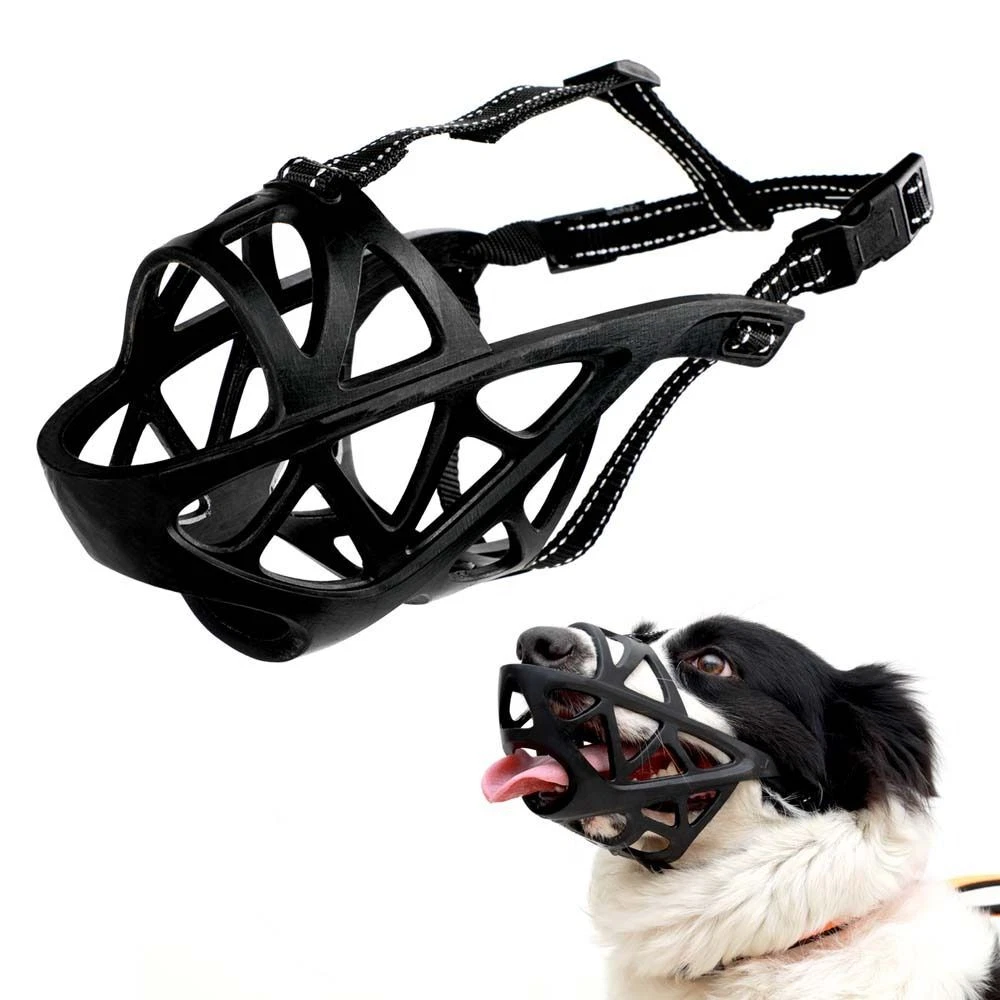
Muzzles come in various forms, each designed with specific uses in mind. The basket muzzle, for instance, allows dogs to pant and drink water while still preventing them from barking excessively. It’s a practical option for longer wear.
On the other hand, the soft muzzle offers a snug fit but may restrict drinking and panting, making it suitable for short-term use. For a more tailored approach, mesh muzzles blend comfort and control, allowing airflow while limiting noise.
Have you ever tried using a muzzle? What type worked best for your dog’s barking habits?
Purpose And Functionality
Muzzles aren’t just about silencing your furry friend. They serve a broader purpose. Basket muzzles, for instance, provide a balanced approach by allowing essential behaviors like panting while curbing excessive barking.
Soft muzzles, though restrictive, can be effective for quick outings or vet visits where barking might be a concern. However, consider the dog’s comfort and safety, as prolonged use can lead to distress.
Mesh muzzles offer a compromise between control and comfort, ensuring your dog can breathe easily while minimizing noise. Remember, a muzzle should not be a permanent solution but a tool for specific scenarios.
Could using a muzzle be the missing piece in your strategy to control barking?
Reasons Dogs Bark
Using a muzzle can prevent barking but may not address the underlying causes. Dogs bark due to excitement, fear, or attention-seeking. Identifying these triggers can help manage barking more effectively.
Dogs bark for various reasons, and understanding these can help address excessive barking. Barking is a natural form of communication for dogs. They use it to express emotions, convey needs, or react to their environment. This section explores common reasons why dogs bark.Communication And Expression
Dogs often bark to communicate with humans and other animals. They might bark to greet someone or alert their owner to something unusual. Barking can express joy, excitement, or even frustration. It’s their way of saying, “Hey, pay attention!” Understanding the context can help decipher what your dog is trying to say.Fear And Anxiety
Barking can be a response to fear or anxiety. A loud noise, unfamiliar people, or new places might trigger this reaction. Dogs may bark to ward off perceived threats or seek comfort. Recognizing signs of fear can aid in calming your dog and reducing anxiety-induced barking.Territorial Behavior
Territorial instincts often drive dogs to bark. They might bark to defend their home or yard from intruders. This behavior stems from their natural instinct to protect their territory. Observing when your dog barks can reveal if it’s linked to territoriality. Understanding these patterns can help manage barking related to territorial behavior.Effectiveness Of Muzzles
When your dog’s barking becomes a problem, you might consider using a muzzle to curb the noise. But how effective is this tool? The success of a muzzle in stopping barking can vary greatly depending on how it’s used and the individual dog. Some pet owners swear by it, while others find it’s just a temporary fix. Let’s explore the effectiveness of muzzles in more detail.
Temporary Solution
Muzzles can act as a temporary solution to prevent barking. They physically restrict the dog’s ability to open its mouth fully. However, they should not be used for long periods. Imagine wearing a tight band around your mouth all day—you’d be frustrated, too! Muzzles are best used sparingly, perhaps during short trips or visits where barking can be disruptive.
Consider using them in combination with other training methods. Positive reinforcement and consistent commands can eventually reduce the need for a muzzle. Have you tried rewarding your dog for quiet behavior? Combining these techniques can lead to more lasting results.
Impact On Behavior
The impact of muzzles on a dog’s behavior can be significant but not always positive. While they can stop barking, they may also cause stress or anxiety. Think about how your dog reacts when wearing a muzzle. If they seem stressed, it’s essential to address this first. A calm dog is less likely to bark excessively.
Long-term behavioral change requires understanding the reason behind the barking. Is your dog bored? Lonely? Identifying the cause can lead to more effective solutions than a muzzle alone. Have you considered interactive toys or more frequent walks to alleviate boredom?
Ultimately, muzzles are just one tool in a larger toolbox of behavior management strategies. Would you rely solely on one tool when fixing a complex problem? Exploring various options can lead to a happier, quieter pet.

Credit: collardirect.com
Alternative Barking Solutions
Exploring alternative solutions, muzzles can help reduce excessive barking in dogs. They provide a temporary way to manage noise. However, it’s essential to train and supervise to ensure comfort and safety.
Dogs bark for many reasons. It’s their way of communicating. While muzzles can limit barking, they are not a long-term solution. They might cause discomfort or stress. Owners should consider other ways to manage barking. Alternative solutions focus on training and understanding behavior.Training Techniques
Training can help reduce barking. Use positive reinforcement. Reward your dog for being quiet. Consistency is key. Always use the same command. “Quiet” or “enough” are good choices. Practice in different settings. This helps your dog learn to be quiet anywhere. Enroll in a training class. Professional trainers offer valuable tips.Behavioral Therapy
Behavioral therapy addresses the root cause of barking. First, identify triggers. Is it strangers, other dogs, or boredom? Understanding triggers helps tailor the solution. For anxiety, desensitization can work. Gradually expose your dog to the trigger. Praise calm behavior. For boredom, increase playtime. Mental stimulation can reduce barking. Puzzle toys or obedience games can help. If needed, consult a behaviorist. They offer expert guidance.Pros And Cons Of Using Muzzles
Deciding whether to use a muzzle to curb your dog’s barking can be challenging. Muzzles are often seen as a quick fix, but like any tool, they come with their own set of advantages and disadvantages. Understanding both sides will help you make an informed decision that is best for your furry friend.
Benefits Of Muzzle Use
Muzzles can be a practical solution for immediate control over excessive barking. They offer a physical barrier that prevents your dog from vocalizing, which can be particularly useful during specific situations like a visit to the vet or a crowded park.
If you’ve ever found yourself in a public space with a barking dog, the stress is real. A muzzle can provide peace of mind in these scenarios, allowing you to focus on enjoying the moment rather than worrying about disrupting others.
Muzzles can also play a role in training. When used correctly, they can signal to your dog that barking is unacceptable in certain settings. This can be a stepping stone to achieving long-term behavioral changes.
Potential Drawbacks
While muzzles can be effective, they aren’t a one-size-fits-all solution. Using them improperly or excessively can lead to discomfort and stress for your dog, potentially exacerbating behavioral issues.
Imagine wearing a restrictive mask for hours on end; it’s not pleasant. Dogs experience similar discomfort, which can lead to anxiety or fear if they’re forced to wear muzzles frequently or for long periods.
Additionally, muzzles don’t address the underlying cause of barking. Is your dog anxious, bored, or trying to communicate? Ignoring the root issue may lead to other unwanted behaviors, like chewing or scratching.
Ultimately, the question is: are muzzles a temporary fix or part of a broader strategy to improve your dog’s behavior? Understanding the pros and cons will guide you in choosing the best approach. Remember, your dog’s comfort and well-being should always be the top priority.
Choosing The Right Muzzle
Selecting the right muzzle can help manage barking by limiting mouth movement. It doesn’t completely stop barking. Comfort and safety are key when choosing a muzzle for temporary control.
Choosing the right muzzle for your dog is crucial. It ensures safety and comfort. A well-chosen muzzle can help manage barking. It won’t solve the problem alone. Understanding the factors involved in selecting a muzzle is vital.Material And Design Considerations
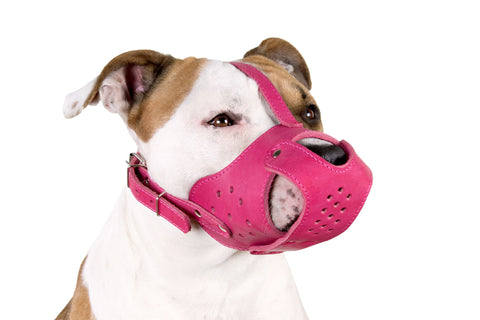
The material of the muzzle affects comfort and durability. Leather muzzles are soft and sturdy. Nylon muzzles are lightweight and breathable. Plastic options offer a balance between comfort and control. A basket design allows dogs to pant and drink. Soft muzzles fit snugly, limiting movement. Choose based on your dog’s needs and activity levels.Fitting And Comfort
A muzzle must fit well to be effective. Measure your dog’s snout accurately. Ensure the muzzle is not too tight or loose. Look for adjustable straps for a custom fit. Padding can prevent chafing and discomfort. Test the muzzle for a short period initially. Watch your dog’s reaction closely. A comfortable muzzle helps reduce stress.Safety And Ethical Concerns
Muzzles can prevent barking but raise safety and ethical concerns. They may cause distress if not used properly. Proper fit and supervision are crucial to ensure a humane approach.
When considering using a muzzle to stop your dog from barking, it’s crucial to ponder the safety and ethical concerns. While muzzles might seem like a quick fix, they can pose risks if not used correctly. It’s important to ensure that your dog’s well-being is the top priority, keeping humane practices in mind.Ensuring Humane Use
A muzzle should never be a long-term solution for barking. It’s essential to ensure your dog is comfortable and stress-free while wearing it. Choose a muzzle that allows your dog to pant and drink water, as these are vital for your pet’s health. Always supervise your dog when the muzzle is on to prevent any harm. Are you aware that improper use can lead to increased anxiety in dogs? This is why training and understanding your dog’s needs are key.Long-term Effects
Relying on a muzzle without addressing the root cause of barking can have negative consequences. Over time, your dog may develop behavioral issues due to frustration and lack of communication. Have you considered seeking professional help to address the underlying issues? A qualified trainer or behaviorist can provide guidance and alternative solutions. Remember, a muzzle should complement training, not replace it. By understanding and addressing your dog’s needs, you can foster a healthier, happier environment for both of you.
Credit: www.ebay.com.au
Frequently Asked Questions
Can A Muzzle Completely Stop Barking?
A muzzle can reduce barking but not completely stop it. It restricts mouth movement, limiting vocalization. However, it doesn’t address the underlying cause of barking. Training is essential for long-term solutions. Ensure the muzzle fits properly and is comfortable for the dog.
Always use it responsibly and under supervision.
Is Using A Muzzle For Barking Safe?
Using a muzzle is generally safe if done correctly. Choose a well-fitting muzzle and ensure it’s comfortable. Never leave a muzzled dog unattended for long periods. Muzzles should not replace training or address behavioral issues. Consult a professional if unsure about using a muzzle for your dog’s barking.
What Types Of Muzzles Help With Barking?
Basket muzzles and soft muzzles are common types used for barking. Basket muzzles allow dogs to pant, drink, and receive treats. Soft muzzles restrict movement more but are less comfortable. Choose a muzzle that suits your dog’s needs and comfort.
Always prioritize your dog’s safety and wellbeing.
How Long Can A Dog Wear A Muzzle?
A dog should wear a muzzle for short periods only. Prolonged use can cause stress and discomfort. Limit use to 30 minutes to an hour, depending on the situation. Always monitor your dog for signs of distress. Ensure breaks between uses to prevent anxiety or harm.
Conclusion
A muzzle can help with excessive barking. It’s a tool, not a solution. Training is essential for long-term quiet. Dogs bark for many reasons: stress, excitement, boredom. Understand the cause to address barking effectively. A muzzle is a temporary aid, not a cure.
Focus on positive training techniques. Encourage good behavior with rewards. Consistent training builds trust and calmness. Patience is key in reducing bark frequency. Each dog is unique; tailor your approach. Find what works best for your furry friend. A quiet dog is a happy dog.