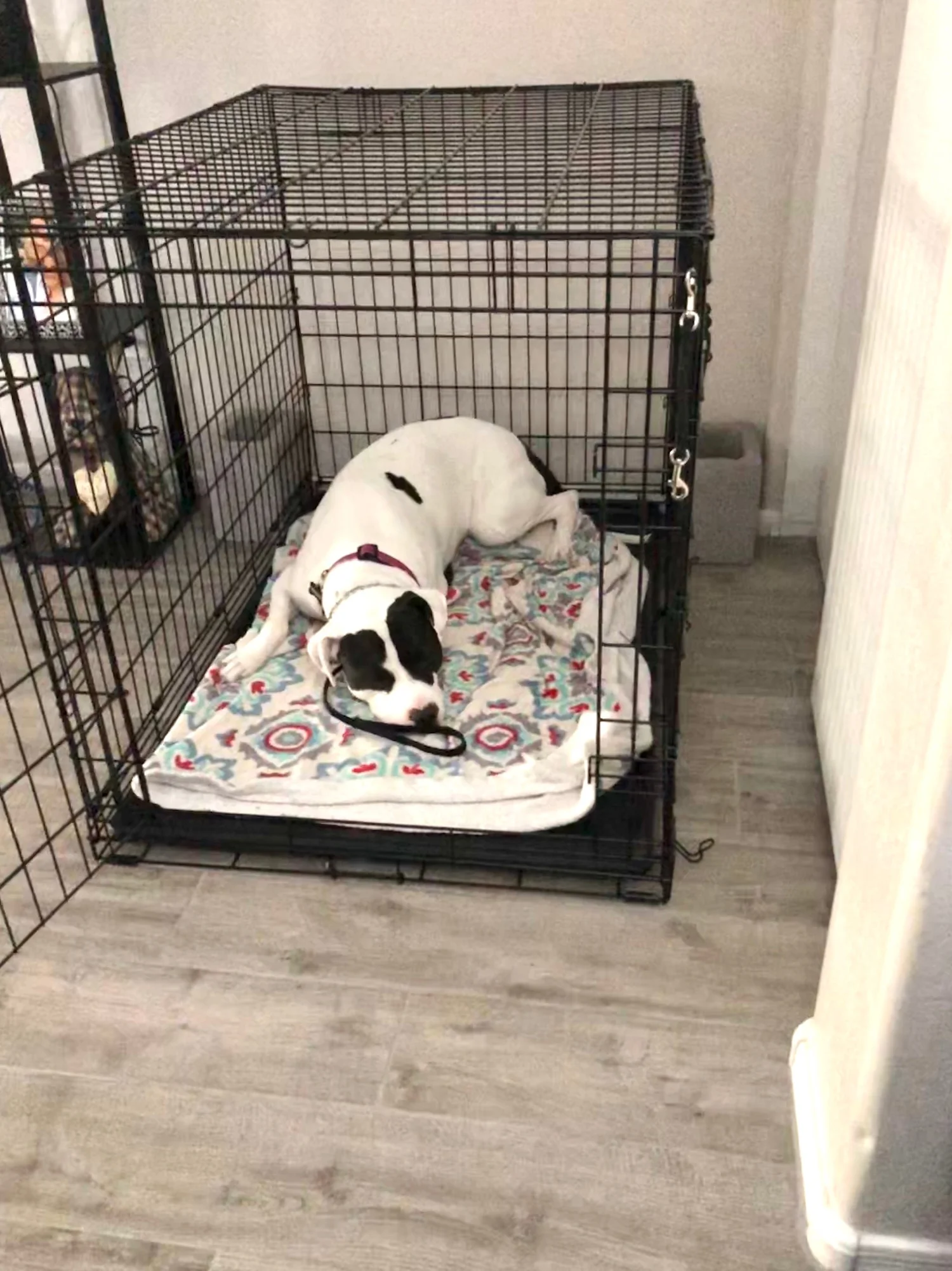
How to Deal With Reactive Dogs: Expert Tips
Senior Canine Nutritionist & Dog Behavior Specialist at Cozy Dog Go Wellness Lab

Do you find yourself avoiding walks because your dog reacts to every little thing? You’re not alone.
Many dog owners face the challenge of managing a reactive dog. Whether it’s barking, lunging, or growling, these behaviors can make outings stressful for both you and your furry friend. But what if there was a way to turn those tense moments into opportunities for growth and bonding?
Imagine the joy of strolling through the park, your dog calm and happy beside you. You’ll discover effective strategies to transform your reactive dog into a more relaxed companion. Let’s dive in and uncover the secrets to a peaceful walk with your dog!
Credit: www.facebook.com
Recognizing Reactivity In Dogs
Reactive dogs require patience and understanding. Recognizing triggers is crucial for managing their behavior effectively. Consistent training helps create a calm environment, reducing stress and promoting positive interactions.
Recognizing reactivity in dogs is essential for ensuring their well-being and maintaining a harmonious environment. Dogs, like humans, can have emotional responses that manifest through their behavior. Identifying these behaviors early can help you manage and address the underlying issues effectively. How do you know if your dog is reactive? Let’s explore some common signs and causes.Common Signs Of Reactivity
Dogs may exhibit reactivity through various behaviors, often as a response to certain triggers. You might notice excessive barking when encountering strangers or other dogs. Lunging at people or objects is another sign that your dog might be reacting to perceived threats. Does your dog display signs of fear or aggression in specific situations? Observing these behaviors helps you understand what might be causing stress for your dog.Causes Of Dog Reactivity
Understanding the root causes of dog reactivity is crucial for addressing it effectively. Often, reactivity can stem from a lack of socialization or traumatic past experiences. A dog who was not exposed to diverse environments or people during its formative years might react defensively. Genetics also play a role; some breeds are predisposed to being more sensitive. Consider how your dog’s past experiences and natural temperament might influence their reactions. What changes can you make to help them feel more secure and relaxed?Credit: www.facebook.com
Frequently Asked Questions
What Causes Dogs To Be Reactive?
Reactive dogs often react due to fear, anxiety, or past trauma. They may feel threatened by unfamiliar environments, people, or other animals. Understanding these triggers is crucial for managing their behavior effectively.
How Can I Calm A Reactive Dog?
Calming a reactive dog requires patience and consistency. Use positive reinforcement and reward calm behavior. Gradually expose them to triggers in a controlled manner. Consulting a professional dog trainer can also be beneficial.
Are Certain Breeds More Reactive?
Yes, some breeds are naturally more reactive due to their temperament. Terriers and herding breeds are often more prone to reactivity. However, individual personality and experiences also play significant roles.
Can Training Help Reduce Dog Reactivity?
Absolutely, training can significantly reduce reactivity in dogs. Consistent obedience training and socialization can help. Professional trainers can provide tailored techniques to address specific reactivity issues.
Conclusion
Helping a reactive dog takes patience and consistency. Small steps lead to progress. Always stay calm and positive. Use rewards to encourage good behavior. Understand your dog’s triggers. This helps in avoiding stressful situations. Consistent training builds trust and confidence.
Reach out to professionals if needed. They offer valuable advice and support. Remember, every dog is different. What works for one may not work for another. Stay committed and celebrate small victories. Your efforts make a difference. Your bond will grow stronger.
Together, you and your dog can succeed. Keep learning and adapting. Happy training!

Similar Posts