You want the best for your furry friend, ensuring they are comfortable, happy, and healthy. But there’s one question that might have you scratching your head: “Should you leave water in your dog’s crate?”
You’re not alone in this dilemma. Many dog owners wrestle with the idea, concerned about their pup’s hydration needs while also considering crate cleanliness and overnight potty issues. Your instincts tell you to provide water, but you wonder if it’s truly necessary or even beneficial.
This article will unravel the mystery, offering insights that cater to your dog’s unique needs. Get ready to dive into expert advice that will clarify this common concern and help you make the best decision for your canine companion. Keep reading to discover the secret to a happy, well-hydrated dog.

Credit: shophiddin.com
Crate Training Basics
Crate training is a vital part of pet care. It involves teaching your dog to see the crate as a safe place. This method is especially useful for puppies. It helps with house training and keeps your dog safe.
Purpose Of Crate Training
Crate training serves multiple purposes. It helps your dog feel secure. Dogs are den animals; they seek small, cozy spaces. A crate mimics this environment, offering comfort. It aids in toilet training by controlling access to the rest of the house. The crate also keeps your pet safe when unsupervised.
Benefits For Dogs
Dogs gain many benefits from crate training. It reduces anxiety by providing a predictable environment. Traveling becomes easier with a familiar space. Dogs learn to control their bladder, aiding house training efforts. Crate training also prevents destructive behavior. It offers a safe area when you can’t supervise your pet.
Hydration Needs Of Dogs
Keeping your dog hydrated is crucial for its health and well-being. Water is essential for digestion, circulation, and temperature regulation. Dogs need constant access to fresh water, especially when confined to a crate. Understanding your dog’s hydration needs can help prevent health issues.
Importance Of Water
Water is vital for every living creature, and dogs are no exception. It maintains bodily functions and supports organ health. Regular access to water ensures your dog stays energetic and active. A hydrated dog is less prone to urinary infections and kidney issues.
Signs Of Dehydration
Dehydration can lead to serious health problems. Look for signs like dry gums or a sticky mouth. Lethargy and sunken eyes are also indicators. If your dog shows these symptoms, offer water immediately and consult a vet if needed.
Pros Of Leaving Water In The Crate
Providing water in your dog’s crate ensures hydration and comfort, especially during long periods. It can help maintain healthy body functions and prevent dehydration.
Leaving water in your dog’s crate might seem like a straightforward decision, but it carries significant benefits that ensure your furry friend’s comfort and well-being. Whether you’re at work or out running errands, knowing your pet has access to water can make a big difference. Let’s explore some of the key advantages of keeping water accessible in your dog’s crate.Accessibility For Your Dog
Your dog, like you, needs regular access to water to stay hydrated, especially during warmer months. A bowl of water in the crate ensures they can quench their thirst whenever needed. Imagine a hot day when your dog is panting more than usual; having water within reach can prevent dehydration. This is particularly beneficial if your dog spends an extended period in the crate. Additionally, if your dog is on medication that increases thirst, easy access to water can be crucial.Peace Of Mind
Leaving water in the crate provides you with peace of mind. You won’t have to worry about rushing home to provide your dog with a drink. Knowing your dog isn’t going to be thirsty adds a layer of comfort to your day. It allows you to focus on your activities, assured that your dog is well taken care of. Have you ever felt the guilt of leaving your pet for too long? This small step can help alleviate that. The assurance that your dog is comfortable can make all the difference in your daily routine.Cons Of Leaving Water In The Crate
Water in a dog’s crate can lead to spills, creating a damp and uncomfortable space. It might encourage frequent urination, resulting in accidents and stress for your pet.
Leaving water in your dog’s crate might seem like a good idea, especially if you’re worried about your pet staying hydrated. However, there are several downsides that you might not have considered. Let’s dive into the potential cons of keeping water in your dog’s crate to help you make an informed decision.Mess And Cleanup
Leaving water in the crate can quickly turn into a messy situation. Dogs, especially puppies, tend to knock over water bowls. This can lead to a wet, uncomfortable environment, increasing your cleaning workload. A soggy crate is not just inconvenient; it can also lead to hygiene issues. Damp bedding can become a breeding ground for bacteria. This could pose health risks to your pet, necessitating frequent washings and additional care.Potential Overhydration
While hydration is crucial, too much water can be problematic. Dogs don’t always regulate their intake well when water is constantly available. This can lead to overhydration, which might cause frequent urination and accidents in the crate. Overhydration can also result in health issues like water intoxication. It’s rare, but keeping an eye on your dog’s water consumption is vital. Are you inadvertently causing more harm than good by leaving water in the crate? By understanding these potential cons, you can better assess what’s right for your dog. Each pup is unique, and sometimes a little trial and error is needed to find the perfect balance.Situations To Consider
Consider your dog’s comfort, duration of crate time, and weather conditions. Puppies may need water for hydration, while adult dogs can manage without for short periods. Always assess individual needs and health concerns.
When deciding whether to leave water in your dog’s crate, it’s important to consider several situations that could affect your choice. Not every scenario requires the same approach. Your dog’s comfort and well-being should be the priority, so understanding various factors can help you make an informed decision.Length Of Time In Crate
If your dog will be in the crate for a short period, such as an hour or two, you might skip leaving water. Dogs usually can manage short durations without access to water, especially if they’ve had a chance to hydrate beforehand. However, for longer periods, like a full workday, it’s crucial to ensure they stay hydrated. A small water bowl or a crate-attached water dispenser can be a lifesaver. Consider how often you might be able to check in on them. If you can pop by during lunch, you might refresh their water then.Dog’s Age And Health
Puppies and senior dogs often need more frequent hydration due to their delicate health and developmental needs. Puppies can dehydrate quickly, and older dogs might have medical conditions that require consistent access to water. Think about your dog’s health conditions. If your dog has kidney issues or is on medication, they might need more water than usual. Your dog’s health can change over time, so reassess their needs regularly. What works today might not be suitable in a few months.Alternative Solutions
Leaving water in your dog’s crate might seem convenient, but it’s not always the best choice. Dogs can knock over bowls, leading to wet bedding and discomfort. Thankfully, there are alternative solutions to ensure your pet stays hydrated without the mess. Let’s explore some practical options that can make a significant difference.
Scheduled Water Breaks
One effective strategy is to establish scheduled water breaks throughout the day. This not only keeps your dog hydrated but also helps maintain a routine. You can set specific times for water access, such as during walks or playtime.
Consider integrating water breaks with potty routines. For example, offering water right after your dog has relieved itself can encourage drinking without the risk of crate accidents. Regular breaks can also help you monitor your dog’s water intake, ensuring they’re drinking enough without overdoing it.
Water Bottles For Crates
Water bottles designed for crates are another excellent solution. These bottles attach to the crate and allow your dog to drink without spilling. They are similar to the ones used for small animals like rabbits and guinea pigs.
Choose a bottle that’s easy for your dog to use and ensures a steady flow of water. Some bottles come with adjustable flow features, allowing you to control how much water is dispensed. This can be particularly useful if your dog tends to gulp water rapidly.
Additionally, check if the bottle is easily detachable for cleaning. Regular maintenance will help keep it sanitary and appealing for your dog.
Which method suits your lifestyle and your dog’s needs best? The answer might surprise you, especially when you see how easy it is to integrate these solutions into your daily routine. Remember, the goal is to keep your furry friend comfortable and hydrated without compromising the cleanliness of their space.
Tips For A Comfortable Crate Environment
Creating a cozy and inviting crate environment is essential for your dog’s comfort. A well-prepared crate can help your dog feel secure and relaxed. Here, we share some key tips to enhance your dog’s crate experience.
Choosing The Right Crate
Select a crate that fits your dog’s size comfortably. Your dog should be able to stand, turn around, and lie down easily. Measure your dog from the nose to the base of the tail for length. Measure from the floor to the top of the head for height. Choose a crate with sturdy materials to ensure durability. Consider crates with good ventilation to keep the air fresh.
Adding Comfort Items
Place a soft bed or cushion inside the crate for added comfort. Use washable materials to maintain hygiene. Add a favorite blanket or item that smells like home. This can soothe your dog with familiar scents. Offer chew toys to keep your dog entertained and relaxed. Ensure the toys are safe and suitable for your dog’s size and chewing habits.

Credit: shophiddin.com
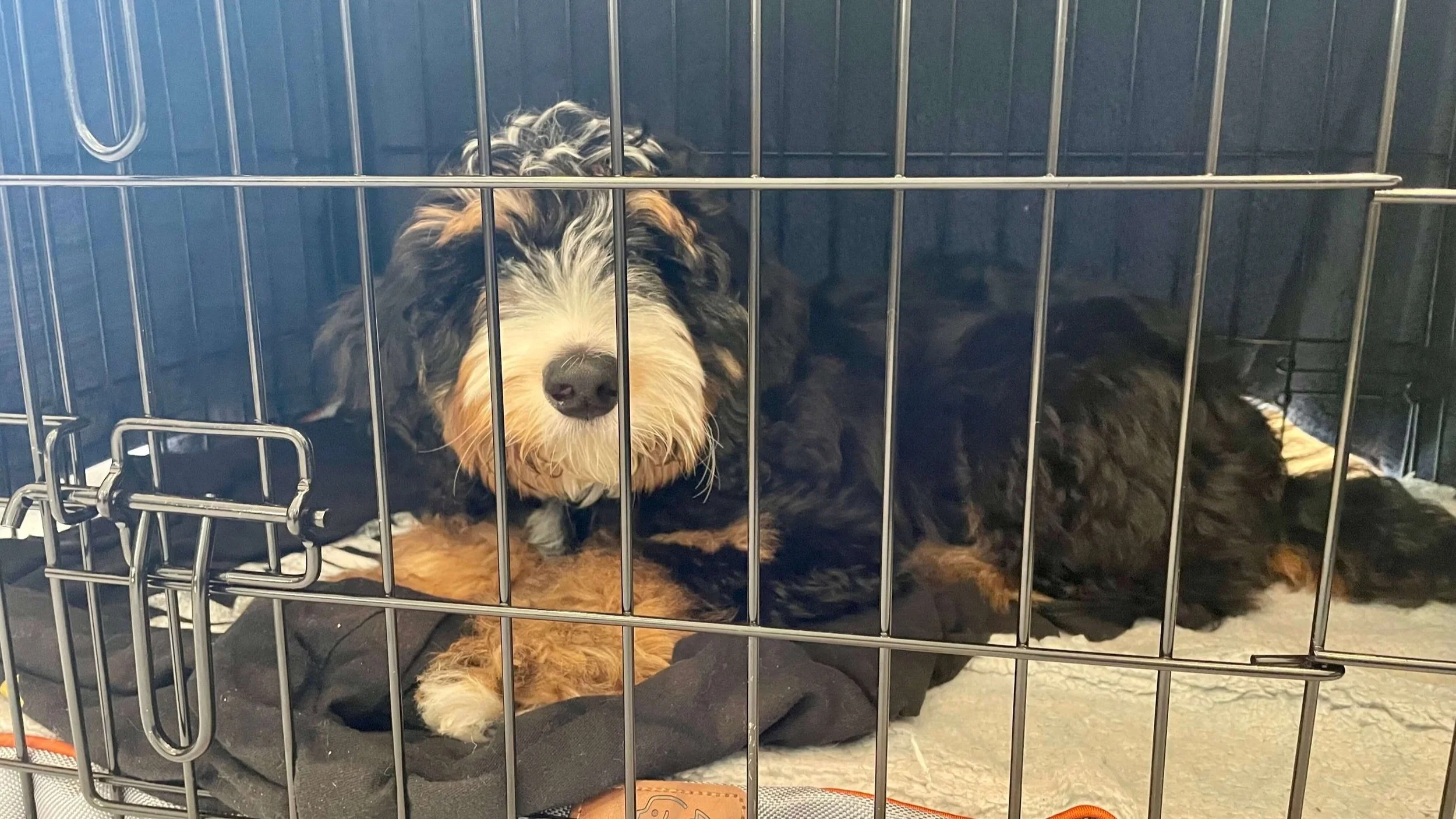
Credit: www.dogsavvylosangeles.com
Frequently Asked Questions
Should I Leave Water In My Dog’s Crate?
Leaving water in your dog’s crate can depend on various factors like age, health, and duration. Puppies and ill dogs may need water accessible. For short durations, it’s generally okay to leave them without water. Always ensure your dog is hydrated before and after crate time.
Is It Safe To Leave Water Overnight?
Leaving water overnight can be safe, especially if your dog is healthy. Ensure the water bowl is spill-proof to avoid messes. Monitor your dog’s drinking habits and consult a vet if you’re unsure. Providing water overnight can prevent dehydration, especially in warmer climates.
How Does Water Affect Crate Training?
Water can affect crate training by encouraging bathroom needs. Limiting water before bedtime helps reduce night-time accidents. However, ensure your dog drinks enough throughout the day. It’s important to balance hydration with training. Consistent schedules help dogs adapt to crate routines efficiently.
Can Water In A Crate Cause Accidents?
Yes, water in a crate can lead to accidents, especially for puppies. Limiting water intake before crate time helps. Always ensure your dog is properly hydrated before crating. Monitor their behavior and adjust water access based on their needs and age.
Proper training helps reduce accidents over time.
Conclusion
Deciding on water in your dog’s crate depends on various factors. Consider your dog’s age, health, and crate time. Puppies and older dogs may need more frequent water access. Short crate times might not require water. Always ensure your dog stays hydrated throughout the day.
Monitor your pet’s comfort and adjust as needed. Each dog is unique, so observe their needs closely. Trust your instincts and consult your vet for guidance. Prioritize your dog’s well-being and comfort at all times. Keeping them healthy and happy is the key.