How to Identify Dog Breeds: Expert Tips Revealed
Senior Canine Nutritionist & Dog Behavior Specialist at Cozy Dog Go Wellness Lab

Have you ever looked at a dog and wondered, “What breed is that?” Whether you’re an avid dog lover or just curious, knowing how to identify different dog breeds can be both fascinating and useful.
Imagine being the go-to person among your friends who can spot a Labrador from a Golden Retriever in an instant. Not only does this skill make you look knowledgeable, but it also helps in understanding the unique traits and care needs of each breed.
You’ll discover simple ways to identify dog breeds with ease. We’ll explore visual clues, behavioral traits, and even delve into the world of dog DNA testing. By the end, you’ll have the tools to recognize the most common breeds and maybe even some rare ones. Ready to impress your friends and deepen your bond with these furry companions? Let’s get started!

Credit: apps.apple.com
Physical Characteristics
Ear shape, coat texture, and tail length help distinguish dog breeds. Size and color patterns offer further clues.
Identifying a dog breed can be exciting. Physical characteristics provide valuable clues. Each breed has unique traits. These traits help differentiate between breeds. Let’s explore some key features.
Coat Type And Color
The dog’s coat is a significant identifier. Breeds have different coat types. Some have short, smooth coats. Others possess long, flowing fur. Coat texture varies too. It can be curly, wiry, or silky. Colors range widely. Dogs can be black, white, brown, or spotted. Some breeds have distinct patterns. For example, Dalmatians have black spots. Huskies often have a mix of colors. Observing the coat gives insight into the breed.
Body Size And Shape
Body size is another distinguishing feature. Breeds range from tiny to giant. Chihuahuas are small and delicate. Great Danes are tall and robust. The shape of the body differs too. Some breeds are slender and agile. Greyhounds are an example. Others are stocky and muscular. Bulldogs fit this description. The length of legs can vary. Dachshunds have short legs. Their bodies are long. Size and shape provide important breed clues.
Facial Features
Facial features are unique to each breed. Some dogs have long, narrow snouts. Collies are known for this trait. Others have short, flat faces. Pugs are a prime example. Ear shapes vary widely. Some dogs have floppy ears. Others have erect ears. Eye shape and color differ too. Some breeds have almond-shaped eyes. Others have round eyes. Facial wrinkles can also indicate a breed. Bulldogs often have distinct wrinkles. Observing facial features is crucial in breed identification.
Behavioral Traits
Understanding behavioral traits can help identify dog breeds. Each breed displays unique behaviors, like herding or guarding. Observing these actions offers valuable clues about a dog’s breed.
Understanding the behavioral traits of a dog is key to identifying its breed. Each breed has distinct characteristics that affect its energy levels, temperament, and socialization patterns. Observing these traits can provide valuable clues about a dog’s lineage and help you connect more deeply with your canine companion. By understanding these behaviors, you not only enhance your bond with your pet but also ensure their needs are met.
Energy Levels
Different breeds have varying energy levels. High-energy breeds like Border Collies require plenty of physical activity and mental stimulation. They thrive on tasks that keep them busy, whether it’s fetching a ball or herding sheep. On the other hand, breeds such as Bulldogs are content with shorter walks and longer naps. Knowing your dog’s energy level helps you provide appropriate exercise and prevent behavioral issues.
Temperament
A dog’s temperament can reveal a lot about its breed. Some breeds, like Golden Retrievers, are known for their friendly and gentle nature. They often make great family pets due to their patient demeanor. In contrast, a breed such as the Chihuahua might exhibit a more feisty and protective personality. Understanding these temperamental traits helps you manage your expectations and interactions with the dog.
Socialization Patterns
Socialization patterns vary widely among breeds. Breeds like Labrador Retrievers often enjoy the company of other dogs and humans. They are typically sociable and adapt well to new environments. Conversely, some breeds may be more reserved or selective about their social interactions. For example, the Akita is known for its loyalty but can be aloof with strangers. Recognizing these patterns assists you in planning social activities that suit your dog’s preferences. By observing these behavioral traits, you can gain insights into your dog’s breed and ensure you cater to their unique needs. Have you noticed any specific traits in your dog that align with their breed?
Genetic Testing
Understanding a dog’s breed can be challenging, especially with mixed breeds. Genetic testing offers a scientific approach to identify the breed. It involves analyzing the dog’s DNA to reveal its ancestry. This method provides precise results, making it popular among dog owners. Explore the potential of genetic testing to uncover your dog’s breed.
Dna Analysis
DNA analysis is the backbone of genetic testing. It examines genetic markers in a dog’s DNA. These markers help identify specific breeds. Labs compare the markers to a database of known breeds. The process is straightforward and yields accurate results. It’s a reliable way to discover your dog’s heritage.
Breed Identification Kits
Breed identification kits are accessible and user-friendly. They typically include a swab for collecting saliva. You send the sample to a lab for analysis. The lab provides a detailed report of your dog’s breed. Kits are available for purchase online or at pet stores. They offer an easy and effective way to learn about your dog’s lineage.
Breed Standards
Understanding breed standards is key to identifying dog breeds. Breed standards describe the ideal characteristics, temperament, and appearance of a breed. These guidelines help differentiate one breed from another. They also ensure each breed maintains its unique traits over generations. Various organizations set these standards worldwide.
Akc Guidelines
The American Kennel Club (AKC) defines standards for each registered breed. The AKC guidelines cover physical traits, such as size, coat, and color. They also include behavioral traits like temperament. The AKC’s standards are widely recognized in the United States. They serve as a reference for breeders and judges. To ensure consistency, the AKC updates these standards as needed.
International Breed Criteria
The Fédération Cynologique Internationale (FCI) sets international breed standards. The FCI covers over 300 dog breeds worldwide. Each breed has a detailed standard document. These documents describe the ideal physical and behavioral traits. The FCI standards promote uniformity across countries. They are essential for international dog shows and competitions. Many countries follow these guidelines to maintain breed integrity.
Expert Insights
Identifying dog breeds can be a fascinating endeavor, especially with expert insights guiding you through the process. Whether you’re a new pet owner curious about your furry friend or someone considering adopting a specific breed, having access to expert advice can make a world of difference. Let’s dive into some valuable tips shared by veterinarians and professional breeders to help you become more adept at recognizing various dog breeds.
Veterinarian Advice
Veterinarians are often the first professionals to interact with a diverse range of dog breeds. Their experience is invaluable in identifying breed characteristics. A vet might look at physical traits such as ear shape, coat type, and body structure.
For example, a vet can help you understand why a Labrador’s webbed feet are a trademark feature or why a Dachshund’s elongated body is more than just a quirky trait. These insights can be instrumental in distinguishing between breeds that appear similar.
Moreover, vets can provide information about a breed’s common health issues. Knowing these can help you determine if your dog matches the breed’s typical health profile. Have you ever noticed how Golden Retrievers are prone to hip dysplasia? Such knowledge is a key piece of the puzzle in breed identification.
Professional Breeders’ Tips
Professional breeders have hands-on experience with specific breeds, offering an insider perspective on identifying dogs. Breeders focus on both physical and behavioral attributes that define a breed. For instance, they might point out a Border Collie’s herding instinct as a distinguishing characteristic.
Breeders also emphasize the importance of pedigree papers. These documents provide a detailed lineage of a dog, helping you trace its breed heritage accurately. Have you ever considered how these papers can authenticate a dog’s breed beyond physical appearance?
Additionally, breeders often have firsthand stories about breed quirks and habits. Listening to these anecdotes can offer deeper insight into breed identification. Imagine learning about a Beagle’s notorious howling tendencies, which can be a dead giveaway to its breed.
By combining insights from veterinarians and breeders, you can sharpen your skills in identifying dog breeds with confidence and precision. Engaging with these experts not only enriches your knowledge but also enhances your connection with your canine companion.

Credit: sheltermedicine.vetmed.ufl.edu
Technological Tools
Identify dog breeds effortlessly with advanced technological tools. These tools use image recognition software to analyze physical traits. Snap a photo and let the technology reveal the breed for you.
In the digital age, identifying dog breeds has become easier. Technological tools can help you identify dog breeds quickly. With the tap of a finger, you can access vast resources. These tools provide detailed information about various breeds. Let’s explore some popular technological tools available today.
Mobile Apps
Mobile apps are handy for identifying dog breeds. They use photos to match dogs with their breed. Many apps offer detailed breed descriptions. They also provide insights into the dog’s temperament and care needs. Some apps even allow users to share their dog’s photo. This helps in getting community feedback about the breed. Apps are updated regularly, ensuring accurate information.
Online Databases
Online databases are a treasure trove of breed information. They offer extensive details on hundreds of dog breeds. Users can search by breed name or characteristics. These databases often include images and breed histories. Some databases offer comparison tools. This helps users differentiate between similar breeds. Many are accessible for free, making them a valuable resource for dog lovers.
Common Mistakes
Confusing similar-looking dog breeds is a common mistake. Misjudging size and coat patterns can lead to errors. It’s easy to overlook distinct features like ear shape or tail length.
Identifying dog breeds can be a fascinating yet challenging task. Many dog lovers make common mistakes when trying to determine the breed of a dog, often due to misconceptions or over-reliance on certain traits. These errors can lead to misidentification and can affect how you care for or approach a dog.
Misidentification Issues
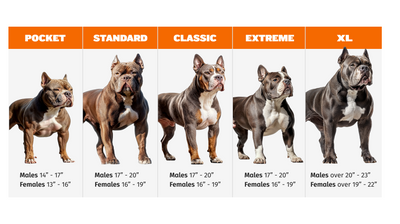
Misidentifying a dog’s breed is more common than you might think. A Labrador mix might be mistaken for a purebred Labrador, which can lead to incorrect assumptions about its behavior or health needs. Breed-specific legislation or housing restrictions can also complicate matters, making accurate identification crucial. Relying on breed names alone can be misleading. For example, “Pit Bull” is a term that encompasses several breeds and mixes, not just one specific dog. Understanding this nuance helps in avoiding unnecessary fear or bias towards certain breeds.
Over-reliance On Appearance
Appearance can be deceptive when identifying dog breeds. A fluffy coat might suggest a Pomeranian, but it could just as easily be a mixed breed with similar traits. Dogs from the same litter can look drastically different, emphasizing the unreliability of appearance-based judgments. Consider the case of a friend who adopted a dog with striking blue eyes. Initially assumed to be a Husky, it turned out to be a mixed breed with very different characteristics. This over-reliance on appearance led to a mismatch in expectations and training needs. To avoid such pitfalls, consider using a combination of methods to identify a dog’s breed. DNA testing, consulting breed experts, or even using breed identification apps can provide more accurate results. What other methods do you think could improve breed identification?
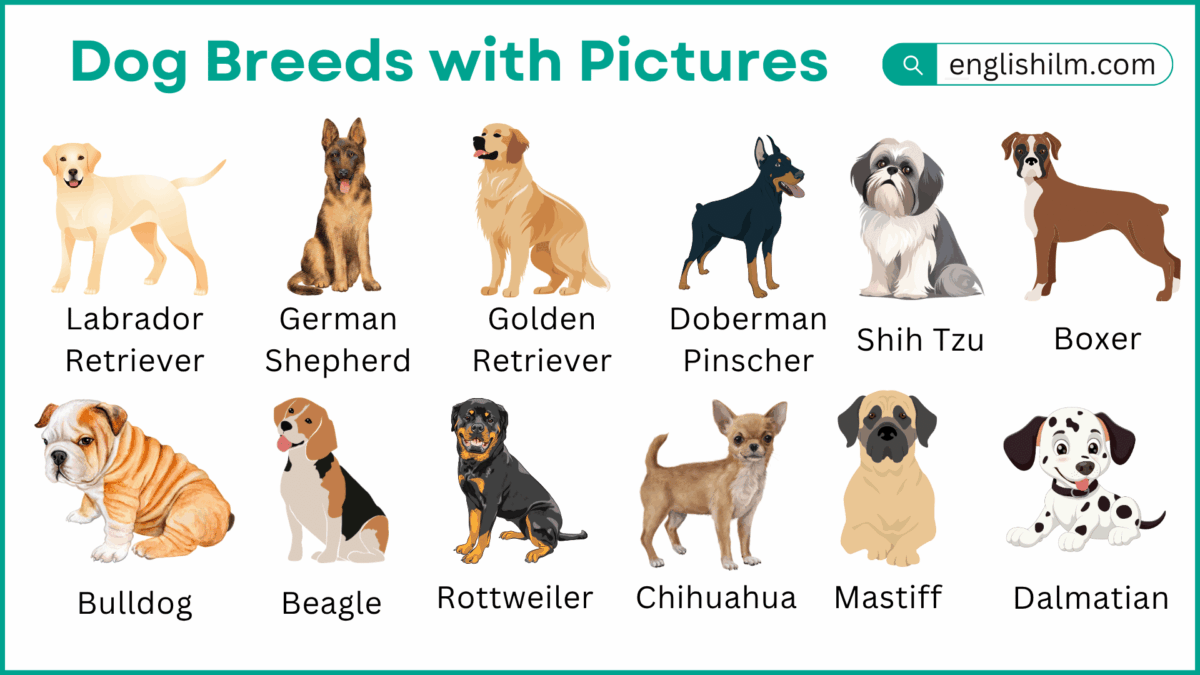
Credit: englishilm.com
Frequently Asked Questions
How To Recognize A Dog’s Breed Easily?
Identifying a dog’s breed can be done by observing physical traits. Look for distinguishing features like size, coat type, and color patterns. Behavioral characteristics can also help. Utilize breed identification apps or consult a vet for more accuracy. A DNA test provides the most precise results.
What Are Common Features Of Popular Dog Breeds?
Common features include size, coat type, and temperament. For instance, Labradors are known for their friendly nature and short coats. German Shepherds have a distinct double coat and are highly intelligent. Identifying these features can help determine the breed, making it easier to understand their needs.
Can I Identify A Dog’s Breed By Its Ears?
Yes, you can often identify a breed by its ears. Some breeds have distinctive ear shapes and positions. For example, Beagles have long, droopy ears, while Dobermans have erect ears. Observing ear characteristics can help narrow down the breed, providing a clue to their lineage.
How Does A Dog’s Tail Indicate Its Breed?
A dog’s tail can offer hints about its breed. Some breeds have characteristic tail shapes and carriage. For instance, Huskies have bushy, curled tails, while Greyhounds have long, thin tails. Observing these traits can help identify the breed, offering insights into their ancestry and behavior.
Conclusion
Identifying dog breeds can be fun and rewarding. Pay attention to key features. Ears, tail, and coat tell a lot. Observing these can help you. Remember, every dog is unique. Use resources like breed guides. Visit local dog shows for firsthand experience.
Talk to dog owners for insights. Practice often to improve your skills. Soon, you’ll recognize breeds easily. Enjoy the journey of learning. It strengthens the bond with dogs. Happy identifying!

Similar Posts