Have you ever found yourself struggling to put a muzzle on your dog? You’re not alone.
Many dog owners face this challenge, especially if their furry friend is a bit anxious or energetic. The good news is that with the right approach, you can easily and safely muzzle your dog. Whether you’re planning a visit to the vet or a walk in a crowded park, knowing how to properly use a muzzle can make your life easier and your dog’s experience more comfortable.
Imagine the peace of mind that comes with knowing your dog is safe and secure, no matter the situation. Keep reading to discover simple, step-by-step instructions that will transform this daunting task into a straightforward process. Ready to master the art of muzzling your dog? Let’s dive in.
Types Of Dog Muzzles
Choosing the right muzzle for your dog can make a world of difference in comfort and effectiveness. Not all muzzles are created equal, and understanding the different types can help you find the best fit for your furry friend. From basket muzzles to soft muzzles, and even those designed for short-snouted breeds, there’s a solution for every need. Let’s dive into the various types of dog muzzles and see which might be the perfect match for your pup.
Basket Muzzles
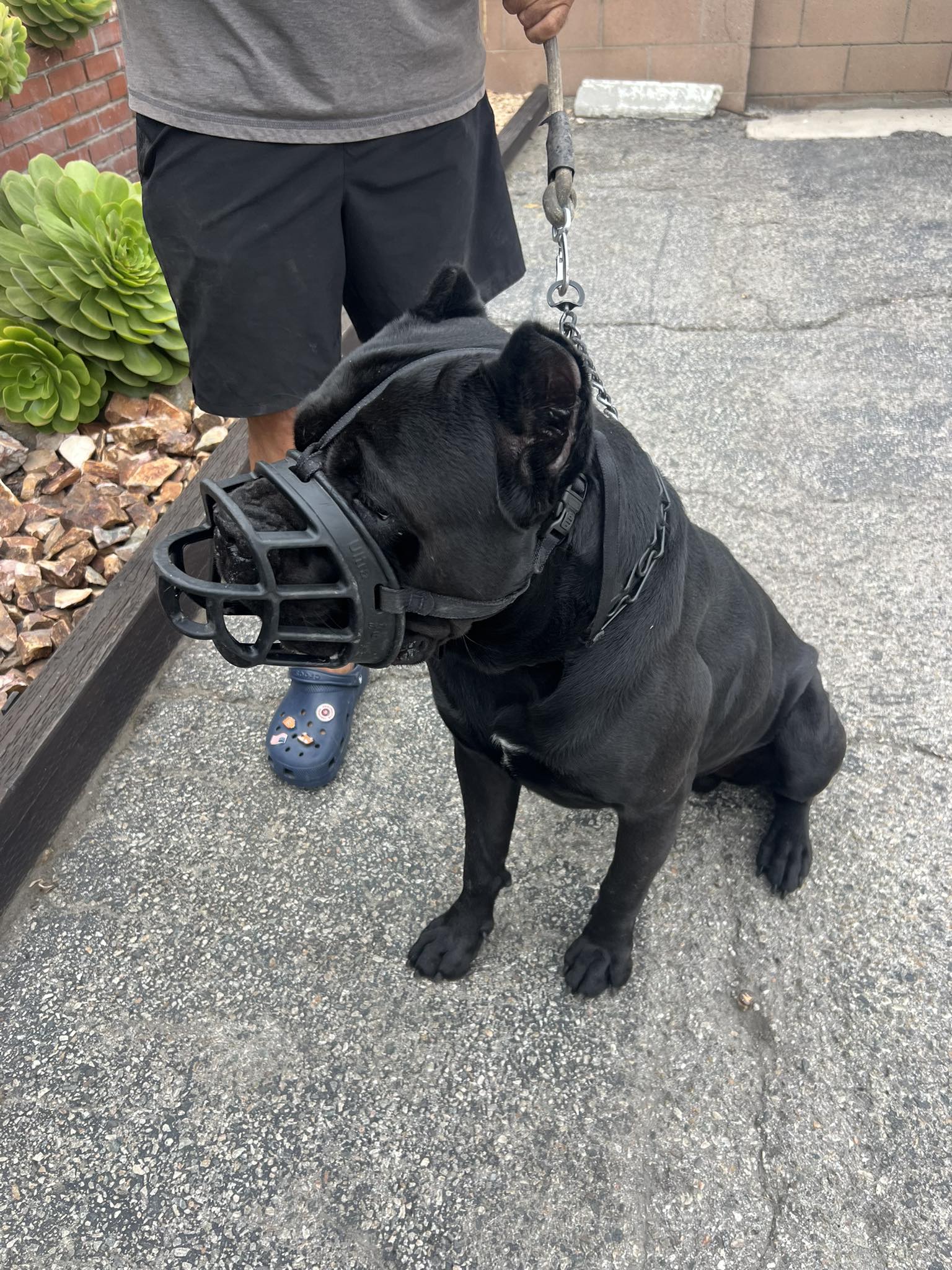
Basket muzzles are often the go-to option for many pet owners. They offer a sturdy structure that allows your dog to pant, drink, and even take treats through the gaps. Made from materials like plastic, rubber, or metal, they provide safety without compromising your dog’s comfort.
Imagine taking your dog to the park without worrying about them picking up everything in sight. With a basket muzzle, this becomes a reality, giving you peace of mind while allowing your dog some freedom.
Soft Muzzles
Soft muzzles are ideal for short-term use, like a quick trip to the vet. Made from fabric or mesh, they wrap snugly around the dog’s snout, limiting jaw movement. They’re lightweight and easy to store, but be cautious: they don’t allow much room for panting.
Have you ever found yourself struggling to calm your pup during a nail trim? A soft muzzle can help manage stress by ensuring they remain calm and still during these quick appointments.
Short Snout Muzzles
For breeds like Pugs and Bulldogs, short snout muzzles are specifically designed to fit their unique facial structures. These muzzles offer protection without restricting breathing. They often feature adjustable straps for a secure fit.
Finding a muzzle for a short-snouted dog can be tricky. But once you do, it’s a game-changer for ensuring safety while allowing your dog to breathe comfortably. Have you considered how a snug fit could improve your dog’s experience?
Understanding the types of muzzles can transform the way you manage your dog’s behavior and safety. Whether you’re dealing with a rambunctious park visit or a routine vet check-up, there’s a muzzle designed to meet your dog’s needs.

Credit: miasmuzzles.com
Choosing The Right Muzzle
Ensure comfort by choosing a muzzle that fits snugly and allows your dog to breathe easily. Familiarize your dog with the muzzle gently, using treats to encourage positive associations.
Choosing the Right Muzzle Selecting the appropriate muzzle for your dog is crucial. It ensures safety and comfort for both you and your pet. Each dog has unique needs based on their breed, temperament, and intended use of the muzzle. Understanding these factors helps you make an informed decision.Consider Your Dog’s Breed
Different breeds have different muzzle shapes. Some dogs have long noses, while others have short snouts. A Greyhound’s muzzle differs from that of a Bulldog. Choose a muzzle designed for your dog’s specific breed. This ensures a proper fit and avoids discomfort.Assess Comfort And Safety
Comfort is key when using a muzzle. Look for padded options to prevent chafing. Ensure the muzzle allows your dog to pant and drink water. Safety features like adjustable straps keep the muzzle secure. A comfortable dog is a happier dog.Evaluate Purpose And Usage
Determine why you need the muzzle. Is it for training or vet visits? Different situations require different types of muzzles. Basket muzzles are great for longer wear. Soft muzzles work for short-term use. Match the muzzle type to its purpose for the best results.Preparing Your Dog
Gently introduce the muzzle to your dog by letting them sniff it. Use treats to create positive associations. Gradually place the muzzle on, ensuring it fits snugly but comfortably.
Preparing your dog for a muzzle can ensure a stress-free experience. It helps create a positive association with the muzzle. This process involves patience and understanding. Here are key steps to prepare your furry friend effectively.Familiarizing With The Muzzle
Start by introducing the muzzle to your dog. Allow them to sniff and inspect it. This helps reduce fear and anxiety. Place the muzzle in their environment. Let it become a familiar object. This sets the stage for acceptance.Using Positive Reinforcement
Reward your dog with treats when they approach the muzzle. This creates a positive link with the object. Use a calm voice and praise. Keep the sessions short and engaging. Gradually increase the time your dog interacts with the muzzle. This builds confidence.Ensuring Calm Environment
Choose a quiet spot for training. Minimize distractions to help your dog focus. A calm setting promotes relaxation. Avoid areas with loud noises or many people. This ensures your dog feels safe and secure. It makes the process smoother for both of you.
Credit: www.padfoot.com.au
Steps To Put On A Muzzle
Ensure the muzzle is the right size for your dog. Calmly approach and gently place it over the snout. Secure the straps, making sure it’s snug yet comfortable. Reward your dog with a treat for positive reinforcement.
Putting a muzzle on your dog can be a simple process. Understanding each step ensures comfort and safety. Follow these steps to make the process smooth and stress-free.Positioning The Muzzle
Start by holding the muzzle in your hand. Let your dog sniff it. This helps them feel comfortable. Place the muzzle gently over your dog’s nose. Ensure it covers the mouth properly. The muzzle should not be too tight or too loose. Your dog should still be able to pant.Securing The Straps
Once the muzzle is in place, secure the straps. Fasten them behind your dog’s head. Make sure the straps are snug. They should not be too tight. Check that they are securely fastened. Adjust as necessary to fit your dog’s head shape.Checking Fit And Comfort
Ensure the muzzle is comfortable for your dog. Check if your dog can open its mouth slightly. Your dog should not struggle to breathe or pant. Observe your dog for any signs of distress. Make adjustments if needed to improve comfort.Training With A Muzzle
Training with a muzzle can help your dog become comfortable with it. A muzzle is a useful tool for safety and control. Proper training ensures your dog feels secure and calm. With patience and consistency, your dog will adapt to wearing a muzzle.
Gradual Introduction
Start by showing the muzzle to your dog. Let them sniff it and get familiar. Offer treats when they approach the muzzle. This builds a positive association. Next, place the muzzle near your dog’s nose. Reward them for calm behavior. Slowly increase the time they spend near the muzzle.
Regular Practice
Practice wearing the muzzle daily. Begin with short sessions, just a few minutes at first. Gradually increase the duration over time. Use treats during practice to keep the experience positive. Incorporate muzzle time into regular activities. This helps your dog view the muzzle as part of their routine.
Monitoring Behavior
Watch your dog’s behavior while wearing the muzzle. Look for signs of stress or discomfort. These may include pawing at the muzzle or whining. If your dog shows distress, remove the muzzle and try again later. Adjust the fit if necessary for comfort. Regularly observe and ensure your dog remains calm and relaxed.
Credit: www.facebook.com
Safety Tips
Ensuring your dog’s safety while using a muzzle is crucial. Muzzles can prevent unwanted biting, but improper use can lead to stress. Follow these safety tips to make sure your dog is comfortable and secure.
Avoiding Overuse
Avoid using a muzzle for extended periods. Dogs need to pant and drink. Limit muzzle use to short durations. Ensure your dog has breaks without the muzzle, especially on hot days.
Supervising Your Dog
Always supervise your dog while it’s wearing a muzzle. Observe your dog’s behavior for any signs of distress. Remove the muzzle immediately if your dog shows discomfort or panic.
Inspecting The Muzzle
Regularly check the muzzle for signs of wear and tear. Ensure all straps and buckles are secure. Replace the muzzle if it’s damaged to prevent accidents.
Common Mistakes To Avoid
Choosing the wrong size muzzle can cause discomfort and stress for your dog. Ensure the muzzle is properly fitted and secure to prevent escape or injury. Avoid forcing the muzzle onto your dog, as this can create fear and resistance.
Putting a muzzle on your dog might seem straightforward, but common mistakes can lead to discomfort and stress for your furry friend. Ensuring a positive experience requires understanding what to avoid. Let’s delve into the typical pitfalls you should steer clear of, so your dog remains safe and calm.Incorrect Fit
A poorly fitted muzzle can cause numerous issues. If it’s too tight, it can restrict breathing, while a loose one might slip off. Always measure your dog’s snout and choose a muzzle that allows them to pant and drink comfortably.Neglecting Training
Skipping the training phase can make the muzzle a source of anxiety for your dog. Introduce the muzzle gradually, using treats and positive reinforcement. Make it a fun game rather than a sudden imposition, allowing your dog to associate it with positive experiences.Ignoring Signs Of Distress
Your dog’s comfort should be your top priority. Watch for signs of distress like excessive pawing at the muzzle or vocalizing discomfort. If your dog seems stressed, take a step back and assess what might be wrong. Is the fit incorrect, or have you rushed the training process? Avoiding these mistakes can make the process smoother for both you and your dog. Have you ever noticed your dog reacting differently to their muzzle at different times? Observing and adjusting can make all the difference.Frequently Asked Questions
How Do You Choose The Right Muzzle For A Dog?
Choosing the right muzzle involves considering your dog’s size, breed, and temperament. Measure your dog’s snout and choose a muzzle that fits comfortably. Ensure it allows panting and drinking. Basket muzzles are often recommended for their comfort and effectiveness.
Are Muzzles Safe For Dogs?
Yes, muzzles are safe when used correctly. They prevent biting and protect your dog in stressful situations. Ensure the muzzle fits well and your dog can breathe, pant, and drink. Introduce it gradually to make your dog comfortable.
Can Dogs Eat With A Muzzle On?
Most basket muzzles allow dogs to eat small treats. However, they shouldn’t be used for regular feeding. Always check the muzzle design and ensure it allows enough space for your dog to chew and swallow safely.
How Often Should A Dog Wear A Muzzle?
A dog should wear a muzzle only when necessary, such as during vet visits, grooming, or in public spaces if aggressive. Avoid prolonged use. Ensure your dog is comfortable and supervised while wearing the muzzle.
Conclusion
Putting a muzzle on your dog can be simple with practice. Start by choosing the right muzzle for your dog’s needs. Always remain calm and patient to keep your dog relaxed. Use treats and praises to make the experience positive.
Gradually increase the time your dog wears the muzzle. Watch for signs of discomfort or stress. Safety and comfort are key for both you and your dog. Regular practice helps your dog adapt to wearing it. Remember, muzzles are just a tool.
They help in certain situations. Keep prioritizing your dog’s well-being and comfort.