How to Use a Shock Collar for a Dog: Expert Tips
Senior Canine Nutritionist & Dog Behavior Specialist at Cozy Dog Go Wellness Lab

Are you trying to train your dog and considering the use of a shock collar? This tool can be effective if used properly, but it’s crucial to understand how to use it correctly to ensure your dog’s safety and well-being.
You might be worried about whether it’s humane or if it will cause any harm. These concerns are valid, and this guide will help you navigate them. Imagine achieving a well-behaved dog, all while ensuring they are happy and healthy.
By understanding how to use a shock collar effectively, you can address behavioral issues without stress or guilt. Dive in to discover how you can make training a positive experience for both you and your furry friend.

Credit: www.walmart.com
Choosing The Right Shock Collar
Choosing the right shock collar for your dog can be a daunting task with the myriad of options available. It’s essential to select one that suits both your dog’s needs and your training goals. This decision can make a significant difference in how effective and humane your training process will be. But how do you ensure you’re making the best choice?
Types Of Shock Collars
Shock collars come in various types, each designed for specific purposes. You might encounter basic static collars, which are the most common. These deliver a mild electric shock to deter unwanted behavior. For those looking for more advanced features, there are remote-controlled collars that offer greater flexibility and control over the intensity of the shock.
Some collars integrate vibration or sound signals as alternatives to shocks, providing a gentler approach to training. Each type has its pros and cons, and understanding these can help you make an informed decision. Have you considered how your dog might respond to different types?
Features To Consider
When selecting a shock collar, there are several features you should look for. Adjustable intensity levels are crucial, allowing you to tailor the correction to your dog’s size and temperament. A collar with a good range is also important if you plan to use it in larger outdoor areas.
Battery life is another factor to consider. A collar that needs frequent charging can be inconvenient and unreliable. Waterproof collars are beneficial, especially for dogs that enjoy outdoor activities. Always check user reviews to see how each model performs in real-life situations.
Ultimately, the best collar is one that fits comfortably and is easy for you to use. Have you tested the collar on yourself to gauge its impact? This can be a revealing experience!
Preparing Your Dog
Preparing your dog for a shock collar is a crucial step that sets the foundation for effective training. It’s essential to ensure your dog is comfortable and ready to learn before introducing this tool. Proper preparation can make the experience smoother for both you and your dog, enhancing communication and understanding.
Assessing Your Dog’s Temperament
Before you start using a shock collar, take time to understand your dog’s temperament. Is your dog sensitive or more resilient? Knowing your dog’s personality helps you determine the right level of stimulation and approach. Consider whether your dog is already responsive to verbal commands or if they tend to ignore them. This insight will guide you in adjusting the collar settings appropriately. If you’re unsure, consulting with a professional trainer can provide valuable perspective.
Familiarizing Your Dog With The Collar
Introduce the collar gradually to prevent any anxiety or fear. Begin by letting your dog sniff and explore the collar without wearing it. This allows them to get accustomed to its presence. Once they seem comfortable, place the collar on your dog without turning it on. Let them wear it for short periods during normal activities, such as playtime or walks. This helps associate the collar with positive experiences, reducing any potential stress.
- Use treats and praise during this introduction phase to reinforce positive associations.
- Monitor your dog’s behavior closely; signs of discomfort should be addressed immediately.
By taking these steps, you’re setting the stage for a successful training experience. How can you ensure your dog feels safe and supported during this transition?
Proper Usage Techniques
Using a shock collar can aid in dog training. Proper usage techniques ensure safe and effective training for your pet. It’s crucial to understand the collar’s features and apply them correctly. This section covers key aspects like intensity settings and training commands.
Setting The Correct Intensity
Choosing the right intensity level is vital. Start with the lowest setting. Observe your dog’s reaction carefully. Increase gradually if needed. Each dog responds differently. Adjust the collar according to your dog’s size and temperament. Never use maximum intensity immediately. This can cause distress. Consult with a professional if unsure.
Training Commands And Signals
Establish clear commands before using the collar. Consistency is key. Use simple words your dog understands. Pair commands with signals from the collar. Reinforce positive behavior with praise. This helps your dog associate signals with actions. Practice regularly for effective training. Always monitor your dog’s comfort during sessions.
Credit: www.masbrill.us
Safety Precautions
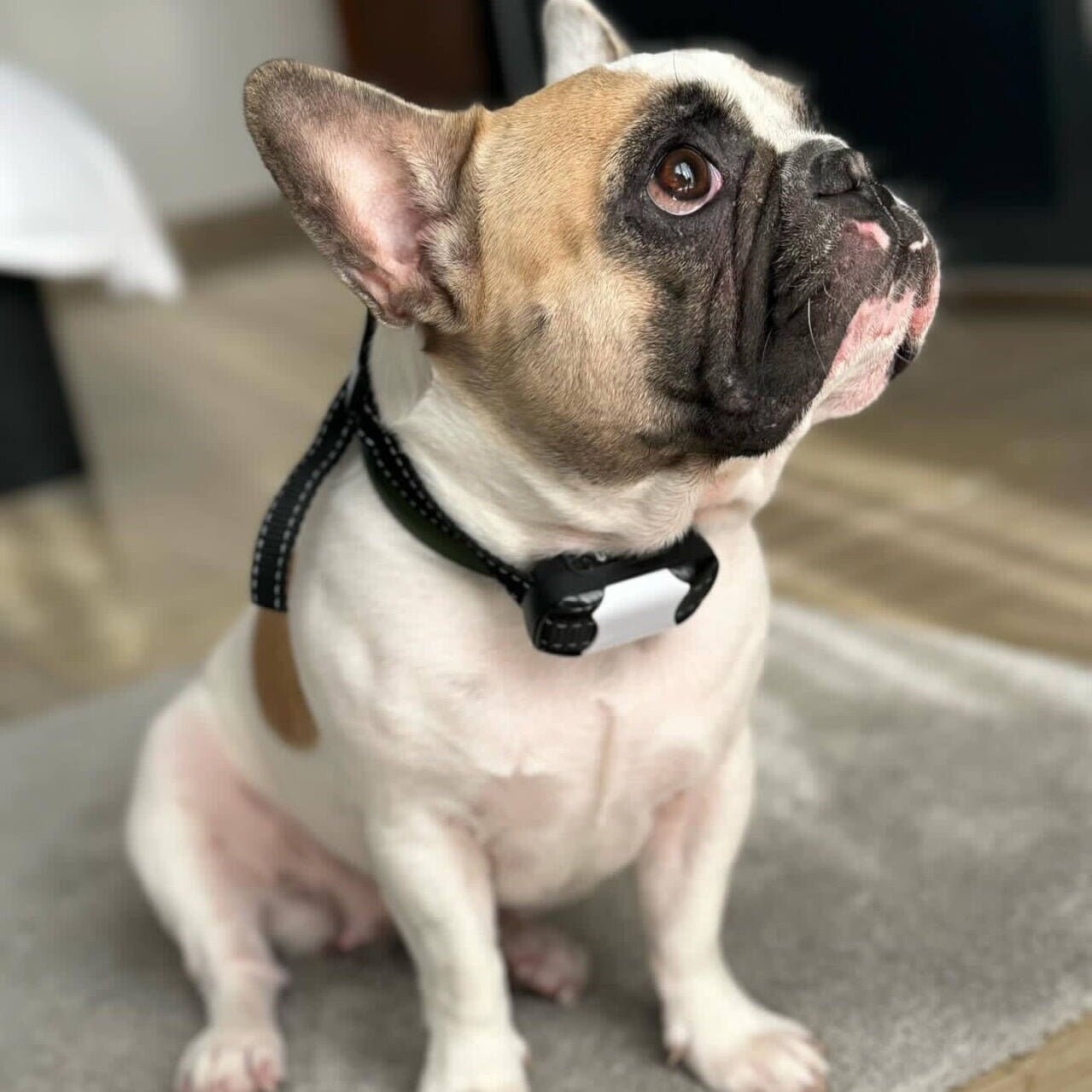
Ensure the shock collar fits snugly around the dog’s neck. Begin with the lowest setting to gauge your dog’s reaction. Monitor your dog’s behavior closely and avoid prolonged use to ensure their comfort and safety.
Safety is crucial when using a shock collar for your dog. Ensuring your pet’s well-being comes first. Following safety guidelines can prevent harm and discomfort. Below are essential safety precautions to consider.Monitoring For Adverse Reactions
Watch your dog closely after using a shock collar. Check for signs of stress or discomfort. Signs include excessive barking, whining, or shaking. Ensure the collar fits correctly. A collar too tight can cause skin irritation. Regularly inspect your dog’s neck for redness or sores. If you notice adverse reactions, stop using the collar immediately.Avoiding Overuse
Use the shock collar sparingly. Rely on positive reinforcement techniques alongside it. Too much use can lead to anxiety in dogs. Limit training sessions to short periods. Ensure your dog associates the collar with training only. Overuse can diminish its effectiveness. Always balance training with praise and treats. Incorporating these safety precautions can enhance your dog’s training experience. Prioritize your pet’s comfort and emotional well-being.Alternatives To Shock Collars
Many dog owners seek alternatives to shock collars. These options promote a positive and safe training experience. Shock collars may work for some, but they can also cause fear or anxiety. Exploring other methods helps create a trusting bond with your dog. Let’s dive into some effective alternatives.
Positive Reinforcement Methods
Positive reinforcement encourages good behavior through rewards. This method involves giving treats, praise, or toys when your dog performs a desired action. It focuses on building a strong bond. Dogs learn more effectively with love and encouragement.
Rewards must be immediate. This helps your dog connect the behavior with the reward. Consistency is key. Keep training sessions short and fun. This prevents your dog from becoming bored or frustrated. Use a cheerful voice to motivate your dog.
Clicker training is another form of positive reinforcement. A clicker is a small device that makes a clicking sound. Each time your dog does something right, you click and give a treat. This method is precise and clear.
Other Training Tools
Several tools can help guide your dog’s behavior. A head collar, also known as a gentle leader, can be effective. It fits around your dog’s nose and head. This tool helps guide your dog’s direction without causing harm.
Harnesses are another great option. They are comfortable and reduce pulling. A no-pull harness discourages pulling by applying gentle pressure. This helps keep walks pleasant for both you and your dog.
Training leashes come in various lengths. A long leash allows your dog to explore while maintaining control. This can be useful for recall training in open areas.
Consider using a crate for training. It provides a safe space for your dog. Crate training helps with housebreaking and reduces anxiety.
Always choose tools that suit your dog’s size and temperament. Each dog is unique, and the right tool can make a big difference.

Credit: www.newegg.com
Expert Insights
Using a shock collar for dog training can be controversial. It sparks debates among pet owners and experts. Understanding expert insights provides clarity on this tool’s application.
Benefits And Drawbacks
Experts highlight several benefits of shock collars. They can help with quick behavior correction. This is especially useful for stubborn dogs. Shock collars can reinforce commands from a distance. This is helpful in off-leash situations. They also offer adjustable intensity levels. This allows customization to the dog’s sensitivity. But, there are drawbacks too. Misuse can cause fear and anxiety. Incorrect settings can harm your pet. It’s crucial to use them responsibly.
Case Studies And Experiences
Several case studies reveal mixed results. Some dog owners report positive changes. Their dogs respond better to commands. They notice improved behavior in different settings. Others share negative experiences. Their dogs became anxious or fearful. Expert trainers suggest gradual introduction. They recommend pairing shock collars with positive reinforcement. This approach minimizes potential harm.
Frequently Asked Questions
How Does A Shock Collar Work For Dogs?
A shock collar delivers a mild electric stimulation to your dog’s neck. It’s designed to modify behavior through negative reinforcement. Proper use requires understanding how to adjust the settings and using it consistently. Always prioritize your dog’s safety and comfort.
Are Shock Collars Safe For Dogs?
When used correctly, shock collars can be safe. It’s crucial to use the lowest effective setting and ensure proper fit. Consult a professional trainer for guidance. Misuse can cause fear and stress in dogs, so follow instructions carefully.
Can Shock Collars Stop Barking?
Shock collars can help reduce excessive barking. They deliver a correction when your dog barks, discouraging the behavior. Results vary based on the dog’s temperament and consistency in usage. Always pair with positive reinforcement for best results.
How Long Should A Dog Wear A Shock Collar?
A dog should wear a shock collar only during training sessions. Limit use to 1-2 hours daily and monitor your dog closely. Remove the collar when not in use to prevent skin irritation. Gradually reduce reliance on the collar as behavior improves.
Conclusion
Using a shock collar demands care and understanding. Always prioritize your dog’s safety. Start with the lowest setting. Observe your dog’s reactions closely. Consistency in training helps achieve better results. Never use the collar as punishment. It’s a tool, not a solution.
Combine it with positive reinforcement for effective training. Consult with a professional if unsure. Your dog’s well-being matters most. Patience and compassion go a long way. Remember, every dog is unique. Adjust the approach based on your dog’s needs. Training should be a positive experience for both of you.

Similar Posts