How to Use a Shock Collar for Dogs: Effective Training Tips
You want the best for your dog, and sometimes that means finding tools to help with training. A shock collar might seem intimidating at first, but it can be an effective part of your training toolkit when used correctly.
You’re not alone in wanting to understand how to use a shock collar safely and effectively, ensuring your furry friend learns boundaries without fear or stress. This guide is here to walk you through the steps, addressing your concerns and questions.
Imagine a future where your dog responds to your commands with ease, making walks and playtime a joy for both of you. Ready to discover how to achieve that harmony? Let’s dive in, and put your worries to rest.
Choosing The Right Shock Collar
Choosing the right shock collar involves understanding your dog’s needs and behavior. Ensure it fits comfortably and adjusts appropriately. Use the collar responsibly to maintain your pet’s safety and training effectiveness.
Choosing the right shock collar for your dog is crucial to ensure safety and effectiveness. A well-suited collar can be a helpful tool in training, while the wrong one might cause discomfort or even harm. Before making a purchase, it’s essential to understand the different types and features available.Types Of Shock Collars
Shock collars come in various types, each designed for specific training needs. Static shock collars deliver a mild electric pulse and are commonly used for general obedience training. Vibration collars, on the other hand, use vibrations instead of shocks to get your dog’s attention, making them ideal for more sensitive dogs. Spray collars emit a harmless spray, often citronella, which interrupts unwanted behavior without any physical sensation. This type might suit dogs that react better to scents than to physical stimuli. Consider which type aligns best with your training goals and your dog’s temperament.Features To Consider
When selecting a shock collar, look for adjustable intensity levels. This feature allows you to set the collar to a level that’s effective yet comfortable for your dog. Range is another critical factor; if you plan to train your dog outdoors, choose a collar with an adequate range to maintain control over longer distances. Check if the collar is waterproof, especially if your dog enjoys swimming or playing in the rain. A collar with a rechargeable battery can save you money and hassle over time. Some collars come with additional features like remote control and audible warnings that can enhance training efficiency. Choosing a shock collar isn’t just about the technical specs; it’s about understanding your dog’s unique needs and finding a tool that complements your training style. Have you considered how your dog’s personality might influence your choice? Selecting the right features can make all the difference in your training journey.
Credit: www.walmart.com
Preparing For Training
Training your dog with a shock collar requires patience and care. Start by introducing the collar gradually, ensuring it fits comfortably. Use low settings and positive reinforcement to guide behavior, while monitoring your dog’s reactions closely.
Preparing for Training Embarking on the journey of using a shock collar for dog training is not something to rush into without preparation. It requires a thoughtful approach to ensure effective communication and positive outcomes. Before you begin, it’s crucial to understand your dog’s behavior and set realistic goals for the training sessions.Understanding Your Dog’s Behavior
Your dog’s behavior is the foundation for successful training. Spend time observing your dog’s habits, reactions, and triggers. Does your dog bark excessively, or is it prone to running away? Each behavior has a different root cause, and understanding this is key to addressing it effectively. Consider a scenario where your dog barks at every passing car. Is it a territorial instinct or fear-driven reaction? Knowing the ‘why’ behind the behavior helps you tailor the training approach.Setting Realistic Goals
Goals should align with your dog’s unique needs and temperament. Aim for achievable milestones rather than expecting immediate transformation. For instance, if your dog struggles with recall, start with short distances and gradually increase. Celebrate small victories to keep the momentum. Ask yourself: What would a successful training session look like for your dog? Clarity in your objectives keeps both you and your dog motivated. Remember, patience and consistency are your allies. Every dog learns at its own pace, and setting realistic expectations ensures a rewarding training experience.Proper Collar Adjustment
Proper collar adjustment ensures the shock collar fits snugly yet comfortably on your dog’s neck. This prevents skin irritation and allows the device to work effectively. Ensuring the collar is not too tight is key to safe training.
Proper collar adjustment is vital for using a shock collar effectively. It ensures your dog’s comfort and safety. The collar must sit properly to work as intended. This section will guide you through the steps for correct adjustment.Ensuring Correct Fit
The collar should fit snugly around your dog’s neck. It must not be too tight or too loose. Use a finger test to check the fit. You should be able to insert two fingers between the collar and your dog’s neck. This ensures comfort and allows the collar to function correctly. Always check the fit regularly as your dog’s size may change.Safety Precautions
Safety is crucial when using a shock collar. Never leave it on your dog for more than 12 hours a day. This prevents skin irritation and discomfort. Check your dog’s neck for signs of redness or sores. If you notice any, remove the collar immediately. Ensure the contact points are clean and free from dirt. This helps maintain a safe connection and prevents skin problems. Regularly inspect the collar for damage. Replace it if any parts are worn out or broken. Proper maintenance keeps your dog safe and the collar functioning well.
Credit: edog.co.nz
Training Techniques
Using a shock collar requires careful attention and understanding. Start with the lowest setting to avoid discomfort. Pair the collar with positive reinforcement to guide your dog’s behavior gently.
Training a dog using a shock collar can be a controversial topic, but with the right techniques, it can be an effective method for behavior modification. The key is to use the collar as a tool for communication, not punishment. By combining different training methods, you can ensure your dog learns in a safe and positive environment.Positive Reinforcement
Positive reinforcement is a crucial part of any training regimen. This means rewarding your dog when they exhibit desired behaviors. Rewards can be treats, praise, or playtime. Imagine your dog learning to sit on command. First, use the command and when they sit, immediately provide a treat or praise. This positive association encourages them to repeat the behavior. Shock collars should complement, not replace, positive reinforcement. Using rewards helps your dog understand what behaviors are expected, making the shock collar less reliant.Using The Shock Feature
The shock feature on a collar should be used sparingly and thoughtfully. Begin by setting the collar to the lowest intensity. Observe your dog’s reaction to ensure it’s not causing distress. A practical approach is to use the shock feature as a last resort. For example, if your dog runs towards the road despite being called back, a quick shock can grab their attention and prevent a dangerous situation. Consistency is key. Use the shock feature in the same context every time to avoid confusion for your dog. Are you using the shock feature wisely, or could it be causing more harm than good? Always ask yourself this question to ensure your dog’s well-being.Monitoring Progress
Monitoring progress is key when using a shock collar for dogs. Observe your dog’s reactions closely to ensure their comfort and safety. Adjust the collar settings based on their behavior and training needs, aiming for positive reinforcement.
Monitoring the progress of your dog when using a shock collar is crucial to ensure effective training and the well-being of your pet. As you embark on this journey, keep an eye on how your dog responds to the collar, and make necessary adjustments to your training methods. This not only helps in reinforcing positive behavior but also ensures a humane approach to training. So, how can you track these changes effectively?Tracking Behavioral Changes
Documenting your dog’s behavior is key. Start by keeping a journal that notes any significant changes in their actions or reactions. Observe their body language; are they showing signs of stress or fear, or are they more responsive to commands? Use a checklist to monitor specific behaviors you want to change, such as excessive barking or jumping. Consider setting up a video recording to capture your dog’s behavior over time. This visual record can be invaluable in assessing their progress.Adjusting Training Methods
If your dog isn’t responding as expected, it might be time to tweak your approach. Are you using the shock collar too frequently or not enough? Adjust the frequency based on the feedback from your dog’s behavior. Sometimes, the intensity of the shock might need alteration. Always start with the lowest setting and gradually increase only if necessary. Engage with your dog in positive reinforcement practices alongside the shock collar. This balanced approach can yield better results. Are you noticing a particular command that your dog struggles with? Focus on that command with additional training sessions. Remember, every dog is unique. What works for one might not work for another. Constantly assess and adjust your methods to suit your dog’s needs.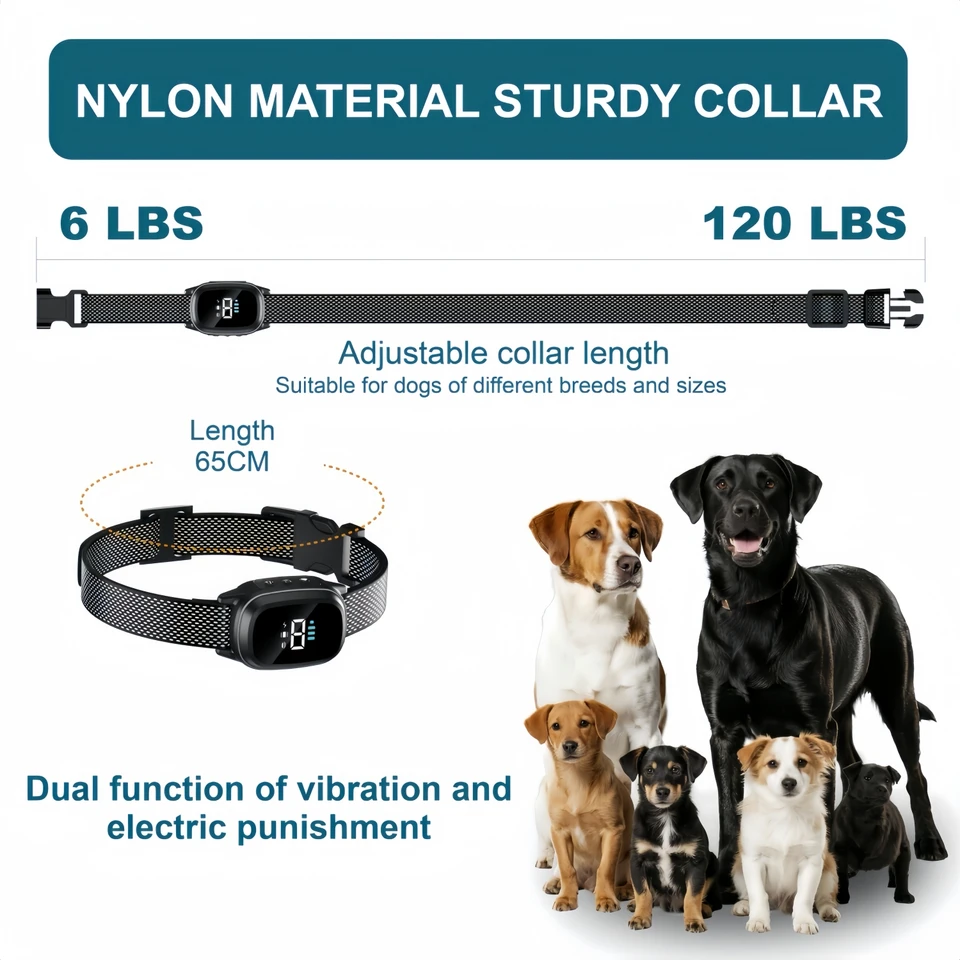
Credit: www.aliexpress.com
Common Mistakes To Avoid
Using a shock collar improperly can harm your dog. Start with the lowest setting to ensure safety. Never use it as a punishment tool, and always pair it with positive reinforcement for effective training.
Using a shock collar on your dog can be a sensitive topic, but when used correctly, it can be an effective training tool. However, many pet owners make common mistakes that can lead to negative outcomes. Understanding what to avoid is crucial for ensuring the safety and well-being of your furry friend. Let’s dive into some common pitfalls to steer clear of when using a shock collar.Overusing The Shock
It’s easy to rely too heavily on the shock function, especially if you’re frustrated with your dog’s behavior. But overusing it can cause your dog to fear you rather than respect you. Think about it: how would you feel if someone constantly buzzed you every time you made a mistake? Instead, use the shock sparingly and reserve it for serious behavior issues. This ensures your dog understands the consequences without becoming anxious or stressed.Ignoring Positive Behavior
Sometimes, in the quest to correct bad behavior, we forget to reward the good. It’s vital to balance correction with positive reinforcement. If your dog obeys a command or refrains from misbehaving, offer praise or a treat. Recognizing positive behavior encourages your dog to repeat it, making the shock collar less necessary over time. Ask yourself, are you catching your dog being good as often as you’re correcting them? This balance is key to effective training. By avoiding these common mistakes, you can create a harmonious and respectful relationship with your dog, ensuring their safety and happiness.Alternatives To Shock Collars
Shock collars often stir debate among dog owners, leaving many searching for gentler alternatives. While they can be effective, they aren’t the only option available. If you’re looking for a way to train your dog that doesn’t involve shocks, consider these alternatives that focus on positive reinforcement and communication.
Vibration Collars
Vibration collars offer a more humane way to grab your dog’s attention. These collars emit a gentle vibration that prompts your dog to refocus without causing pain. They’re particularly effective for dogs that are sensitive or easily startled by noise.
Imagine you’re in a noisy park and your dog gets distracted. A quick vibration can help redirect their attention without startling them. It’s a subtle nudge that says, “Hey, remember I’m here.” This makes training less stressful for both you and your dog.
Sound-based Training Tools
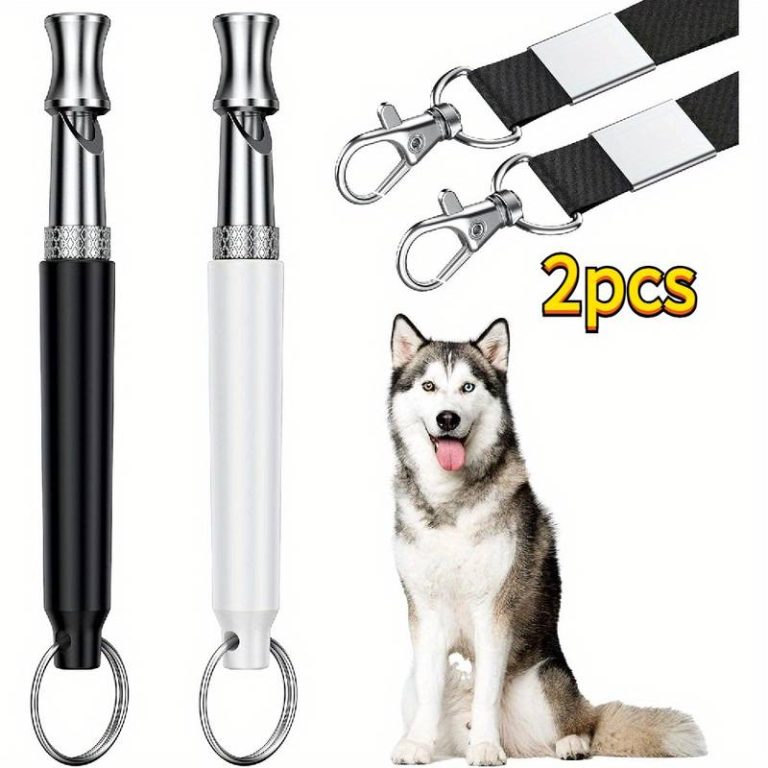
Sound-based training tools rely on auditory cues to guide your dog’s behavior. These tools can include clickers or ultrasonic devices that emit sounds only dogs can hear. They offer a way to communicate with your dog in a language they can understand.
Have you ever noticed how your dog perks up at the sound of a crinkling bag or the jingle of keys? Sound-based tools work on a similar principle. By associating specific sounds with certain actions, you can effectively train your dog without the need for physical correction.
Consider integrating these tools into your training regimen. Not only do they enhance communication, but they also make the training process more enjoyable for both you and your furry friend. Isn’t a happy, well-trained dog what we all strive for?
Frequently Asked Questions
How Does A Shock Collar Work For Dogs?
A shock collar delivers a mild electric pulse to correct behavior. It’s controlled via a remote by the owner. This tool is used for training purposes to discourage unwanted actions. Proper usage involves setting the intensity to the lowest effective level.
Always consult a professional before starting.
Are Shock Collars Safe For Dogs?
When used correctly, shock collars are generally safe for dogs. They should be used as a last resort, and under expert guidance. Ensure the collar is fitted properly and used for short durations. Always monitor your dog’s reaction to ensure their safety and comfort.
What Age Can A Dog Wear A Shock Collar?
A dog can wear a shock collar once they are at least six months old. It’s crucial to ensure the dog is mature enough to understand training commands. Consult with a professional trainer to determine if your dog is ready for a shock collar.
How To Introduce A Shock Collar To A Dog?
Introduce the shock collar gradually and positively to your dog. Let your dog wear it without activation to get used to its presence. Use the collar during training sessions, starting with the lowest setting. Reward positive behavior with treats and praise.
Conclusion
Using a shock collar can help train your dog effectively. Always prioritize your dog’s safety and comfort. Understand your dog’s needs and responses. Use the collar with care, avoiding prolonged or intense use. Consistent training and patience are key. Observe your dog’s behavior and adjust your methods.
Use the shock collar as a tool, not a solution. Always pair it with positive reinforcement. Communication with your dog is crucial. Create a bond based on trust and understanding. A well-trained dog is a happy dog. Your efforts will lead to a harmonious relationship.
Remember, training is an ongoing journey.