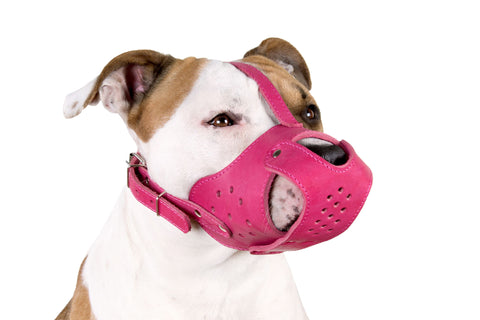
Will Muzzles Stop Dogs from Fighting: The Ultimate Solution?
When you think about taking your dog to the park, the last thing you want to worry about is a fight breaking out. It’s stressful not just for you, but for your furry friend too.
You’ve probably wondered if a muzzle might be the solution. Could it really stop dogs from fighting? Before you make any decisions, there’s a lot to consider. This article will guide you through the ins and outs of using muzzles to prevent dog fights.
You’ll discover how they work, their benefits, and if they’re the right fit for your beloved pet. Stay with us, and we’ll help you make the best choice for your canine companion’s safety and your peace of mind.

Credit: www.amazon.com
Dog Aggression And Causes
Muzzles can prevent dogs from fighting by limiting their ability to bite. They serve as a temporary solution to manage aggression. Understanding the root cause of aggression is essential for long-term resolution.
Dog aggression is a concern for many pet owners, and understanding its causes can be the first step towards effective management. Aggression in dogs can manifest in various ways, from barking and growling to biting. It’s crucial to identify what triggers these behaviors to address them properly.Common Triggers
Aggressive behavior in dogs often stems from fear, territoriality, or frustration. A dog may lash out if it feels threatened or if its personal space is invaded. Resource guarding is another common trigger, where a dog becomes aggressive to protect food, toys, or even a favorite person. Socialization plays a pivotal role in preventing aggression. Dogs that are not exposed to various environments, people, and other animals early on may react aggressively out of anxiety or unfamiliarity.Breed-specific Behaviors
Certain breeds are more predisposed to aggressive behaviors due to their genetic makeup and historical roles. For instance, herding breeds might nip due to their natural instinct to control movement. On the other hand, some guarding breeds may show territorial aggression. However, it’s vital to remember that individual personality and upbringing are significant factors. A well-trained and socialized dog, regardless of breed, is less likely to exhibit problematic aggression. Are you aware of how your dog’s breed might influence its behavior? Understanding these nuances can help tailor your approach to managing their aggression effectively.Types Of Muzzles
Muzzles can prevent dogs from biting during fights. Basket muzzles allow panting and drinking, offering comfort. Soft muzzles restrict jaw movement, perfect for short-term use.
Types of muzzles are essential tools for managing dog behavior. They can prevent biting and fighting, ensuring safety. Various types cater to different needs and dog breeds. Choosing the right muzzle can enhance its effectiveness and comfort for your dog.Basket Muzzles
Basket muzzles are durable and allow dogs to breathe easily. They are made of plastic or metal. These muzzles have a cage-like design. Dogs can pant, drink, and even eat treats through them. They offer protection without restricting basic activities. Basket muzzles are suitable for longer use. They are ideal for social situations or walks.Soft Muzzles
Soft muzzles are made of fabric or mesh. They are lightweight and easy to carry. These muzzles fit snugly around a dog’s snout. They limit biting but can restrict panting. Soft muzzles are best for short-term use. They are useful during grooming or vet visits. Comfort is key, so ensure proper sizing.Custom-fit Muzzles
Custom-fit muzzles are tailored for individual dogs. They provide a perfect fit for unique snout shapes. These muzzles offer superior comfort and effectiveness. Custom-fit designs minimize risk of slipping off. They are often made with high-quality materials. They are ideal for dogs with specific needs. Investing in a custom-fit muzzle can enhance safety significantly.Effectiveness Of Muzzles
Muzzles can be effective in preventing dog fights by limiting bites. They help maintain control during tense situations. Proper fitting ensures comfort and safety, reducing aggression risks in public spaces.
Muzzles are tools designed to prevent harm. They serve a specific purpose in dog management. Their effectiveness depends on how they are used. Proper usage can help control dog behavior. Muzzles are not a cure-all solution. They are best used in combination with training.Preventing Biting
Muzzles physically block biting. This is their primary function. They can stop a dog from causing harm. This is crucial in unfamiliar situations. Muzzles can protect both dogs and humans. They are a safety measure in public spaces. They offer peace of mind during walks. Training should accompany muzzle use. Training helps address biting triggers.Limiting Aggression
Muzzles can limit aggressive behavior. They restrict the dog’s ability to bite. This reduces a dog’s aggressive potential. They help manage dogs with aggression issues. Muzzles are not a long-term solution. They are a temporary aid. Behavioral training is vital for lasting change. Muzzles should not be relied on alone. Proper socialization complements their use. `Training With Muzzles
Training with muzzles can help prevent dogs from fighting by restricting their ability to bite. Muzzles act as a physical barrier, ensuring safety during interactions with other dogs.
Training your dog to wear a muzzle can be a game-changer in preventing fights. It’s not just about putting the muzzle on; it’s about making it a positive experience for your furry friend. By focusing on the right training techniques, you can ensure your dog feels comfortable and secure, reducing the likelihood of aggression.Positive Reinforcement
Positive reinforcement is key to successful muzzle training. Reward your dog with treats and praises whenever they approach the muzzle willingly. This helps them associate the muzzle with good things, encouraging them to wear it without fuss. You can start by letting them sniff the muzzle and rewarding them with a treat. Gradually, you’ll find your dog eager to put their nose inside it, knowing a tasty reward is coming. Have you ever noticed how much dogs love to please their owners? Use this to your advantage!Gradual Adjustment
Rushing the process can lead to resistance, so take it slow. Begin by having your dog wear the muzzle for short periods while engaged in enjoyable activities. This helps them get used to the feeling without associating it with stress. Increase the time gradually, ensuring your dog remains comfortable. Be patient; every dog adjusts at their own pace. Have you ever tried wearing something new and uncomfortable? Imagine how your dog might feel! Through patience and persistence, your dog will see the muzzle as just another part of their routine. By turning training into a game, you’re not only preventing fights but also building a stronger bond with your dog.Safety Considerations
Muzzles can help prevent dog fights by restricting biting, but they don’t address underlying aggression issues. Proper training and supervision are essential for ensuring canine safety and harmony.
Safety considerations are crucial when using muzzles to prevent dog fights. Proper usage ensures the protection of both the dogs and their handlers. Understanding these considerations helps maintain a safe environment for all involved.Proper Fit
A snug fit is essential for effective muzzle use. Measure your dog’s snout carefully. Choose a muzzle that allows easy breathing and panting. Avoid tight muzzles that cause discomfort or pain. Check the fit regularly as dogs can grow or lose weight.Monitoring And Supervision
Supervise dogs wearing muzzles closely. Never leave them unattended. Muzzles are tools, not solutions. Watch for signs of stress or aggression. Intervene if necessary to prevent escalation. Keep interactions controlled and calm.Alternative Solutions
Muzzles can help prevent dogs from fighting by limiting their ability to bite. They serve as a temporary solution during training and socialization. Always ensure the muzzle fits comfortably to avoid stress or discomfort for the dog.
Alternative solutions exist for preventing dog fights beyond using muzzles. These methods focus on addressing the root causes of aggression. They encourage positive behaviors and improve overall well-being. Explore these effective strategies to help your dog.Behavioral Training
Behavioral training is crucial in managing dog aggression. It teaches dogs to respond calmly in different situations. Start with basic commands like “sit” and “stay.” Use positive reinforcement like treats and praises. Patience and consistency are key. Professional trainers can provide valuable guidance. They tailor training to specific needs and behaviors.Socialization
Socialization plays a vital role in reducing aggression. Introduce your dog to various environments and animals. Begin with calm, controlled settings. Gradually increase complexity and stimuli. This builds confidence and reduces fear-based aggression. Monitor interactions closely. Positive experiences foster trust and calm behavior. Regular socialization can significantly decrease fighting tendencies.Expert Opinions
Muzzles can reduce dog fights by limiting biting during interactions. Experts suggest proper training for lasting behavioral change. Safety for all involved is key when using muzzles effectively.
When considering whether muzzles can effectively stop dogs from fighting, it’s crucial to turn to those with expertise in animal behavior and care. Experts like veterinarians and professional trainers offer insights based on both scientific understanding and practical experience. Their perspectives can help guide responsible pet owners in making informed decisions about using muzzles.Veterinarian Insights
Veterinarians emphasize the importance of understanding the root causes of aggression in dogs. They often highlight that muzzles can be a temporary solution, but not a permanent fix for behavioral issues. A vet might point out that while a muzzle can prevent bites, it doesn’t address the underlying anxiety or fear that may be causing aggression. It’s essential to combine muzzle use with behavior modification techniques. Additionally, veterinarians often recommend choosing the right type of muzzle, ensuring it’s comfortable and allows your dog to pant and drink. This can prevent additional stress and health issues.Professional Trainers
Professional dog trainers often view muzzles as a tool in a broader training plan. They argue that muzzles can be useful during training sessions to ensure safety while working on correcting aggressive behavior. Trainers frequently suggest that muzzles should be introduced gradually and positively to your dog. You might start by letting your dog sniff the muzzle, rewarding them with treats to create a positive association. Moreover, trainers stress the importance of working with a dog’s natural instincts, using positive reinforcement rather than punishment. A personal story shared by a trainer might involve a once-aggressive dog who, through training and occasional muzzle use, became more social and less prone to aggressive outbursts. Have you ever wondered if a muzzle could be part of a broader strategy to help your dog? Engaging with professional advice can provide you with the tools to ensure your dog’s safety and well-being.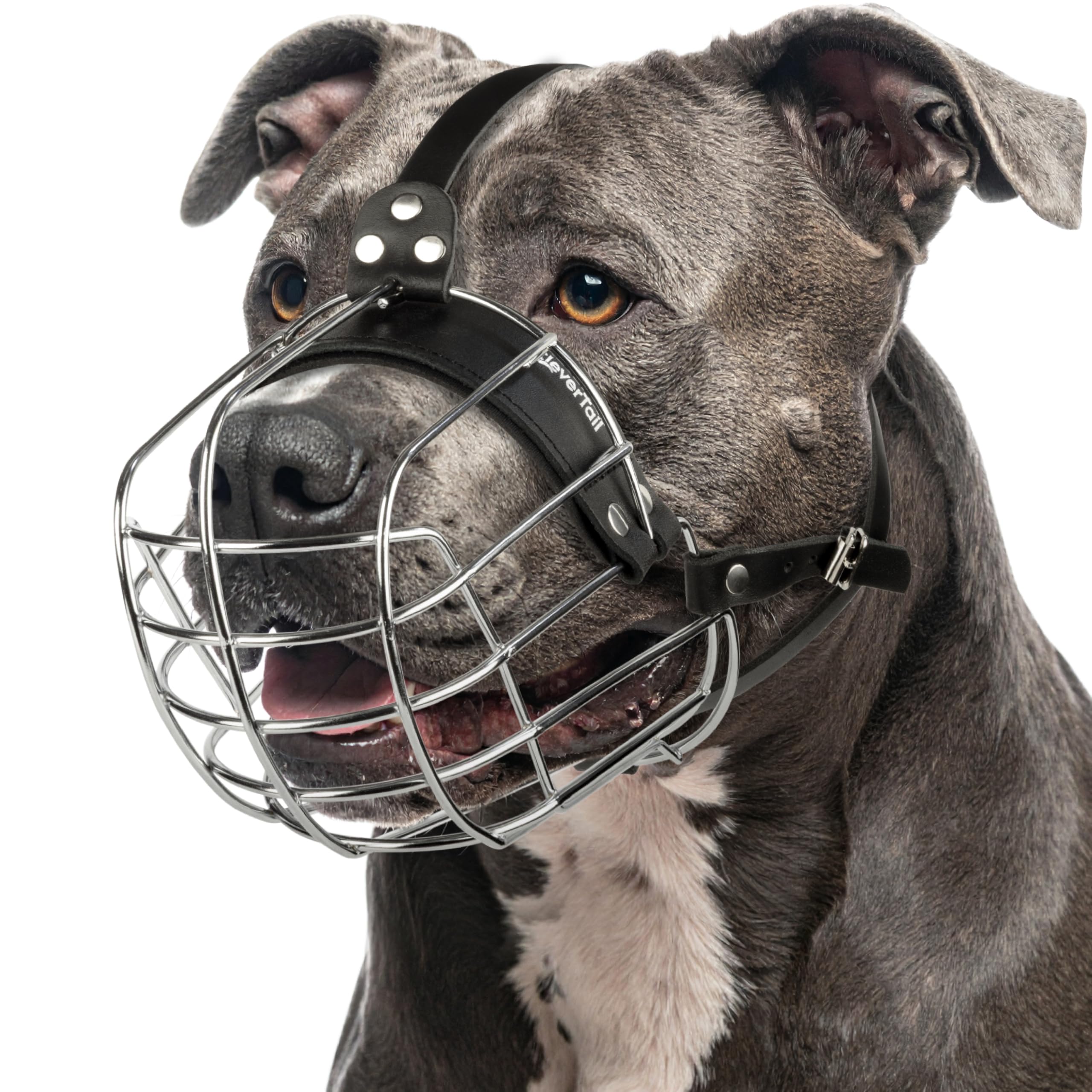
Credit: www.amazon.com
Case Studies
Exploring the effectiveness of muzzles in preventing dog fights can provide valuable insights. Muzzles may limit biting but not aggression. Understanding their role helps pet owners make informed decisions.
Case studies reveal the effectiveness of muzzles in preventing dog fights. They provide real-world insights into practical applications. Owners often seek solutions for aggressive behavior in dogs. Muzzles offer a tangible method to control aggression. Analyzing these cases helps understand the dynamics and outcomes.Successful Interventions
Many dog owners report positive results with muzzles. A Labrador in a busy park displayed aggressive tendencies. After introducing a muzzle, his interaction improved. The dog could socialize without incidents. Another case involved a Pitbull. Known for aggressive outbursts, the muzzle calmed him down. His owner noted a significant behavioral change. These stories highlight the potential benefits of muzzles. They can transform dog behavior, promoting safer environments.Challenges Faced
Some dogs resist wearing muzzles initially. A Beagle in a suburban area had difficulty adapting. His owner struggled with the fitting process. Proper sizing and comfort were essential. A German Shepherd faced similar issues. He showed discomfort, affecting his mood. Owners had to address these challenges with patience. Training and gradual introduction were vital. Behavior adjustment took time and effort. Not every case saw immediate success.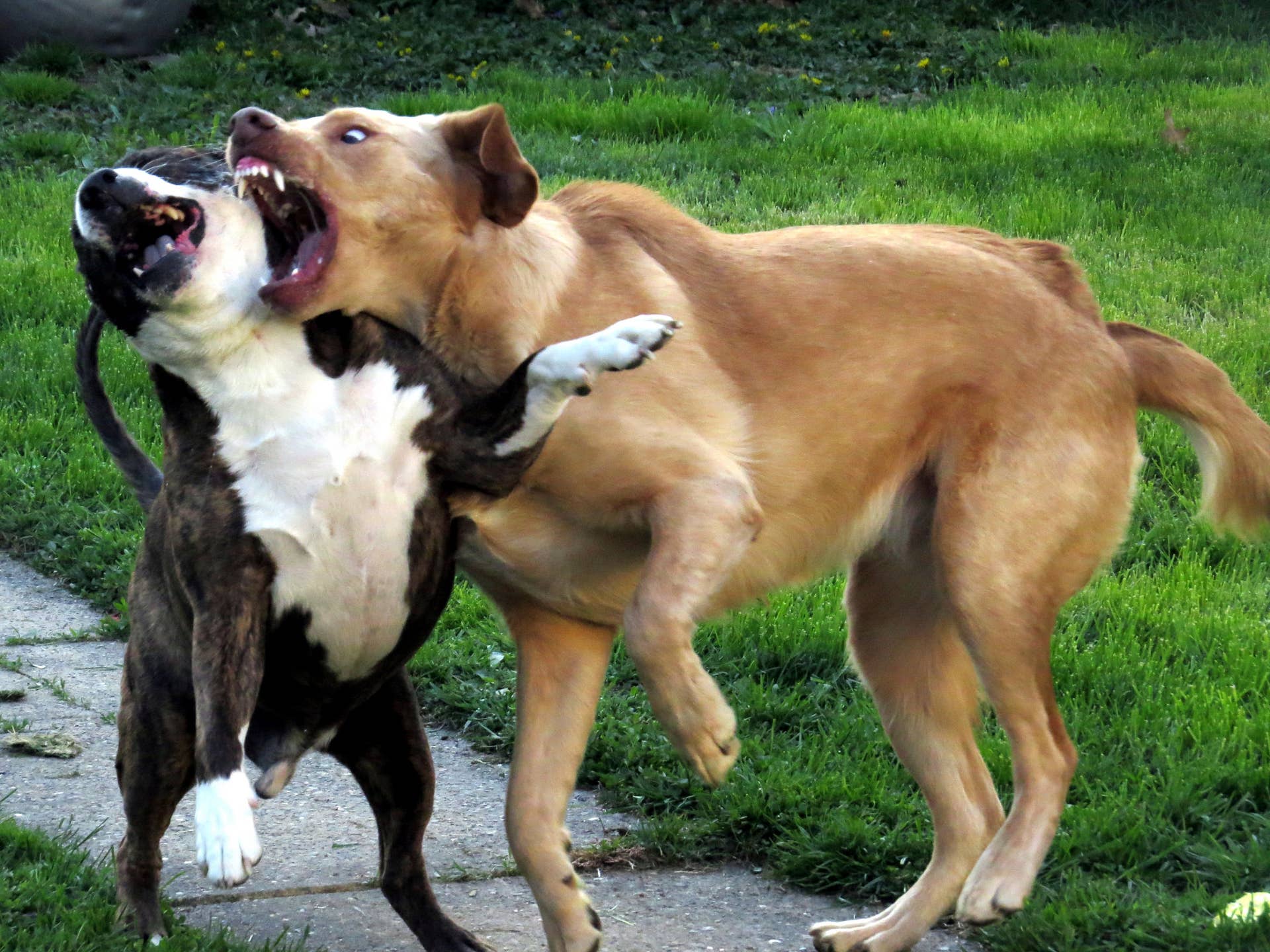
Credit: pethelpful.com
Frequently Asked Questions
Can Muzzles Prevent Dog Fights?
Muzzles can help prevent dog fights by restricting biting. They are effective when combined with proper training. However, muzzles should not be the sole solution. Understanding and addressing the underlying reasons for aggression are crucial. Always consult a professional trainer or behaviorist for guidance.
Are Muzzles Safe For Dogs?
Muzzles are generally safe when used correctly. Ensure the muzzle fits well and allows your dog to pant and drink. Avoid using muzzles for extended periods, and monitor your dog’s comfort. Always introduce the muzzle gradually to reduce stress.
Do Muzzles Make Dogs Aggressive?
Muzzles do not inherently make dogs aggressive. Properly introduced, they can actually calm some dogs. Aggression often stems from fear or anxiety, not from wearing a muzzle. Training and socialization are key to managing aggression effectively.
Can Muzzles Be Used For Training?
Muzzles can be a useful training tool in specific situations. They prevent biting during stressful events like vet visits. Always pair the muzzle with positive reinforcement and gradual acclimation. Consult a professional trainer for tailored advice.
Conclusion
Muzzles can help control dog fights, but they’re not foolproof. Dogs need training and supervision to ensure safety. It’s important to choose the right muzzle type for your dog. Soft muzzles allow for panting and drinking, making them a better choice.
Owners should understand their dog’s behavior to prevent aggression. Regular socialization and positive reinforcement can reduce fighting chances. Muzzles should not replace proper training. Use them as a tool alongside other methods. Always prioritize your dog’s comfort and safety. Responsible ownership is key to peaceful dog interactions.