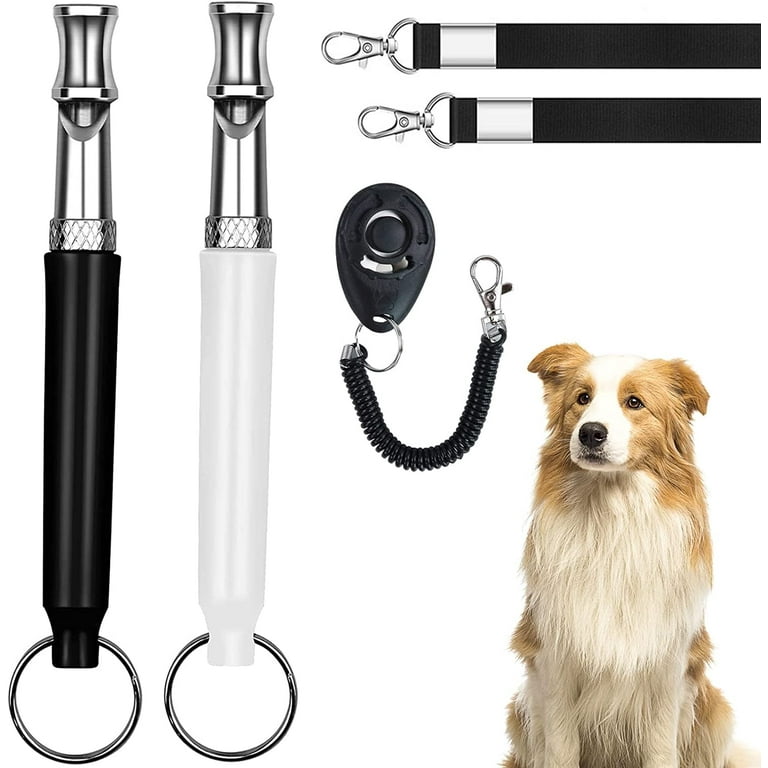
What Does a Dog Whistle Do: Unveiling Its Secrets
Senior Canine Nutritionist & Dog Behavior Specialist at Cozy Dog Go Wellness Lab
Have you ever wondered what magic lies behind the small, seemingly innocuous dog whistle? You might have seen trainers using it with incredible results or heard about it in movies, but what does it really do?
This little device can be a powerful tool in communication with your furry friend, and understanding its potential might just transform the way you interact with your pet. Imagine having the ability to grab your dog’s attention in a crowded park or train them without shouting commands.
It’s not just about the sound; it’s about creating a secret language between you and your dog. Curious to know how it works and why it might be the missing piece in your training toolkit? Let’s dive into the fascinating world of dog whistles and uncover their secrets. Keep reading to discover how this small instrument can make a big difference in your dog’s behavior and your peace of mind.
The Basics Of Dog Whistles
Dog whistles produce sound at frequencies too high for humans to hear but dogs can detect. This tool helps in training by capturing a dog’s attention without disturbing others.
The Basics of Dog Whistles Dog whistles have intrigued pet owners for years. They offer a unique way to communicate with dogs. Unlike regular whistles, dog whistles emit a sound that is often inaudible to humans. This sound can grab a dog’s attention, making them useful tools for training.History Of Dog Whistles
The concept of a dog whistle dates back to the 19th century. Sir Francis Galton, a British scientist, invented the first dog whistle. His design aimed to explore the range of human and animal hearing. Over time, dog whistles became popular among dog trainers. They appreciated the ability to issue commands without disturbing others. These whistles have since evolved, yet their purpose remains the same.How Dog Whistles Work
Dog whistles produce high-frequency sounds. These sounds lie beyond the typical human hearing range. Dogs can hear sounds up to 45,000 Hz, while humans hear up to 20,000 Hz. The high-pitched sound captures a dog’s attention quickly. Trainers use this sound to signal commands. The sound doesn’t harm the dog. Instead, it provides a clear signal. By associating the sound with specific commands, trainers can improve obedience. Dog whistles are helpful in various settings, from busy parks to quiet fields.Benefits Of Using Dog Whistles
Dog whistles are more than just tools to capture a dog’s attention. These handy devices can enhance communication between you and your furry friend, offering numerous benefits. From improving training sessions to helping modify behaviors, dog whistles can be your secret weapon in building a better bond with your pet.
Training Advantages
Imagine having a tool that cuts through distractions and instantly grabs your dog’s attention. That’s what a dog whistle can do. The high-pitched sound is often inaudible to humans but perfectly tuned for a dog’s ears.
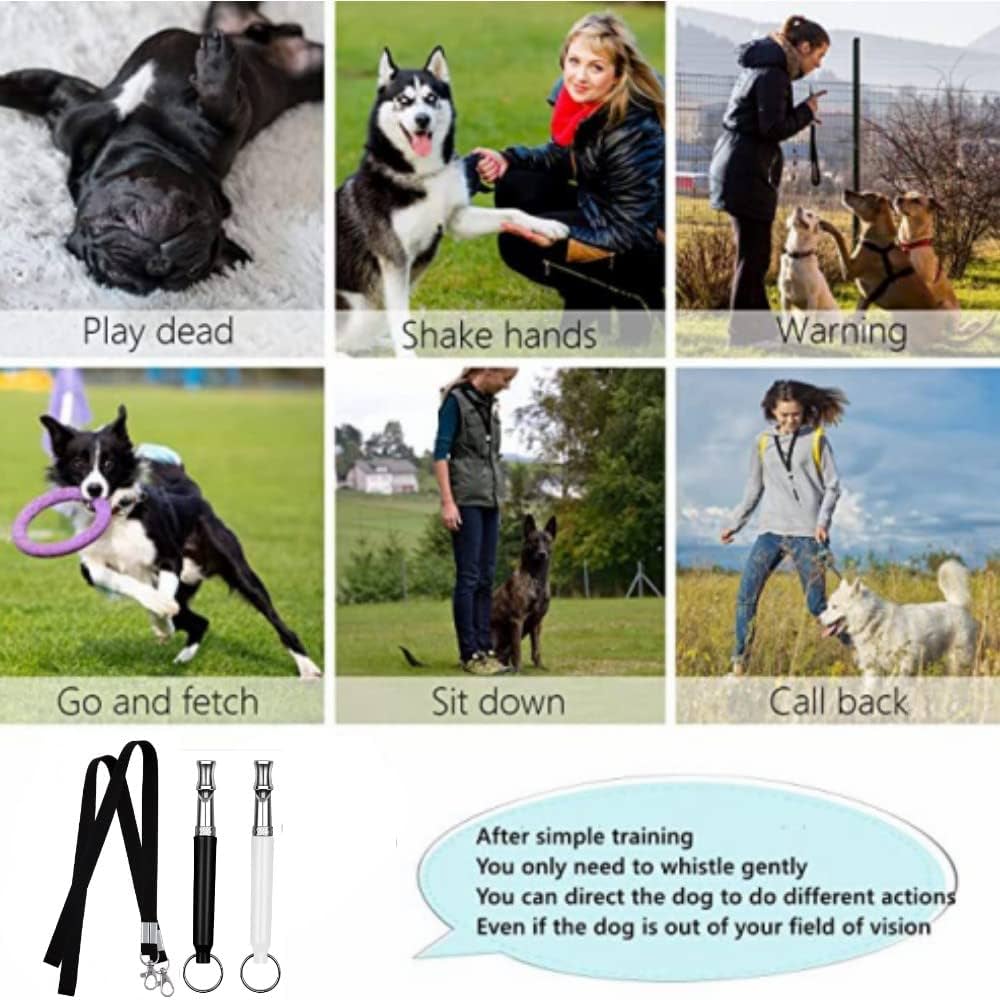
This makes it an excellent choice for training, especially in noisy environments. You can use specific whistle commands for various actions, like recall or sit. Consistency is key, and with a whistle, you can ensure your commands are always clear and precise.
Is your dog struggling with focus during training? A dog whistle can help shift their attention back to you, making sessions more productive and enjoyable.
Behavioral Modification
Dog whistles aren’t just for teaching tricks; they can also be used to modify behavior. If your dog has habits you’d like to change, such as excessive barking or jumping, a whistle can be a game-changer.
By associating the whistle sound with certain behaviors, you can effectively signal when a behavior is unwanted. Over time, your dog will learn to connect the sound with stopping an action, leading to improved behavior.
Have you ever wished for a simple way to curb your dog’s barking? A dog whistle offers a non-invasive solution that can help maintain peace in your home.
Types Of Dog Whistles
Dog whistles are tools that can transform your training experience with your furry friend. But did you know there are different types of dog whistles, each serving a unique purpose? Understanding these variations can help you choose the right one for your dog’s needs. Let’s explore the types of dog whistles available and how they can benefit your canine companion.
Silent Whistles
Silent whistles, often called ultrasonic whistles, emit sound at a frequency inaudible to human ears but easily detectable by dogs. This type of whistle is perfect if you want discretion during training sessions. Imagine walking your dog in a crowded park; a silent whistle can command your pet without disturbing others. These whistles are especially useful for training dogs to respond to specific commands without the interference of ambient noise.
Audible Whistles
Audible whistles produce sounds that both humans and dogs can hear. They are ideal if you want to be fully aware of the signals you’re sending. These whistles are great for group training sessions where you need clear and loud commands. Have you ever tried calling your dog from afar, only to feel your voice drowned out by the wind? An audible whistle ensures your commands reach your dog, regardless of external factors. It offers a straightforward way to communicate, especially during outdoor adventures or in large open spaces.
How To Use A Dog Whistle
Dog whistles are tools that emit a high-pitched sound. This sound is often inaudible to humans. Yet, it effectively captures a dog’s attention. Understanding how to use a dog whistle can enhance training efforts. It strengthens communication with your furry friend. Correct use encourages better behavior and response.
Effective Techniques
Using a dog whistle requires consistency. First, associate the whistle sound with a command. For example, use it when calling your dog. Pair the sound with a reward like a treat. This reinforces positive behavior. Practice in a quiet area free from distractions. Gradually increase the distance as your dog learns. Keep sessions short to maintain interest. Consistency is key for effective training.
Common Mistakes
Avoid using the whistle too often. Overuse can lead to your dog ignoring it. Do not blow the whistle too loudly. It may scare or confuse your pet. Ensure the pitch is comfortable for your dog. Never use the whistle as a punishment. It should always signal positive interactions. Remember, patience is vital for success.
Choosing The Right Dog Whistle
Choosing the right dog whistle can be a game-changer in your training routine. With a variety of options available, selecting the perfect whistle requires understanding your dog’s needs and your training goals. A well-chosen dog whistle can enhance communication and make training sessions more effective.
Material Considerations
Dog whistles come in different materials, each offering unique advantages. Metal whistles are durable and can withstand rough handling, making them a reliable choice for outdoor use. On the other hand, plastic whistles are lightweight and often more affordable, but they may not last as long. Consider how often you’ll use the whistle and the environments you’ll train in. Have you ever dropped a whistle during a hike? A metal one might survive the fall better.
Frequency Options
The frequency of a dog whistle is crucial as it determines how your dog responds. Some whistles have adjustable frequencies, allowing you to tailor the sound to your dog’s hearing range. Others are set to a specific pitch. Dogs have varying sensitivity to different frequencies, so testing a few options can help you find the most effective one. Imagine if your dog ignores high-pitched sounds; a whistle with a lower frequency might catch their attention better.

Credit: www.amazon.com.au
Debunking Myths About Dog Whistles
Dog whistles have intrigued pet owners for years. Many believe they hold magical powers to control dogs. Let’s explore the myths surrounding dog whistles. We’ll separate fact from fiction.
Misconceptions
Some think dog whistles can perform miracles. They believe these whistles train dogs instantly. Others assume they work on all dogs equally. This isn’t true. Dog whistles aren’t a universal remote for canine behavior.
Another common myth is that dog whistles are silent to humans. In reality, some people can hear them. The sound varies depending on the whistle’s frequency. It’s not unheard of for a person to hear a faint sound.
Scientific Insights
Dog whistles produce sound at a high frequency. Dogs have better hearing than humans. They can pick up these sounds easily. This is due to their sensitive ears.
Studies show that dogs respond to high-frequency sounds. It helps in getting their attention. It doesn’t magically train them. Training involves consistency and patience. Dog whistles are just a tool in this process.
Experts say that a dog’s reaction to whistles varies. It’s influenced by the dog’s training and personality. Not every dog will respond the same way. Dog whistles are effective when used correctly.
Real-world Applications
Dog whistles have practical uses beyond just being a toy. These tools serve various purposes that are beneficial to both professionals and pet owners. Let’s explore their real-world applications.
Professional Training
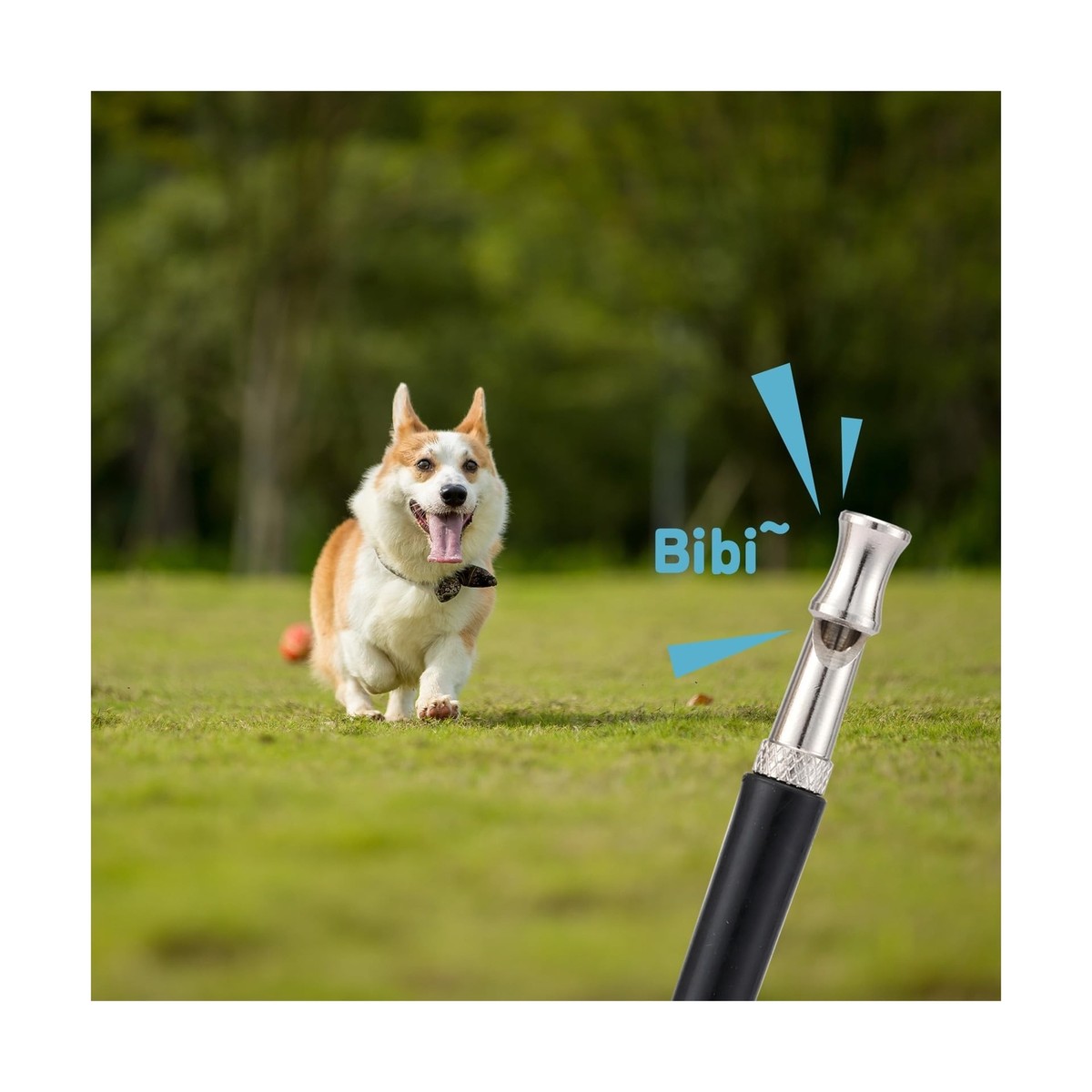
Professional trainers use dog whistles for controlled commands. The high-pitched sound grabs a dog’s attention without disturbing others. It helps in training dogs for obedience, agility, and herding tasks. The consistency of the whistle’s sound is crucial. It ensures that dogs understand commands clearly. Trainers can signal dogs from a distance, making it efficient for outdoor activities. This method is effective in large open spaces.
Everyday Use
For everyday pet owners, dog whistles offer convenience. They can signal dogs to come back during walks. This is helpful in parks or crowded areas. The whistle can also stop unwanted behavior. For instance, excessive barking. It helps maintain peace in neighborhoods. Moreover, the whistle is discreet. It doesn’t disturb people around, making it suitable for apartment living. Using a dog whistle can enhance daily interactions with pets. It builds a stronger bond through consistent communication.
Credit: carrelighting.com

Credit: www.amazon.com
Frequently Asked Questions
How Does A Dog Whistle Work?
A dog whistle emits a high-frequency sound that dogs can hear but humans can’t. It’s used for training and communication. The sound grabs a dog’s attention without causing them stress. Trainers often use it to teach commands or correct behavior in a non-intrusive way.
Can All Dogs Hear A Dog Whistle?
Most dogs can hear the high-pitched frequency of a dog whistle. Their hearing range is wider than humans’. However, some dogs with hearing impairments might not respond. The effectiveness can also vary based on the dog’s breed, age, and individual sensitivity to sound.
Is A Dog Whistle Harmful To Dogs?
A dog whistle is generally safe and non-harmful when used correctly. It should be used sparingly to avoid overwhelming the dog. The sound is designed to be a training aid, not a punishment. Always ensure that the whistle’s frequency is comfortable for the dog.
What Are The Uses Of A Dog Whistle?
Dog whistles are primarily used for training and behavior modification. They can signal commands like sit, stay, or come. They’re also useful in recall training, especially in noisy environments. Professional trainers often use them for obedience training and to correct undesirable behaviors.
Conclusion
Dog whistles offer unique benefits for training your furry friend. They communicate commands without shouting or disturbing others. Whistles are especially useful for distance training. Dogs respond well to the consistent sound they produce. This tool helps build a strong bond between you and your pet.
Consistent use can improve obedience and behavior. Always remember to pair whistle commands with positive reinforcement. This ensures your dog enjoys the training process. With patience and practice, dog whistles can be an effective training tool. A simple, yet efficient way to communicate with your canine companion.

Similar Posts