Are Dog Whistles Bad: Unveiling the Hidden Risks
Senior Canine Nutritionist & Dog Behavior Specialist at Cozy Dog Go Wellness Lab

Have you ever wondered about the effects of dog whistles on your furry friend? As a pet owner, you want to ensure that every tool and technique you use is safe and beneficial for your dog.
Dog whistles have been around for ages, touted for their ability to capture a dog’s attention without disturbing humans. But are they really as harmless as they seem? Understanding how dog whistles work and their potential impact on your pet can make all the difference in your training approach.
Before you reach for that tiny whistle, let’s explore whether it might be more harmful than helpful. Keep reading to uncover the truth about dog whistles and how they could affect your beloved companion.
Understanding Dog Whistles
Dog whistles aren’t inherently bad. They can be helpful tools for training dogs. Misuse, however, may cause discomfort or stress for sensitive dogs. Proper use ensures positive communication and maintains your dog’s well-being.
Understanding dog whistles involves more than just hearing a sound. These tools serve specific purposes in training and controlling dogs. While some see them as helpful, others question their effects. Let’s delve deeper into what they are and how they work.Definition And Function
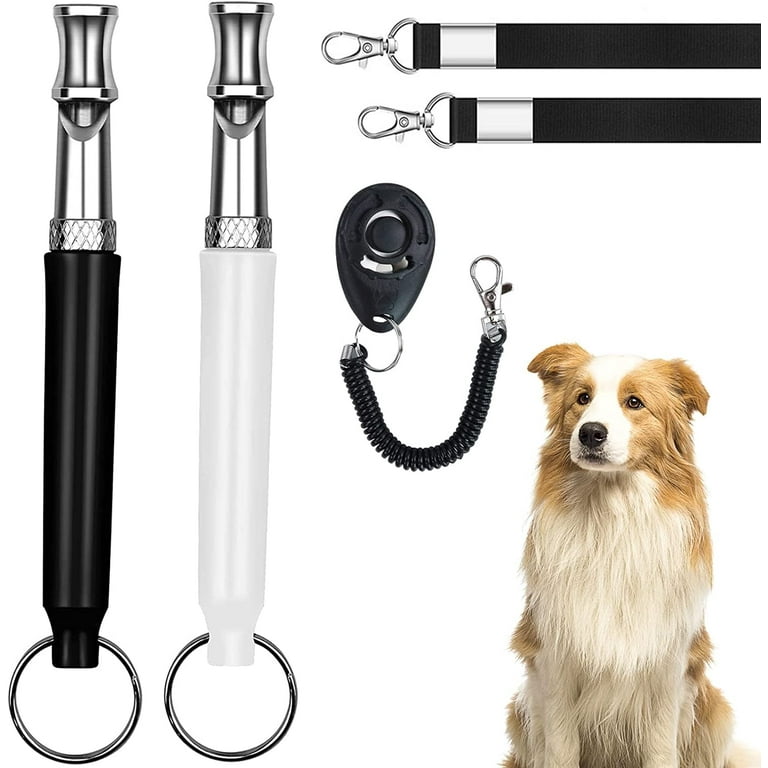
Dog whistles are tools for communication between humans and dogs. They emit high-pitched sounds, often inaudible to humans. These sounds grab a dog’s attention, making them useful for training. The whistle can signal commands or corrections without shouting. This can strengthen the bond between dog and owner.Types Of Dog Whistles
Dog whistles come in various forms.- Silent Whistles: Only dogs can hear them. Ideal for private communication.
- Adjustable Whistles: These let you change the pitch. Perfect for finding what best suits your dog.
- Pea Whistles: They have a small ball inside. Useful for creating different sound patterns.
Historical Context
Dog whistles have a fascinating historical context that dates back centuries. Understanding their origin and evolution can offer insight into their contemporary usage and potential drawbacks. Let’s explore how these seemingly simple tools have transitioned over time.
Origin And Usage
The dog whistle, initially invented in the 19th century, was crafted by Francis Galton. It was a tool designed to be inaudible to human ears yet perfectly audible to dogs, thanks to their acute hearing. Originally, it served as a training aid, allowing handlers to communicate effectively without the noise of human voices. Imagine using a tool that lets you guide your dog silently across a bustling park.
Dog handlers soon realized its potential beyond training. The whistle became a symbol of advanced canine communication, used in various settings from hunting expeditions to competitive dog shows. Its ability to send precise signals without disturbing the environment was revolutionary. Have you ever wondered how your commands can reach your dog amidst distractions?
Evolution Over Time
As time progressed, the dog whistle began to represent more than just a training device. Its concept was adopted metaphorically in political and social contexts, referring to coded language meant to convey specific messages to a particular audience. This evolution sparked debates about its ethical implications.
In modern times, the dog whistle’s use has expanded into realms of behavioral studies. Researchers investigate its effects on dog psychology, questioning whether its high-pitched sound could be stressful. This raises concerns about whether traditional training methods are always beneficial. Have you considered how your training tools impact your dog’s well-being?
The historical journey of dog whistles reflects a broader narrative of communication tools adapting to societal needs. While their original purpose served a practical function, their evolution invites contemplation on responsible usage. As a dog owner or enthusiast, understanding this context can guide your choices in training methods.
Potential Risks
Dog whistles have become popular tools for training. They emit a sound that humans cannot hear but dogs can. Though they seem harmless, dog whistles may have risks. Understanding these potential risks is vital for responsible pet ownership.
Impact On Dogs
Dog whistles can affect dogs in unexpected ways. The high-pitched sound might be uncomfortable. Some dogs may experience stress or anxiety. Their ears are sensitive, and loud sounds can be disturbing. Dogs may not respond positively to the whistle’s tone. This can lead to confusion or fear.
Behavioral Concerns
Using a dog whistle can sometimes lead to behavioral issues. Dogs might associate the whistle with negative experiences. This can cause them to become wary or aggressive. Training with a whistle requires consistency. Without it, dogs can become disobedient. They may ignore commands if they don’t understand the whistle’s purpose.
Psychological Effects
Dog whistles can cause stress in dogs, leading to anxiety and confusion. The high-pitched sound may disrupt their natural behavior and communication.
Understanding the psychological effects of dog whistles is crucial for any responsible pet owner. While these tools might seem harmless, they can have profound impacts on your dog’s mental health. Let’s explore how stress and anxiety, as well as long-term consequences, can affect your furry friend.Stress And Anxiety
Using a dog whistle can inadvertently cause stress and anxiety in your pet. Dogs have incredibly sensitive hearing, and the high-pitched sound of a whistle can be overwhelming. Imagine being in a room with a constant, loud noise; it would drive you crazy, right? Some dogs might react by becoming more anxious or displaying signs of stress, such as pacing or excessive barking. You may notice your dog seems on edge or overly alert. These are signs that the whistle might be causing more harm than good.Long-term Consequences
The long-term consequences of using a dog whistle improperly can be significant. Over time, repeated exposure to the unpleasant sound might lead to behavioral issues. You could find your dog becoming more withdrawn or less responsive to your commands. There’s also the risk of damaging the bond you share with your dog. If your pet associates you with discomfort or fear, their trust in you may diminish. Consider whether the short-term gains of using a whistle are worth the potential long-term impacts on your dog’s well-being. Think about your own experiences with loud or irritating sounds. How do they make you feel? Reflecting on this can help you empathize with your dog and make more informed choices about their care.Alternatives To Dog Whistles
Dog whistles have been a common tool for training pets. But they might not suit every dog. Some dogs find the high-pitched sound uncomfortable or even distressing. Thankfully, there are other methods to train your furry friend. Here are some effective alternatives to dog whistles.
Sound-based Solutions
Sound-based training tools can be gentle and effective. Consider clickers or bells. A clicker produces a consistent sound that captures a dog’s attention. It’s a small, handheld device. Each time your dog performs a desired action, click the device. This creates a clear connection between action and reward. Bells can also be a useful tool. Attach them to doors or use them as cues. These are less intrusive and less likely to cause distress.
Positive Reinforcement Techniques
Positive reinforcement is a powerful training method. It involves rewarding good behavior to encourage its repetition. Use treats, praise, or playtime as rewards. Always offer a reward immediately after the desired behavior. This strengthens the association for your dog. Consistency is key in positive reinforcement. Set clear commands and stick to them.
Patience and practice are crucial. Dogs learn at different paces. Stay patient and keep the training sessions short. This ensures your dog remains engaged and willing to learn.
Credit: www.facebook.com
Expert Opinions
Dog whistles are a topic of debate among pet owners. Some believe they are useful tools, while others worry about potential harm. To get a clear understanding, we consulted experts. Their insights reveal varied perspectives on dog whistles.
Veterinary Perspectives
Veterinarians focus on the health and well-being of pets. Many have concerns about the impact of dog whistles. They emphasize that dogs have sensitive hearing. A whistle may cause discomfort or stress. Short-term exposure might be harmless, but long-term use raises worries. Veterinarians advise monitoring your dog’s reaction. If a dog appears anxious or distressed, consider alternative methods.
Animal Behaviorists’ Insights
Animal behaviorists study how animals interact with their environment. They offer unique insights into dog whistles. Behaviorists suggest that whistles can be effective training tools. They can grab a dog’s attention quickly. Yet, they also note potential drawbacks. Overuse might lead to desensitization. Dogs could ignore the whistle over time. Behaviorists recommend using whistles sparingly. Pairing them with positive reinforcement ensures better results.
Guidelines For Safe Use
Dog whistles are generally safe when used properly. They should not cause harm to your dog’s ears. Proper training and correct usage can ensure your pet responds well to the whistle.
Dog whistles can be a helpful tool for training. But using them safely is crucial. Understanding guidelines ensures positive outcomes and prevents harm. Proper training methods and careful monitoring are key. Let’s explore these aspects in detail.Proper Training Methods
Introduce the whistle gradually to your dog. Start with short sessions. Pair the whistle with commands they already know. Reward them with treats or affection. This builds a positive association with the sound. Consistency in training is vital. Stick to the same whistle signals for specific commands. Avoid confusing your dog with mixed signals.Monitoring And Adjustments
Observe your dog’s reaction to the whistle. Watch for signs of stress or discomfort. If they seem anxious, reduce the frequency of use. Adjust the tone and volume if needed. Every dog is different. What works for one may not work for another. Be patient and adaptable in your approach. Consistency and observation are your best tools. Make sure the whistle enhances communication, not creates fear.
Credit: www.dogster.com

Credit: www.scottphotographycompany.com
Frequently Asked Questions
Can Dog Whistles Harm Dogs?
Dog whistles are generally safe for dogs when used correctly. They emit a sound at a frequency that is usually inaudible to humans but can be heard by dogs. It’s crucial to ensure the whistle’s pitch is not too high, as prolonged exposure could potentially stress or irritate your pet.
Are Dog Whistles Effective For Training?
Yes, dog whistles can be effective training tools. They help in capturing a dog’s attention without disturbing humans. The consistent sound can aid in teaching commands. It’s important to pair whistle sounds with positive reinforcement to enhance training effectiveness and ensure your dog responds positively.
Do All Dogs React To Dog Whistles?
Not all dogs respond to dog whistles the same way. Some may be more sensitive to the sound, while others might not react at all. Factors like age, hearing ability, and previous training influence their response. It’s important to test the whistle and observe your dog’s reaction before using it regularly.
How Do Dog Whistles Work?
Dog whistles emit a high-frequency sound that is audible to dogs but not humans. These frequencies range between 16,000 and 22,000 Hz. Dogs are able to hear these sounds due to their acute hearing abilities. This unique feature makes dog whistles effective for training and recall purposes.
Conclusion
Deciding if dog whistles are harmful depends on their use. Some believe they are safe, while others see potential harm. Training with dog whistles requires care and understanding. Misuse can confuse or stress dogs. Always prioritize your pet’s well-being. Observe their reactions.
Consult a professional trainer for guidance. Each dog is unique. What works for one may not suit another. Safety and comfort should be your priority. Ensure your dog’s training is positive. This way, you build trust and communication. Remember, a happy pet means a happy home.

Similar Posts