How to Measure Dog Muzzle Size: Expert Tips & Guide
Senior Canine Nutritionist & Dog Behavior Specialist at Cozy Dog Go Wellness Lab
Have you ever found yourself in a tricky situation where choosing the right muzzle for your furry friend feels overwhelming? You’re not alone.
Ensuring your dog’s muzzle fits properly is crucial for their comfort and safety. Imagine the peace of mind you’ll feel knowing your dog is comfortable while also keeping them and others safe. In this guide, we’ll walk you through the simple steps to accurately measure your dog’s muzzle size.
By the end, you’ll be equipped with the knowledge to select the perfect fit, making walks and visits to the vet stress-free. Let’s dive into the essentials and ensure your beloved pet’s needs are met effortlessly.
Choosing The Right Muzzle Type
Choosing the right muzzle type for your dog ensures comfort and safety. Different muzzles serve various purposes and suit distinct needs. Understanding these options helps you make an informed decision. Let’s explore the common types of muzzles available.
Basket Muzzles
Basket muzzles are sturdy and allow dogs to pant freely. They are often made of plastic, metal, or leather. These muzzles provide enough space for your dog to drink water. They’re ideal for dogs who need to wear a muzzle for long periods. The open design offers better ventilation. It’s crucial for dogs who overheat easily. Basket muzzles are also great for training and socialization. They prevent biting but allow normal breathing.
Soft Muzzles
Soft muzzles are typically made from fabric or mesh materials. They are lightweight and easy to put on your dog. These muzzles fit snugly around your dog’s snout. They’re suitable for short-term use like grooming or vet visits. Soft muzzles limit mouth movement more than basket muzzles. Ensure they are not too tight to avoid discomfort. They are not ideal for long walks or hot weather. Ensure your dog can still pant and breathe easily.
Credit: www.etsy.com
Understanding Dog Muzzle Size
Understanding your dog’s muzzle size is crucial for ensuring their comfort and safety, especially when you need to use a muzzle for walks or vet visits. This knowledge not only helps you choose the right size but also aids in recognizing how your dog’s breed and individual characteristics affect their muzzle fit. So, how do you measure your dog’s muzzle size accurately?
Breed Considerations
Each dog breed has unique facial structures that can influence muzzle sizing. For example, a Greyhound’s long, narrow nose requires a different muzzle style compared to a Bulldog’s short, broad snout. Understanding these differences is essential.
Researching your dog’s breed can provide insights into the typical muzzle size they may require. Breed-specific websites or forums can be helpful resources. It’s also a good idea to consult with your vet or a pet store expert for tailored advice.
Have you noticed how some breeds have more pronounced jaws or wider cheekbones? These factors can significantly impact the fit and comfort of a muzzle. Don’t just rely on generic size charts; consider breed-specific traits.
Individual Variations
Even within a breed, individual dogs can vary greatly in size and shape. Take two Labradors, for example: one might have a slightly longer muzzle, while the other has a more rounded face. This individuality means a one-size-fits-all approach rarely works.
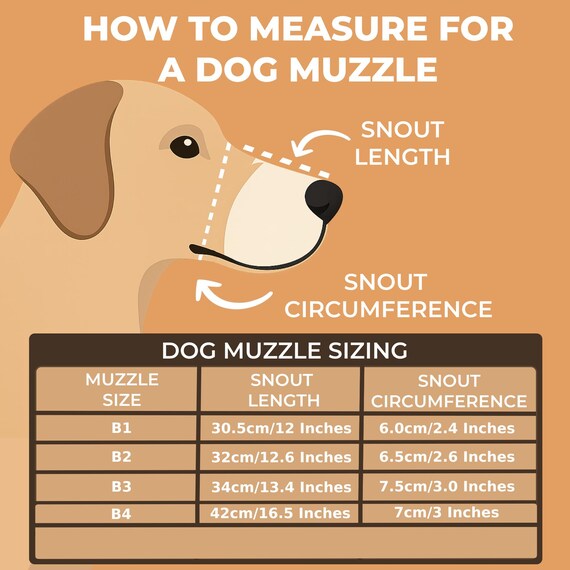
To measure your dog’s muzzle size accurately, use a flexible tape measure. Measure the length from the tip of the nose to the base of the muzzle. Then, measure the circumference around the widest part of the muzzle. These two measurements will help you find a snug yet comfortable fit.
Consider your dog’s personality and behavior. Is your dog prone to pulling or chewing? These habits may influence the durability and style of the muzzle you choose. Always prioritize comfort and practicality.
Tools Needed For Measurement
To measure your dog’s muzzle size, you’ll need a few tools. These help you get accurate measurements. You can use a tape measure or a string. Both are easy to use and give correct results.
Tape Measure
A tape measure is handy for precise measurements. It’s flexible and easily wraps around your dog’s muzzle. Choose a soft tape measure for comfort. Start by measuring the length. Place the tape measure at the tip of the nose. Extend it to the base of the muzzle, near the eyes. Record the measurement. Next, measure the circumference. Wrap the tape measure around the widest part of the muzzle. Ensure it’s snug, but not tight. Write down the circumference measurement. These two numbers help you find the right muzzle size.
String Method
Using a string is another simple method. It’s useful if you don’t have a tape measure. First, take a piece of string. Measure the length from the nose tip to the muzzle base. Mark the spot on the string. Use a ruler to measure the marked length. Then, measure the circumference. Wrap the string around the broadest part of the muzzle. Mark the spot again. Use the ruler to find the circumference measurement. This method is effective and easy. It ensures you have the correct size for your dog’s muzzle.
Step-by-step Measurement Process
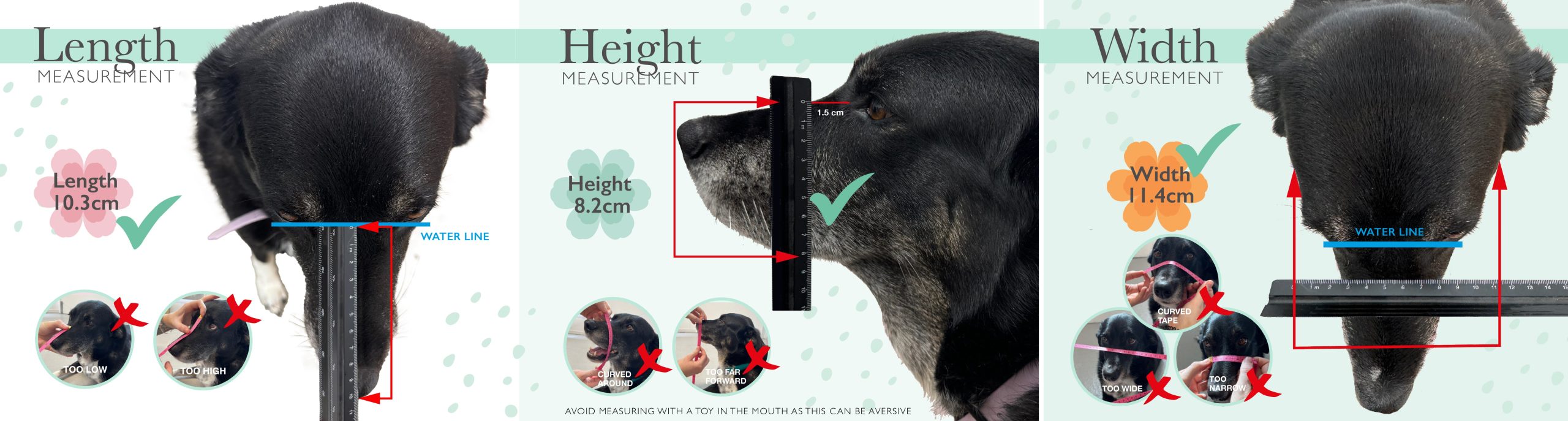
Accurately measure your dog’s muzzle by using a soft measuring tape. Place it around the middle of your dog’s nose and under the chin. Ensure a snug fit, but not too tight, for comfort.
Measuring your dog’s muzzle size accurately is crucial for ensuring a comfortable fit for muzzles, masks, or other accessories. A well-fitted muzzle not only provides security but also ensures your pet’s comfort and safety. Let’s dive into the step-by-step measurement process that will help you gather the right dimensions effortlessly.Preparing Your Dog
Before you begin measuring, it’s essential to get your dog calm and comfortable. Use treats to create a positive association with the measuring process. You might want to involve a second person to help hold your dog still. Choose a time when your dog is relaxed, perhaps after a walk or playtime. This ensures they are less fidgety and more cooperative. Remember, patience is key. If your dog seems stressed, take a break and try again later.Measuring Circumference
The muzzle’s circumference is the most critical measurement. To measure, use a soft measuring tape or a piece of string that you can later measure against a ruler. Wrap the tape around the thickest part of your dog’s snout, just below the eyes. Ensure it’s snug but not tight, allowing a finger’s width between the tape and the snout. Take note of the measurement and double-check for accuracy.Measuring Length
Next, measure the length from the tip of your dog’s nose to the base of their snout, just before the eyes. This will ensure the muzzle isn’t too long or too short. Hold the tape firmly to get an accurate measurement, as a loose tape might lead to errors. A precise length measurement ensures that the muzzle provides adequate coverage without restricting movement. By following these steps, you’ll be well on your way to finding the perfect fit for your dog’s muzzle. Have you ever tried measuring your pet’s muzzle before? What challenges did you face, and how did you overcome them?Common Mistakes To Avoid
Measuring a dog’s muzzle size seems straightforward. Yet, common mistakes can lead to discomfort for your pet. Understanding these errors helps ensure you choose the right fit. Let’s dive into some pitfalls to watch out for.
Incorrect Positioning
Positioning the measuring tape wrong affects the accuracy. The tape should start at the tip of the nose. Make sure it wraps snugly around the muzzle. Avoid placing it too close to the eyes. Incorrect positioning can lead to a poorly fitting muzzle.
Ignoring Comfort
Comfort is crucial when measuring muzzle size. A tight fit can cause distress. Leave enough space for natural movement. Your dog should be able to pant and drink water. Ignoring comfort can result in an unhappy pet.

Credit: www.muzzletrainingandtips.com.au
Adjusting The Muzzle Fit
Ensure the muzzle fits properly by measuring the dog’s snout. Use a soft measuring tape for accuracy. This helps prevent discomfort and ensures safety.
Adjusting a dog muzzle properly ensures comfort and safety for your pet. A well-fitted muzzle helps your dog feel at ease. If the fit is poor, it may cause discomfort or even harm. Follow these steps to adjust the muzzle fit correctly. Your dog’s well-being depends on it.Ensuring Comfort
Comfort is crucial for your dog’s happiness while wearing a muzzle. Check the muzzle’s padding. Soft padding prevents chafing and irritation. Ensure there is enough space for your dog to pant and breathe. A snug fit is essential, but it should not be too tight. Allow your dog to drink water while wearing it. Test the muzzle by letting your dog wear it for short periods. Gradually increase the duration as your dog becomes accustomed.Safety Precautions
Safety must always come first. Regularly inspect the muzzle for wear and tear. A damaged muzzle can break and cause harm. Secure all straps properly to prevent slipping. Ensure the muzzle does not obstruct your dog’s vision. Supervise your dog while wearing the muzzle, especially in new environments. Never use the muzzle as a punishment tool. It should be a positive experience for your dog.When To Consult A Professional
Consult a professional if unsure about how to measure your dog’s muzzle size accurately. Experts can offer guidance on selecting the right fit for comfort and safety. Proper measurements prevent any discomfort and ensure the muzzle serves its purpose effectively.
When selecting a dog muzzle, ensuring the right fit is crucial. A poorly fitted muzzle can cause discomfort or even harm. Sometimes, it’s best to seek expert advice. Consulting a professional can provide peace of mind and ensure the safety of your pet. Professionals can offer guidance based on experience and expertise.Signs Of Poor Fit
A muzzle that fits poorly can lead to issues. Look for red marks or sores on the dog’s face. If the muzzle is too tight, it can restrict breathing. A loose muzzle might fall off easily. Both scenarios can cause stress to the dog. Checking for these signs ensures your pet’s comfort.Behavioral Issues
Muzzles that don’t fit well can affect a dog’s behavior. A stressed dog might become anxious or aggressive. Dogs may paw excessively at their muzzle. This can indicate discomfort or distress. Consulting a professional can help address these issues. They can assess the fit and suggest alternatives if necessary.Benefits Of Proper Muzzle Sizing
Proper muzzle sizing ensures comfort and safety for your dog. It reduces stress and prevents potential injuries. Accurate measurements help in choosing the right fit, promoting positive behavior.
Proper muzzle sizing ensures comfort and safety for your dog. It prevents irritation and allows better control during walks or visits to the vet. A well-fitted muzzle is crucial for your dog’s overall well-being. It also helps in training and social situations. Understanding the benefits of proper muzzle sizing can make a difference in your dog’s life.Safety For Your Dog
A properly sized muzzle keeps your dog safe. It prevents biting and snapping during stressful situations. This is important for dogs that feel anxious around strangers. The right fit allows your dog to pant and breathe easily. This ensures they stay comfortable and calm. A secure muzzle also prevents them from eating harmful substances.Ease Of Use
A well-sized muzzle is easy to put on and take off. It fits comfortably, which means less struggle during use. This makes it simpler for you to manage your dog in public places. The right size ensures a snug fit without being too tight. This ease of use means less stress for both you and your dog. A good fit also means fewer adjustments and less hassle.
Credit: www.rexspecs.com
Frequently Asked Questions
How Do I Measure My Dog’s Muzzle Size?
To measure your dog’s muzzle, use a flexible tape measure. Start at the base of the nose and wrap it around the muzzle. Ensure it’s snug but not tight. Note the circumference and length to find the correct size. This will help you select the right muzzle fit.
What Tools Do I Need To Measure A Muzzle?
To measure a dog’s muzzle, you need a flexible tape measure. A soft measuring tape is best for accuracy. Ensure it’s long enough to wrap around your dog’s muzzle and nose. This tool will help you get the precise measurements needed for a comfortable fit.
Why Is Accurate Muzzle Measurement Important?
Accurate muzzle measurements ensure a proper fit, enhancing comfort and safety. A well-fitted muzzle prevents slipping or chafing. It also ensures your dog can pant and drink water. Proper measurement is crucial for selecting the right size and style for your dog’s needs.
Can I Use A String To Measure The Muzzle?
Yes, you can use a string to measure the muzzle. Wrap the string around your dog’s muzzle, then lay it flat against a ruler. This method helps if you don’t have a tape measure. Ensure the string is snug, not tight, for accurate measurements.
Conclusion
Measuring your dog’s muzzle size is simple. Start by measuring the length. Use a flexible tape. Measure from the tip of the nose to the base. Next, measure the circumference. Wrap the tape around the widest part. These measurements help find the right muzzle.
A well-fitted muzzle ensures safety and comfort. Always double-check measurements before buying. Remember, a good fit prevents slipping. It also avoids discomfort for your dog. Choose the right material for your dog’s needs. Properly sized muzzles protect your dog. They also make walks and visits stress-free.
Keep your dog happy and safe with the right muzzle fit.

Similar Posts