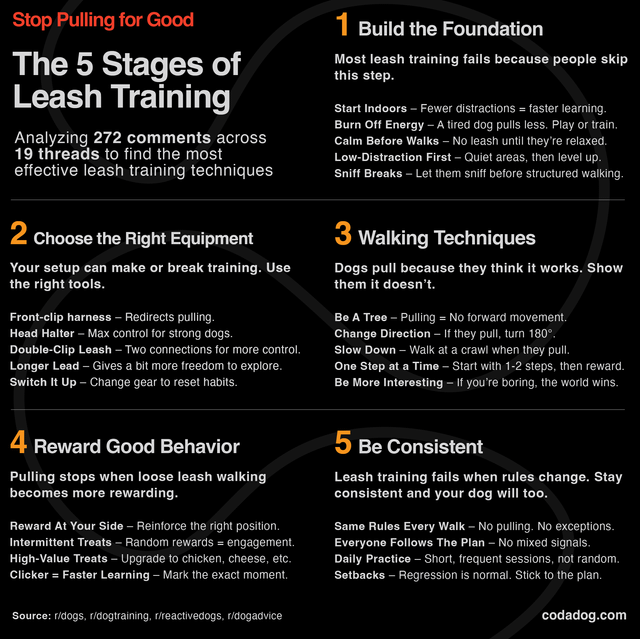
Imagine taking a peaceful stroll with your dog, where every step feels harmonious and stress-free. No more yanking or tugging on the lead, just you and your furry friend enjoying the moment.
Sounds perfect, right? But if you’re currently struggling with a dog that pulls on the lead, this might feel like a distant dream. The good news is, this dream is entirely achievable, and it’s easier than you might think. You’ll discover practical, tried-and-tested techniques that will teach your dog to walk calmly by your side.
You’ll learn how to transform those walks from chaotic to calming, making it a pleasure for both you and your dog. Ready to unlock the secrets to a happier walk? Keep reading, because you’re about to find out how simple changes can lead to big results.
Choosing The Right Equipment
Choosing the right equipment for training your dog not to pull on the lead is crucial. The correct tools can make all the difference between a pleasant walk and a frustrating tug-of-war. Consider your options carefully to find the best fit for you and your furry companion.
Harness Vs. Collar
When deciding between a harness and a collar, think about comfort and control. A harness often provides better control, distributing pressure evenly across your dog’s body. This is particularly helpful for strong pullers or breeds prone to throat issues.
Collars, on the other hand, can be useful for dogs that don’t pull much. They are easy to put on and can be more comfortable for some dogs. However, if your dog pulls excessively, a collar might cause discomfort or even injury.
Consider trying both to see which your dog responds to better. Observe your dog’s behavior and comfort level to make the best choice.
Selecting A Suitable Leash
The leash you choose can influence your training success. A standard leash, typically 4 to 6 feet long, offers enough control without too much slack. This length is ideal for training as it keeps your dog close while providing some freedom.
Retractable leashes may seem convenient, but they often encourage pulling. They allow too much freedom, making it harder to maintain control during training sessions. Opt for a fixed-length leash to keep your dog focused and discourage pulling.
Material matters too. Nylon is durable and easy to clean, while leather offers a comfortable grip and durability. Choose a leash that feels comfortable in your hand and suits your lifestyle.
Have you ever considered the impact of the equipment on your dog’s behavior? The right choice could transform your walks into peaceful bonding experiences.

Credit: rvgas.pe
Understanding Dog Behavior
Teaching your dog not to pull on the lead enhances your walks together. Start with a consistent routine, rewarding calm behavior. Using positive reinforcement encourages your dog to stay close, making walks enjoyable.
Understanding dog behavior is key to training your dog. Dogs pull on their lead for various reasons. By understanding these, you can train them effectively. Different dogs have unique personalities, so it’s important to consider this when training. Observing your dog’s actions can help you understand their needs. Let’s dive into the reasons why dogs pull and how to recognize stress signals.Why Dogs Pull
Dogs often pull because they are excited. New surroundings spark their curiosity. They want to explore and sniff everything. Sometimes, they pull to chase something interesting. Other times, they pull because they want to lead the way. Puppies pull more than older dogs due to their playful nature. If your dog has high energy, pulling can be a way to release it.Recognizing Stress Signals
Stress signals are crucial to understanding your dog. Look for signs like excessive panting. Watch for drooling when it’s not hot. Tail tucked between legs shows discomfort. Raised hackles mean your dog is tense. If your dog avoids eye contact, it might be stressed. Pacing back and forth signals anxiety. Recognizing these signs helps in calming your dog. It’s vital to address stress before training.Positive Reinforcement Techniques
Training your dog not to pull on the lead can be achieved through positive reinforcement techniques. Reward your dog with treats or praise when they walk calmly beside you. Consistent reinforcement encourages good behavior and strengthens the bond between you and your furry friend.
Positive reinforcement techniques help train your dog gently and effectively. This method encourages good behavior by rewarding desired actions. It builds a strong bond between you and your dog. A happy dog learns faster and feels confident. Let’s explore some positive reinforcement techniques.Reward-based Training
Reward-based training focuses on positive feedback. Praise your dog for good behavior. Use rewards like treats or playtime. This method makes learning fun. Your dog associates good behavior with positive outcomes. It encourages them to repeat the behavior. Be consistent with your rewards. This helps your dog understand what you expect.Using Treats Effectively
Treats can motivate your dog. Choose small, tasty treats they love. Keep treats handy during walks. Reward your dog immediately after good behavior. This reinforces the connection between action and reward. Avoid overfeeding with treats. Balance treats with your dog’s regular diet. Gradually reduce treats as behavior improves. Replace treats with praise or affection over time.Consistency In Training
Training a dog not to pull on the lead requires consistent practice. Set aside time daily for walks. Reward calm behavior to reinforce good habits.
Consistency is key when training your dog not to pull on the lead. Just like humans, dogs thrive on routine and repetition. The success of your training efforts hinges on being patient and consistent with your commands and actions. Every walk is an opportunity to reinforce positive behavior.Establishing A Routine
Creating a routine helps your dog understand what is expected during walks. Start each walk with a calm demeanor. Dogs pick up on your energy, so if you’re relaxed, they’re more likely to be too. Set specific times for walks to build a predictable schedule. This consistency helps your dog know when to expect exercise and focus. Use the same commands and signals every time. If you say “heel” to stop pulling, make sure everyone uses that word. Consistency in language helps your dog learn faster.Involving Family Members
Involving family members in training ensures everyone is on the same page. If your dog receives mixed signals from different people, they may become confused. Hold a family meeting to discuss training goals and methods. Make sure everyone understands the importance of consistency and agrees on the commands to use. Assign roles if needed. Perhaps one person leads the training while another reinforces commands during walks. This teamwork can accelerate your dog’s learning process. Have you ever noticed how quickly dogs pick up on patterns? By working together, your family can create a seamless training experience that benefits everyone.Practicing Loose Leash Walking
Training your dog to walk without pulling is key for enjoyable walks. Practicing loose leash walking helps your dog understand the pace and direction. It builds trust and a better bond between you and your pet. Let’s explore some effective techniques for this training.
Using Stop-and-go Method
This method teaches your dog that pulling halts progress. Start by walking with your dog on a short leash. Once the dog pulls, stop immediately. Wait until the leash is loose before continuing. Repeat this process consistently. Your dog learns that pulling leads nowhere.
Use treats to reward good behavior. Praise your dog when the leash is relaxed. This positive reinforcement encourages your dog to maintain the behavior. Over time, your dog understands walking calmly gets them further.
Implementing Turnabouts
Turnabouts teach dogs to pay attention to you during walks. Begin by walking in a straight line with your dog. When your dog pulls ahead, make a quick turn in the opposite direction. This change catches your dog’s attention.
Repeat the process until your dog starts focusing on your moves. Use verbal cues like “let’s go” to guide your dog. Offer rewards when your dog follows your lead. Turnabouts help your dog stay attentive and prevent pulling.

Credit: www.amazon.com
Avoiding Common Mistakes
Teaching your dog not to pull on the lead requires patience and consistent training. Reward calm walking behavior with treats or praise. Gradually increase distractions to strengthen lead walking skills.
Avoiding common mistakes is crucial when training your dog not to pull on the lead. You might find yourself frustrated by slow progress or even setbacks. By understanding and avoiding these common pitfalls, you can create a smoother and more effective training process for both you and your furry friend.Inconsistent Commands
Consistency is key in dog training. If you switch between commands, your dog may become confused. Stick to a single command like “heel” or “easy” to guide them. Mixing words like “slow down” one day and “heel” the next can lead to misunderstanding. Dogs thrive on repetition and clarity. Ensure everyone in your household uses the same command to avoid mixed signals.Overusing Leash Corrections
It’s tempting to yank the leash every time your dog pulls. However, over-correcting can make your dog anxious or fearful. Leash corrections should be gentle and used sparingly. Instead, focus on positive reinforcement by rewarding good behavior. Have you noticed how your dog reacts differently when praised instead of scolded? Offering treats or affection when they walk nicely can be more effective than constant corrections.Engaging Professional Help
Consider hiring a professional dog trainer to help with lead pulling issues. Their expertise can offer tailored strategies for your dog’s specific needs. A skilled trainer can make walks more enjoyable and stress-free.
Training your dog not to pull on the lead can be challenging. Sometimes, seeking professional help is the best step forward. Engaging a trainer can provide tailored strategies and support, making your training journey smoother and more effective.When To Seek A Trainer
Recognize the signs when your efforts aren’t yielding results. If your dog consistently pulls despite your attempts, it might be time to consult a professional. Trainers bring expertise and can identify specific issues you might overlook. Consider the nature of your dog’s pulling. Is it due to excitement or fear? A trainer can help you understand the underlying causes, offering targeted solutions. Seeking help early can prevent the behavior from becoming a habit.Benefits Of Group Classes
Group classes offer a dynamic environment for your dog to learn. They provide a social setting, which is beneficial if your dog gets distracted by other animals. This setting helps train your dog to focus amidst distractions, a skill crucial for lead training. Classes are not just for your dog—they’re for you too. They provide an opportunity to learn from others facing similar challenges. Sharing experiences and tips with fellow dog owners can be invaluable in your training journey. Have you considered how group classes might benefit not just your dog, but you as well?
Credit: www.linkedin.com
Frequently Asked Questions
How Can I Stop My Dog From Pulling?
To stop your dog from pulling, use consistent training methods. Teach them to walk beside you using positive reinforcement. Reward calm behavior with treats and praise. Practice regularly and remain patient. Consider using tools like a no-pull harness for better control.
Consistency and patience are key in training.
What Tools Help With Leash Pulling?
Tools like no-pull harnesses and head collars can help manage leash pulling. These tools provide better control without causing discomfort. A well-fitted harness can distribute pressure evenly and reduce pulling. Always use tools alongside consistent training methods for the best results.
Why Do Dogs Pull On The Lead?
Dogs pull on the lead due to excitement, curiosity, or lack of training. They often want to explore their surroundings quickly. Training them to walk calmly requires patience and consistency. Understanding the reasons behind pulling can help tailor your training approach effectively.
Are Training Classes Effective For Leash Pulling?
Yes, training classes can be effective for addressing leash pulling. Professional trainers provide guidance and teach effective techniques. Classes also offer controlled environments for practice. They can enhance your dog’s social skills and obedience. Consider enrolling in a class for structured support.
Conclusion
Training your dog not to pull on the lead takes patience. Consistency is key for success. Start with short walks. Praise your dog often. Use treats to encourage good behavior. Keep the lead short but relaxed. Practice daily to see improvement.
Remember, every dog learns at their own pace. Stay calm and positive during training sessions. Your dog will respond better. Enjoy your walks together without stress. Happy walking!


