How to Train a Dog to Sit And Stay: Expert Tips
Senior Canine Nutritionist & Dog Behavior Specialist at Cozy Dog Go Wellness Lab

Imagine how much easier life could be if your dog obeyed simple commands like sit and stay. No more jumping on guests or running off when you open the door.
Training your dog to sit and stay isn’t just about establishing control; it’s about creating a bond built on trust and understanding. You want the best for your furry friend, and mastering these commands can open the door to more advanced training and a happier coexistence.
Have you ever felt frustrated trying to get your dog to listen? You’re not alone. Many dog owners face the same challenge, but with the right techniques, you can transform your pet into a well-behaved companion. This guide will show you how to make training a fun and rewarding experience for both you and your dog. Discover the secrets to effective dog training and see how quickly your dog can learn. Dive into the tips and tricks that will keep your dog focused and eager to please. Your journey to a more harmonious life with your dog starts here—read on to find out how!
Credit: www.facebook.com
Teaching The Sit Command
Teaching a dog to sit and stay involves clear commands and rewarding good behavior with treats. Consistent practice and patience help reinforce these commands, making them part of your dog’s routine.
Teaching your dog the sit command is a cornerstone of dog training. This basic command is not only crucial for good manners but also for your dog’s safety. A well-trained dog who understands “sit” is easier to manage in public and at home. So, how do you effectively teach your furry friend to sit on command?Using Treats And Rewards
Begin with a handful of small, tasty treats. Hold a treat close to your dog’s nose and slowly move your hand up. This will cause your dog’s head to follow the treat and their bottom to naturally lower into a sitting position. The moment your dog’s bottom touches the ground, say “sit” and give them the treat. Praise them enthusiastically. Repeat this process several times in short sessions to keep your dog engaged and prevent them from getting bored.Verbal And Hand Signals
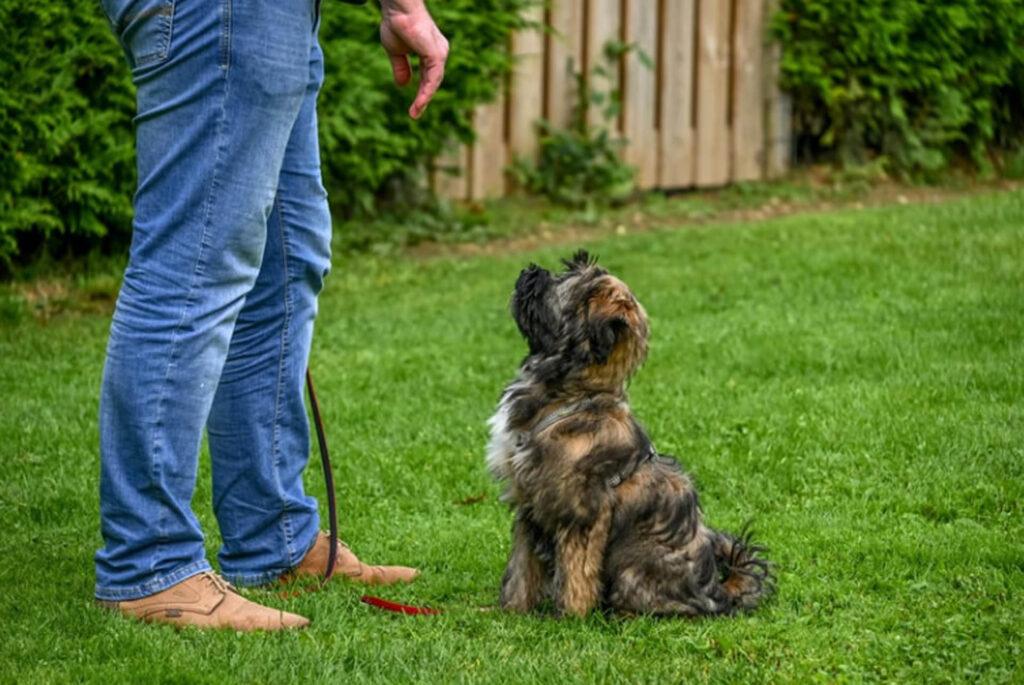
Once your dog starts sitting consistently with treats, introduce a hand signal. Hold your hand palm up with your fingers pointing towards the ceiling as you say “sit.” This visual cue will help reinforce the command. Remember, dogs can learn to understand both verbal commands and hand signals. Combining both can make the training more effective. Are you consistent in using the same hand gesture each time?Practicing Consistency
Consistency is key in dog training. Ensure that you and everyone in your household use the same word and hand signal for the sit command. This avoids confusion and helps your dog learn faster. Practice the sit command in different environments. Start in a quiet room, then try it in the backyard or during a walk. Changing locations helps your dog generalize the command, understanding that “sit” means the same thing everywhere.Mastering The Stay Command
Training a dog to sit and stay involves patience and consistency. Begin with a calm environment, using clear commands and rewards. Gradually introduce distractions to strengthen the command’s effectiveness.
Mastering the “stay” command is an essential skill for any dog owner. It not only ensures your pet’s safety but also strengthens your bond. Teaching your dog to stay requires patience, consistency, and a solid understanding of training principles.Introducing Duration And Distance
Start by focusing on duration. Ask your dog to sit and stay while you remain close. Begin with a few seconds and gradually increase the time. Once your dog is comfortable with duration, introduce distance. Take a step back while maintaining eye contact. Gradually increase the distance, ensuring your dog remains in place. Combining both elements can be challenging. Be patient and remember to keep sessions short and positive.Gradual Progression Techniques
Use a step-by-step approach. Start with short distances and durations, and increase them incrementally. Avoid overwhelming your dog. If they break the stay, reduce the difficulty and try again. Consistency is key. Practice daily, ensuring each session ends on a positive note.Positive Reinforcement Strategies
Always reward your dog for a successful stay. Use treats, praise, or a favorite toy to reinforce good behavior. Timing is crucial. Reward your dog immediately after the stay to reinforce the command. Consider using a clicker for precise reinforcement. It helps your dog associate the sound with a job well done. Have you ever wondered why some dogs learn faster than others? It often boils down to the owner’s consistency and the strength of the reward. Keep this in mind as you work on mastering the stay command with your furry friend.
Credit: www.pinterest.com
Troubleshooting Common Challenges
Training a dog to sit and stay involves patience and consistent practice. Begin with a calm environment, using simple commands and positive reinforcement. Gradually increase the duration and distractions to strengthen obedience.
Training your dog to sit and stay is a rewarding process, but it doesn’t always go smoothly. As you embark on this journey, you might face some common challenges. Understanding how to troubleshoot these issues can make the training more effective and enjoyable for both you and your furry friend. Let’s dive into some of these obstacles and explore practical solutions.Addressing Short Attention Spans
Dogs can often have the attention span of a goldfish, making training sessions feel like an uphill battle. To combat this, keep your sessions brief. Aim for 5-10 minutes at a time. This ensures your dog remains engaged and eager to learn. Introduce a mix of activities within the session. Alternate between sitting, staying, and a fun trick they already know. This keeps their mind active and prevents boredom. Are you noticing your dog zoning out? Try introducing a high-value treat or toy. It’s like offering a chocolate cake to someone on a diet—irresistible!Handling Distractions
Training at home might be a breeze, but what happens when you step outside? Distractions like other dogs, people, and even passing cars can throw your dog off track. Start training in a quiet environment and gradually increase the level of distraction. Practice in your backyard before heading to the park. It’s like learning to swim in a pool before braving the ocean. This step-by-step approach helps your dog adjust to new environments. Consider using a leash to guide your dog during training sessions outdoors. This gives them a gentle reminder to focus on you rather than the enticing squirrel across the street.Dealing With Stubbornness
Every dog has its own personality, and some are more headstrong than others. If your dog seems resistant to sitting or staying, patience is key. Remain calm and consistent in your commands and expectations. Think about what motivates your dog. Is it food, praise, or playtime? Use these motivators to your advantage. Reward them immediately after they follow your command, reinforcing the desired behavior. Adjust your approach if needed. Sometimes, a slight change in your tone or posture can make all the difference. Remember, training is a two-way street—your dog is learning about you just as much as you are about them. Reflect on your training methods. Are you making it fun for both of you? Training should be a bonding experience, not a chore. Embrace the challenges and turn them into opportunities for growth.Incorporating Advanced Techniques
Incorporating advanced techniques in dog training helps improve commands like sit and stay. Consistency is key. Use treats and praise to reinforce positive behavior. Gradually increase the duration and distance of the stay command.
Training your dog to sit and stay is a foundational skill, but taking it to the next level with advanced techniques can enhance your dog’s obedience and your bond. Advanced techniques involve integrating more complex commands and situations that challenge your dog beyond the basics. These methods not only improve your dog’s discipline but also make the training process more dynamic and engaging for both of you.Combining Sit And Stay
Combining the sit and stay commands can be a game-changer in your training routine. Start by asking your dog to sit, then immediately follow with the stay command. Gradually increase the duration and distance between you and your dog. This combination teaches patience and focus. It’s fascinating to see how your dog learns to remain in position, even when tempted to move. Have you noticed how your dog’s eyes follow you when you step back? That focus is key to mastering this technique.Using Real-life Scenarios
Incorporating real-life scenarios into your training sessions can significantly improve your dog’s response. Practice sit and stay during daily activities like greeting visitors or preparing meals. Does your dog struggle to stay when the doorbell rings? Use these moments as training opportunities. This approach makes commands relevant, showing your dog how sit and stay apply beyond structured training sessions.Building Reliability
Reliability in sit and stay commands is crucial, especially in unpredictable situations. Reinforce reliability by varying your training environments. Try practicing in different rooms, outdoors, or even at a park. Each new setting presents unique distractions, testing your dog’s ability to maintain focus. Notice how your dog’s confidence grows as they succeed in new places. This adaptability is what builds a reliable response, ensuring your dog can sit and stay anytime, anywhere. Ultimately, incorporating these advanced techniques into your training regime will deepen your dog’s understanding and enhance their obedience. Have you tried integrating these methods into your routine? The results might surprise you.Maintaining Consistent Training
Consistent training is key for teaching a dog to sit and stay. Use clear commands and reward good behavior with treats. Practice daily in short sessions to keep your dog engaged and focused.
Maintaining consistent training is crucial for teaching your dog to sit and stay. Dogs thrive on routine and repetition, which helps reinforce their learning. Consistent practice builds a solid foundation for commands. It ensures your dog understands and responds reliably.Regular Practice Sessions
Set aside time each day for training sessions. Short, focused practices are more effective than long, infrequent ones. Aim for five to ten minutes daily. Keep sessions positive and engaging. Reward your dog with treats or praise. Consistency helps reinforce commands and improves retention.Evaluating Progress
Track your dog’s progress over time. Notice how quickly they respond to commands. Are they sitting and staying longer? Consider keeping a journal. Record successes and areas needing improvement. This helps identify patterns and adjust training strategies.Adjusting Techniques As Needed
If progress stalls, adjust your approach. Try different rewards or change the training environment. Some dogs respond better to toys than treats. Others need quieter settings to focus. Observe your dog’s reactions and adapt techniques accordingly. Tailoring the approach ensures effective learning.Frequently Asked Questions
How Do I Start Training My Dog To Sit?
Begin by using a treat as a lure. Hold it close to your dog’s nose. Move it upward, encouraging your dog’s bottom to touch the ground. Once sitting, reward with the treat and praise. Repeat this process consistently to reinforce the command.
What Is The Best Age To Train A Dog?
The ideal age to start training a dog is around 8 weeks. At this age, puppies are more receptive to learning. However, it’s never too late to train an adult dog. Consistency and patience are key, regardless of the dog’s age.
How Long Does It Take To Train A Dog To Stay?
Training a dog to stay usually takes a few weeks. Consistent practice is essential. Start with short intervals and gradually increase the duration. Use positive reinforcement to reward your dog for staying. Patience is crucial for success.
Why Is My Dog Not Responding To The Sit Command?
Your dog might be distracted or not understand the command. Ensure you’re training in a quiet environment. Use clear, consistent cues and positive reinforcement. If your dog is still not responding, consider consulting a professional trainer.
Conclusion
Training a dog to sit and stay takes patience and practice. Start with short sessions. Reward with treats and praise. Keep commands clear and consistent. Your dog’s progress may vary. Stay calm and encouraging. Celebrate small victories along the way.
Gradually increase the time your dog stays. Repeat these steps regularly. Soon, your dog will sit and stay with ease. Remember, every dog learns at its own pace. Enjoy the bonding time with your pet. Happy training!

Similar Posts