
How to Train My Dog As a Service Dog: Step-by-Step Guide
Imagine having a loyal companion by your side who not only offers comfort but also assists you with daily tasks. Training your dog as a service dog can transform this dream into reality.
If you’re wondering how to take this important step, you’re in the right place. You might feel overwhelmed by the idea, but fear not. This guide is tailored to help you every step of the way, making the process simple and rewarding.
You’ll discover practical tips and proven methods that can turn your furry friend into a reliable helper. Whether you’re seeking support for yourself or aiming to help others, the journey to training a service dog starts here. Read on to unlock the secrets of creating a bond with your dog that is both supportive and life-changing.
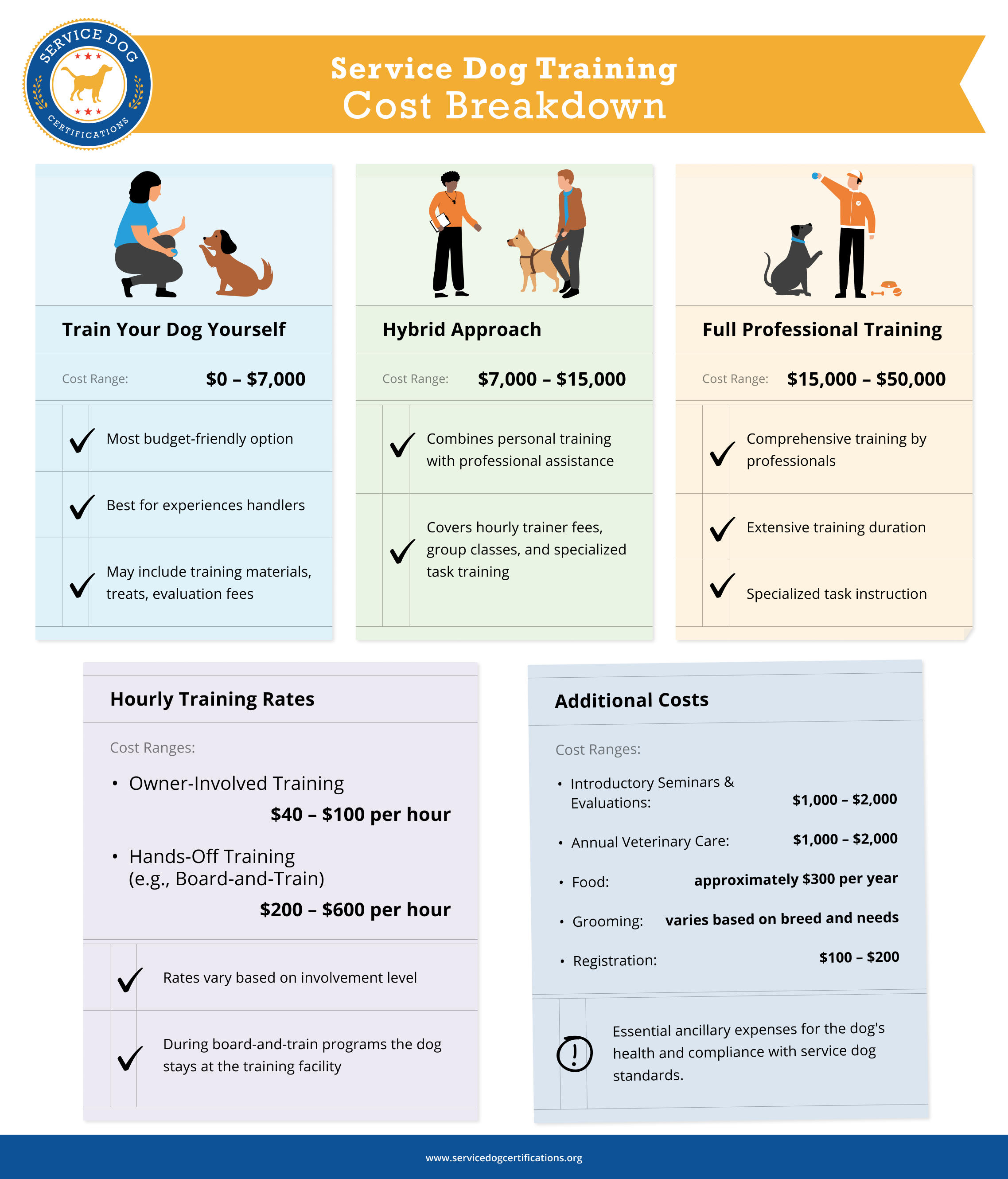
Credit: www.servicedogcertifications.org
Understanding Service Dog Roles
Training a dog as a service dog involves teaching specific tasks. Focus on obedience, socialization, and task training. Patience and consistency are key in shaping your dog’s ability to assist with disabilities.
Understanding the roles of service dogs is crucial in training your dog. These dogs perform specific tasks to assist individuals with disabilities. They are not just pets; they are vital companions, offering help and independence. Knowing what roles they can play helps you tailor your training effectively.Emotional Support Role
Service dogs offer emotional support to individuals with mental health challenges. They help reduce anxiety and stress by providing companionship. Their calming presence can make a significant difference.Physical Assistance Role
These dogs assist with physical tasks like opening doors or fetching items. They help individuals with mobility issues carry out daily activities. Their assistance promotes independence and confidence.Medical Alert Role
Some service dogs alert owners about medical issues like seizures. They detect changes in body signals before an episode occurs. This early warning can be life-saving.Guide Dog Role
Guide dogs help individuals with visual impairments navigate safely. They are trained to lead their owners around obstacles. Their guidance ensures safety and independence in various environments.Hearing Dog Role
Hearing dogs assist those with hearing loss by alerting them to sounds. They notify their owners of alarms, doorbells, or ringing phones. Their role is essential for awareness and safety.Choosing The Right Dog
Choosing the right dog for service work is a pivotal decision that lays the foundation for a successful partnership. Your future service dog needs to possess specific traits and capabilities. It’s not just about picking any dog you fancy but ensuring they can thrive in their role and meet your unique needs.
Assessing Breed Suitability
Some breeds are naturally more inclined to service work due to their intelligence, temperament, and physical attributes. Breeds like Labrador Retrievers, Golden Retrievers, and German Shepherds are popular choices for their trainability and adaptability.
Consider what tasks your service dog will perform. If you need a dog for physical support, a sturdy breed might be ideal. For medical alerts, a breed known for its keen sense of smell could be beneficial.
Research breed characteristics and match them with your lifestyle and requirements. Are you ready to manage the energy levels of a Border Collie? Or would a calmer breed fit better into your daily routine?
Evaluating Temperament
Temperament is crucial in determining a dog’s suitability for service work. A service dog must be calm, attentive, and responsive. They should handle stress well and adapt to new environments quickly.
Observe your dog’s reactions to various stimuli. Are they easily startled or aggressive? A gentle and patient demeanor is essential for a service dog, especially in public settings.
Consider how your dog interacts with people and other animals. A service dog should be friendly but not overly excitable. Can your dog remain focused amidst distractions, or do they lose interest?
Choosing the right dog involves a deep understanding of their breed and temperament. What qualities are you looking for in your service dog? Consider these factors carefully to ensure a harmonious and productive partnership.
Essential Training Basics
Training your dog to become a service dog is a rewarding journey that begins with mastering essential training basics. These foundational skills are crucial for ensuring your dog is well-prepared for the specific tasks they’ll perform to assist you or others. Let’s explore the essential elements you should focus on when training your dog.
Teaching Basic Commands
Start with essential commands like sit, stay, come, and heel. These commands form the backbone of your dog’s training and ensure they respond promptly and reliably. Use positive reinforcement by rewarding your dog with treats or praise when they successfully follow a command.
Consistency is key. Practice these commands daily in various environments to ensure your dog can perform them under different conditions. Have you ever noticed how your dog’s attention wanes? Keep sessions short and focused to maintain their interest and progress.
Socialization Techniques
Introduce your dog to a variety of people, animals, and environments. This exposure helps them become comfortable and calm in different situations, which is essential for service dogs. It’s fascinating how dogs mirror their owner’s emotions, so stay calm during these interactions to set a positive tone.
Encourage positive interactions with different stimuli, like loud noises or crowded spaces. This builds your dog’s confidence and adaptability. Have you considered how your dog reacts to everyday distractions? Gradually increase the complexity of social situations as your dog’s confidence grows.
By focusing on these essential training basics, you’ll lay a strong foundation for your dog’s service skills. Remember, patience and consistency are your best allies in this rewarding journey. What new skill will you and your dog tackle today?
Advanced Skills Training
Training a dog as a service dog involves advanced skills. These skills ensure your dog can perform specific tasks and behave appropriately in public. This requires patience, consistency, and understanding of your dog’s unique needs.
Task-specific Training
Task-specific training tailors skills to assist your needs. Identify the tasks your dog must perform. This can include fetching items, opening doors, or providing balance support. Break down tasks into small, manageable steps. Use positive reinforcement to encourage your dog.
Repetition is key. Practice each task regularly. Reward successes with treats or praise. Keep training sessions short to maintain your dog’s focus. Gradually increase complexity as your dog masters each step.
Public Access Training
Public access training ensures your dog behaves properly in various settings. Start with basic obedience skills like sit, stay, and heel. Gradually introduce your dog to new environments. Visit stores, parks, and public transport areas.
Focus on calm behavior in crowded or noisy places. Teach your dog to ignore distractions. Use rewards to reinforce good behavior. Consistency is crucial. Practice regularly in different locations. This builds your dog’s confidence and reliability in public.
Certification And Legal Requirements
Understanding certification and legal needs is vital in training a service dog. These ensure your dog meets required standards and follows laws. Proper guidance can aid in navigating this complex process.
Training your dog to be a service dog is a rewarding journey that requires dedication, patience, and compliance with various certification and legal requirements. Understanding these requirements is crucial to ensure your service dog is recognized legally and can perform their duties effectively. Let’s explore the certification options and navigate the legal responsibilities involved in this process.Understanding Certification Options
Certification for service dogs isn’t as straightforward as one might think. Unlike therapy dogs, service dogs don’t require a specific certification to validate their status legally. However, many organizations offer voluntary certification programs. These programs can provide peace of mind, ensuring your dog meets standard behavioral and training expectations. Consider enrolling in a reputable program that offers comprehensive assessments, including obedience and task-specific training evaluations. A certification can also aid in disputes or misunderstandings about your dog’s role in public spaces. Why not equip yourself with documentation that showcases your dog’s capabilities and training?Navigating Legal Responsibilities
Legal requirements for service dogs primarily revolve around public access rights and accommodation. Under the Americans with Disabilities Act (ADA), service dogs have the right to accompany their handlers in most public areas. Understanding these rights helps avoid conflicts and ensures smooth interactions in society. It’s crucial to keep your dog’s training consistent and up-to-date, as any lapse could lead to legal challenges or public skepticism. Maintaining your dog’s skills not only supports their ability to assist you but also reinforces their legitimacy in public settings. Moreover, consider how local laws might affect your service dog’s status. Some regions may have additional regulations or requirements. Are you prepared to meet these obligations to ensure your dog can assist you without unnecessary hurdles?Maintaining Service Dog Skills
Training a dog to be a service dog involves consistency and patience. Focus on basic obedience, socialization, and specific tasks your dog needs to perform. Regular practice and positive reinforcement help maintain their skills effectively.
Maintaining the skills of a service dog is crucial to ensure they perform their duties effectively. Consistent training and care help in refining their abilities and keeping them in top shape. It’s not just about teaching commands; it’s about nurturing a partnership with your dog.Regular Training Sessions
Regular training sessions are essential to reinforce the skills your service dog has learned. Dedicate time each week to practice commands and tasks they need to perform. This not only keeps their skills sharp but also strengthens your bond. Change up the routine to prevent boredom. Introduce new environments or distractions to ensure your dog can perform under different conditions. Consistency is key, but variety adds value.Monitoring Health And Well-being
A healthy dog is an effective service dog. Regular vet check-ups are crucial to catch any health issues early. Keep their vaccinations up-to-date and maintain a balanced diet. Pay attention to your dog’s mental health too. Stress or anxiety can impact their performance. Provide plenty of playtime and affection to keep their spirits high. Consider this: how can you tell if your service dog is feeling unwell or stressed? Observing changes in behavior or appetite can be telling signs. Being proactive about their health ensures they can support you effectively.Finding Professional Help
Seeking professional help ensures your dog receives proper service dog training. Experts tailor training to meet specific needs. This approach enhances your dog’s ability to assist effectively and safely.
Finding the right professional help is crucial when training your dog as a service dog. Professional trainers and structured programs provide guidance and expertise. They ensure your dog learns essential skills to assist you effectively. This part of the process requires careful consideration to choose the best resources.Hiring A Professional Trainer
Engage a professional trainer with experience in service dog training. They offer personalized training sessions tailored to your dog’s needs. Check their credentials and client reviews. This ensures they have a proven track record. Good trainers understand different breeds and temperaments. They apply techniques that work best for your dog.Joining Training Programs
Consider enrolling in reputable service dog training programs. These programs often offer structured courses. They cover essential tasks and obedience training. Look for programs with certified instructors. They should provide practical, hands-on experience for you and your dog. Many programs offer both group classes and one-on-one sessions. This flexibility can suit different learning preferences.
Credit: www.youtube.com
Building A Strong Bond
Training your dog as a service dog strengthens your bond through shared learning experiences. Consistent practice and positive reinforcement build trust and understanding. This journey enhances your relationship while teaching your dog essential skills.
Building a strong bond with your dog is crucial for effective training. This connection ensures that your dog is responsive and attentive. It also creates a foundation of mutual respect and understanding. A strong bond makes training easier and more enjoyable for both you and your dog.Developing Trust And Communication
Trust is the cornerstone of any relationship. Begin with consistent routines to establish predictability. Use positive reinforcement to encourage desired behaviors. Praise and rewards make your dog feel valued and secure. Communication is vital in training. Use clear commands and maintain eye contact. Your tone should be calm and assertive. Dogs respond well to body language, so be mindful of your gestures. Set aside time daily for bonding activities. Play is an excellent way to build trust and communication. Interactive games foster understanding and cooperation.Ensuring Emotional Support
Emotional support is key in a service dog’s life. Dogs can sense emotions and respond accordingly. Be attentive to your dog’s feelings and moods. Offer comfort during stressful situations. A gentle touch or soothing voice can calm your dog. Consistent emotional support strengthens your bond. Create a safe environment for your dog. A sense of security boosts confidence and trust. Regular socialization helps your dog feel comfortable in various settings. Building a strong bond takes time and patience. These efforts pay off in the form of a devoted service dog.
Credit: www.youtube.com
Frequently Asked Questions
What Is A Service Dog?
A service dog is trained to perform tasks for individuals with disabilities. These tasks can range from guiding the visually impaired to alerting the deaf. Service dogs are highly trained and provide support that enhances the independence and quality of life for their handlers.
How To Start Training A Service Dog?
Begin with basic obedience training, focusing on commands like sit, stay, and come. Consistency is key. Gradually introduce more complex tasks. Professional guidance from a certified trainer is advisable for specific service tasks. Always ensure the training is positive and rewarding for the dog.
What Breeds Make Good Service Dogs?
Labradors, Golden Retrievers, and German Shepherds are popular choices for service dogs. These breeds are known for their intelligence, temperament, and trainability. However, any breed can potentially be a service dog if it meets the necessary criteria and training requirements.
How Long Does It Take To Train A Service Dog?
Training a service dog can take between six months to two years. The duration depends on the dog’s breed, age, and the complexity of the tasks required. Consistent training, patience, and professional guidance can ensure successful service dog training.
Conclusion
Training your dog as a service dog takes patience and dedication. Start with basic obedience skills. Consistency is key in teaching advanced tasks. Celebrate small achievements along the way. Remember, each dog learns at its own pace. Patience helps build a strong bond with your furry friend.
Seek guidance from professional trainers if needed. They offer valuable insights and techniques. Make training a positive and rewarding experience. Your dog will become a helpful companion. A well-trained service dog enhances your independence and quality of life. Keep the process enjoyable for both you and your dog.


