How to Train My Dog Not to Bark: Expert Strategies
Senior Canine Nutritionist & Dog Behavior Specialist at Cozy Dog Go Wellness Lab

Imagine coming home to a peaceful environment where your dog greets you with wagging tails instead of constant barking. Sounds perfect, right?
If you’re struggling with your dog’s excessive barking, you’re not alone. Many dog owners face this challenge, but the good news is that you can train your furry friend to bark less and enjoy a quieter home. You’ll discover effective strategies to help your dog understand when it’s okay to bark and when it’s time to stay quiet.
Get ready to unlock the secrets to a calmer, happier relationship with your dog. Let’s dive in and transform your home into a tranquil haven!

Credit: theonlinedogtrainer.com
Understanding Dog Barking
Training your dog not to bark involves understanding the triggers. Identify causes like boredom or fear. Consistent commands and rewards help reduce excessive barking.
Understanding why your dog barks is the first step to managing it. Dogs communicate through barking. It’s their way of expressing themselves. They might bark to alert you, show excitement, or demand attention.Reasons Dogs Bark
Dogs bark for many reasons. They might be warning you about a stranger. Excitement can also trigger barking, especially during playtime. Some bark when they feel anxious or stressed. Attention-seeking is another reason. They may want food, water, or a walk. Barking can also stem from boredom. Without enough stimulation, dogs find barking entertaining.Common Barking Triggers
Understanding triggers can help reduce barking. Loud noises often startle dogs, causing them to bark. Seeing other animals or people can also trigger barking. This is common with territorial dogs. Separation from their owner can lead to barking out of loneliness. Hunger and thirst are basic needs that, when unmet, might cause barking. Finally, lack of exercise can lead to excess energy, resulting in barking. Identifying these triggers is key to finding solutions.Assessing Your Dog’s Behavior
Understanding your dog’s behavior is key to managing excessive barking. Different dogs bark for various reasons. Some bark out of excitement, others due to fear or boredom. Assessing the behavior helps pinpoint the cause and find effective solutions. Observing your dog’s actions can reveal the triggers behind their barking.
Identifying Barking Patterns
Look for specific times your dog barks more. Is it during meal times, or when guests arrive? Noticing these patterns helps in understanding their needs. Some dogs bark when they see other animals or hear noises. Keep a record of these instances to identify common causes. Recognizing patterns is the first step in addressing the issue.
Evaluating Environmental Factors
Consider the environment around your dog. Loud noises or unfamiliar people can cause barking. A busy street or noisy neighbors might be affecting your pet. Check for changes in surroundings that may trigger barking. Understand if they feel safe and secure in their space. Making small adjustments can reduce stress and minimize barking.
Effective Training Techniques
Training a dog not to bark involves consistent commands and rewards. Practice quiet times with treats when barking stops. Use positive reinforcement to encourage silence and reduce unnecessary noise.
Training your dog not to bark can be challenging. But with patience and effective techniques, it’s achievable. Dogs bark for many reasons like fear, excitement, or boredom. Identifying the reason helps tailor the training. Let’s explore some techniques that work well in teaching your dog to control barking.Positive Reinforcement
Positive reinforcement is a powerful tool in dog training. Reward your dog when he stops barking. Use treats or praise to show he did well. This reinforces the behavior you want. Consistency is key. Always reward immediately after he stops barking. This helps him link the reward to the action.Command Training Basics
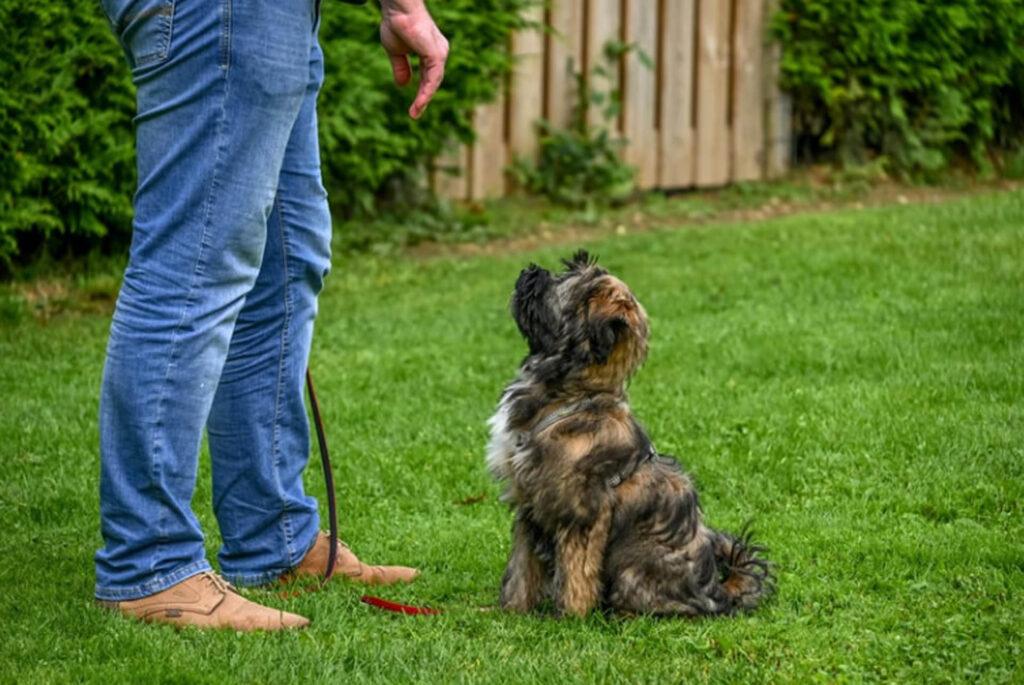
Teaching commands like “quiet” can be effective. Start by saying “quiet” when your dog barks. Use a firm but calm voice. When he stops, reward him with a treat. Repeat this process regularly. Over time, your dog learns to associate “quiet” with stopping barking. Practice in different environments to ensure he understands the command everywhere.
Credit: www.tncim.com
Tools For Training
Training tools can help reduce barking in dogs effectively. Choose calming aids like collars and clickers to guide behavior. Consistent use of these tools can make a noticeable difference in your dog’s barking habits.
Training your dog not to bark can be challenging. But with the right tools, it becomes manageable. The right tools help communicate effectively with your pet. They also make the training process smoother and more efficient. Here are some essential tools that can assist in teaching your dog to reduce excessive barking.Training Collars And Leashes
Training collars are effective for controlling barking. They provide gentle reminders to your dog. Some collars emit a sound when the dog barks. Others release a harmless spray. These signals help your dog understand when barking is not appropriate. Leashes also play a crucial role. They offer control during outdoor training sessions. They guide your dog and reinforce commands. Using a leash properly can improve your dog’s response to cues. Both collars and leashes are vital for successful training.Interactive Toys And Gadgets
Interactive toys keep your dog engaged. They divert attention from barking. Toys that dispense treats are particularly effective. They reward your dog for focusing on something other than barking. Gadgets like automatic ball launchers can be fun. They provide physical exercise and mental stimulation. This helps reduce boredom, which often leads to barking. These tools are perfect for encouraging positive behavior in dogs. They offer entertainment and training benefits simultaneously.Addressing Specific Barking Issues
Understanding why dogs bark helps address specific barking issues. Each situation requires a different approach. Dogs bark for various reasons, including fear, excitement, or seeking attention. Identifying the root cause is crucial. Let’s explore common barking scenarios and solutions.
Barking At Strangers
Dogs often bark at strangers due to fear or territorial instincts. Socialization is key to reducing this behavior. Introduce your dog to new people in controlled settings. Reward them with treats and praise when they remain calm. Over time, they learn strangers aren’t a threat. Training sessions should be consistent. Patience and positive reinforcement yield the best results.
Barking At Other Animals
Barking at other animals is usually a reaction to excitement or territorial behavior. Leash training helps manage this issue. Keep your dog on a short leash when encountering other animals. Practice commands like “sit” and “stay” to distract them. Reward their calm behavior with treats. This reinforces positive interactions. Gradual exposure to other animals decreases barking over time.

Credit: theonlinedogtrainer.com
Creating A Consistent Routine
Creating a Consistent Routine Establish regular training sessions to manage your dog’s barking. Reinforce calm behavior with rewards and praise. Consistency is key for effective learning.
Creating a consistent routine is key to training your dog not to bark excessively. Dogs thrive on regularity and feel secure when they know what to expect. A structured daily schedule can significantly reduce your pet’s anxiety and the urge to bark unnecessarily.Daily Exercise And Play
Your dog needs daily exercise to burn off excess energy that might otherwise be expressed through barking. A tired dog is often a quiet dog. Engage your pet in activities like walks, fetch, or agility courses. Consider the specific needs of your dog’s breed and age. A young Labrador might enjoy a long run, whereas an older pug might prefer a leisurely stroll. Make exercise a fun and bonding experience for both of you.Setting Boundaries And Rules
Establish clear boundaries and rules at home. Dogs need to know what’s expected of them, and consistency is crucial. Decide where your dog can go, when they can bark, and stick to these guidelines. Use simple commands to enforce rules, like “quiet” or “settle.” Reinforce positive behavior with treats and praise. Consistency here teaches your dog that certain behaviors are not acceptable. Are you consistent with your expectations? Remember, dogs can get confused if rules change often. By maintaining a stable routine, you help your dog feel secure and reduce excessive barking.When To Seek Professional Help
Training your dog not to bark excessively can be challenging. Sometimes, despite your best efforts, barking becomes a persistent problem. This is when seeking professional help can make a difference. Understanding when and why to consult a trainer can save time and stress, ensuring your dog receives the guidance needed.
Recognizing Severe Behavior Problems
Not all barking issues are created equal. It’s crucial to recognize when barking stems from severe behavior problems. If your dog seems anxious or aggressive, these may be signs of deeper issues. Persistent barking at inanimate objects or during odd hours could indicate stress or fear.
Ask yourself: is this behavior affecting your dog’s quality of life? If barking is accompanied by other troubling behaviors, it may be time to seek professional help. A trainer can identify underlying causes and offer tailored solutions.
Choosing A Qualified Trainer
Finding the right trainer is key to resolving barking issues. Look for trainers with certifications and positive reviews. Experience in dealing with similar problems is a plus. Ask fellow dog owners for recommendations and don’t hesitate to interview trainers to gauge their approach.
Consider what methods align with your values. Do you prefer positive reinforcement techniques? Ensure your chosen trainer shares your philosophy. A good trainer will involve you in the process, empowering you to continue training at home.
Remember, seeking help is a proactive step towards a happier, quieter home. Don’t wait until the problem escalates. Professional guidance can transform your dog’s behavior and bring peace to your household.
Maintaining Long-term Success
Consistent training helps dogs understand when barking is appropriate. Positive reinforcement encourages quiet behavior, rewarding calm moments. Patience and regular practice ensure lasting results.
Maintaining long-term success in training your dog not to bark is crucial for a peaceful coexistence and a happy pet. It’s about building a consistent routine that both you and your dog can rely on. This involves regular reinforcement, monitoring progress, and making necessary adjustments to the training plan. Let’s dive into how you can ensure lasting results in your dog’s barking behavior.Regular Training Sessions
Consistency is key. Regular training sessions help reinforce the behaviors you want to see. Set aside time daily, even if it’s just 10 minutes, to practice commands with your dog. During these sessions, focus on positive reinforcement. Reward your dog with treats, praise, or playtime when they respond correctly. Imagine how proud you’ll feel when your dog learns to sit quietly on command.Monitoring Progress And Adjustments
Keep track of your dog’s improvements. Notice any patterns in when or why your dog barks. Is it during the mailman’s visit or when a neighbor walks by? By identifying these triggers, you can tailor your training to address specific situations. Be open to adjusting your methods. If something isn’t working, try a different approach. Have you considered enrolling in a dog training class for additional support? Using a journal or a simple notes app can help you document your dog’s progress. Regularly reviewing these notes will give you insights into what’s working and what needs tweaking. Engage with your dog and enjoy the journey of learning together.Frequently Asked Questions
How Can I Stop My Dog From Barking?
To stop your dog from barking, identify the triggers first. Consistent training, using commands like “quiet,” can be effective. Reward your dog for silence with treats or praise. Ensure they get enough exercise and mental stimulation. For persistent barking, consider consulting a professional trainer.
Why Does My Dog Bark Excessively?
Dogs bark excessively due to boredom, anxiety, or lack of exercise. They may also be seeking attention or reacting to external stimuli. Understanding the root cause is crucial. Addressing these issues through training, exercise, and socialization can help reduce excessive barking.
Is It Normal For Dogs To Bark A Lot?
While barking is a natural behavior, excessive barking can indicate underlying issues. It might be due to boredom, fear, or anxiety. Understanding your dog’s needs and triggers can help manage and reduce unnecessary barking. Proper training and socialization are essential for balanced behavior.
Can Training Tools Help Reduce Barking?
Yes, training tools like anti-bark collars can aid in reducing barking. However, they should be used judiciously and under professional guidance. Positive reinforcement methods are generally more effective. Combining tools with consistent training yields the best results in managing barking behavior.
Conclusion
Training your dog not to bark takes patience and consistency. Use positive reinforcement. Reward quiet behavior with treats and praise. Understand your dog’s triggers and avoid them. Provide enough exercise and mental stimulation. A tired dog barks less. Use commands like “quiet” or “enough” with a calm voice.
Never yell or punish your dog for barking. This can cause fear. Be patient. Progress might be slow. Dogs learn at different paces. Stay committed and consistent. Celebrate small victories. Your dog will learn over time. Enjoy the process and bond with your furry friend.

Similar Posts